
Rainbow Serpent
English term coined by anthropologist Alfred Radcliffe-Brown
A creator spirit of water and land in Aboriginal Australian mythology
The Rainbow Serpent is a major deity in Aboriginal Australian traditions, known by many local names. It is believed to have shaped the landscape and controls water, acting as both a life-giver and a punisher.
- Coined in English by anthropologist Alfred Radcliffe-Brown
- Creator god who shaped the Australian landscape
- Controls water and brings the wet season rains
- Known as Yurlunggur by the Murngin people
- Associated with rainbow quartz and mother of pearl
What it is
The Rainbow Serpent is a powerful ancestral being in Aboriginal Australian cultures. It is often viewed as a creator god who formed the land and established diversity for its people. While it provides life through water, it can also bring chaos if disturbed. The serpent is linked to the Dreaming, the Aboriginal worldview of creation and law. It is not always depicted as a snake; some stories describe it as a bat or other animal, though it remains an animal form rather than human. Its gender varies across regions, appearing as male, female, or ambiguous.
Where it comes from
The concept has existed within Aboriginal cultures for a very long time. The specific English name 'Rainbow Serpent' was introduced to the wider world by anthropologists. Alfred Radcliffe-Brown is credited with coining the term after noticing similar myths across different groups. Charles P. Mountford later referred to them as 'rainbow serpent myths'. Some scholars suggest that the serpent's status as the primary creator god may be largely a construction by non-Aboriginal researchers rather than a universal indigenous view.
Tools and materials
Rituals involving the Rainbow Serpent sometimes use rainbow quartz crystals and mother of pearl seashells. These materials are associated with the serpent because they diffract light into spectral colors. Quartz acts as a prism, while mother of pearl exhibits iridescence. These items connect the physical world to the spiritual power of the serpent, which is said to inhabit waterholes where light creates rainbows.
Rainbow Serpent, drawn and placed
- Living
- Revived
- Fading
- Historical
- Legendary
- Performed
- Lineage
- Aboriginal Australian Dreaming
What it is for
The serpent is believed to control water, the most precious resource in Australia. It replenishes water stores and forms gullies as it moves. Without the serpent, rain would not fall and the earth would dry up. It is also seen as a healer and a symbol of fertility, sometimes linked to human blood and the menstrual cycle. In some stories, it teaches sacred rituals to people after regurgitating them.
Peoples and places
The serpent is known by many names among different Aboriginal peoples. The Murngin call it Yurlunggur. The Galpu clan depicts Wititj in bark paintings. Queensland groups know it as Kanmare or Tulloun. The Noongar people refer to it as Wagyl. Stories vary by environment; monsoonal areas depict interactions with sun and wind, while desert stories reflect less seasonal change. It is a central figure across much of Australia, particularly in Western Australia and Arnhem Land.
At a glance: who, where and when
Who does it
Belief worlds


What people believe
The Rainbow Serpent is part of the Dreaming, a system of beliefs about creation and law. It emerged from beneath the ground to create ridges, mountains, and gorges. It inhabits deep permanent waterholes. When angry, it causes thunder, lightning, and storms. It punishes lawbreakers by turning them to stone or humans. It is associated with the wet season, bringing rains and floods. Some stories link it to the bunyip, a fearful water-dwelling creature.
How scholars and sceptics see it
Anthropologists like Kenneth Maddock and Alfred Radcliffe-Brown studied the serpent. Radcliffe-Brown argued the myth was widespread and possibly universal across Australia. Mountford preferred the plural 'myths' to acknowledge variations. Scholars note that the serpent's position as the top creator god might be influenced by external academic framing. Researchers also observe links between the serpent and other animals like crocodiles or dingos in different regional stories.
Compare and confuse
The Rainbow Serpent is sometimes confused with or related to other water spirits. It shares traits with the bunyip, a creature feared in Australian mythology. In some tales, it rivals a large fruit bat over a woman. Other creatures like birds or lizards take on the serpent's role in certain stories. All these beings are connected to water. The serpent is distinct from the unyielding sun, representing the changing, replenishing forces of nature.
Today
The Rainbow Serpent remains a vital part of Aboriginal culture and identity. It appears in contemporary art, including rock art and modern paintings. The Rainbow Serpent Festival in Victoria celebrates music, arts, and culture inspired by this tradition. Documentaries and children's books continue to share these stories, ensuring their transmission to new generations.
Questions people ask about Rainbow Serpent
What is the Rainbow Serpent?
It is a major ancestral being in Aboriginal Australian mythology, believed to have created the land and controlled water. It is a central figure in the Dreaming, the traditional worldview of Aboriginal peoples.
Where does the name come from?
The English term was likely coined by anthropologist Alfred Radcliffe-Brown. He used it to describe a widespread myth found across many different Aboriginal language groups in Australia.
Is it always a snake?
Not always. While often depicted as a serpent, some stories describe it as a bat, bird, or other animal. However, it is always an animal form and never takes a human shape.
What does it do?
It is believed to create landscapes, control water sources, and bring rain. It can also punish those who break laws, causing storms or turning people to stone if angered.
Good reading and sources
- Rainbow Serpent on WikipediaEncyclopedia
- More photos on Wikimedia CommonsPhotos and video
- Wikidata recordOpen data
The facts on this page come from the Wikipedia article "Rainbow Serpent", written by its contributors and used under the CC BY-SA 4.0 licence, and from its Wikidata record (CC0). EveryJaadu rewrote the text in its own words, with AI assistance, and compares every page with the article to make sure no passage is copied. It may be reused under the same CC BY-SA 4.0 licence with a link back.
It may contain mistakes. Names and customs differ from one community to the next, and some knowledge is closed to outsiders and left out here. This page describes belief and practice. It does not say that any of it works, it is not a how-to, and it is not medical advice. If something is wrong, tell us. Last refreshed 2026-10-05.
More from Australia
All the entries from Australia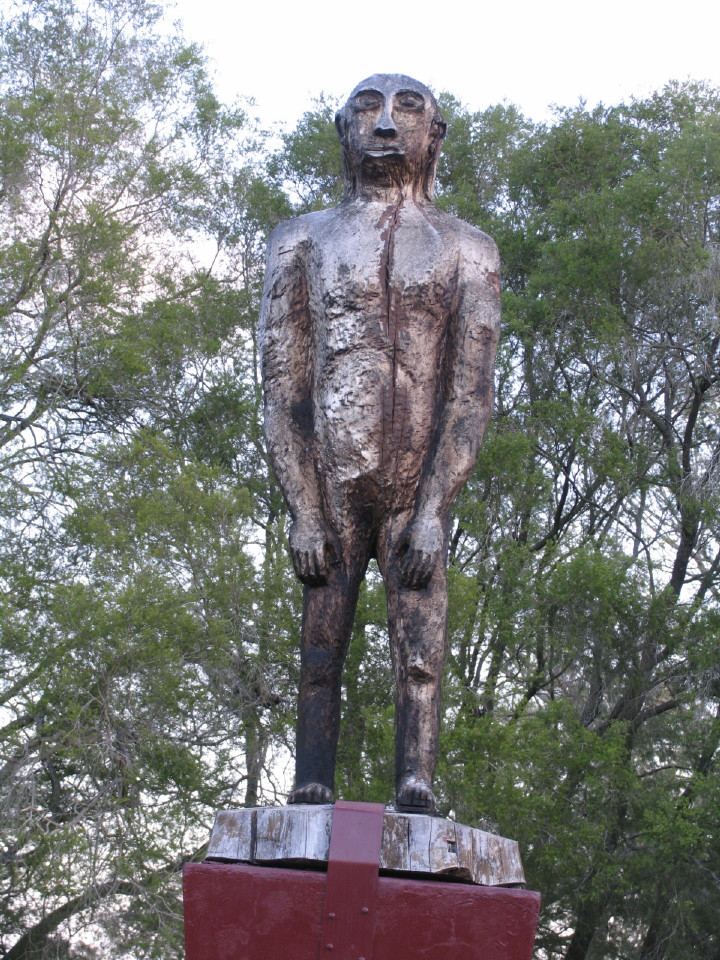 🇦🇺 AustraliaYowie
A hairy, bipedal creature of Australian folklore and cryptozoologyFigure · Wonder and entertainment Legendary
🇦🇺 AustraliaYowie
A hairy, bipedal creature of Australian folklore and cryptozoologyFigure · Wonder and entertainment Legendary
 🇦🇺 Australia and 1 moreTattoo
A permanent mark made by placing pigment under the skin to form a design.Tradition · Protection · Power and authority Living
🇦🇺 Australia and 1 moreTattoo
A permanent mark made by placing pigment under the skin to form a design.Tradition · Protection · Power and authority Living
 🇦🇺 AustraliaWelcome to Country
A ceremony performed by Aboriginal elders to welcome visitors to their landRite · Speaking with spirits and the dead Living
🇦🇺 AustraliaWelcome to Country
A ceremony performed by Aboriginal elders to welcome visitors to their landRite · Speaking with spirits and the dead Living
Related elsewhere
All being 🇿🇦 South AfricaSympathetic magic
A magical principle based on imitation and contact to influence the worldTradition · Protection · Healing Historical
🇿🇦 South AfricaSympathetic magic
A magical principle based on imitation and contact to influence the worldTradition · Protection · Healing Historical
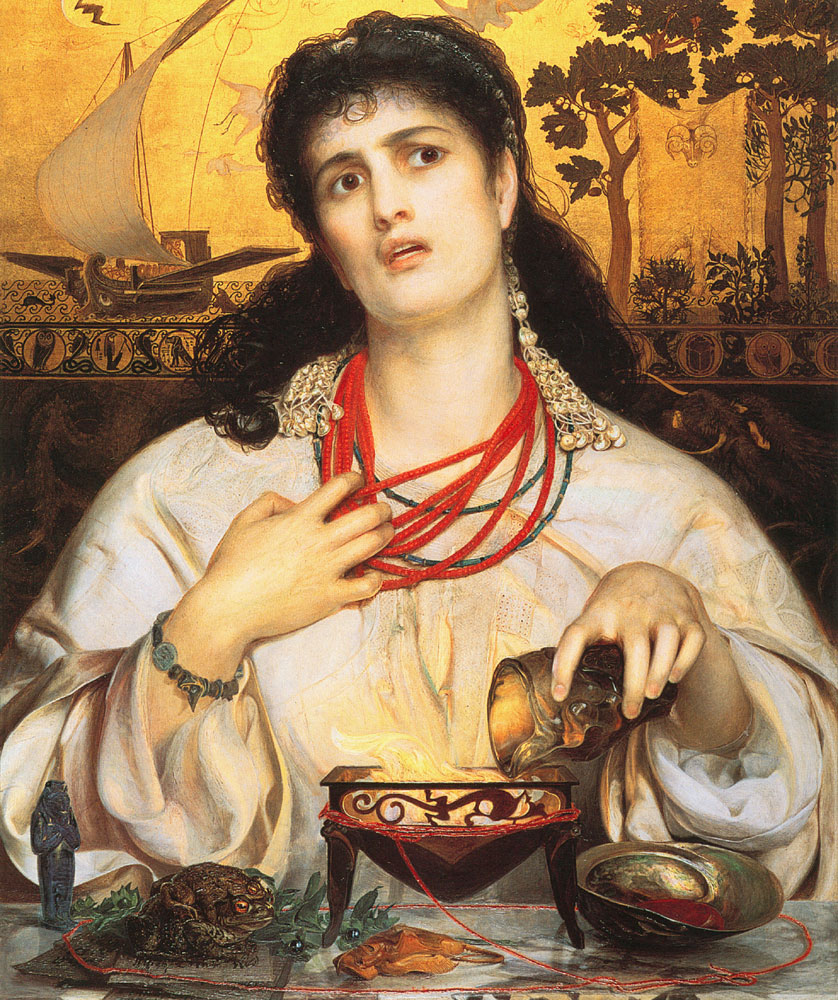 🇬🇷 GreeceMedeaΜήδεια
A sorceress and princess of Colchis who aids Jason and uses magic for revenge.Figure · Cursing and harm · Healing Legendary
🇬🇷 GreeceMedeaΜήδεια
A sorceress and princess of Colchis who aids Jason and uses magic for revenge.Figure · Cursing and harm · Healing Legendary
 🇫🇷 FranceHoly GrailSaint Graal
A cup or stone from Arthurian tales that grants healing and eternal lifeFigure · Healing · Luck and prosperity Legendary
🇫🇷 FranceHoly GrailSaint Graal
A cup or stone from Arthurian tales that grants healing and eternal lifeFigure · Healing · Luck and prosperity Legendary
 🇺🇦 Ukraine and 5 moreMugwortчорнобиль (chornóbyl')
An aromatic herb used in folk medicine, cooking, and magical protection across Eurasia.Substance · Protection · Healing Living
🇺🇦 Ukraine and 5 moreMugwortчорнобиль (chornóbyl')
An aromatic herb used in folk medicine, cooking, and magical protection across Eurasia.Substance · Protection · Healing Living