
Snake worship
from Greek ophis, meaning snake, and latreia, meaning worship
Veneration of serpents as divine or ancestral beings across global cultures
Ophiolatry is the religious devotion to serpent deities and spirits. This practice appears in ancient Mesopotamia, Egypt, Africa, and the Americas. Believers associate snakes with wisdom, renewal, and protection.
- Sumerians worshipped Ningishzida, a serpent god.
- Rainbow serpents control rain in West African myths.
- Gnostics praised the Eden serpent for granting knowledge.
- Dahomey punished accidental python killing with death.
- Ancient Egyptians revered cobras as protective emblems.
What it is
Ophiolatry describes the veneration of snakes within various religious frameworks. Serpents symbolize cyclical renewal due to their shedding skin. They also represent wisdom and protective power. These meanings shift significantly between different cultural contexts. The practice spans from ancient Near Eastern cities to modern African diasporic communities. Snakes are viewed as bridges between the physical and spiritual worlds.
Where it comes from
Early evidence comes from Bronze Age Canaan and Mesopotamia. Sumerians worshipped Ningishzida, a serpent god. Archaeological finds include bronze serpents at Tepe Gawra and temples in Babylon. In the United Arab Emirates, metallurgical centers produced gold and bronze snake depictions. These artifacts suggest established cults, though definitive proof varies. The tradition likely evolved independently in multiple regions before spreading through trade and migration.
How it is done
Rituals involve processions and temple offerings. In Dahomey, a python was carried in a hammock during ceremonies. Worshippers excluded profane crowds from specific rites. Charms against harmful snakes were inscribed on objects or chanted. In some traditions, palm leaves adorn snake lairs to show respect. Offerings may include food or symbolic items placed near sacred sites. The methods emphasize reverence and avoidance of harm to the animal.
Tools and materials
Bronze statues and pottery often feature serpent motifs. Dotted decorations appear on many UAE artifacts. Charms invoke deities like Nehebkau for protection. Palm leaves mark sacred spaces for rainbow serpents. Hammocks transport live snakes during processions. Earthenware pots depict cosmic snakes holding up the sky. These tools serve as focal points for devotion and reminders of mythic narratives.
Snake worship, drawn and placed
- Living
- Revived
- Fading
- Historical
- Legendary
- Performed
- Lineage
- animal worship cult
- Timing
- during festivals and daily life events
What it is for
Devotees seek wisdom, healing, and protection. Snakes are linked to fertility and life force. Ancestors may reside in specific snake species. Rainbow serpents control rain and weather patterns. Worshippers ask for blessings during crises or daily routines. The practice aims to maintain harmony with natural and spiritual forces. It also reinforces social structures and community identity through shared myths.
Who does it
Priests and ritual specialists lead temple cults. Household members perform daily devotions and charms. Diviners may interpret snake behavior for guidance. In Dahomey, specific wives participated in exclusive processions. Knowledge of rituals is often passed down through generations. Gender roles vary; some rites exclude certain groups. Practitioners view themselves as intermediaries between humans and serpent spirits.
Peoples and places
The Fon people revere Dan and Aido Hwedo as cosmic serpents. Yoruba followers worship Oshumare, a similar rainbow deity. Ewe people see Anyi-eẃo drinking from the sky to cause rain. Zulu traditions link rainbows to serpents drinking from pools. Ancient Egyptians revered cobras like Wadjet and Renenutet. Gnostic sects praised the Eden serpent for bringing knowledge. These groups share themes but maintain distinct local practices.
At a glance: who, where and when


What people believe
Snakes embody dual nature: creative and destructive. They connect heaven and earth, often depicted swallowing their tails. The Demiurge in Gnosticism is linked to material creation, while the Eden serpent offers liberation. In Africa, snakes represent ancestors or weather controllers. Mawu, the sky god, interacts with rainbow serpents. The belief system posits that snakes hold cosmic balance. Harm to snakes brings severe spiritual or legal consequences.
When it is done
Festivals like the Babylonian New Year involved serpent imagery. Daily life includes charms and household offerings. Processions occur during specific religious events in Dahomey. Rainmaking rituals align with seasonal changes. Life events like birth or marriage may invoke serpent blessings. The timing reflects agricultural cycles and celestial movements. Specific days are reserved for temple rites and ancestor veneration.
How scholars and sceptics see it
Anthropologists study snake worship as animal cults. Historians trace artifacts to Bronze Age settlements. Psychologists analyze snake symbolism in dreams and myths. Scholars note connections between African and diasporic traditions. Skeptics view some beliefs as superstition or metaphor. Research highlights the role of snakes in social cohesion. Academic work compares regional variations in serpent mythology.
Cautions and what is closed
Killing a python could result in death or fines in Dahomey. Some traditions fear the unforgiving spirit of serpents. Misinterpretation of symbols can lead to social conflict. Fraudulent healers may exploit snake worship beliefs. Legal restrictions exist in some areas regarding wildlife. Outsiders must respect closed knowledge and sacred sites. Harm to snakes is believed to bring misfortune or divine wrath.
Compare and confuse
Snake worship differs from general animal reverence by focusing on specific deities. It shares themes with dragon myths in East Asia. Rainbow serpent beliefs overlap with global flood narratives. Gnostic views contrast with orthodox Christian demonization of snakes. African traditions link snakes to ancestors, unlike European folklore. The practice is distinct from stage magic or illusion arts.
Questions people ask about Snake worship
What is snake worship called?
It is known as ophiolatry, derived from Greek words for snake and worship. This term covers various traditions venerating serpents as divine beings or ancestral spirits across different cultures worldwide.
Why are snakes considered wise?
Snakes shed their skin, which ancient peoples linked to renewal and longevity. This biological trait led to associations with wisdom and cyclical time. Many cultures view this transformation as a metaphor for spiritual insight and rebirth.
Who worships rainbow serpents?
The Fon, Yoruba, Ewe, and Zulu peoples revere rainbow serpents like Aido Hwedo and Oshumare. These beings are believed to hold up the sky and control rain. Their worship persists in Benin, Togo, Ghana, and among diaspora communities.
How do Gnostics view the serpent?
Gnostic Christians praised the serpent in Eden for bringing gnosis, or spiritual knowledge. They saw it as freeing humanity from the Demiurge, the creator of the material world. This contrasts with mainstream Christian views that demonize the serpent.
Good reading and sources
The facts on this page come from the Wikipedia article "Snake worship", written by its contributors and used under the CC BY-SA 4.0 licence, and from its Wikidata record (CC0). EveryJaadu rewrote the text in its own words, with AI assistance, and compares every page with the article to make sure no passage is copied. It may be reused under the same CC BY-SA 4.0 licence with a link back.
It may contain mistakes. Names and customs differ from one community to the next, and some knowledge is closed to outsiders and left out here. This page describes belief and practice. It does not say that any of it works, it is not a how-to, and it is not medical advice. If something is wrong, tell us. Last refreshed 2026-10-05.
More from India
All the entries from India 🇸🇳 Senegal and 5 moreAncestor veneration
Rituals of respect and offerings for the dead across many culturesTradition · Protection · Speaking with spirits and the dead Living
🇸🇳 Senegal and 5 moreAncestor veneration
Rituals of respect and offerings for the dead across many culturesTradition · Protection · Speaking with spirits and the dead Living
 🇿🇦 South Africa and 4 moreWitch doctor
A traditional healer who identifies supernatural causes of illness and performs rituals to restore balance.Tradition · Healing · Protection Living
🇿🇦 South Africa and 4 moreWitch doctor
A traditional healer who identifies supernatural causes of illness and performs rituals to restore balance.Tradition · Healing · Protection Living
 🇮🇳 India and 5 moreAstrology
A divinatory practice that reads human fate through the positions of celestial bodies.Belief · Seeing and foretelling · Luck and prosperity Living
🇮🇳 India and 5 moreAstrology
A divinatory practice that reads human fate through the positions of celestial bodies.Belief · Seeing and foretelling · Luck and prosperity Living
 🇮🇳 IndiaChakraचक्र
Meditation points in the subtle body used in Hindu and Buddhist yogaTradition · Speaking with spirits and the dead · Change and initiation Living
🇮🇳 IndiaChakraचक्र
Meditation points in the subtle body used in Hindu and Buddhist yogaTradition · Speaking with spirits and the dead · Change and initiation Living
Related elsewhere
All tradition 🇪🇬 Egypt and 5 moreSacred dance
Movement used in worship to honour deities, heal communities, or connect with the spirit world.Tradition · Protection · Healing Living
🇪🇬 Egypt and 5 moreSacred dance
Movement used in worship to honour deities, heal communities, or connect with the spirit world.Tradition · Protection · Healing Living
 🇯🇵 JapanShugendō修験道
A Japanese mountain ascetic path blending Esoteric Buddhism, Shinto, and folk ritualsTradition · Protection · Healing Living
🇯🇵 JapanShugendō修験道
A Japanese mountain ascetic path blending Esoteric Buddhism, Shinto, and folk ritualsTradition · Protection · Healing Living
 🇮🇶 Iraq and 5 moreGrimoire
A textbook containing instructions for spells, rituals, and the creation of magical objects.Text · Protection · Healing Historical
🇮🇶 Iraq and 5 moreGrimoire
A textbook containing instructions for spells, rituals, and the creation of magical objects.Text · Protection · Healing Historical
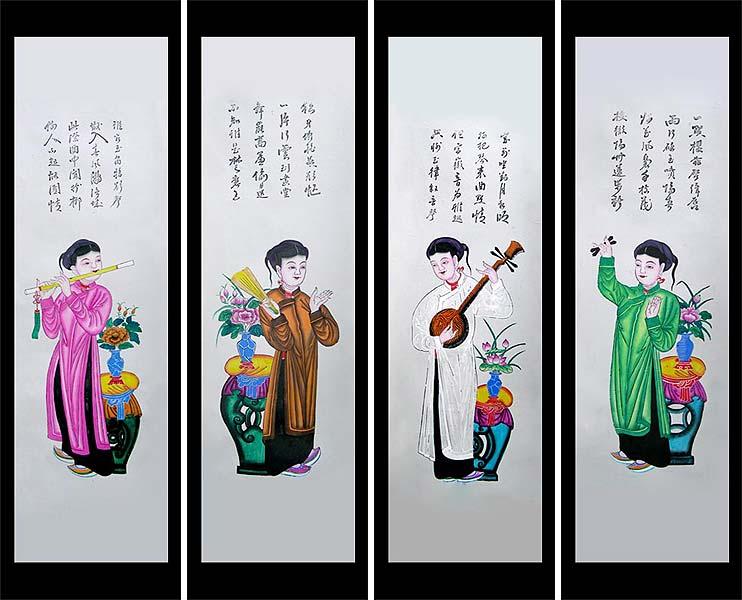 🇻🇳 Vietnam and 1 moreVietnamese folk religiontín ngưỡng dân gian Việt Nam
A collection of local spirit worship and ancestral veneration in VietnamTradition · Protection · Healing Living
🇻🇳 Vietnam and 1 moreVietnamese folk religiontín ngưỡng dân gian Việt Nam
A collection of local spirit worship and ancestral veneration in VietnamTradition · Protection · Healing Living