
Ex-voto
from Latin ex voto suscepto, meaning from the vow made
A gift left in a shrine to mark a vow kept or a miracle received
An ex-voto is a votive offering given to a saint or divinity in fulfillment of a vow or as an act of gratitude. The practice is most common in Christian traditions but has roots in ancient sites like Abydos.
- Term comes from Latin for 'from the vow made'
- Ancient roots at Abydos in Egypt
- Italian painted ex-votos began in the 1490s
- Mexican versions often use salvaged tin plates
- Montreal shrine displays hundreds of crutches
What it is
An ex-voto is a physical object left at a sacred site to show thanks for help received or to fulfill a promise made during a time of need. These offerings serve as public proof that a prayer was answered. They are most often associated with Christian worship but appear in other traditions too. The items range from simple tokens to elaborate artworks. They stand as permanent records of personal crisis and relief within religious spaces.
Where it comes from
The custom dates back to ancient times, with early examples found at sites like Abydos in Egypt. In the Christian world, the practice became widespread in Europe. Italian tradition saw a rise in painted ex-votos starting in the 1490s, likely inspired by small altarpiece panels. By the Renaissance, high-ranking officials in Venice commissioned grand portraits as thank-offerings for political success. Mexican folk art developed its own style using cheap tin plates.
How it is done
Worshippers leave the item at a church, chapel, or pilgrimage site. The object is placed where it can be seen by others, acting as a testament to divine intervention. Common forms include paintings of survived accidents, models of vehicles, or replicas of healed body parts. Crutches and braces are often hung on walls or grilles after a claimed healing. The act is usually done privately but the result is displayed publicly.
Tools and materials
Materials vary by region and wealth. Painted canvases are common in Italy and France. Mexican ex-votos are often painted on salvaged tin packaging. Other items include model ships, war medals, football shirts, and medical aids like crutches. Texts explaining the miracle may accompany the visual object. Symbols of the healed part are frequently used.
Ex-voto, drawn and placed
- Living
- Revived
- Fading
- Historical
- Legendary
- Performed
- Lineage
- Christian devotional practice
- Timing
- after survival of danger or illness
What it is for
People give these offerings to honor a deity or saint after surviving a dangerous event, such as a shipwreck or illness. They also serve to inspire faith in other visitors who see the collection. The items mark moments of crisis, journey, or recovery. They transform personal trauma into a permanent record of grace within the community's spiritual life.
Who does it
Ordinary people create and leave these offerings. Artists may paint them, but the intent comes from the layperson. In some cases, officials commission works for public buildings. The practice does not require special training, only a vow or a moment of gratitude. It crosses social classes, from peasants painting on tin to nobles commissioning oil paintings.
Peoples and places
The tradition is strong in Latin countries. Italy has thousands of pre-1600 examples. Mexico features vibrant folk art versions on metal. France shows marine and sports-related offerings. Montreal’s Saint Joseph’s Oratory displays hundreds of medical aids. The form adapts to local culture while keeping the core purpose of thanksgiving.
At a glance: who, where and when
Who does it
Belief worlds


What people believe
The practice rests on the belief that saints or divinities intervene in human affairs. Leaving the object acknowledges that the outcome was not due to chance alone. It reinforces the idea that prayers are heard and acted upon. The collection of items builds a communal history of miracles.
When it is done
Offerings are typically given after a specific event, such as recovering from sickness or surviving a voyage. There are no fixed festival days required for the act itself. However, they accumulate at shrines visited throughout the year. Pilgrimages often coincide with traditional holy days.
How scholars and sceptics see it
Historians view ex-votos as valuable records of daily life and popular religion. Anthropologists study them to understand how ordinary people interact with the divine. Medical historians examine the imagery to see how illness and injury were perceived in the past. The objects provide insight into folk art and regional aesthetics.
Cautions and what is closed
Some sites collect large volumes of items, which can pose storage challenges. The authenticity of claimed miracles is a matter of faith, not scientific proof. No specific dangers are inherent in the objects themselves, though some may carry historical or sentimental weight for donors.
Compare and confuse
Ex-votos are similar to milagros, small metal charms offered in Latin American traditions. They differ from general votive candles in their permanence and detail. While candles are consumed, ex-votos remain as lasting testimonies. The term is sometimes loosely applied to any religious gift, but strictly refers to vow fulfillment.
Questions people ask about Ex-voto
What is an ex-voto?
It is a votive offering left at a shrine to thank a saint or divinity for help received or to fulfill a vow made during a crisis.
Where did the tradition start?
The practice has ancient origins, with early examples found at Abydos in Egypt. It became widespread in Christian Europe during the Middle Ages and Renaissance.
What materials are used?
Materials vary by region. Italians use paintings, Mexicans often paint on tin, and French sites display model ships, medals, and even sports jerseys.
Good reading and sources
- Ex-voto on WikipediaEncyclopedia
- More photos on Wikimedia CommonsPhotos and video
- Wikidata recordOpen data
The facts on this page come from the Wikipedia article "Ex-voto", written by its contributors and used under the CC BY-SA 4.0 licence, and from its Wikidata record (CC0). EveryJaadu rewrote the text in its own words, with AI assistance, and compares every page with the article to make sure no passage is copied. It may be reused under the same CC BY-SA 4.0 licence with a link back.
It may contain mistakes. Names and customs differ from one community to the next, and some knowledge is closed to outsiders and left out here. This page describes belief and practice. It does not say that any of it works, it is not a how-to, and it is not medical advice. If something is wrong, tell us. Last refreshed 2026-10-05.
More from Egypt
All the entries from Egypt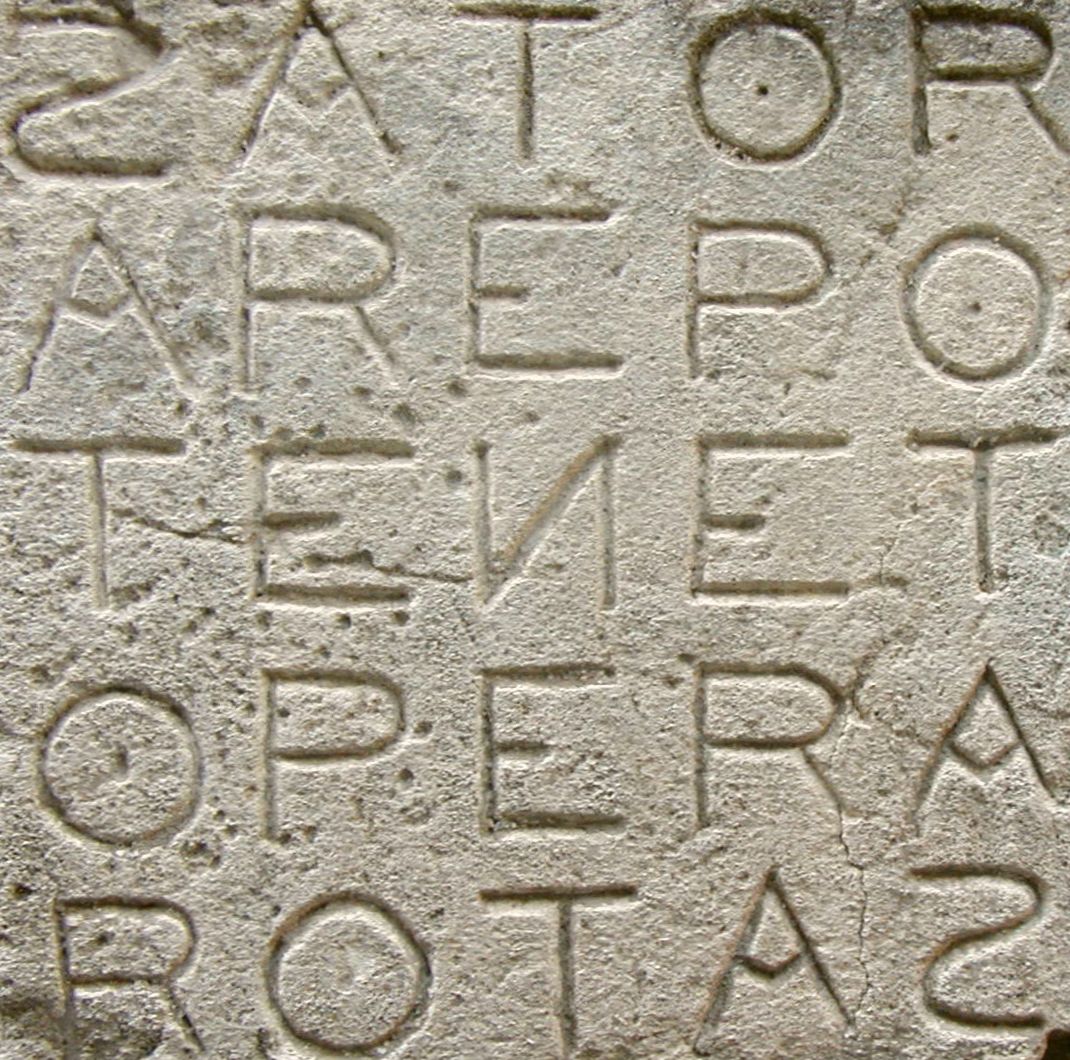 🇮🇹 Italy and 5 moreSator Square
A five-word Latin palindrome found in Roman ruins and medieval churchesCharm · Protection · Healing Historical
🇮🇹 Italy and 5 moreSator Square
A five-word Latin palindrome found in Roman ruins and medieval churchesCharm · Protection · Healing Historical
 🇪🇬 Egypt and 2 moreLibation
The ritual pouring of liquid as an offering to spirits or the deadRite · Speaking with spirits and the dead · Protection Living
🇪🇬 Egypt and 2 moreLibation
The ritual pouring of liquid as an offering to spirits or the deadRite · Speaking with spirits and the dead · Protection Living
 🇬🇧 United Kingdom and 5 moreAleister Crowley
English occultist and founder of the religion of ThelemaText · Power and authority · Change and initiation Living
🇬🇧 United Kingdom and 5 moreAleister Crowley
English occultist and founder of the religion of ThelemaText · Power and authority · Change and initiation Living
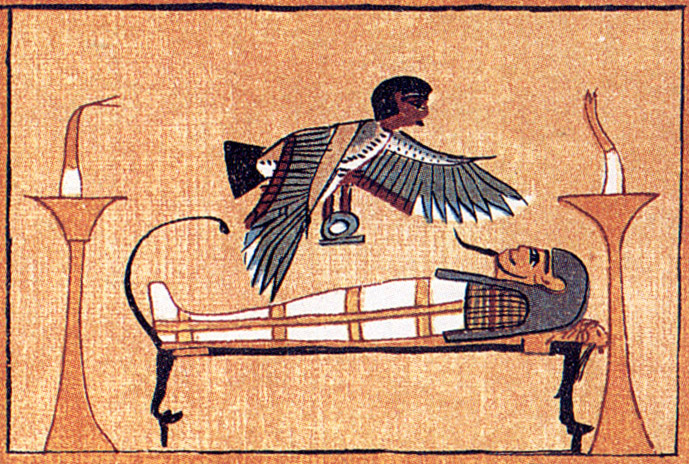 🇸🇪 Sweden and 1 moreSoul flight
A trance practice where the spirit leaves the body to visit other realmsRite · Healing · Seeing and foretelling Historical
🇸🇪 Sweden and 1 moreSoul flight
A trance practice where the spirit leaves the body to visit other realmsRite · Healing · Seeing and foretelling Historical
Related elsewhere
All charm 🇦🇷 Argentina and 2 moreSan La Muerte
A skeletal folk saint venerated in South America for protection and favorsTradition · Protection · Healing Living
🇦🇷 Argentina and 2 moreSan La Muerte
A skeletal folk saint venerated in South America for protection and favorsTradition · Protection · Healing Living
 🇺🇸 United States and 5 moreMojo bag
A cloth pouch holding charms for protection, luck, or love in the Hoodoo tradition.Charm · Protection · Healing Living
🇺🇸 United States and 5 moreMojo bag
A cloth pouch holding charms for protection, luck, or love in the Hoodoo tradition.Charm · Protection · Healing Living
 🇨🇳 China and 2 moreEight Immortals八仙
Eight legendary Taoist figures of China, each with a power and a vesselFigure · Protection · Healing Living
🇨🇳 China and 2 moreEight Immortals八仙
Eight legendary Taoist figures of China, each with a power and a vesselFigure · Protection · Healing Living
 🇨🇳 ChinaZhang Guolao张果老
A Taoist immortal known for his white donkey and fish drum, said to be a bat spirit.Figure · Protection · Luck and prosperity Legendary
🇨🇳 ChinaZhang Guolao张果老
A Taoist immortal known for his white donkey and fish drum, said to be a bat spirit.Figure · Protection · Luck and prosperity Legendary