Healing
Folk and spiritual healing, said as tradition and never as medical advice.
Traditional healing joins remedy, ritual and relationship. Healers of many kinds are said to treat the body, the family and the spirit together: the curandero in Mexico and the Andes, the sangoma in southern Africa, the hakim in the Islamic world, the Ayurvedic vaidya, the Korean mudang and the Siberian shaman. This page describes these as traditions, not as medical advice. Illness needs real medical care. Healing is also the intent most often exploited, so the page states its limits plainly.
How tradition frames illness
Many traditions treat illness as a matter of balance, relationship or disturbance, not only of the body. A sickness may be linked to an offended ancestor, a broken taboo, soul loss, envy, or a spirit. Treatment therefore includes consultation, confession, offerings, cleansing and a family gathering. Healers describe the aim as restoring a person's place in the community. Examples include the sweating, singing and plant rites of the Americas, the chanting and massage of Southeast Asia, and the Ayurvedic and Unani systems of South Asia, each with its own theory and texts.
Healers and training
Healers are called, apprenticed or hereditary. A sangoma is described as called by ancestors, often after an illness, and trained under a senior. In many places, healers are women, midwives and elders, whose standing does not come from a licensed degree. Governments have set up registers: South Africa recognised traditional health practitioners by law in 2007, and India supports Ayurveda through its AYUSH ministry. The ritual side is often described as being as important as the remedy, since attention, ceremony and support from family are part of the experience.
Working with medicine
Many people use traditional and clinical care side by side. Some healers refer patients to clinics and some campaigns in Africa have trained them to do so. Problems arise when ritual replaces treatment: delayed care for serious illness, harmful substances, and bans on medicine have cost lives. The World Health Organization supports research on traditional medicine while insisting on evidence for safety and effect. Patients also say the healer sat with them for hours, gave time and attention, and spoke the local language, which busy clinics may not manage.
Fraud and abuse
Fake healers exist everywhere: sellers of miracle cures, practitioners who charge to remove a curse, and exorcists who beat or starve people with mental illness. In several countries the courts have prosecuted deaths during exorcism. Scholars separate what communities value in healing, such as attention and meaning, from claims about cure, which should be tested. None of this removes the need to see a doctor for serious or lasting symptoms, and people should not stop prescribed treatment because of a ritual or a remedy.
Healing on EveryJaadu
The entries written up so far, best known first.
 🇫🇷 FranceHoly GrailSaint Graal
A cup or stone from Arthurian legend with miraculous powersFigure · Healing · Luck and prosperity Legendary
 🇮🇳 India and 5 moreFountain of Youth
A legendary spring said to reverse aging and cure illness, appearing in myths across the world.Belief · Healing · Change and initiation Legendary
 🇨🇳 ChinaHe Xiangu何仙姑
A female immortal from Chinese Taoist legend known for divination and lotus magicFigure · Seeing and foretelling · Healing Legendary
 🇫🇷 France and 4 moreMorgan le FayFée Morgane
An Arthurian enchantress known for her shifting role as healer and adversaryFigure · Healing · Cursing and harm Legendary
🇭🇺 HungaryTáltos
A Hungarian mythic figure with supernatural powers who acts as a spiritual mediator.Being · Healing · Seeing and foretelling Legendary
 🇭🇷 Croatia and 5 moreVilavila (Serbian: вила), víla (Bulgarian: ви́ла)
Slavic nature spirits known for healing, storms, and deadly dancesBeing · Protection · Cursing and harm Legendary
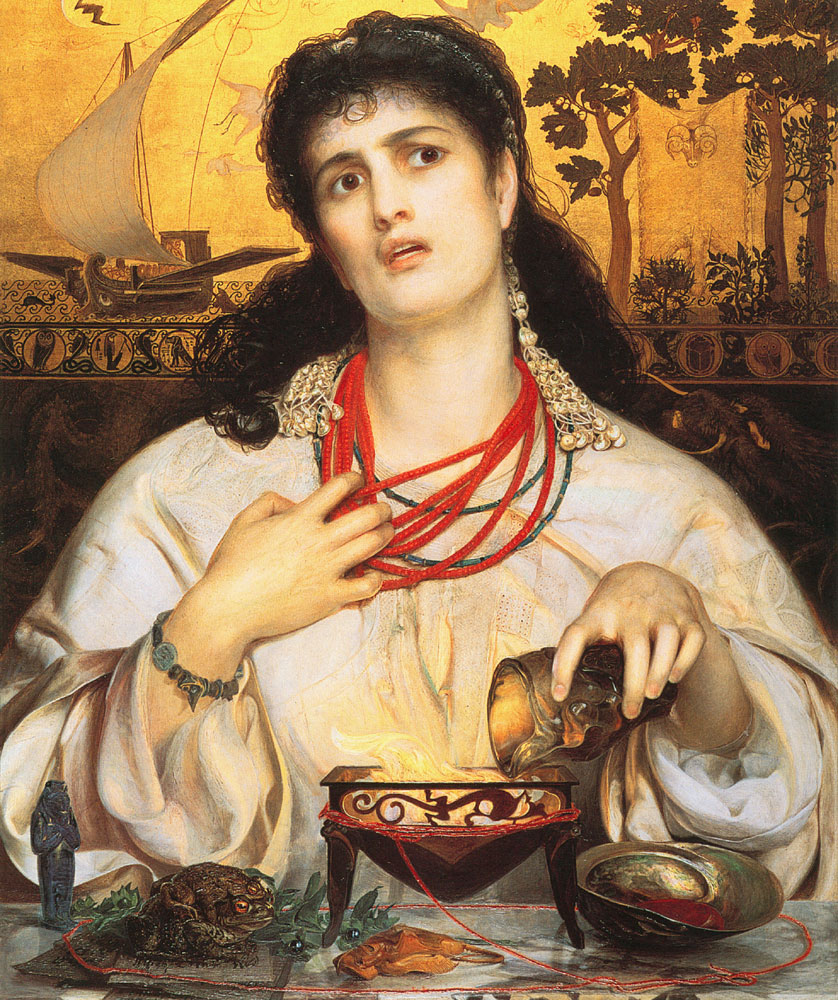 🇬🇷 GreeceMedeaΜήδεια
A sorceress and princess of Colchis who aids Jason and uses magic for revenge.Figure · Cursing and harm · Healing Legendary
🇺🇦 Ukraine and 1 moreVedmakвядзьмак
A Slavic male warlock or witch with shamanic roots and shape-shifting powersBeing · Healing · Cursing and harm Legendary
🇦🇲 ArmeniaAralēzարալէզ
Winged dog-like spirits in Armenian mythology that revive fallen heroesBeing · Healing Legendary
 🇺🇸 United States and 1 moreSpider GrandmotherKokyangwuti
An ancestral spirit and creator who guides mortals, protects homes, and teaches weavingFigure · Protection · Healing Legendary
 🇮🇹 ItalyAnguane
Cloven-footed water nymphs from Northern Italian folklore who nurse infants with their backs.Being · Love and attraction · Healing Legendary
🇮🇩 IndonesiaAbada
A two-horned mythical beast from Central African and Southeast Asian loreBeing · Healing · Luck and prosperity Legendary
 🇦🇹 Austria and 3 moreSalige Frau
A blissful Alpine spirit who guides farmers and guards mountain gameFigure · Protection · Healing Legendary
 🇻🇳 VietnamÂu Cơ甌姬
The mountain immortal whose hundred children are ancestors of the VietnameseFigure · Healing Legendary
 🇬🇷 GreeceBranchusΒράγχος
A mortal lover of Apollo who became a prophet and founded an oracle cult in ancient Greece.Figure · Seeing and foretelling · Healing Legendary
 🇷🇺 Russia and 2 moreAlatyrАлатырь
A sacred mythological stone in Russian folklore, said to be the center of the world.Figure · Healing · Power and authority Legendary
🇹🇹 Trinidad and Tobago and 2 moreMama D'Leau
A river spirit of the Caribbean islands who protects aquatic life and heals people.Being · Healing · Protection Legendary
🇮🇪 IrelandGoibniuGaibhne
The smith of Irish myth who forged weapons and a silver armBeing · Protection · Healing Legendary
 🇨🇿 Czech Republic and 1 moreRübezahl
A mountain spirit of the Giant Mountains, kindly to some and vengeful to othersBeing · Protection · Healing Legendary
 🇺🇦 UkraineMolfarмольфар
A Carpathian folk healer and magician blending pagan and Christian traditionsBeing · Healing · Seeing and foretelling Legendary
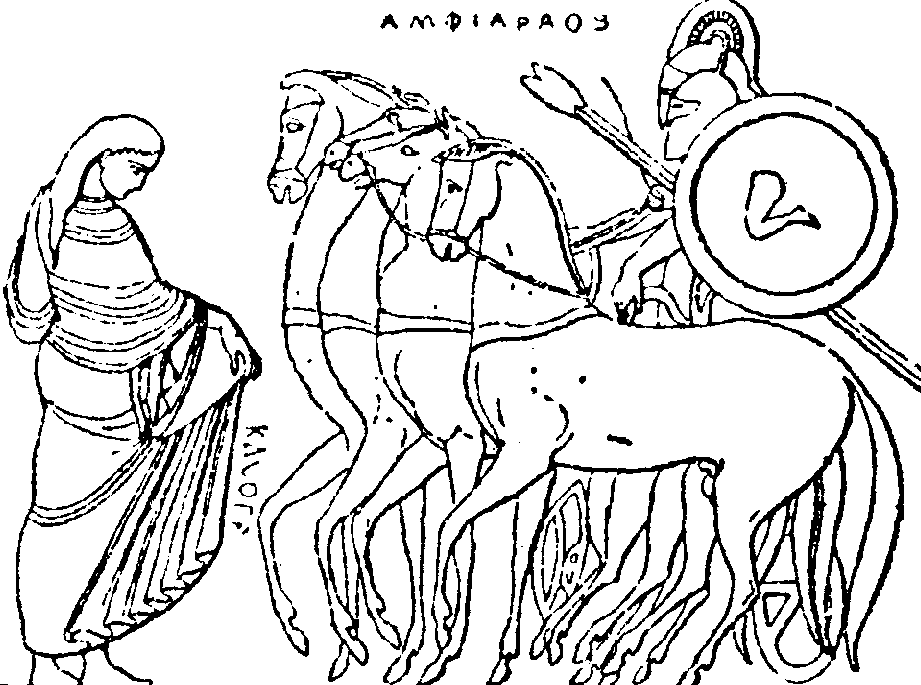 🇬🇷 Greece and 1 moreAmphiarausἈμφιάραος
A Greek seer and hero who became a healing oracle after being swallowed by the earth.Figure · Healing · Seeing and foretelling Legendary
🇯🇵 JapanŌnyūdō大僧正
A giant monk spirit in Japanese folklore, ranging from helpful helpers to menacing shadows.Being · Cursing and harm · Healing Legendary
🇨🇳 China and 1 morePenghou彭侯
A dog-like tree spirit of Chinese legend, said to live inside old treesBeing · Healing Legendary
🇮🇪 IrelandAirmed
Irish goddess of healing plants, whose sorted herbs were scattered by envyFigure · Healing Legendary
 🇮🇪 IrelandNuada AirgetlámNúadu
An Irish mythic king who lost a hand, then ruled again with a silver oneFigure · Power and authority · Healing Legendary
🇯🇵 JapanJubokko樹木子
A blood-drinking yōkai tree from Japanese folklore that mimics ordinary wood.Being · Cursing and harm · Healing Legendary
🇪🇸 SpainRamidreju
A green-furred, weasel-like being of Cantabrian folklore, said to be born once a centuryBeing · Healing Legendary
 🇷🇺 RussiaAlkonostАлконост
A woman-faced bird of Russian folklore whose song makes listeners forget everythingBeing · Seeing and foretelling · Healing Legendary
🇯🇵 JapanMintuciミントゥチ
A water spirit of Ainu tales: bringer of the catch and the hunt, and of drownings.Being · Luck and prosperity · Protection Legendary
🇹🇷 Turkey and 3 moreYel iyesiҪил ийи (Chuvash), Тыал иччи (Yakut)
A Turkic wind spirit and its divine parents, known for healing and fierce power.Being · Healing · Seeing and foretelling Legendary
Photo credits on this page
The small pictures above come from Wikimedia Commons under free licences. Some are cropped to fit.
- Fountain of Youth: Lucas Cranach the Elder, Public domain, source
- Nuada Airgetlám: Andreas F. Borchert, CC BY-SA 4.0, source
- Salige Frau: various, Public domain, source
- He Xiangu: Zhang Lu, Public domain, source
- Alkonost: Viktor Vasnetsov, Public domain, source
- Âu Cơ: Prenn, CC BY-SA 3.0, source
- Nanteos Cup: Photographed by the National Library of Wales, CC0, source
- Branchus: Francesco Bini, CC BY-SA 4.0, source
- Alatyr: М. Порсина (M. Porsina), CC BY-SA 4.0, source
- Rübezahl: User:Antosh, CC BY-SA 4.0, source
- Anguane: Elena Alexandrina Bednarik, Public domain, source
- Morgan le Fay: Frederick Sandys, Public domain, source
- Molfar: Ніна Бурневіч, CC BY-SA 4.0, source
- Spider Grandmother: Navajo artist, Public domain, source
- Vila: Scan by NYPL, Public domain, source
- Amphiaraus: Unknown author, Public domain, source
- Medea: Frederick Sandys, Public domain, source