
Amber
from Arabic ʿanbar, originally referring to ambergris
Fossilized tree resin used in jewelry and folk healing traditions
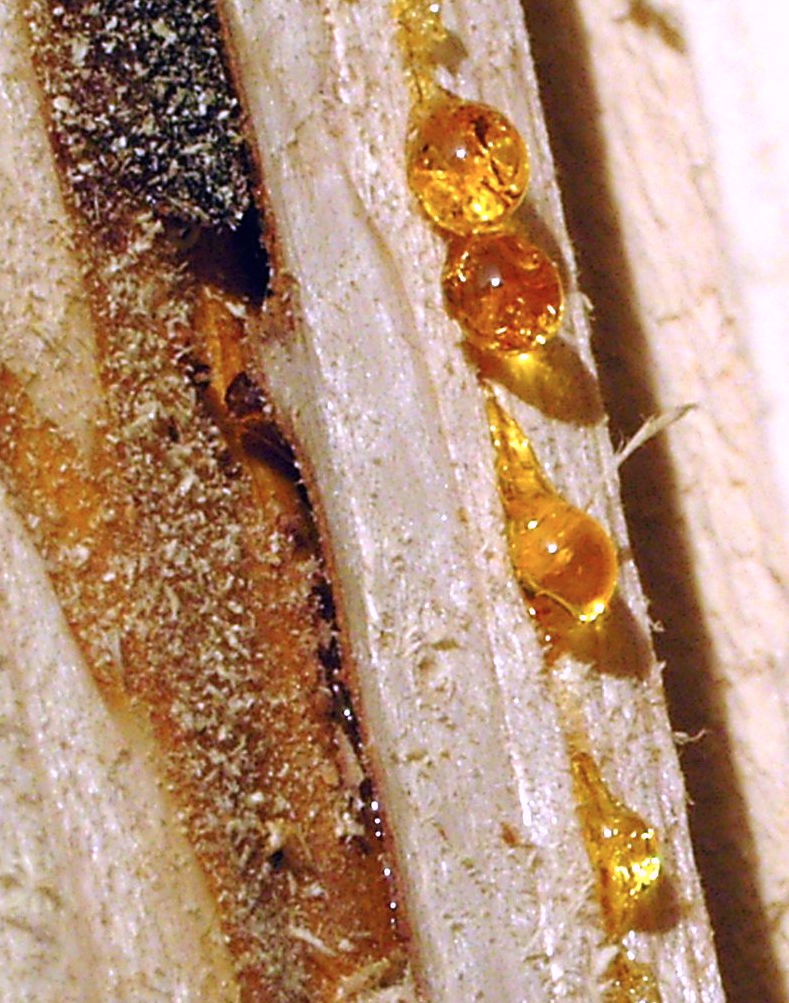
Amber is fossilized tree resin that has been valued for its warm colors since the Neolithic period. It serves as a gemstone and a material in folk medicine across various cultures.
- Amber is fossilized tree resin valued since Neolithic times
- The word originally meant ambergris from sperm whales
- Baltic regions supply about ninety percent of global amber
- It attracts light objects due to static electricity
- Used in folk medicine and jewelry across many cultures
What it is
Amber is fossilized tree resin that has been appreciated for its natural beauty since Neolithic times. It is worked as a gemstone and used in jewelry. It is also used as a healing agent in folk medicine traditions around the world.
Where it comes from
The English word derives from Arabic ʿanbar via Middle Persian and Latin. It originally referred to ambergris from sperm whales. The sense shifted to Baltic fossil resin by the late thirteenth century. Ancient Greeks called it elektron, linking it to the sun. Pliny the Elder recorded trade routes from the Baltic to the Mediterranean known as the Amber Road.
How it is done
Pieces torn from the seafloor are collected by hand or diving. In other regions, mining involves open works or underground galleries. Nodules of blue earth are removed, and opaque crusts are cleaned in revolving barrels with sand and water. Dominican amber uses bell pitting, while Ukrainian deposits face illegal extraction methods.
Tools and materials
Amber is often set in jewelry settings. Historically, it was used for smoking pipes in Vienna factories. It is turned on a lathe and polished with whitening, water, or rotten stone. Pressed amber, or ambroid, is formed by heating fragments and compressing them under hydraulic pressure for cheap jewelry.
Amber, drawn and placed
- Living
- Revived
- Fading
- Historical
- Legendary
- Performed
- Lineage
- organic gemstone tradition
What it is for
People use amber for protection and healing in folk medicine. Its warm colors make it a popular gemstone for adornment. The ancient Greeks noted its ability to attract light materials due to static electricity. It serves as a symbol of the sun in mythological contexts.
Who does it
Folk healers incorporate it into remedies. Miners extract it from coastal deposits or inland seams. The practice involves skilled polishing and setting techniques passed down through generations.
Peoples and places
Baltic peoples have long traded amber along established routes. Romans imported it from the southern Baltic shores. Chinese records document its use dating back to two hundred BCE. Modern sources include Myanmar and the Dominican Republic, where local communities engage in mining.
At a glance: who, where and when
Who does it
Belief worlds



What people believe
Ancient myths linked amber to the tears of poplar trees mourning Phaëton. The Greeks associated it with the beaming sun. Its electrostatic properties were noted in antiquity. Some believed it held the essence of tree sap hardened over millennia.
How scholars and sceptics see it
Scientists classify amber based on chemical constituents and polymerization. Researchers study its formation from copal under heat and pressure. Anthropologists trace historical trade networks like the Amber Road. Geologists analyze its distribution in Cretaceous rocks worldwide.
Cautions and what is closed
Mining in some regions poses safety risks due to tunnel collapse. Illegal extraction causes environmental damage and funds conflict. Impure amber may contain harmful substances if not processed correctly. Imitations like copal or glass can deceive buyers.
Compare and confuse
Amber is distinct from ambergris, which comes from whales. It differs from jet, which is a type of coal. Copal is a younger, less fossilized resin. Resinite refers to amber found in coal seams.
Questions people ask about Amber
What is amber?
Amber is fossilized tree resin that has hardened over millions of years. It is prized for its warm colors and is used in jewelry and folk healing traditions.
Where does the name come from?
The English word derives from Arabic ʿanbar. It originally referred to ambergris from whales before shifting to mean fossilized tree resin in European languages.
Is amber a gemstone?
Yes, amber is classified as an organic gemstone. It has been worked into ornaments since classical antiquity and remains popular in modern jewelry.
Why is it important historically?
Amber was a valuable trade commodity along the Amber Road connecting the Baltic to the Mediterranean. It held cultural and economic significance for ancient civilizations.
Good reading and sources
- Encyclopaedia BritannicaArticle
- The Dramatic Impact of Illegal Amber Mining in Ukraine’s Wild WestNational Geographic, Article
- A Fossilized Blood-Engorged Mosquito Is Found For the First Time EverSmithsonian Magazine, Article
- Amber on WikipediaEncyclopedia
- More photos on Wikimedia CommonsPhotos and video
- Wikidata recordOpen data
The facts on this page come from the Wikipedia article "Amber", written by its contributors and used under the CC BY-SA 4.0 licence, and from its Wikidata record (CC0). EveryJaadu rewrote the text in its own words, with AI assistance, and compares every page with the article to make sure no passage is copied. It may be reused under the same CC BY-SA 4.0 licence with a link back.
It may contain mistakes. Names and customs differ from one community to the next, and some knowledge is closed to outsiders and left out here. This page describes belief and practice. It does not say that any of it works, it is not a how-to, and it is not medical advice. If something is wrong, tell us. Last refreshed 2026-10-05.
More from Russia
All the entries from Russia 🇷🇸 Serbia and 5 moreVampire
An undead creature from folklore that feeds on the blood or life force of the livingBeing · Cursing and harm · Luck and prosperity Legendary
🇷🇸 Serbia and 5 moreVampire
An undead creature from folklore that feeds on the blood or life force of the livingBeing · Cursing and harm · Luck and prosperity Legendary
 🇷🇺 Russia and 2 moreCaul
A birth membrane kept as a talisman for luck and protection from drowningCharm · Protection · Luck and prosperity Historical
🇷🇺 Russia and 2 moreCaul
A birth membrane kept as a talisman for luck and protection from drowningCharm · Protection · Luck and prosperity Historical
 🇫🇷 France and 5 moreJean Eugène Robert-HoudinJean-Eugène Robert-Houdin
A French clockmaker who elevated stage magic into a refined theatrical art.Illusion · Wonder and entertainment Historical
🇫🇷 France and 5 moreJean Eugène Robert-HoudinJean-Eugène Robert-Houdin
A French clockmaker who elevated stage magic into a refined theatrical art.Illusion · Wonder and entertainment Historical
 🇷🇺 RussiaBlack magic
Magic traditionally defined by malevolent intent and selfish purposesBelief · Cursing and harm Historical
🇷🇺 RussiaBlack magic
Magic traditionally defined by malevolent intent and selfish purposesBelief · Cursing and harm Historical
Related elsewhere
All substance 🇨🇳 ChinaZhang Guolao张果老
A Taoist immortal known for his white donkey and fish drum, said to be a bat spirit.Figure · Protection · Luck and prosperity Legendary
🇨🇳 ChinaZhang Guolao张果老
A Taoist immortal known for his white donkey and fish drum, said to be a bat spirit.Figure · Protection · Luck and prosperity Legendary
 🇦🇷 Argentina and 2 moreSan La Muerte
A skeletal folk saint venerated in South America for protection and favorsTradition · Protection · Healing Living
🇦🇷 Argentina and 2 moreSan La Muerte
A skeletal folk saint venerated in South America for protection and favorsTradition · Protection · Healing Living
 🇺🇸 United States and 5 moreMojo bag
A cloth pouch holding charms for protection, luck, or love in the Hoodoo tradition.Charm · Protection · Healing Living
🇺🇸 United States and 5 moreMojo bag
A cloth pouch holding charms for protection, luck, or love in the Hoodoo tradition.Charm · Protection · Healing Living
 🇰🇷 South Korea and 1 moreKorean shamanismKorean shamanism (Korean: Korean shamanism)
A traditional practice of ritual specialists who mediate between the human and spirit worlds.Tradition · Healing · Protection Living
🇰🇷 South Korea and 1 moreKorean shamanismKorean shamanism (Korean: Korean shamanism)
A traditional practice of ritual specialists who mediate between the human and spirit worlds.Tradition · Healing · Protection Living