
Navajo medicine
Traditional healing practices of the Navajo people focused on restoring harmony
Navajo medicine is a system of traditional healing used by the Indigenous Navajo people to restore balance and harmony. It combines herbal remedies, ceremonies, and spiritual guidance with modern Western medical care.
- Illness is viewed as a disruption of harmony
- Medicine men are called Hatááłii
- Sand paintings are destroyed after ceremonies
- Approximately 450 plant species are used
- Hand tremblers diagnose by tracing symbols
What it is
Navajo medicine is a traditional healing system practiced by the Navajo people in the United States. It views health as a state of balance and harmony with the universe. Illness is seen as a disruption caused by taboos, spirits, or negative forces. The goal is to restore order through rituals and natural remedies. This practice coexists with Western medicine in the Navajo Nation. It is deeply tied to religious beliefs and spiritual forces. Healers act as facilitators to transfer power from the Holy People to patients. The system includes various roles such as singers and diagnosticians. It has evolved over thousands of years to include modern healthcare options.
Where it comes from
The practice dates back thousands of years as a primary source of healing for the Navajo. It is rooted in Indigenous American traditions and spiritual beliefs. The concept of hózhǫ́ represents harmony and balance. Its opposite, hóchxǫ́, represents chaos and sickness. These ideologies explain how personal actions affect health. The tradition has adapted to include contemporary medicine. Western hospitals and clinics were established on the reservation over the last century. This integration allows both systems to function together. The spiritual significance of healing remains central to the culture.
How it is done
Healing involves specific ceremonies performed by trained practitioners. Medicine men, known as Hatááłii, lead these rituals. They use songs, prayers, and herbal mixtures. Sand paintings are created using crushed minerals and plants to transfer strength. These paintings are destroyed after the ceremony. Hand tremblers diagnose illnesses by tracing symbols in the dirt. Patients may undergo purging with herbal teas or yucca root baths. The Blessing Way promotes health and prosperity. The Enemy Way removes negativity and ghosts. The Night Way lasts nine days and includes sweat baths. Healing occurs within a ceremonial hogan. Payment is often made in sheep or money.
Tools and materials
Practitioners use approximately 450 plant species for medicinal purposes. Common herbs include sagebrush, wild buckwheat, and juniper ash. Medicine bundles, called jish, contain necessary items for ceremonies. Sand paintings use colorful crushed minerals and plants. Herbal teas are prepared for patients to drink. Yucca root sud baths are used for purification. Songs and chants accompany all distributions of herbs. Prayers are offered to neighboring plants when harvesting. The tools serve to connect the patient with spiritual forces. They facilitate the restoration of balance and harmony.
Navajo medicine, drawn and placed
- Living
- Revived
- Fading
- Historical
- Legendary
- Performed
- Lineage
- Indigenous American healing
- Timing
- during illness or for health promotion
What it is for
The primary purpose is to heal illness and restore harmony. Illness is believed to result from disrupted balance. Causes include taboo transgression, accidents, or malevolent entities. Witches and shape-shifters are thought to cause harm. Ghosts, or chindi, can bring ghost sickness. Healers aim to remove these negative influences. The Blessing Way rite promotes good health and prosperity. It resembles the actions of the Holy People in creation. Healing addresses mental and physical consequences of imbalance. It reinforces the need for balance in daily life. The practice supports the community's spiritual well-being.
Who does it
Medicine men, or Hatááłii, are traditional healers. They train as apprentices to older practicing singers. Apprentices assemble medicine bundles and assist teachers. Learning chants requires great time and effort. Songs are passed down orally in the Navajo language. Healers transfer power from the Holy People to patients. Women can also serve as healers in this practice. Hand tremblers act as medical diagnosticians. They draw on divine power received from the Gila monster. Diagnosis involves tracing symbols while holding a trembling arm. Practitioners receive payment in sheep or monetary compensation.
Peoples and places
Navajo medicine is practiced by the Indigenous Navajo people. It is primarily found in the United States, specifically the Navajo Nation. The tradition has influenced local medical self-determination. Communities like Rough Rock and Ganado administer their own health services. The Navajo Health Systems Agency was created in 1975. This agency is unique among American Indian groups. The practice respects botanical conservation during herb collection. Migrant plant spores have made herb gathering more difficult recently. The tradition continues to evolve alongside Western medicine.
At a glance: who, where and when
Who does it
Peoples
Belief worlds
Occasions
What people believe
Health is ingrained in supernatural forces and universal balance. The principle of hózhǫ́ represents harmony and order. Hóchxǫ́ represents chaos and sickness. Breaking taboos acts against principles devised by the Holy People. Illness can result from improper animal contact or ceremony. Malignant entities like witches and skin-walkers cause harm. Chindi ghosts can lead to death through ghost sickness. Accidents and lack of judgment also cause injury. Healers facilitate the transfer of power from the Holy People. The spiritual significance sets this tradition apart from Western medicine.
When it is done
Ceremonies are performed according to specific patient situations. The Blessing Way is used for pregnant women and general health. The Enemy Way is an exorcism for removing negativity. The Night Way takes place over nine days. Each day involves cleansing exercises and sand painting. The final day includes inhaling the breath of dawn. Herbs are collected for treatment of minor illnesses. Distribution of herbs is accompanied by spiritual chanting. Prayers are offered to plants during harvesting. The timing depends on the nature of the illness.
How scholars and sceptics see it
Anthropologists study Navajo medicine as a form of shamanism. It reflects cultural ideologies about health and balance. The practice demonstrates the coexistence of traditional and Western medicine. Federal reports like the Meriam Report influenced healthcare policies. The Indian Health Care Improvement Act of 1976 aided self-determination. Scholars note the activism for traditional medical preservation. The integration of Western medicine complicates hospital experiences. Language barriers and cross-cultural tensions persist. Researchers examine the role of native people in medical institutions.
Cautions and what is closed
Witchcraft is believed to cause harm through spiritual power. Shape-shifters intend to acquire wealth and seduce lovers. Negative medicine practitioners use ceremony to harm enemies. Ghost sickness brought by chindi can lead to death. Taboo transgression disrupts personal harmony. Improper animal contact can cause illness. Accidents and lack of judgment result in injury. The practice does not offer medical advice for illness. Herbal remedies are part of traditional belief only. Purging methods are used for bodily cleanliness.
Compare and confuse
Navajo medicine is distinct from Western medical procedures. It focuses on spiritual balance rather than biological causes. Shamanism is a key component of its structure. Other American Indian practitioners rely on visions and personal powers. Navajo healers act as facilitators of external power. The practice shares similarities with other Indigenous healing systems. However, it is unique to the Navajo culture. The term hatááłii refers specifically to Navajo medicine men. Hand tremblers provide diagnostic services unique to this tradition.
Law and persecution
Federal commitment to Indian health care increased under the New Deal. The Bureau of Indian Affairs expanded medical divisions. Post World War II conservatives resented government-funded healthcare. The Kennedy and Johnson administrations provided funding for the Division of Indian Health. The Indian Health Service faced challenges of being underfunded. The Indian Health Care Improvement Act of 1976 promoted self-determination. Local communities administered their own medical facilities. The Navajo Health Systems Agency was created in 1975. Legal status allows for autonomous administration of health services.
Rites that involve Navajo medicine
Questions people ask about Navajo medicine
What is Navajo medicine?
It is a traditional healing system of the Navajo people that restores balance and harmony. It uses ceremonies, herbs, and spiritual guidance to treat illness caused by disrupted order.
Who performs Navajo healing rituals?
Medicine men, known as Hatááłii, perform healing ceremonies. They train as apprentices and learn chants orally. Women can also serve as healers in this practice.
How is illness explained in this tradition?
Illness results from disrupted harmony due to taboos, spirits, or negative forces. Witches, shape-shifters, and ghosts are believed to cause harm. Accidents and lack of judgment also contribute to injury.
What tools are used in healing?
Practitioners use herbs, sand paintings, and medicine bundles. Sand paintings are made with crushed minerals and plants. Herbal teas and yucca root baths aid purification.
Good reading and sources
The facts on this page come from the Wikipedia article "Navajo medicine", written by its contributors and used under the CC BY-SA 4.0 licence, and from its Wikidata record (CC0). EveryJaadu rewrote the text in its own words, with AI assistance, and compares every page with the article to make sure no passage is copied. It may be reused under the same CC BY-SA 4.0 licence with a link back.
It may contain mistakes. Names and customs differ from one community to the next, and some knowledge is closed to outsiders and left out here. This page describes belief and practice. It does not say that any of it works, it is not a how-to, and it is not medical advice. If something is wrong, tell us. Last refreshed 2026-10-05.
More from the United States
All the entries from the United States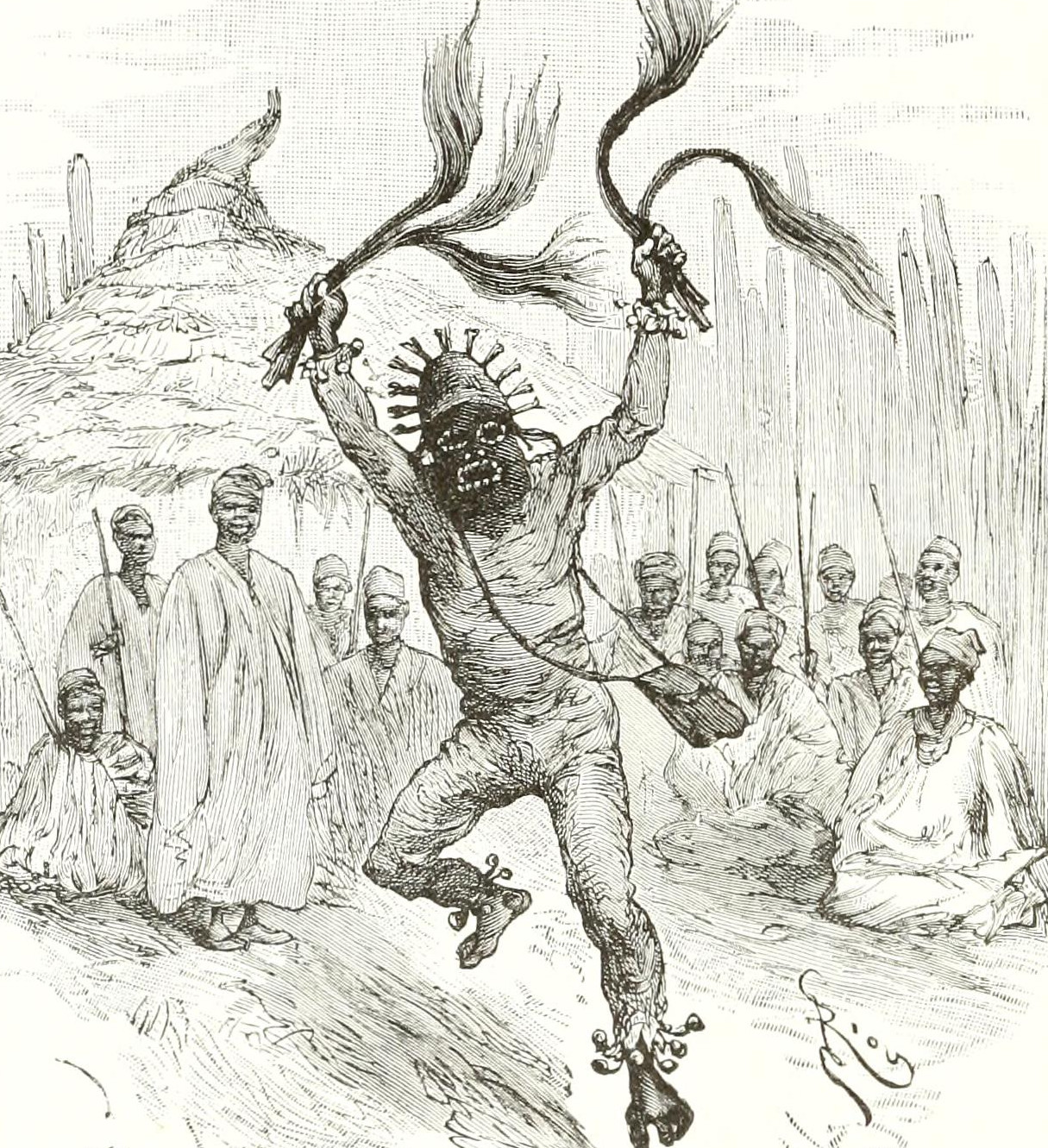 🇺🇸 United States and 2 moreLouisiana Voodoo
An African diasporic religion practiced in Louisiana from the 18th to early 20th centuriesTradition · Healing · Protection Historical
🇺🇸 United States and 2 moreLouisiana Voodoo
An African diasporic religion practiced in Louisiana from the 18th to early 20th centuriesTradition · Healing · Protection Historical
 🇺🇸 United States and 3 moreMediumship
The practice of mediating communication between the living and spirits of the dead.Tradition · Speaking with spirits and the dead Living
🇺🇸 United States and 3 moreMediumship
The practice of mediating communication between the living and spirits of the dead.Tradition · Speaking with spirits and the dead Living
 🇺🇸 United StatesFolk healer
An unlicensed community member who provides healing care using local plants and traditional knowledge.Tradition · Healing · Protection Historical
🇺🇸 United StatesFolk healer
An unlicensed community member who provides healing care using local plants and traditional knowledge.Tradition · Healing · Protection Historical
 🇺🇸 United States and 4 moreRainmaking
Efforts to induce rain through technology, ritual, or prayer.Tradition · Protection · Healing Living
🇺🇸 United States and 4 moreRainmaking
Efforts to induce rain through technology, ritual, or prayer.Tradition · Protection · Healing Living
Related elsewhere
All tradition 🇸🇳 Senegal and 1 moreSerer religionA ƭat Roog
The traditional faith of the Serer people, centred on the supreme deity Roog and ancestral veneration.Tradition · Protection · Speaking with spirits and the dead Living
🇸🇳 Senegal and 1 moreSerer religionA ƭat Roog
The traditional faith of the Serer people, centred on the supreme deity Roog and ancestral veneration.Tradition · Protection · Speaking with spirits and the dead Living
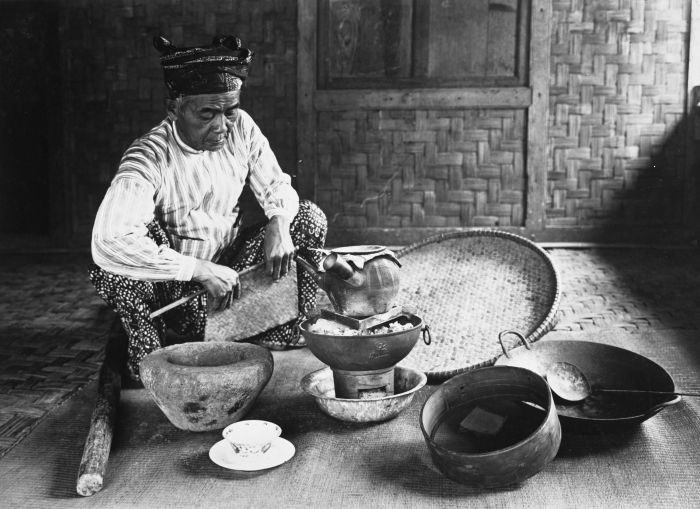 🇮🇩 Indonesia and 2 moreDukun
A traditional healer and spirit medium in Indonesian folk practiceTradition · Healing · Seeing and foretelling Living
🇮🇩 Indonesia and 2 moreDukun
A traditional healer and spirit medium in Indonesian folk practiceTradition · Healing · Seeing and foretelling Living
 🇨🇳 China and 5 moreGuanyin觀音 (Guānyīn)
The Bodhisattva of compassion, worshipped across East Asia as a listener to human sufferingBeing · Protection · Healing Living
🇨🇳 China and 5 moreGuanyin觀音 (Guānyīn)
The Bodhisattva of compassion, worshipped across East Asia as a listener to human sufferingBeing · Protection · Healing Living
 🇮🇶 Iraq and 5 moreGrimoire
A textbook containing instructions for spells, rituals, and the creation of magical objects.Text · Protection · Healing Historical
🇮🇶 Iraq and 5 moreGrimoire
A textbook containing instructions for spells, rituals, and the creation of magical objects.Text · Protection · Healing Historical