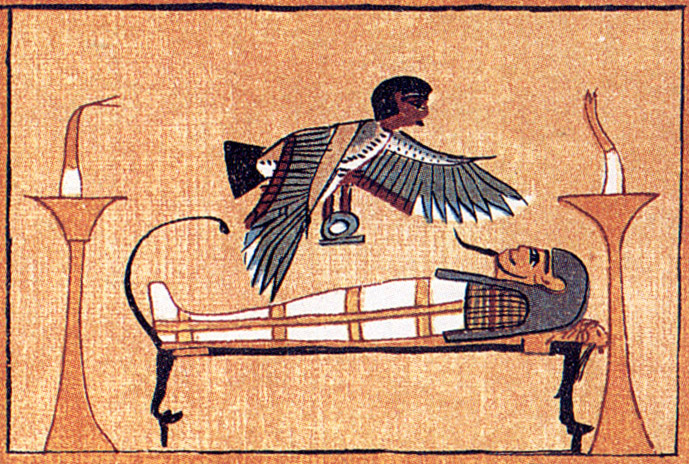
Soul flight is a shamanic technique used to enter an ecstatic trance. Practitioners believe their soul travels through spiritual worlds to heal, foresee events, or speak with spirits.
- Soul flight is a shamanic trance technique.
- Believed to allow travel to spiritual realms.
- Used for healing, divination, and spirit communication.
- Rooted in Paleolithic hunter-gatherer traditions.
- Influenced Greek philosophical views on the soul.
What it is
This practice involves entering a deep trance state to achieve ecstasy. Shamans use this altered consciousness to separate their spirit from their physical form. They believe the soul then travels to different spiritual realms. These journeys allow interaction with divine beings or ancestors. The movement often follows a vertical path through a central axis connecting the earth to higher and lower worlds.
Where it comes from
The roots of this custom stretch back to Paleolithic hunter-gatherer societies. Anthropologists suggest it may be the oldest human profession. Early shamans used visible transformations during rituals to prove they could influence unpredictable natural forces. This display built trust within the community by demonstrating communication with invisible powers.
How it is done
The practitioner enters a trance through specific techniques. Some become shamans via hereditary lines or personal quests involving illness and crisis. Others receive spontaneous calls. Training includes learning traditional knowledge from elders and receiving ecstatic teachings through dreams. The journey itself involves descending into dark underworlds or ascending to heavenly upper worlds.
Tools and materials
No physical tools are required for the internal journey. The concept relies on a three-storied cosmology. This worldview divides reality into the middle earth, a benevolent upper world, and a gloomy underworld filled with ancestral spirits. The axis mundi serves as the symbolic pathway between these layers.
Soul flight, drawn and placed
- Living
- Revived
- Fading
- Historical
- Legendary
- Performed
- Lineage
- Shamanism
What it is for
Shamans perform these journeys to serve their communities. Beliefs include using the travel to heal illnesses or provide protection. It is also used for divination and clairvoyance. Practitioners act as mediators between humans and gods. They may interpret dreams or escort deceased souls to the afterlife.
Who does it
Shamans are chosen through various paths. Some experience a crisis interpreted as personal death. Others inherit the role or undergo a rigorous initiation. Initiation requires both traditional instruction and ecstatic visions. The process transforms their identity, symbolizing a rebirth through the metaphor of the soul's flight.
Peoples and places
The practice appears across many cultures globally. Mircea Eliade noted its presence beyond Siberia and Eurasia. Ancient Egyptians viewed the Ba as a bird-like soul that could fly. Greek philosophers like Pythagoras adopted similar ideas of transcending the self. Orphic mysteries described the soul's liberation from bodily captivity.
At a glance: who, where and when
Who does it
Belief worlds
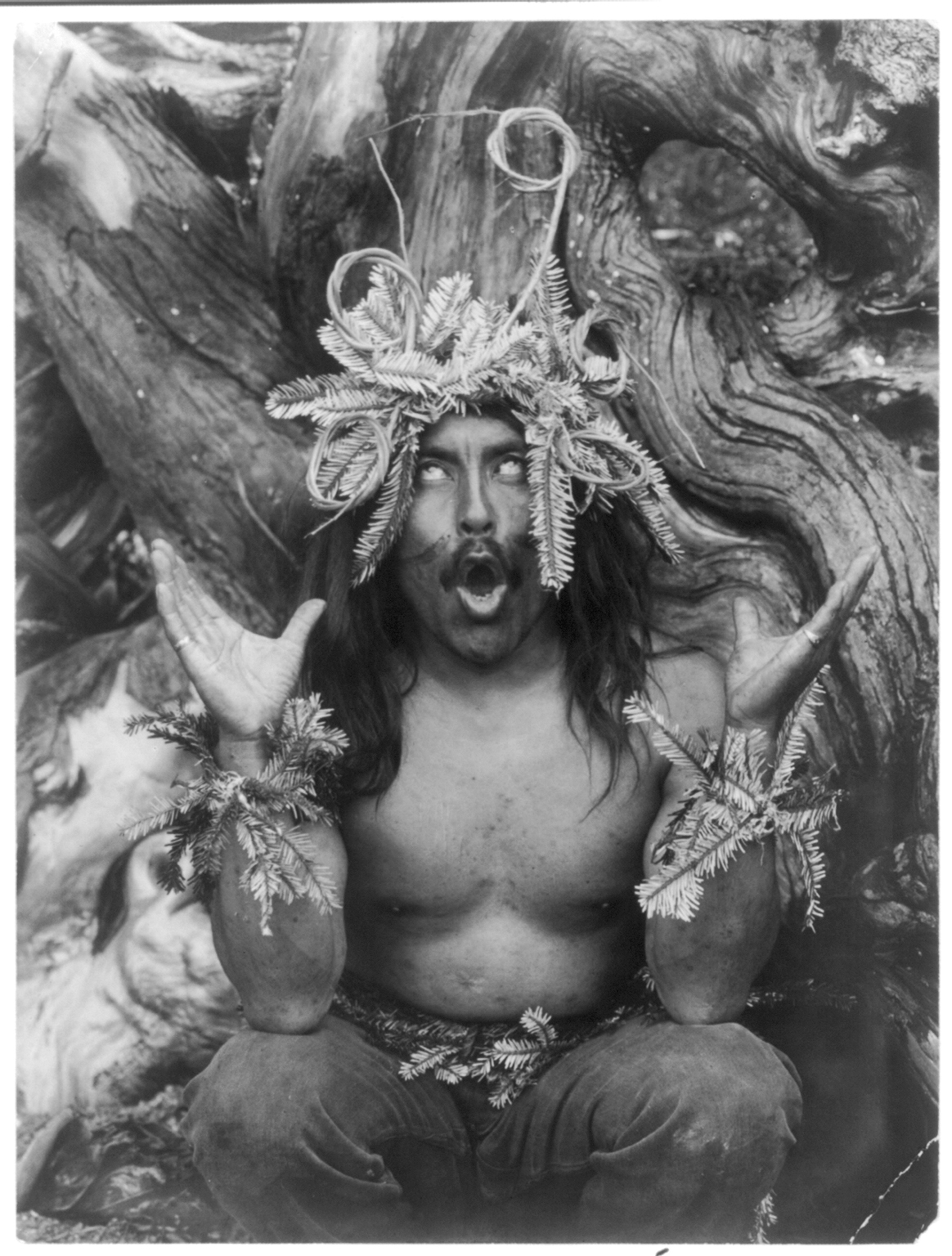



What people believe
The worldview assumes a sacred structure of reality. The everyday world is distinct from a deeper spiritual truth. In ancient times, wisdom meant holding power over nature. Later, philosophy shifted toward self-transcendence. The soul is seen as divine but trapped in matter, seeking return to its origin through virtue or ritual.
How scholars and sceptics see it
Mircea Eliade studied these practices in Shamanism: Archaic Techniques of Ecstasy. He identified ecstasy as the core of shamanism. Charles Taylor described a shift from a continuous cosmos to a disembedded worldview. Scholars analyze how the Axial Age changed the focus from power to self-transcendence and rational patterns.
Compare and confuse
It resembles out-of-body experiences in modern psychology. The Egyptian Ba and Greek Psyche share concepts of a mobile soul. Orphic and Pythagorean traditions adapted shamanic elements into philosophical systems. Plotinus described an inner vision that does not require physical travel.
Questions people ask about Soul flight
What is soul flight?
It is a shamanic technique where the practitioner enters an ecstatic trance. They believe their soul leaves the body to travel through spiritual worlds.
Where does it come from?
It originates in Paleolithic hunter-gatherer societies. It is considered one of the oldest human practices, found globally in various indigenous cultures.
Why do shamans do it?
They do it to serve their community. Beliefs include healing the sick, foretelling events, protecting people, and speaking with spirits or ancestors.
Good reading and sources
The facts on this page come from the Wikipedia article "Soul flight", written by its contributors and used under the CC BY-SA 4.0 licence, and from its Wikidata record (CC0). EveryJaadu rewrote the text in its own words, with AI assistance, and compares every page with the article to make sure no passage is copied. It may be reused under the same CC BY-SA 4.0 licence with a link back.
It may contain mistakes. Names and customs differ from one community to the next, and some knowledge is closed to outsiders and left out here. This page describes belief and practice. It does not say that any of it works, it is not a how-to, and it is not medical advice. If something is wrong, tell us. Last refreshed 2026-10-05.
More from Sweden
All the entries from Sweden 🇪🇸 Spain and 5 moreSt John's Eve
A Christian vigil marked by bonfires and plant gathering on the summer solstice eveRite · Protection · Speaking with spirits and the dead Living
🇪🇸 Spain and 5 moreSt John's Eve
A Christian vigil marked by bonfires and plant gathering on the summer solstice eveRite · Protection · Speaking with spirits and the dead Living
 🇩🇪 Germany and 7 moreWalpurgis NightWalpurgisnacht
A spring vigil marking the eve of Saint Walpurga's feast day with bonfires and student festivalsRite · Protection · Speaking with spirits and the dead Living
🇩🇪 Germany and 7 moreWalpurgis NightWalpurgisnacht
A spring vigil marking the eve of Saint Walpurga's feast day with bonfires and student festivalsRite · Protection · Speaking with spirits and the dead Living
 🇸🇪 Sweden and 5 moreMidsummerJāņi; Joninės; Jaanipäev; Enyovden; Litha; Juhannus
A summer solstice festival marked by bonfires, maypole dancing, and feasting across Europe.Tradition · Protection · Luck and prosperity Living
🇸🇪 Sweden and 5 moreMidsummerJāņi; Joninės; Jaanipäev; Enyovden; Litha; Juhannus
A summer solstice festival marked by bonfires, maypole dancing, and feasting across Europe.Tradition · Protection · Luck and prosperity Living
 🇮🇪 Ireland and 4 moreMay Day
A European spring festival marking the start of summer with flowers, poles and fire.Tradition · Protection · Luck and prosperity Living
🇮🇪 Ireland and 4 moreMay Day
A European spring festival marking the start of summer with flowers, poles and fire.Tradition · Protection · Luck and prosperity Living
Related elsewhere
All rite 🇺🇸 United StatesKahuna
A Hawaiian expert or priest, keeper of hidden knowledge in craft and spiritTradition · Healing · Seeing and foretelling Living
🇺🇸 United StatesKahuna
A Hawaiian expert or priest, keeper of hidden knowledge in craft and spiritTradition · Healing · Seeing and foretelling Living
 🇨🇱 Chile and 1 moreMachi
Mapuche spiritual authorities and healers who bridge herbal knowledge and spirit realmsTradition · Healing · Speaking with spirits and the dead Living
🇨🇱 Chile and 1 moreMachi
Mapuche spiritual authorities and healers who bridge herbal knowledge and spirit realmsTradition · Healing · Speaking with spirits and the dead Living
 🇨🇺 Cuba and 2 moreSanteríaRegla de Ocha
An Afro-Cuban religion blending Yoruba beliefs with Catholicism and SpiritismTradition · Protection · Healing Living
🇯🇵 JapanYutaユタ
Okinawan folk shamans who guide families through spirits and fortune-tellingTradition · Protection · Healing Living
🇨🇺 Cuba and 2 moreSanteríaRegla de Ocha
An Afro-Cuban religion blending Yoruba beliefs with Catholicism and SpiritismTradition · Protection · Healing Living
🇯🇵 JapanYutaユタ
Okinawan folk shamans who guide families through spirits and fortune-tellingTradition · Protection · Healing Living