
Muti
In its own language: umuthi
from Zulu/Xhosa/Northern Ndebele umuthi, meaning 'tree'
Traditional medicine practice in Southern Africa using plants, animals and minerals
Muti is a traditional medicine system practised across Southern Africa, extending north to Lake Tanganyika. The term covers herbal remedies, animal parts and mineral substances used by healers for healing, protection and prosperity.
- Muti means tree in Zulu, Xhosa and Northern Ndebele
- Vulture brains are used for prophecy in muthi
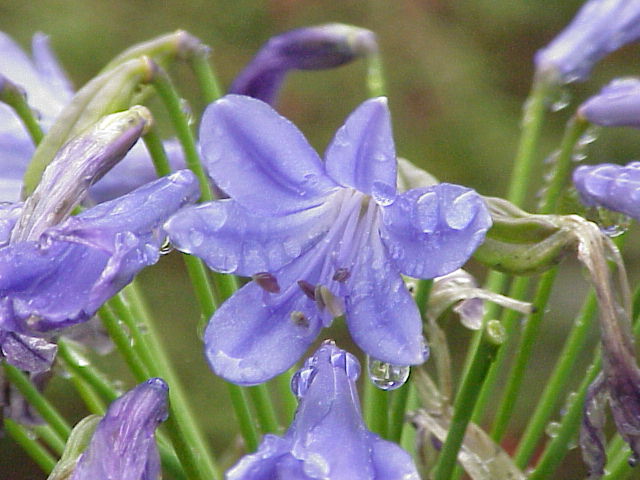
- Agapanthus praecox is drunk during pregnancy
- Wilting plants signal baby's health or death
- Muti killings involve murder for body parts
What it is
Muti refers to traditional medicine practices found throughout Southern Africa. The word originates from the Zulu, Xhosa and Northern Ndebele term umuthi, which translates to 'tree'. In local languages and English, it describes remedies made from botanical, zoological or mineral sources. Practitioners known as inyanga or herbal healers prescribe these substances. The term also appears in Afrikaans slang to describe any medicine with strong effects. Muthi encompasses a wide range of natural products used for health and spiritual purposes.
Where it comes from
The concept stems from indigenous African knowledge systems that utilise natural resources. The linguistic root -thi connects the practice to trees and plants. Historical British colonial spelling influenced the modern English rendering of muti. The practice has been adapted into South African English and Afrikaans vernacular. It represents a long-standing tradition of using local flora and fauna for therapeutic and ritual needs across the region.
How it is done
Healers prepare remedies based on specific ailments or spiritual needs. Plants are collected, processed and administered orally or applied topically. For example, Agapanthus praecox is soaked in water and drunk during pregnancy. Vulture brains may be used for prophetic purposes. Some preparations involve mixing herbs with breast milk for infants. Ritual actions accompany certain treatments, such as applying plant extracts to cuts near joints for protection. Methods vary significantly between different districts and communities.
Tools and materials
Remedies rely on local natural materials. Botanical ingredients include Commelina africana for pelvic pain and Ledebouria ovatifolia for skin issues. Animal parts like vulture brains are reserved for prophecy. Mineral substances may also be incorporated. Isicakathi denotes specific plants used by Xhosa people for therapeutic properties. Tools are simple: containers for soaking plants, boiling water for infusions and direct application of powders or ointments. The choice of material depends on the intended effect and regional availability.
Muti, drawn and placed
- Living
- Revived
- Fading
- Historical
- Legendary
- Performed
- Lineage
- African traditional medicine
- Timing
- prenatal, postnatal, daily use
What it is for
Muti serves multiple functions including healing physical ailments, protecting against evil spirits and ensuring prosperity. Pregnant women use it to ease childbirth and protect the unborn child. Parents administer it to infants to prevent disease and aid growth. Healers use it to treat conditions ranging from diarrhoea to epileptic fits. Businesspeople seek it for success. It acts as an alternative to Western medicine for many communities. Protection from sorcery is a common intent, especially during vulnerable life stages like pregnancy.
Who does it
Inyanga, or herbal healers, are the primary practitioners. They diagnose illnesses and prescribe appropriate muti formulations. Knowledge is often passed down through generations or learned through apprenticeship. Women frequently use muti for prenatal and postnatal care. Children are common recipients of infant remedies. Healers must identify correct species and preparation methods, which can vary by district. Their role extends beyond physical healing to include spiritual protection and community guidance.
Peoples and places
The practice is widespread among Zulu, Xhosa and Northern Ndebele peoples. It is deeply embedded in South African culture and extends into Eswatini. Different ethnic groups have distinct terminology and preferred ingredients. Xhosa communities use the term isicakathi for specific medicinal plants. Regional variations exist; for instance, Eastern Cape districts have unique plant combinations. Despite differences, the core reliance on natural remedies remains consistent. The practice bridges indigenous traditions and contemporary South African society.
At a glance: who, where and when
Who does it
Peoples
Belief worlds
Occasions

What people believe
Practitioners believe muti harnesses the power of nature to restore balance. The wilting of a plant in water is seen as an omen for the baby's health. Spirits are thought to influence illness, requiring protective charms. Body parts carry potent energies for specific rituals. Health is viewed holistically, involving physical, spiritual and social harmony. Healers interpret symptoms as signs requiring specific natural interventions. The efficacy of muti is trusted within these cultural frameworks as a valid medical system.
When it is done
Muti is used continuously rather than on specific calendar dates. Prenatal care begins around the sixth month of pregnancy and continues until delivery. Postnatal remedies follow immediately after birth. Infant treatments occur daily for two months. Circumcision wounds require specific dressings. Daily use includes treating common ailments like sore throats or skin irritations. Life events such as birth and initiation drive much of the practice. There are no fixed festival dates associated exclusively with muti use.
How scholars and sceptics see it
Anthropologists study muti as a complex system of indigenous knowledge. Researchers examine its role in healthcare alternatives and cultural identity. Historians trace the linguistic evolution and colonial impacts on terminology. Medical researchers investigate the pharmacological properties of listed plants. Scholars note the distinction between legitimate healing and criminal exploitation. Academic work highlights the sophistication of plant identification and preparation methods within local communities.
Cautions and what is closed
Muti killings involve murder and mutilation to harvest body parts for rituals. These crimes target vulnerable individuals, including children and people with albinism. Authorities report rising incidents in certain areas. Perpetrators seek body parts for business success or other magical ends. Such acts are condemned by both government officials and legitimate healers. Victims suffer irreversible harm. The practice creates fear and violence within communities. Legal authorities actively prosecute those involved in these atrocities.
Compare and confuse
Muti is often confused with general witchcraft or sorcery. While related, it specifically denotes medicinal substances and practices. Isicakathi is a subset term used by Xhosa people. Western medicine contrasts sharply with muti's reliance on natural ingredients. Other African traditional medicine systems share similarities but differ in terminology and specific ingredients. The term muti is sometimes misapplied to all forms of indigenous healing, obscuring regional distinctions.
Law and persecution
South African law addresses muti-related crimes, particularly killings. Executions for muti murders have occurred, as seen in Eswatini. Government seminars aim to curb the trade in human body parts. Traditional healers cooperate with authorities to condemn violent practices. Legal frameworks struggle to balance cultural respect with crime prevention. Persecution of healers occurs when they are falsely accused of involvement in muti murders. Legitimate practice remains protected under cultural rights.
Today
Muti remains a vital part of healthcare in Southern Africa. Diaspora communities maintain traditions abroad. Commerce in muti ingredients exists in markets. Concerns about appropriation and commercialisation arise. Legitimate healers continue to serve their communities. Awareness campaigns target muti killings. Younger generations engage with traditional practices alongside modern medicine. The practice adapts to contemporary challenges while preserving core cultural values.
Questions people ask about Muti
What does muti mean?
Muti comes from the Zulu, Xhosa and Northern Ndebele word umuthi, meaning tree. It refers to traditional medicine made from plants, animals and minerals used for healing and protection in Southern Africa.
Who uses muti?
Zulu, Xhosa and Northern Ndebele peoples use muti. Herbal healers called inyanga prescribe remedies. Pregnant women and parents of infants commonly use it for health and protection in South Africa and Eswatini.
Is muti safe?
Legitimate muti involves natural plants prepared by trained healers. However, muti killings involve murder and mutilation, which are dangerous crimes. Authorities condemn these violent acts. Safe practice relies on ethical healers and legal compliance.
What plants are used?
Common plants include Agapanthus praecox for pregnancy and Commelina africana for pelvic pain. Ledebouria ovatifolia treats skin issues. Each plant has specific uses determined by regional traditions and healer knowledge.
Good reading and sources
- Muti on WikipediaEncyclopedia
- More photos on Wikimedia CommonsPhotos and video
- Wikidata recordOpen data
The facts on this page come from the Wikipedia article "Muti", written by its contributors and used under the CC BY-SA 4.0 licence, and from its Wikidata record (CC0). EveryJaadu rewrote the text in its own words, with AI assistance, and compares every page with the article to make sure no passage is copied. It may be reused under the same CC BY-SA 4.0 licence with a link back.
It may contain mistakes. Names and customs differ from one community to the next, and some knowledge is closed to outsiders and left out here. This page describes belief and practice. It does not say that any of it works, it is not a how-to, and it is not medical advice. If something is wrong, tell us. Last refreshed 2026-10-06.
More from South Africa
All the entries from South Africa 🇿🇦 South AfricaSympathetic magic
A magical principle based on imitation and contact to influence the worldTradition · Protection · Healing Historical
🇿🇦 South AfricaSympathetic magic
A magical principle based on imitation and contact to influence the worldTradition · Protection · Healing Historical
 🇿🇦 South Africa and 5 moreTraditional healers of Southern Africa
Practitioners who blend herbal medicine with ancestral divination in Southern AfricaTradition · Healing · Protection Living
🇿🇦 South Africa and 5 moreTraditional healers of Southern Africa
Practitioners who blend herbal medicine with ancestral divination in Southern AfricaTradition · Healing · Protection Living
 🇿🇦 South Africa and 4 moreWitch doctor
A traditional healer who identifies supernatural causes of illness and performs rituals to restore balance.Tradition · Healing · Protection Living
🇿🇦 South Africa and 1 moreRain Queen
A hereditary queen of the Balobedu people believed to control rainfall in South AfricaTradition · Protection · Power and authority Living
🇿🇦 South Africa and 4 moreWitch doctor
A traditional healer who identifies supernatural causes of illness and performs rituals to restore balance.Tradition · Healing · Protection Living
🇿🇦 South Africa and 1 moreRain Queen
A hereditary queen of the Balobedu people believed to control rainfall in South AfricaTradition · Protection · Power and authority Living
Related elsewhere
All tradition 🇨🇳 China and 5 moreGuanyin觀音 (Guānyīn)
The Bodhisattva of compassion, worshipped across East Asia as a listener to human sufferingBeing · Protection · Healing Living
🇨🇳 China and 5 moreGuanyin觀音 (Guānyīn)
The Bodhisattva of compassion, worshipped across East Asia as a listener to human sufferingBeing · Protection · Healing Living
 🇨🇳 China and 2 moreEight Immortals八仙
Eight legendary Taoist figures of China, each with a power and a vesselFigure · Protection · Healing Living
🇨🇳 China and 2 moreEight Immortals八仙
Eight legendary Taoist figures of China, each with a power and a vesselFigure · Protection · Healing Living
 🇹🇭 Thailand and 3 moreThai Buddha amuletsพระเครื่อง (phrakhrueang)
Sacred Buddhist images and relics worn for protection, merit, and fortune in Thailand.Charm · Protection · Luck and prosperity Living
🇹🇭 Thailand and 3 moreThai Buddha amuletsพระเครื่อง (phrakhrueang)
Sacred Buddhist images and relics worn for protection, merit, and fortune in Thailand.Charm · Protection · Luck and prosperity Living
 🇮🇹 Italy and 5 morePrecious coral
A marine skeleton harvested for jewelry and worn as a protective charm in several culturesSubstance · Protection · Healing Living
🇮🇹 Italy and 5 morePrecious coral
A marine skeleton harvested for jewelry and worn as a protective charm in several culturesSubstance · Protection · Healing Living