Beliefs, omens and superstitions
Luck and unluck, the evil eye, knocking on wood and the small customs people keep without asking why.
Beliefs, omens and superstitions are the small customs people keep without asking why: knocking on wood, salt over the shoulder, avoiding the number thirteen, the evil eye, a black cat crossing the road, a first visitor of the new year. They are found on every continent and are rarely tied to a priest or book. This page looks at where they come from, what the word superstition hides, and why they persist.
What they look like
Beliefs differ by place. The number four is avoided in China, Japan and Korea because it sounds like the word for death, while thirteen is avoided in much of the West. In India, a sneeze before leaving home may delay a journey, and a lemon and chillies are hung over a shop. The evil eye is feared under many names: nazar, mal de ojo, ayin hara. First-footing at new year in Scotland is said to bring luck to a house.
Whose word is superstition
The word superstition has a history. Roman writers used it for religion they disliked, and Christian writers for forbidden practice. Today it often means someone else's belief. Many religions regard some of their own customs as faith and others as superstition, and where the line falls depends on the speaker. Using the word can mark a speaker as modern and a neighbour as backward. Tests of common superstitions show that people who hold them are not less educated or less rational than others, and many hold them lightly.
Why people keep them
Psychologists find that superstition rises with uncertainty and stakes, which is why athletes, sailors, students and gamblers are known for them. Anthropologist Bronislaw Malinowski observed in the 1920s that Trobriand fishermen used rites in dangerous deep-sea fishing and not in safe lagoon fishing. Most people who follow small customs say they do so partly in jest and partly just in case. Similar customs turn up in places that have never met each other, which suggests that people everywhere respond to risk in similar ways.
When belief causes harm
Most superstitions are harmless. Some are not: beliefs about witchcraft have led to killings in parts of Africa, India and Papua New Guinea, and beliefs about albinism have led to attacks in Tanzania and Malawi. Others cost people money, as when a fee is demanded to lift a bad omen. Education, law and trusted community leaders have all been part of reducing harm. Campaigns by health workers, teachers and community radio have been effective where they listen first and explain later.
Belief on EveryJaadu
The entries written up so far, best known first.
 🇯🇵 JapanInugami犬神
A Japanese spirit of dog possession and folk sorceryBelief · Cursing and harm · Power and authority Historical
🇯🇵 JapanKitsunetsuki狐憑き
A Japanese folk belief in which a fox spirit enters and controls a human host.Belief · Cursing and harm · Speaking with spirits and the dead Historical
🇯🇵 JapanInugami犬神
A Japanese spirit of dog possession and folk sorceryBelief · Cursing and harm · Power and authority Historical
🇯🇵 JapanKitsunetsuki狐憑き
A Japanese folk belief in which a fox spirit enters and controls a human host.Belief · Cursing and harm · Speaking with spirits and the dead Historical
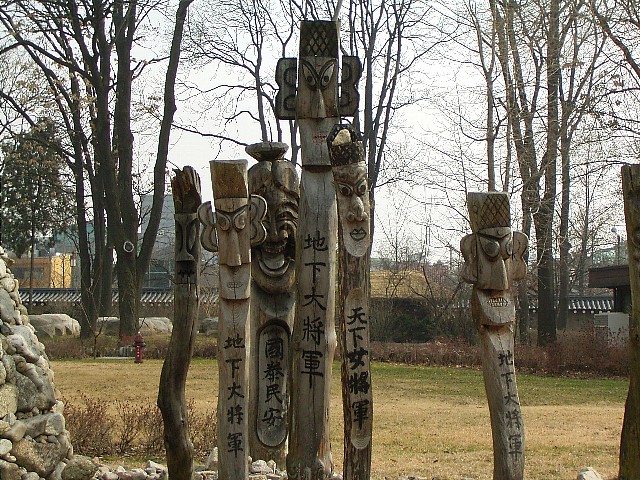 🇰🇷 South Korea and 1 moreJangseung장승
Wooden or stone poles that guard Korean villages and temples from evil spiritsTradition · Protection · Speaking with spirits and the dead Living
🇰🇷 South Korea and 1 moreJangseung장승
Wooden or stone poles that guard Korean villages and temples from evil spiritsTradition · Protection · Speaking with spirits and the dead Living
 🇨🇳 China and 1 moreAncestor veneration in China中國傳統宗法性宗教
Rites for dead kin who are thought to watch over the familyTradition · Protection · Speaking with spirits and the dead Living
🇨🇳 China and 1 moreAncestor veneration in China中國傳統宗法性宗教
Rites for dead kin who are thought to watch over the familyTradition · Protection · Speaking with spirits and the dead Living
 🇯🇵 JapanMount Osore恐山
A volcanic pilgrimage site in Japan believed to be a gateway to the underworldTradition · Speaking with spirits and the dead · Protection Living
🇯🇵 JapanMount Osore恐山
A volcanic pilgrimage site in Japan believed to be a gateway to the underworldTradition · Speaking with spirits and the dead · Protection Living
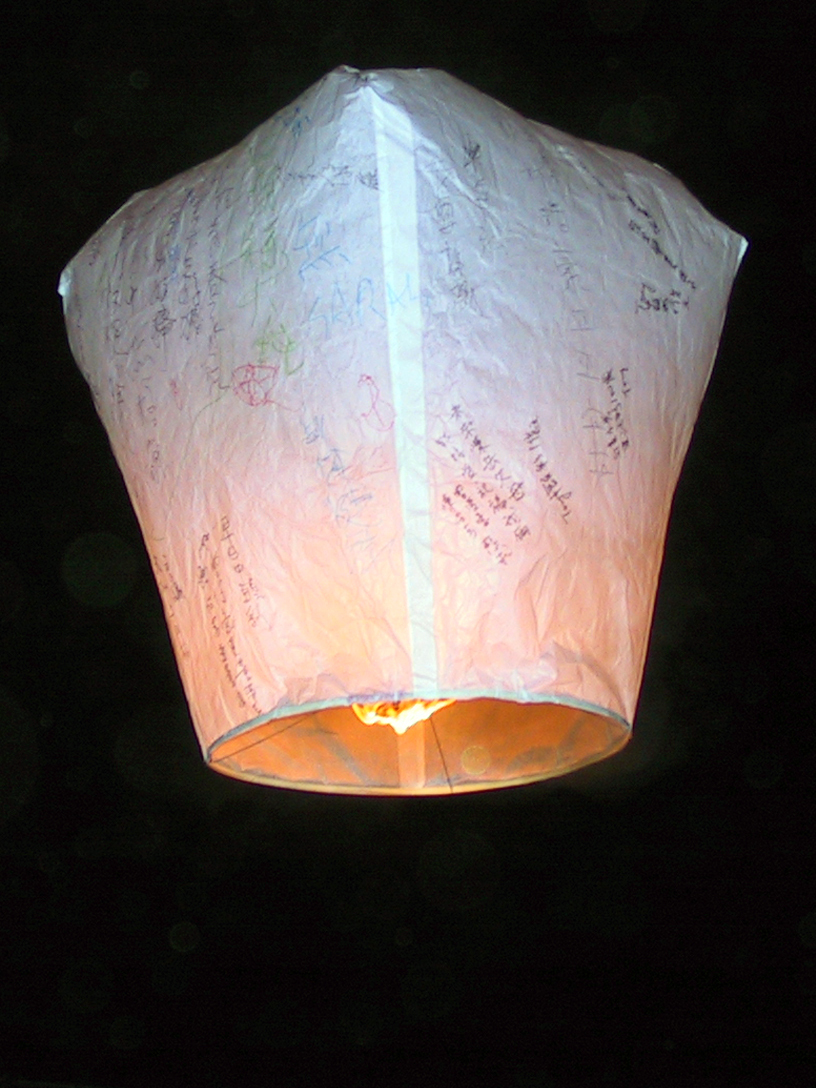 🇨🇳 China and 5 moreSky lantern天燈
A paper hot air balloon lifted by flame to carry wishes and blessingsRite · Luck and prosperity · Protection Living
🇨🇳 China and 5 moreSky lantern天燈
A paper hot air balloon lifted by flame to carry wishes and blessingsRite · Luck and prosperity · Protection Living
 🇨🇳 China and 2 moreOnomancy
Divination based on the letters, numbers, or written strokes of a person's nameOracle · Seeing and foretelling · Luck and prosperity Living
🇨🇳 China and 2 moreOnomancy
Divination based on the letters, numbers, or written strokes of a person's nameOracle · Seeing and foretelling · Luck and prosperity Living
 🇨🇳 China and 2 moreDiyu地獄
The underworld realm of trial, atonement, and rebirth in Chinese mythologyBelief · Cleansing and purification · Change and initiation Living
🇨🇳 China and 2 moreDiyu地獄
The underworld realm of trial, atonement, and rebirth in Chinese mythologyBelief · Cleansing and purification · Change and initiation Living
 🇯🇵 JapanHyakumonogatari Kaidankai百物語怪談会
An Edo period Japanese parlour game where ghost stories extinguish candles one by oneRite · Cursing and harm · Wonder and entertainment Historical
🇯🇵 JapanHyakumonogatari Kaidankai百物語怪談会
An Edo period Japanese parlour game where ghost stories extinguish candles one by oneRite · Cursing and harm · Wonder and entertainment Historical
 🇨🇳 ChinaTaotie饕餮
A zoomorphic mask on ancient Chinese bronzes and a mythological creature of gluttonyFigure · Protection · Cursing and harm Legendary
🇨🇳 ChinaTaotie饕餮
A zoomorphic mask on ancient Chinese bronzes and a mythological creature of gluttonyFigure · Protection · Cursing and harm Legendary
 🇨🇳 China and 1 moreYue Lao月下老人
The Chinese deity of marriage who binds destined couples with red cordsBeing · Love and attraction · Binding and oaths Legendary
🇯🇵 JapanYutaユタ
Okinawan folk shamans who guide families through spirits and fortune-tellingTradition · Protection · Healing Living
🇨🇳 China and 4 moreKitchen God灶君
The Chinese hearth deity who reports domestic conduct to the Jade EmperorBeing · Protection · Luck and prosperity Living
🇨🇳 China and 1 moreYue Lao月下老人
The Chinese deity of marriage who binds destined couples with red cordsBeing · Love and attraction · Binding and oaths Legendary
🇯🇵 JapanYutaユタ
Okinawan folk shamans who guide families through spirits and fortune-tellingTradition · Protection · Healing Living
🇨🇳 China and 4 moreKitchen God灶君
The Chinese hearth deity who reports domestic conduct to the Jade EmperorBeing · Protection · Luck and prosperity Living
 🇨🇳 China and 5 moreQingming Festival清明节
A spring day for sweeping graves, feeding the dead and honouring ancestorsTradition · Speaking with spirits and the dead · Protection Living
🇨🇳 China and 5 moreQingming Festival清明节
A spring day for sweeping graves, feeding the dead and honouring ancestorsTradition · Speaking with spirits and the dead · Protection Living
 🇨🇳 China and 1 moreLuoshu Square洛書
An ancient Chinese three-by-three magic square linked to geomancy and numerologyTradition · Power and authority · Wonder and entertainment Historical
🇨🇳 China and 1 moreLuoshu Square洛書
An ancient Chinese three-by-three magic square linked to geomancy and numerologyTradition · Power and authority · Wonder and entertainment Historical
 🇨🇳 China and 2 moreEight Immortals八仙
Eight legendary Taoist figures of China, each with a power and a vesselFigure · Protection · Healing Living
🇨🇳 China and 2 moreEight Immortals八仙
Eight legendary Taoist figures of China, each with a power and a vesselFigure · Protection · Healing Living
 🇨🇳 ChinaHundun混沌
A faceless being and the primordial void in Chinese cosmology and myth.Being · Wonder and entertainment Legendary
🇨🇳 ChinaHundun混沌
A faceless being and the primordial void in Chinese cosmology and myth.Being · Wonder and entertainment Legendary
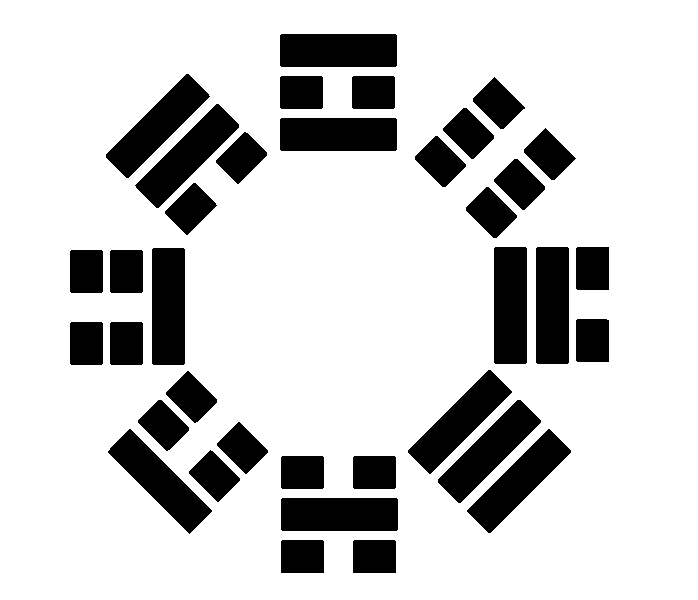 🇨🇳 China and 1 moreBagua八卦
A set of eight trigram symbols from China used in divination, cosmology, and feng shui.Tradition · Seeing and foretelling · Protection Living
🇨🇳 China and 3 moreQi氣 / 气
A vital force in Chinese philosophy and medicine, believed to flow through all living things.Substance · Healing · Power and authority Living
🇨🇳 China and 1 moreBagua八卦
A set of eight trigram symbols from China used in divination, cosmology, and feng shui.Tradition · Seeing and foretelling · Protection Living
🇨🇳 China and 3 moreQi氣 / 气
A vital force in Chinese philosophy and medicine, believed to flow through all living things.Substance · Healing · Power and authority Living
 🇨🇳 China and 5 moreTetraphobia
The avoidance of the number four due to its similarity to the word for death in East Asian languagesBelief · Luck and prosperity Living
🇨🇳 China and 5 moreTetraphobia
The avoidance of the number four due to its similarity to the word for death in East Asian languagesBelief · Luck and prosperity Living
 🇯🇵 JapanHyakki Yagyō百鬼夜行
A Japanese folklore concept of a night parade of supernatural creaturesBelief · Cursing and harm Legendary
🇯🇵 JapanHyakki Yagyō百鬼夜行
A Japanese folklore concept of a night parade of supernatural creaturesBelief · Cursing and harm Legendary
 🇨🇳 China and 2 moreFox spirit狐狸精
A shapeshifting creature from Chinese folklore that can take human form and live for centuries.Being · Cursing and harm · Love and attraction Legendary
🇨🇳 ChinaGu蛊
A venom-based poison and black magic practice from south ChinaSubstance · Cursing and harm · Luck and prosperity Historical
🇨🇳 China and 2 moreFox spirit狐狸精
A shapeshifting creature from Chinese folklore that can take human form and live for centuries.Being · Cursing and harm · Love and attraction Legendary
🇨🇳 ChinaGu蛊
A venom-based poison and black magic practice from south ChinaSubstance · Cursing and harm · Luck and prosperity Historical
 🇨🇳 China and 2 moreMenshen門神
Guardian figures pasted to doors in Chinese folk religion to protect homes from evil.Belief · Protection · Luck and prosperity Living
🇨🇳 China and 2 moreMenshen門神
Guardian figures pasted to doors in Chinese folk religion to protect homes from evil.Belief · Protection · Luck and prosperity Living
 🇯🇵 Japan and 2 moreTanabataたなばた (七夕)
A Japanese celebration of star-crossed lovers and written wishesTradition · Luck and prosperity · Wonder and entertainment Living
🇯🇵 Japan and 2 moreTanabataたなばた (七夕)
A Japanese celebration of star-crossed lovers and written wishesTradition · Luck and prosperity · Wonder and entertainment Living
 🇯🇵 JapanKitsunebi狐火
Atmospheric ghost lights in Japanese folklore, often linked to foxes and natural phenomena.Belief · Wonder and entertainment · Luck and prosperity Historical
🇯🇵 JapanKitsunebi狐火
Atmospheric ghost lights in Japanese folklore, often linked to foxes and natural phenomena.Belief · Wonder and entertainment · Luck and prosperity Historical
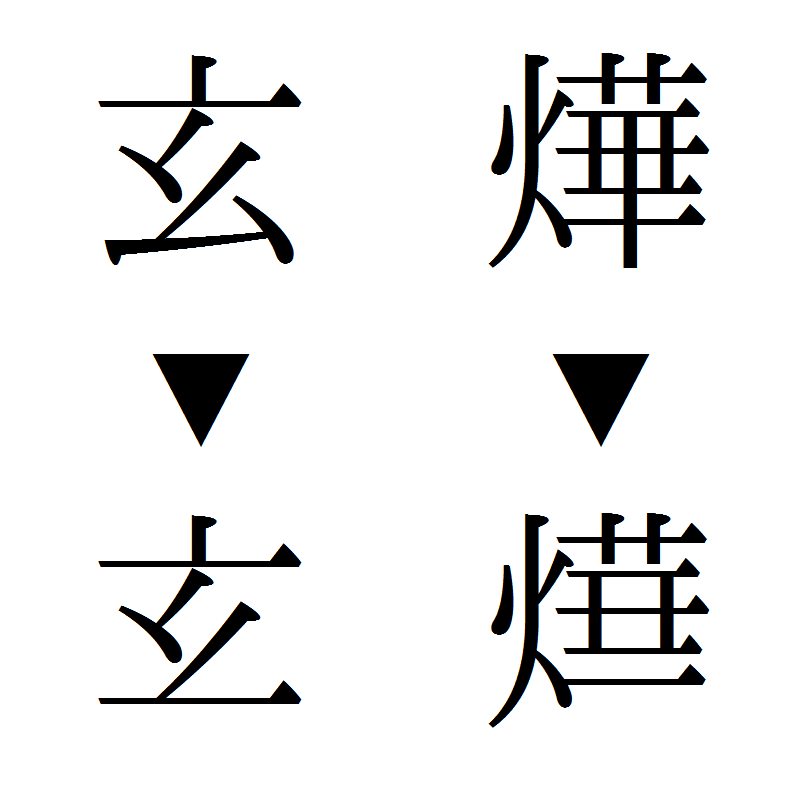 🇨🇳 China and 2 moreNaming taboo避諱
A cultural rule against speaking or writing the names of rulers and ancestors in East AsiaBelief · Protection Historical
🇰🇷 South Korea and 1 moreFan death선풍기 사망설
A South Korean urban legend that running a fan in a sealed room causes fatal suffocationBelief Fading
🇨🇳 China and 2 moreNaming taboo避諱
A cultural rule against speaking or writing the names of rulers and ancestors in East AsiaBelief · Protection Historical
🇰🇷 South Korea and 1 moreFan death선풍기 사망설
A South Korean urban legend that running a fan in a sealed room causes fatal suffocationBelief Fading
 🇯🇵 JapanHatsuyume初夢
The first dream of the new year and its traditional omensBelief · Seeing and foretelling · Luck and prosperity Living
🇯🇵 JapanHatsuyume初夢
The first dream of the new year and its traditional omensBelief · Seeing and foretelling · Luck and prosperity Living
 🇯🇵 JapanCurse of the Colonelカーネルサンダースの呪い
A Japanese sports superstition blaming a baseball team's losses on an offended fast-food mascot.Belief · Luck and prosperity Historical
🇯🇵 JapanCurse of the Colonelカーネルサンダースの呪い
A Japanese sports superstition blaming a baseball team's losses on an offended fast-food mascot.Belief · Luck and prosperity Historical
 🇹🇼 TaiwanKuai Kuai culture乖乖文化
A Taiwanese custom of placing obedient snacks on machines to ensure smooth operationBelief · Protection Living
🇯🇵 JapanAkisutozenekoあきすとぜねこ
A Shōwa-era Japanese game that turns lovers' names into a predicted relationship outcomeBelief · Love and attraction Historical
🇯🇵 JapanJapanese superstitions
Common beliefs in Japan about luck, numbers, and omens rooted in language and customBelief · Luck and prosperity · Protection Living
🇰🇷 South KoreaDongti동티
Divine punishment in Korean mythology, often manifesting as sudden illness or death.Belief · Cursing and harm Historical
🇯🇵 JapanTanukitsuki狸憑き (たぬきつき)
A Japanese folk belief where a tanuki spirit possesses a human, causing illness and strange behavior.Belief · Cursing and harm Historical
🇹🇼 TaiwanKuai Kuai culture乖乖文化
A Taiwanese custom of placing obedient snacks on machines to ensure smooth operationBelief · Protection Living
🇯🇵 JapanAkisutozenekoあきすとぜねこ
A Shōwa-era Japanese game that turns lovers' names into a predicted relationship outcomeBelief · Love and attraction Historical
🇯🇵 JapanJapanese superstitions
Common beliefs in Japan about luck, numbers, and omens rooted in language and customBelief · Luck and prosperity · Protection Living
🇰🇷 South KoreaDongti동티
Divine punishment in Korean mythology, often manifesting as sudden illness or death.Belief · Cursing and harm Historical
🇯🇵 JapanTanukitsuki狸憑き (たぬきつき)
A Japanese folk belief where a tanuki spirit possesses a human, causing illness and strange behavior.Belief · Cursing and harm Historical
 🇨🇳 China and 1 moreFalun Gong法轮功
A Chinese cultivation practice blending meditative exercises with moral principlesTradition · Healing · Protection Living
🇨🇳 China and 1 moreFalun Gong法轮功
A Chinese cultivation practice blending meditative exercises with moral principlesTradition · Healing · Protection Living
 🇨🇳 ChinaYeren野人
A Chinese cryptid apeman reported in remote mountains since ancient timesBelief · Wonder and entertainment Legendary
🇨🇳 ChinaYeren野人
A Chinese cryptid apeman reported in remote mountains since ancient timesBelief · Wonder and entertainment Legendary
 🇯🇵 JapanAosaginohi青鷺火
A Japanese will-o'-the-wisp attributed to the glowing flight of herons at nightBelief · Wonder and entertainment Historical
🇯🇵 Japan and 1 moreKōshin庚申信仰
A Japanese folk belief involving vigils to prevent internal spirits from reporting human deeds to heavenBelief · Protection · Healing Living
🇯🇵 JapanAosaginohi青鷺火
A Japanese will-o'-the-wisp attributed to the glowing flight of herons at nightBelief · Wonder and entertainment Historical
🇯🇵 Japan and 1 moreKōshin庚申信仰
A Japanese folk belief involving vigils to prevent internal spirits from reporting human deeds to heavenBelief · Protection · Healing Living
 🇨🇳 ChinaPeaches of Immortality仙桃
Legendary Chinese fruits said to grant eternal life to deities and mortalsSubstance · Luck and prosperity · Change and initiation Legendary
🇨🇳 ChinaPeaches of Immortality仙桃
Legendary Chinese fruits said to grant eternal life to deities and mortalsSubstance · Luck and prosperity · Change and initiation Legendary
 🇯🇵 JapanSakabashira逆柱
A reversed wooden pillar in Japanese folk belief, said to cause misfortune or ward off disasterBelief · Protection · Cursing and harm Historical
🇨🇳 ChinaMien shiang面相
A Chinese practice of reading character and fate through facial featuresBelief · Seeing and foretelling · Healing Historical
🇯🇵 JapanSakabashira逆柱
A reversed wooden pillar in Japanese folk belief, said to cause misfortune or ward off disasterBelief · Protection · Cursing and harm Historical
🇨🇳 ChinaMien shiang面相
A Chinese practice of reading character and fate through facial featuresBelief · Seeing and foretelling · Healing Historical
 🇯🇵 JapanKamikiri髪切り
A Japanese yōkai blamed for the sudden disappearance of human hairBeing · Cursing and harm Historical
🇯🇵 JapanKamikiri髪切り
A Japanese yōkai blamed for the sudden disappearance of human hairBeing · Cursing and harm Historical
 🇯🇵 Japan and 1 moreBake-danuki化け狸
A shape-shifting raccoon dog spirit from Japanese folklore known for pranks and illusions.Being · Cursing and harm · Luck and prosperity Legendary
🇯🇵 Japan and 1 moreBake-danuki化け狸
A shape-shifting raccoon dog spirit from Japanese folklore known for pranks and illusions.Being · Cursing and harm · Luck and prosperity Legendary
 🇨🇳 China and 1 moreMoney tree搖錢樹
A mythical tree of fortune and a Chinese New Year custom for wealthFigure · Luck and prosperity · Power and authority Living
🇯🇵 Japan and 3 moreThoughtography念写
A claimed psychic ability to imprint mental images directly onto photographic film.Belief · Wonder and entertainment Historical
🇨🇳 China and 1 moreMoney tree搖錢樹
A mythical tree of fortune and a Chinese New Year custom for wealthFigure · Luck and prosperity · Power and authority Living
🇯🇵 Japan and 3 moreThoughtography念写
A claimed psychic ability to imprint mental images directly onto photographic film.Belief · Wonder and entertainment Historical
 🇯🇵 Japan and 1 morePower spotパワースポット
A Japanese term for places believed to hold strong earth energy and healing power.Belief · Healing · Power and authority Living
🇯🇵 Japan and 1 morePower spotパワースポット
A Japanese term for places believed to hold strong earth energy and healing power.Belief · Healing · Power and authority Living
 🇯🇵 JapanGoryō御霊
A Japanese belief in appeasing vengeful spirits through Shinto shrinesBelief · Protection · Speaking with spirits and the dead Historical
🇯🇵 JapanGoryō御霊
A Japanese belief in appeasing vengeful spirits through Shinto shrinesBelief · Protection · Speaking with spirits and the dead Historical
Photo credits on this page
The small pictures above come from Wikimedia Commons under free licences. Some are cropped to fit.
- Hatsuyume: Takeuchi Seihō, Public domain, source
- Aosaginohi: Koikawa Harumachi ja:恋川春町 (1744-1789), Public domain, source
- Eight Immortals: Fanghong, CC BY-SA 3.0, source
- Curse of the Colonel: Ogiyoshisan, CC BY-SA 3.0, source
- Kuai Kuai culture: 總統府, CC BY 2.0, source
- Bagua: TarcísioTS at Portuguese Wikipedia, Public domain, source
- Tetraphobia: Halowand, CC BY-SA 3.0, source
- Hyakki Yagyō: Unknown author, Public domain, source
- Fox spirit: Chen Menglei, Public domain, source
- Menshen: Taiwankengo, CC BY-SA 3.0, source
- Tanabata: Laika ac, CC BY-SA 2.0, source
- Kitsunebi: Abasaa, Public domain, source
- Jangseung: Yoshiaki Sano, CC BY-SA 2.0, source
- Naming taboo: Haruno Akiha, Public domain, source
- Ancestor veneration in China: Three huntings, CC BY-SA 4.0, source
- Mount Osore: Douglas P Perkins ( Douglaspperkins ( talk )), CC BY 3.0, source
- Falun Gong: longtrekhome, CC BY 3.0, source
- Yeren: Rolf Müller, CC BY-SA 3.0, source
- Peaches of Immortality: Anonymous ( China ) Unknown author, Public domain, source
- Sky lantern: Richy, CC BY-SA 3.0, source
- Hyakumonogatari Kaidankai: Katsushika Hokusai, Public domain, source
- Taotie: anonymous, CC0, source
- Money tree: Pratyeka, CC BY-SA 4.0, source
- Bake-danuki: Poposhka at English Wikipedia, Public domain, source
- Kamikiri: Sawaki Suushi (佐脇嵩之, Japanese, *1707, †1772), Public domain, source
- Luoshu Square: An unknown Tibetan artist, Public domain, source
- Inugami: Sawaki Suushi (佐脇嵩之, Japanese, *1707, †1772), Public domain, source
- Qingming Festival: Jacklee ., CC BY-SA 3.0, source
- Power spot: ccfarmer, CC BY 3.0, source
- Goryō: Tsukioka Yoshitoshi (1839–1892), Public domain, source
- Yue Lao: 仔仔好帥, CC BY-SA 4.0, source
- Diyu: ScribblingGeek, CC BY-SA 4.0, source
- Onomancy: Unknown author, Public domain, source
- Hundun: Oldie~commonswiki, CC BY-SA 3.0, source
- Sakabashira: Unknown author, Public domain, source