Kitsunetsuki
In its own language: 狐憑き
from Japanese kitsune (fox) and tsuki (possession)
A Japanese folk belief in which a fox spirit enters and controls a human host.
Kitsunetsuki is a traditional Japanese concept of spirit possession by a fox. The afflicted person, often a young woman, is believed to be controlled by the animal to satisfy its hunger or gain worship. The condition was historically treated as both a spiritual affliction and a mental illness.
- Victims are often young women entered via fingernails.
- Earliest records date to the ninth-century Nihon ryōiki.
- Exorcists used dough effigies and burnt ash in rituals.
- Symptoms included cravings for rice and sweet adzuki beans.
- German doctors coined alopecanthropy for the condition in 1885.
What it is
Kitsunetsuki describes a state where a fox spirit takes control of a human body. This belief is deeply rooted in Japanese folk religion and dates back to at least the Heian period. The victim is typically described as a young woman. The fox is said to enter through the fingernails or breasts. Once inside, it may alter the victim's facial expressions to resemble those of an animal. The spirit acts with its own will, often driven by hunger or a desire for offerings from people.
Where it comes from
The earliest records of this belief appear in the Nihon ryōiki, a collection of miraculous stories from the ninth century. By the time of the Heian period, the idea that foxes could cause illness through possession was well established. Esoteric Buddhist rituals were developed to counter these influences. These early liturgies involved creating dough figures of three types of foxes and consuming their ashes. The practice shows how Buddhist ideas merged with older local superstitions about animal spirits.
How it is done
Exorcism was the primary method for dealing with possession. A miko, a female shrine attendant or shaman, would perform the ritual. She might transfer the spirit into her own body to speak for it or force it out. In some cases, a yamabushi mountain priest would intervene. If religious help failed, victims faced severe physical abuse. They were beaten or burned to drive the spirit away. Families of the possessed were often ostracized by their communities due to fear and stigma.
Tools and materials
Rituals used specific materials to combat the spirit. Dough effigies representing different fox types were central to early Buddhist rites. These figures were burned, and the resulting ash was swallowed by the patient. Exorcists relied on their spiritual authority and knowledge of sutras. In some regions, families known as kitsune-mochi were believed to keep fox spirits as familiars. These families used the spirits for power but were socially avoided by others.
Kitsunetsuki, drawn and placed
- Living
- Revived
- Fading
- Historical
- Legendary
- Performed
- Lineage
- Japanese folk religion
- Timing
- during episodes of possession
What it is for
The possession served various purposes for the fox spirit. It sought food, particularly rice or sweet beans. It also desired worship and recognition from humans. For the community, the exorcism aimed to restore health and social order. Protecting the community meant stopping the spread of rumors about fox-owning families. The rituals addressed both the physical symptoms and the spiritual cause.
Who does it
Mikos and yamabushi were the main specialists in handling these cases. Mikos acted as mediums, sometimes allowing the spirit to possess them temporarily. Yamabushi were trained mountain ascetics with esoteric knowledge. Clinical doctors later viewed the condition as a mental disorder. In the nineteenth century, physicians began publishing rational explanations. They linked the symptoms to fever and other physical diseases rather than magic.
Peoples and places
The belief is widespread across Japan but has regional variations. In the Izumo area, the spirit was called ninko. These spirits were smaller and invisible until they attacked. Local gossip targeted families rumored to control such spirits. Similar beliefs existed in neighboring provinces with dog or snake spirits. The term kitsunetsuki itself is a general Japanese concept. However, local dialects and specific folklore shaped how the possession was understood and feared.
At a glance: who, where and when
Who does it
Peoples
Belief worlds
Occasions
What people believe
Foxes are powerful yōkai in Japanese mythology. They can form pacts with humans, offering wealth or protection. However, they do not follow human morality. A fox might steal from neighbors to give to its host. This duality makes them dangerous. The spirit possesses humans to satiate its own needs. It uses the human body as a vessel. The belief reflects a worldview where the natural and spiritual worlds overlap closely.
When it is done
Possession events did not follow a strict calendar. They occurred during times of crisis or unexplained illness. Rituals were performed when symptoms appeared. Some festivals might involve protective prayers against such spirits. The timing was reactive, based on the onset of the condition. There were no fixed annual dates for the possession itself, only for the exorcisms or protective rites.
How scholars and sceptics see it
Anthropologists and historians view kitsunetsuki as a cultural explanation for mental illness. In the Meiji era, psychiatrists studied the phenomenon extensively. They noted similarities to lycanthropy but distinct features like food cravings. German doctors coined terms like alopecanthropy to describe it. Modern scholars see it as a historical example of how societies pathologize abnormal behavior. The transition from spiritual to medical explanations marks a shift in Japanese society.
Cautions and what is closed
The stigma attached to possession was severe. Victims faced violence and neglect if exorcisms failed. Families were shunned and isolated from their neighbors. Rumors about fox-owning families caused social conflict. In modern times, allegations of possession have been made against cult members. The history of the belief includes harm caused by fear and superstition. It serves as a cautionary tale about the dangers of scapegoating.
Compare and confuse
Kitsunetsuki is similar to other spirit possession beliefs worldwide. It shares traits with inugami, the dog spirit possession of neighboring regions. Both involve animal familiars controlling humans. The concept differs from Western werewolf legends, which focus on transformation rather than possession. Kitsunetsuki is specifically about control by an external entity. It is distinct from general ghost haunting, as the fox retains its animal nature.
Law and persecution
There are no specific laws against kitsunetsuki today. The belief is largely historical or part of folklore. Modern Japan treats such claims as superstition or mental health issues. Historical persecution occurred through social ostracization rather than legal statute. The government does not recognize the spiritual aspect legally. Current practices are confined to religious ceremonies or cultural studies.
Questions people ask about Kitsunetsuki
What is kitsunetsuki?
It is a Japanese belief where a fox spirit possesses a human. The spirit controls the body to satisfy hunger or gain worship. The condition was historically seen as both spiritual and medical.
Where does the belief come from?
It originates in Japanese folk religion. Records appear in ninth-century texts like the Nihon ryōiki. It blends Shinto animism with Buddhist exorcism rites.
How was it treated?
Mikos or yamabushi performed exorcisms. They used rituals involving dough figures and ash. In failure, victims faced beatings or burning by fearful communities.
What are the symptoms?
Victims showed listlessness and restlessness. They craved rice or sweet beans. Their faces might change to resemble a fox. Eye contact was often avoided.
Good reading and sources
- Kitsunetsuki on WikipediaEncyclopedia
- More photos on Wikimedia CommonsPhotos and video
- Wikidata recordOpen data
The facts on this page come from the Wikipedia article "Kitsunetsuki", written by its contributors and used under the CC BY-SA 4.0 licence, and from its Wikidata record (CC0). EveryJaadu rewrote the text in its own words, with AI assistance, and compares every page with the article to make sure no passage is copied. It may be reused under the same CC BY-SA 4.0 licence with a link back.
It may contain mistakes. Names and customs differ from one community to the next, and some knowledge is closed to outsiders and left out here. This page describes belief and practice. It does not say that any of it works, it is not a how-to, and it is not medical advice. If something is wrong, tell us. Last refreshed 2026-10-05.
More from Japan
All the entries from Japan 🇯🇵 JapanKitsunebi狐火
Atmospheric ghost lights in Japanese folklore, often linked to foxes and natural phenomena.Belief · Wonder and entertainment · Luck and prosperity Historical
🇯🇵 JapanKitsunebi狐火
Atmospheric ghost lights in Japanese folklore, often linked to foxes and natural phenomena.Belief · Wonder and entertainment · Luck and prosperity Historical
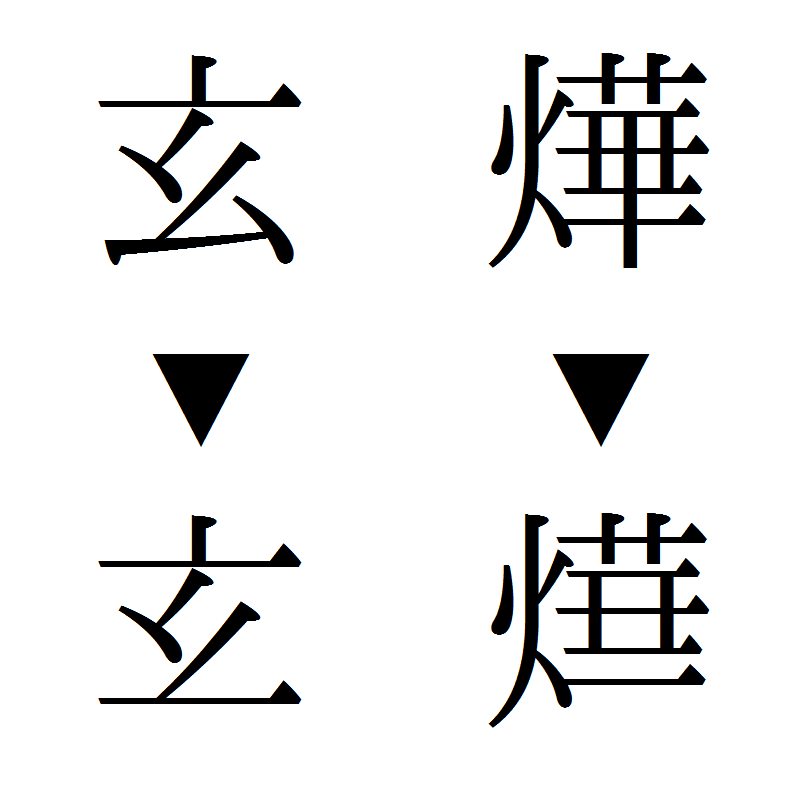 🇨🇳 China and 2 moreNaming taboo避諱
A cultural rule against speaking or writing the names of rulers and ancestors in East AsiaBelief · Protection Historical
🇨🇳 China and 2 moreNaming taboo避諱
A cultural rule against speaking or writing the names of rulers and ancestors in East AsiaBelief · Protection Historical
 🇨🇳 China and 1 moreLuoshu Square洛書
An ancient Chinese three-by-three magic square linked to geomancy and numerologyTradition · Power and authority · Wonder and entertainment Historical
🇨🇳 China and 1 moreLuoshu Square洛書
An ancient Chinese three-by-three magic square linked to geomancy and numerologyTradition · Power and authority · Wonder and entertainment Historical
 🇯🇵 JapanInugami犬神
A Japanese spirit of dog possession and folk sorceryBelief · Cursing and harm · Power and authority Historical
🇯🇵 JapanInugami犬神
A Japanese spirit of dog possession and folk sorceryBelief · Cursing and harm · Power and authority Historical
Related elsewhere
All belief 🇮🇳 India and 1 moreNavagrahaनवग्रह
A group of nine celestial deities in Hinduism that govern fate and astrologyTradition · Protection · Luck and prosperity Living
🇮🇳 India and 1 moreNavagrahaनवग्रह
A group of nine celestial deities in Hinduism that govern fate and astrologyTradition · Protection · Luck and prosperity Living
 🇲🇽 Mexico and 2 moreChild sacrifice
The ritual killing of children to appease deities or restore cosmic order in ancient culturesRite · Cursing and harm · Speaking with spirits and the dead Historical
🇲🇽 Mexico and 2 moreChild sacrifice
The ritual killing of children to appease deities or restore cosmic order in ancient culturesRite · Cursing and harm · Speaking with spirits and the dead Historical
 🇬🇷 Greece and 5 moreCrossroads (folklore)
A junction between worlds where spirits are met and deals are madeBelief · Speaking with spirits and the dead · Cursing and harm Living
🇩🇪 Germany and 3 moreSixth and Seventh Books of Moses
A grimoire claiming to reveal the hidden spells of Moses for controlling spirits and natureText · Power and authority · Speaking with spirits and the dead Historical
🇬🇷 Greece and 5 moreCrossroads (folklore)
A junction between worlds where spirits are met and deals are madeBelief · Speaking with spirits and the dead · Cursing and harm Living
🇩🇪 Germany and 3 moreSixth and Seventh Books of Moses
A grimoire claiming to reveal the hidden spells of Moses for controlling spirits and natureText · Power and authority · Speaking with spirits and the dead Historical