
Kuai Kuai culture
In its own language: 乖乖文化
A Taiwanese custom of placing obedient snacks on machines to ensure smooth operation
This practice involves placing bags of Kuai Kuai snacks near or on equipment in Taiwan. People believe the name means well-behaved and will stop errors. It is common in workplaces and server rooms.
- Green bags are required to match the green status light.
- Expired snacks must be replaced immediately to maintain efficacy.
- TSMC ordered special editions after earthquake repairs in 2016.
- Microsoft Taiwan collaborated on a Peacock rice puff edition.
- Skeptics view the practice as a placebo for stressed engineers.
What it is
Kuai Kuai culture is a workplace tradition in Taiwan where people place bags of a specific corn snack next to or on top of machines. The brand name translates to 'obedient' or 'well-behaved.' Practitioners hold that this placement helps devices function without errors. It is found in many types of workplaces across the island. The practice acts as a charm for technical reliability.
Where it comes from
The snack company was established in 1968. The custom of putting these snacks on machines was first documented in 2008. It started in the information technology sector. It has since spread to other industries. The belief relies on the literal meaning of the product's name.
How it is done
Workers place unopened snack bags on equipment. A strict set of rules guides this action. Only green bags are used because they match the green indicator light for correct function. Yellow or red bags represent problems or love and are avoided for machines. Expired packages must be replaced immediately. Damaged bags are removed to prevent pest infestation. No one is allowed to eat the displayed snacks.
Tools and materials
The primary tool is the green bag of coconut-flavored puff corn snacks. The color green symbolizes normal operation. Other colors like yellow for wealth or red for romance are not suitable for technical machinery. The physical presence of the package is the key element. The expiration date is also treated as a critical component of the ritual.
Kuai Kuai culture, drawn and placed
- Living
- Revived
- Fading
- Historical
- Legendary
- Performed
- Timing
- during work hours
What it is for
People use this practice to prevent machine failures and system crashes. Engineers and technicians place the snacks to ensure stability. It serves as a psychological comfort or placebo for workers. Some view it as a way to manage stress during high-pressure tasks like tax collection periods. It aims to bring order to complex systems.
Who does it
Engineers, IT staff, and office workers in Taiwan perform this custom. It is part of the daily routine in server rooms and control centers. There is no formal training required. Anyone working with machinery can participate. The practice is informal but follows rigid social conventions regarding color and freshness.
Peoples and places
This tradition is unique to Taiwan. It is deeply embedded in the local tech industry. Companies like TSMC and Microsoft Taiwan have adopted it. Even government offices and hospitals use the snacks. The custom has influenced international partners who export Taiwanese technology. It reflects a distinct local approach to workplace superstition.
At a glance: who, where and when
Who does it
Peoples
Belief worlds
Occasions


What people believe
The core belief is that the word 'obedient' influences the behavior of electronics. Machines are thought to respond to the symbolic command. Skeptics argue this is a coincidence or a placebo effect. Professor Chiang Tsan-teng notes that the stabilizing effects are likely mental rather than physical. The practice persists despite scientific skepticism.
When it is done
The snacks are placed daily in operational environments. They are refreshed whenever they expire or show damage. Special editions are created for major events like satellite launches or factory repairs. The Ministry of Finance used them during tax season overload. There are no specific annual festivals tied to this custom.
How scholars and sceptics see it
Some observers classify the practice as superstition. Movie director Chi Po-lin jokes about writing his name on the bag to avoid being fooled. Academic views suggest the snack acts as a placebo for engineers. Researchers point out that the actual mechanical function remains unaffected by the presence of food. The belief is seen as a cultural coping mechanism.
Cautions and what is closed
Improper usage has been blamed for some accidents. Using the wrong color bag is considered a serious error. Eating the ritual snacks is strictly forbidden. Pests may infest damaged packaging if not monitored. The financial cost of expired products adds to the burden. Misunderstanding the color codes can lead to criticism from colleagues.
Compare and confuse
This differs from traditional religious talismans. It uses a commercial food product instead of sacred objects. Similar beliefs exist in other cultures involving lucky charms. However, the specific focus on brand names and color coding is distinct. It resembles corporate branding more than ancient folklore.
Law and persecution
There are no laws regulating this practice. It is an informal workplace convention. Some companies have even included placement requirements in contracts with foreign partners. The snack company produces limited editions for corporate clients. Legal issues arise only if improper usage leads to negligence claims.
Questions people ask about Kuai Kuai culture
What is Kuai Kuai culture?
It is a Taiwanese workplace tradition where people place bags of Kuai Kuai snacks on machines. The name means obedient, and practitioners believe it prevents technical errors.
Why must the snack bag be green?
The green color matches the indicator light for correct machine function. Yellow and red bags represent abnormality or love, so they are avoided for technical equipment.
Where did this custom start?
The practice began in the information technology sector in Taiwan. It was first documented in 2008 and has since expanded to other industries and government offices.
Is there any scientific proof it works?
No. Experts like Professor Chiang Tsan-teng state the effects are likely a placebo. The belief is psychological rather than physical, serving as a comfort for workers.
Good reading and sources
- Kuai Kuai culture on WikipediaEncyclopedia
- More photos on Wikimedia CommonsPhotos and video
- Wikidata recordOpen data
The facts on this page come from the Wikipedia article "Kuai Kuai culture", written by its contributors and used under the CC BY-SA 4.0 licence, and from its Wikidata record (CC0). EveryJaadu rewrote the text in its own words, with AI assistance, and compares every page with the article to make sure no passage is copied. It may be reused under the same CC BY-SA 4.0 licence with a link back.
It may contain mistakes. Names and customs differ from one community to the next, and some knowledge is closed to outsiders and left out here. This page describes belief and practice. It does not say that any of it works, it is not a how-to, and it is not medical advice. If something is wrong, tell us. Last refreshed 2026-10-06.
More from Taiwan
All the entries from Taiwan 🇨🇳 China and 2 moreEight Immortals八仙
Eight legendary Taoist figures of China, each with a power and a vesselFigure · Protection · Healing Living
🇨🇳 China and 2 moreEight Immortals八仙
Eight legendary Taoist figures of China, each with a power and a vesselFigure · Protection · Healing Living
 🇨🇳 China and 5 moreQingming Festival清明节
A spring day for sweeping graves, feeding the dead and honouring ancestorsTradition · Speaking with spirits and the dead · Protection Living
🇨🇳 China and 5 moreQingming Festival清明节
A spring day for sweeping graves, feeding the dead and honouring ancestorsTradition · Speaking with spirits and the dead · Protection Living
 🇨🇳 China and 1 moreAncestor veneration in China中國傳統宗法性宗教
Rites for dead kin who are thought to watch over the familyTradition · Protection · Speaking with spirits and the dead Living
🇨🇳 China and 1 moreAncestor veneration in China中國傳統宗法性宗教
Rites for dead kin who are thought to watch over the familyTradition · Protection · Speaking with spirits and the dead Living
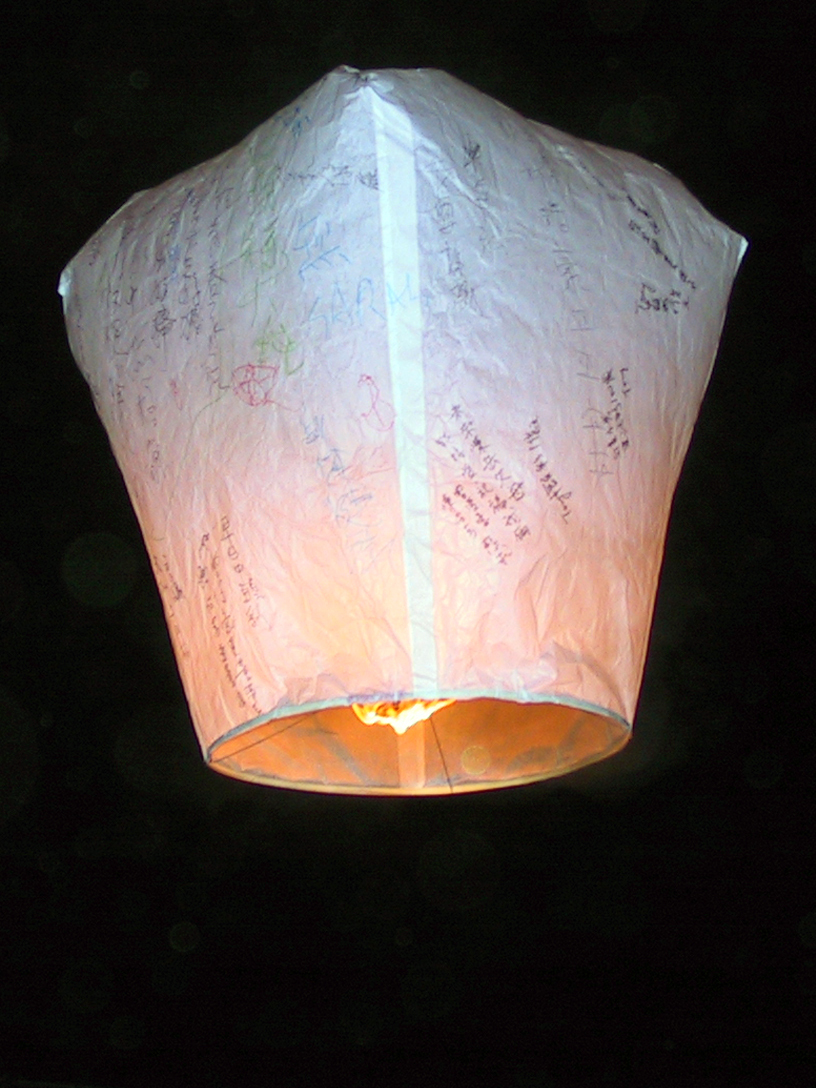 🇨🇳 China and 5 moreSky lantern天燈
A paper hot air balloon lifted by flame to carry wishes and blessingsRite · Luck and prosperity · Protection Living
🇨🇳 China and 5 moreSky lantern天燈
A paper hot air balloon lifted by flame to carry wishes and blessingsRite · Luck and prosperity · Protection Living
Related elsewhere
All belief 🇪🇬 Egypt and 1 moreSphinx
A mythical hybrid with a human head and lion body, serving as guardian or riddler in Egyptian and Greek traditions.Being · Protection · Wonder and entertainment Legendary
🇪🇬 Egypt and 1 moreSphinx
A mythical hybrid with a human head and lion body, serving as guardian or riddler in Egyptian and Greek traditions.Being · Protection · Wonder and entertainment Legendary
 🇧🇪 Belgium and 2 moreHorseshoe
A metal shoe for a horse's hoof and a talisman of good fortuneCharm · Protection · Luck and prosperity Living
🇧🇪 Belgium and 2 moreHorseshoe
A metal shoe for a horse's hoof and a talisman of good fortuneCharm · Protection · Luck and prosperity Living
 🇪🇬 Egypt and 3 moreAmulet
A portable object worn or carried to ward off harm and invite fortuneCharm · Protection · Luck and prosperity Living
🇪🇬 Egypt and 3 moreAmulet
A portable object worn or carried to ward off harm and invite fortuneCharm · Protection · Luck and prosperity Living
 🇹🇷 Turkey and 5 moreEvil eye
A curse caused by an envious look and the charms used to block itBelief · Protection · Cursing and harm Living
🇹🇷 Turkey and 5 moreEvil eye
A curse caused by an envious look and the charms used to block itBelief · Protection · Cursing and harm Living