
Kitsunebi
In its own language: 狐火
from Japanese kitsune (fox) and bi (fire)
Atmospheric ghost lights in Japanese folklore, often linked to foxes and natural phenomena.
Kitsunebi are mysterious flames described in legends throughout Japan outside Okinawa. They appear as flickering lines of light that guide or mislead travelers, and some traditions view them as omens for harvests or signs of fox activity.
- Kitsunebi are atmospheric ghost lights in Japanese folklore.
- They appear as flickering lines of red, orange, or blue light.
- Legends say foxes use them to trick or guide humans.
- In Ōji, counting lights predicted harvest yields.
- Scholars link them to light refraction or phosphorus.
What it is
Kitsunebi refers to atmospheric ghost lights found in Japanese folklore. These lights appear as flickering flames, often arranged in a line resembling a paper lantern or torch. They emerge in areas without human presence, such as hillsides or paths without roads. Witnesses describe the lights appearing and disappearing suddenly, sometimes multiplying before vanishing entirely. The phenomenon is generally associated with foxes, who are believed to use these lights to trick humans or guide them astray. In some accounts, the lights serve as a beacon for a fox's marriage procession.
Where it comes from
The concept of kitsunebi appears in various Edo Period writings and local legends across Japan. Folklorists have traced the belief to stories about foxes using their breath, tails, or glowing balls to create fire. Some texts suggest the term "fox" in this context may refer to withered or rotten wood rather than the animal itself. The lights are also linked to phosphorus from bones or hypha on decaying trees. Research by Yoshiharu Tsunda in 1977 proposed that light refraction in alluvial fans explains most sightings, though other theories like petroleum combustion or ball lightning remain.
How it is done
Legends describe kitsunebi appearing in lines of ten to several hundred lights. They flicker in and out, moving across distances up to one ri. The lights often vanish when pursued, only to reappear elsewhere. In some regions, kicking at the lights was believed to disperse them. Encounters were sometimes followed by fever, suggesting a connection to divine spirits that bring misfortune. In Ōji Inari, foxes were said to gather under an enoki tree on Ōmisoka night, forming a spectacle used to predict harvest yields.
Tools and materials
The lights are compared to paper lanterns, torches, and glowing balls called kitsunebi-tama. Some accounts mention foxes holding horse bones or human skulls in their mouths to create fire. The glow is sometimes attributed to phosphorus from bones or light from hypha clinging to withered trees. In certain areas, the lights are described as floating low to the ground, while others fly high.
Kitsunebi, drawn and placed
- Living
- Revived
- Fading
- Historical
- Legendary
- Performed
- Lineage
- Japanese yōkai tradition
- Timing
- spring through autumn, especially summer and winter
What it is for
Kitsunebi serves multiple roles in folklore. It can be a trick to mislead travelers, a guide to suitable locations for building castles, or an omen of good harvests. In Ōji, counting the lights helped peasants forecast the coming year's yield. The lights are also seen as part of a fox's wedding procession, bringing luck. Conversely, they can signal danger, as encounters may lead to illness or misfortune.
Who does it
Scholars and folklorists study kitsunebi as part of Japanese yōkai tradition. Researchers like Kimimori Sarashina and Enryō Inoue have analyzed legends and natural explanations. Local communities historically observed the lights, particularly during festivals like Ōmisoka. The practice of interpreting kitsunebi involves observing patterns, counting lights, and noting weather conditions.
Peoples and places
Kitsunebi is known throughout Japan outside Okinawa. Regional names include hitobosu, hitomoshi, and rinka. In Dewa Province and Akita, they are called kitsune taimatsu, meaning fox torch. In Bizen and Tottori, they are known as chūko, which float low. Different areas attribute varying meanings to the lights, from harvest omens to fox marriages. The phenomenon is tied to specific landscapes like alluvial fans and rural hillsides.
At a glance: who, where and when
Who does it
Peoples
Belief worlds


What people believe
Kitsunebi is rooted in the belief that foxes possess magical abilities to create fire. Some traditions hold that foxes use glowing balls or bones to produce light. The lights are also linked to divine spirits that cause harm upon unprepared encounters. Natural explanations, such as phosphorus combustion or light refraction, compete with supernatural interpretations. The distinction between kitsunebi and onibi remains a topic of discussion among scholars.
When it is done
Kitsunebi appears primarily between spring and autumn, especially during hot summers and cloudy weather changes. They are also noted in winter, as referenced in haiku by Masaoka Shiki. A major observation occurs on Ōmisoka night at Ōji Inari, where foxes gather in a procession. Farmers count the lights to predict harvest outcomes, tying the phenomenon to agricultural cycles.
How scholars and sceptics see it
Folklorists like Yoshiharu Tsunda attribute kitsunebi to light refraction in alluvial fans. Others link the lights to phosphorus from bones or hypha on decaying wood. Enryō Inoue explored connections to divine spirits and misfortune. Scholars note that while natural explanations cover many cases, some sightings remain unexplained. The debate continues between supernatural folklore and scientific hypotheses.
Cautions and what is closed
Encountering kitsunebi is sometimes associated with falling ill, suggesting a risk of misfortune. The lights can mislead travelers, causing them to lose their way. In Ōji, the spectacle was once a significant community event, but the sacred enoki tree withered in the Meiji period. Modern commemorations, like the Ōji Kitsune's Procession, preserve the legend without the original risks.
Compare and confuse
Kitsunebi is often confused with onibi, though they are usually considered separate. Similar phenomena include shiranui and will-o'-the-wisp. Regional variations like kitsune taimatsu and chūko highlight different interpretations of the same basic concept. The lights share traits with other atmospheric ghost lights, such as flickering and sudden disappearance.
Questions people ask about Kitsunebi
What are kitsunebi?
Kitsunebi are mysterious flames described in Japanese legends. They appear as flickering lights, often in lines, and are associated with foxes. They can mislead travelers or serve as omens for harvests.
Where do kitsunebi come from?
Kitsunebi originate from Japanese folklore, particularly outside Okinawa. Legends attribute them to foxes using fire, bones, or glowing balls. Natural explanations include light refraction and phosphorus combustion.
What do kitsunebi look like?
They resemble paper lanterns or torches, flickering in lines of ten to several hundred. Colors range from red and orange to blue. They appear and disappear suddenly, sometimes multiplying before vanishing.
Are kitsunebi dangerous?
Some legends suggest encounters can cause fever or misfortune. The lights may also mislead travelers, causing them to lose their way. However, they are not inherently harmful, serving instead as omens or tricks.
How are kitsunebi interpreted today?
Modern scholars view kitsunebi through folklore and science. Some attribute them to light refraction or phosphorus. Communities preserve the legend through events like the Ōji Kitsune's Procession, maintaining cultural memory.
Good reading and sources
- Kitsunebi on WikipediaEncyclopedia
- More photos on Wikimedia CommonsPhotos and video
- Wikidata recordOpen data
The facts on this page come from the Wikipedia article "Kitsunebi", written by its contributors and used under the CC BY-SA 4.0 licence, and from its Wikidata record (CC0). EveryJaadu rewrote the text in its own words, with AI assistance, and compares every page with the article to make sure no passage is copied. It may be reused under the same CC BY-SA 4.0 licence with a link back.
It may contain mistakes. Names and customs differ from one community to the next, and some knowledge is closed to outsiders and left out here. This page describes belief and practice. It does not say that any of it works, it is not a how-to, and it is not medical advice. If something is wrong, tell us. Last refreshed 2026-10-05.
More from Japan
All the entries from Japan 🇨🇳 China and 2 moreNaming taboo避諱
A cultural rule against speaking or writing the names of rulers and ancestors in East AsiaBelief · Protection Historical
🇨🇳 China and 3 moreQi氣 / 气
A vital force in Chinese philosophy and medicine, believed to flow through all living things.Substance · Healing · Power and authority Living
🇨🇳 China and 2 moreNaming taboo避諱
A cultural rule against speaking or writing the names of rulers and ancestors in East AsiaBelief · Protection Historical
🇨🇳 China and 3 moreQi氣 / 气
A vital force in Chinese philosophy and medicine, believed to flow through all living things.Substance · Healing · Power and authority Living
 🇯🇵 JapanInugami犬神
A Japanese spirit of dog possession and folk sorceryBelief · Cursing and harm · Power and authority Historical
🇯🇵 JapanInugami犬神
A Japanese spirit of dog possession and folk sorceryBelief · Cursing and harm · Power and authority Historical
Related elsewhere
All belief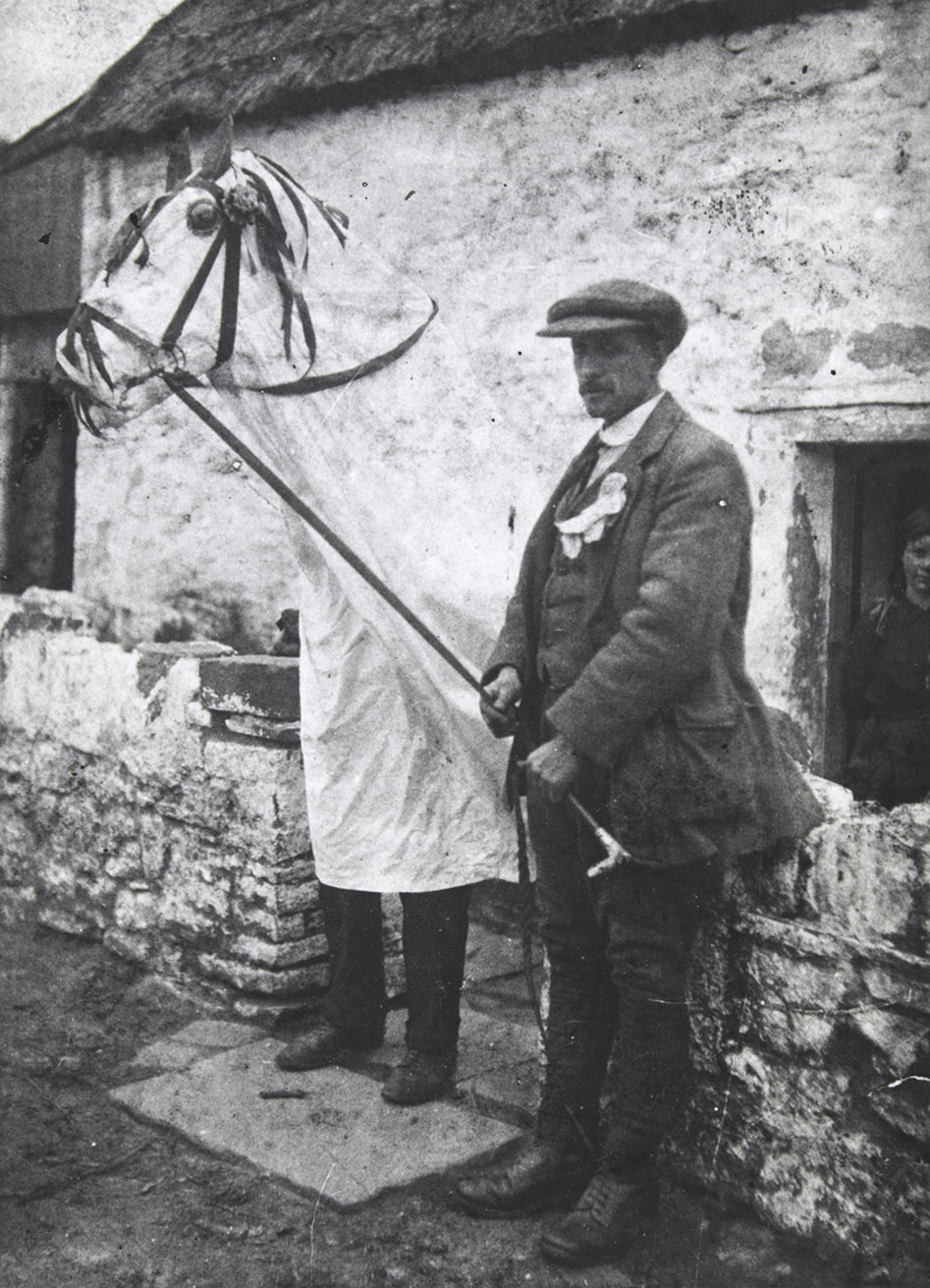 🇬🇧 United KingdomMari LwydY Fari Lwyd
A Welsh winter custom featuring a horse skull carried through villages for song and hospitality.Rite · Luck and prosperity · Wonder and entertainment Revived
🇬🇧 United KingdomMari LwydY Fari Lwyd
A Welsh winter custom featuring a horse skull carried through villages for song and hospitality.Rite · Luck and prosperity · Wonder and entertainment Revived
 🇮🇪 Ireland and 5 moreCairn
A human-made stack of stones used as a marker, memorial, or religious symbol across many cultures.Tradition · Protection · Speaking with spirits and the dead Living
🇮🇪 Ireland and 5 moreCairn
A human-made stack of stones used as a marker, memorial, or religious symbol across many cultures.Tradition · Protection · Speaking with spirits and the dead Living
 🇷🇺 Russia and 3 moreFirebird
A glowing bird of Slavic folklore that brings both fortune and peril to those who seek itFigure · Wonder and entertainment · Luck and prosperity Legendary
🇷🇺 Russia and 3 moreFirebird
A glowing bird of Slavic folklore that brings both fortune and peril to those who seek itFigure · Wonder and entertainment · Luck and prosperity Legendary
 🇩🇪 Germany and 5 moreStraw bearStrohbär
A carnival figure wrapped in straw that visits homes for gifts and marks the turning of seasons.Tradition · Luck and prosperity · Cursing and harm Living
🇩🇪 Germany and 5 moreStraw bearStrohbär
A carnival figure wrapped in straw that visits homes for gifts and marks the turning of seasons.Tradition · Luck and prosperity · Cursing and harm Living