
Goryō
In its own language: 御霊
from the kanji go (honorable) and ryō (soul)
A Japanese belief in appeasing vengeful spirits through Shinto shrines
Goryō are honored spirits of people who died unfairly or in political defeat. In Japan, their restless energy is believed to cause plagues and disasters until they are enshrined as kami.
- Goryō are honored spirits of those who died unfairly
- Enshrining them as kami stops plagues and disasters
- Prince Sawara was the first recorded goryō in 785
- Sugawara no Michizane became the god Tenjin
- The term combines go (honorable) and ryō (soul)
What it is
Goryō refers to honored spirits, often used interchangeably with onryō, which are vengeful ghosts. These entities are typically noble figures who lost power struggles or died young from disease. Their unresolved anger is believed to manifest as hauntings, pestilence, or famine. To stop these calamities, communities enshrine them as kami within Shinto shrines. This practice transforms a dangerous spirit into a protective deity, integrating it into the local religious landscape.
Where it comes from
The concept predates the Nara period (710–794), where spirits of the unfairly treated were feared. During the Heian period (794–1185), the focus shifted to nobles defeated in politics. Prince Sawara was exiled to Awaji Island in 785 and died there. Following his death, a plague struck Kyoto, blamed on his spirit. In 794, the Kamigoryo Shrine was built to appease him, marking a key moment in this tradition.
How it is done
Practitioners identify a spirit causing disaster and build a shrine to honor it. The process involves restoring the deceased's titles and rank to placate their anger. Once the spirit is deified as a kami, it is worshipped to prevent further harm. This ritual appeasement turns a source of fear into a guardian figure, stabilizing the community through religious integration rather than exorcism.
Tools and materials
The primary tools are Shinto shrines and official court ranks. Enshrining a goryō requires elevating their posthumous status, such as granting them high government titles. The physical shrine serves as the anchor for the spirit, allowing the community to interact with the kami safely and respectfully.
Goryō, drawn and placed
- Living
- Revived
- Fading
- Historical
- Legendary
- Performed
- Lineage
- Shinto goryō shinko
What it is for
The main intent is protection from natural disasters and disease. Communities seek to neutralize the threat of plague by honoring the angry spirit. It also serves to restore justice for those who suffered politically, giving them a divine voice and status they lacked in life.
Who does it
Shinto priests manage the shrines and conduct the rites to appease the spirits. The imperial court historically played a role by granting titles and building shrines. Ordinary households participate by worshipping the newly established kami, seeking their protection against future calamities.
Peoples and places
This tradition is specific to Japanese history and culture. It emerged among the nobility during the Heian period and spread through state-supported shrines. The most famous example is Sugawara no Michizane, whose spirit caused storms and fires after his exile. He was deified as Tenjin, the patron of scholars and those facing injustice.
At a glance: who, where and when
Peoples
Belief worlds
What people believe
The worldview holds that unjust death creates a powerful, lingering resentment. This energy can disrupt the natural order, causing weather anomalies and sickness. By recognizing the spirit's status and offering worship, the community restores balance. The spirit becomes a kami, shifting from a destructive force to a benevolent protector.
How scholars and sceptics see it
Historians view goryō shinko as a response to political instability and public health crises. Anthropologists note how societies transform fear into reverence. The practice reflects a desire to control unpredictable events like plagues by attributing them to human grievances and resolving them through religious means.
Compare and confuse
Goryō are closely related to onryō, but goryō specifically implies a path to deification. They differ from general yurei, which are wandering ghosts without a shrine. The concept shares similarities with other cultures' appeasement of ancestral spirits, though the Japanese method emphasizes political restoration and kami status.
Questions people ask about Goryō
What is a goryō?
A goryō is an honored spirit, often a noble who died unfairly. Their anger is believed to cause disasters until they are enshrined as a protective kami.
Where does the word come from?
It comes from the kanji go, meaning honorable, and ryō, meaning soul. Together they denote a respected spirit.
How do you stop a goryō from causing harm?
By building a shrine and restoring the person's lost titles. This appeases their spirit and transforms them into a benevolent deity.
Who is the most famous goryō?
Sugawara no Michizane is known as Tenjin. After his exile and death, he was deified as the patron of scholars and justice.
Good reading and sources
The facts on this page come from the Wikipedia article "Goryō", written by its contributors and used under the CC BY-SA 4.0 licence, and from its Wikidata record (CC0). EveryJaadu rewrote the text in its own words, with AI assistance, and compares every page with the article to make sure no passage is copied. It may be reused under the same CC BY-SA 4.0 licence with a link back.
It may contain mistakes. Names and customs differ from one community to the next, and some knowledge is closed to outsiders and left out here. This page describes belief and practice. It does not say that any of it works, it is not a how-to, and it is not medical advice. If something is wrong, tell us. Last refreshed 2026-10-09.
More from Japan
All the entries from Japan 🇨🇳 China and 5 moreGhost FestivalZhongyuan Festival; Yulanpen Festival
A festival to feed wandering spirits and guide them home during the seventh lunar month.Tradition · Speaking with spirits and the dead · Protection Living
🇨🇳 China and 5 moreGhost FestivalZhongyuan Festival; Yulanpen Festival
A festival to feed wandering spirits and guide them home during the seventh lunar month.Tradition · Speaking with spirits and the dead · Protection Living
 🇯🇵 JapanOnmyōdō陰陽道
A Japanese system of divination and calendar science rooted in yin-yang philosophyTradition · Seeing and foretelling · Protection Revived
🇯🇵 JapanOnmyōdō陰陽道
A Japanese system of divination and calendar science rooted in yin-yang philosophyTradition · Seeing and foretelling · Protection Revived
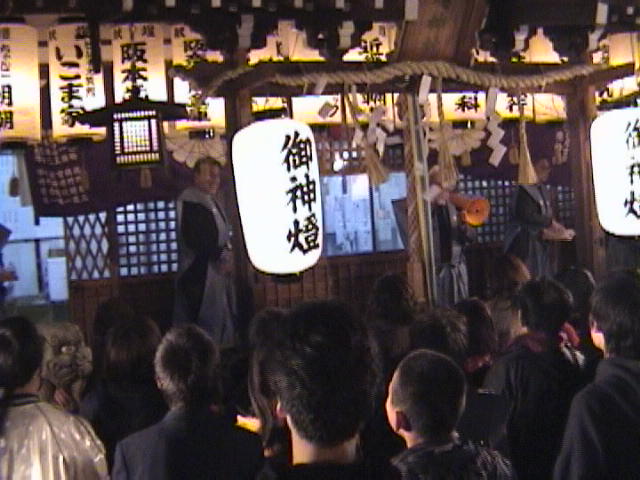 🇯🇵 JapanSetsubun節分
A Japanese seasonal rite to drive away bad luck and welcome spring with roasted beansRite · Protection · Luck and prosperity Living
🇯🇵 JapanSetsubun節分
A Japanese seasonal rite to drive away bad luck and welcome spring with roasted beansRite · Protection · Luck and prosperity Living
Related elsewhere
All belief 🇸🇳 Senegal and 1 moreSerer religionA ƭat Roog
The traditional faith of the Serer people, centred on the supreme deity Roog and ancestral veneration.Tradition · Protection · Speaking with spirits and the dead Living
🇸🇳 Senegal and 1 moreSerer religionA ƭat Roog
The traditional faith of the Serer people, centred on the supreme deity Roog and ancestral veneration.Tradition · Protection · Speaking with spirits and the dead Living
 🇮🇶 Iraq and 5 moreGrimoire
A textbook containing instructions for spells, rituals, and the creation of magical objects.Text · Protection · Healing Historical
🇮🇶 Iraq and 5 moreGrimoire
A textbook containing instructions for spells, rituals, and the creation of magical objects.Text · Protection · Healing Historical
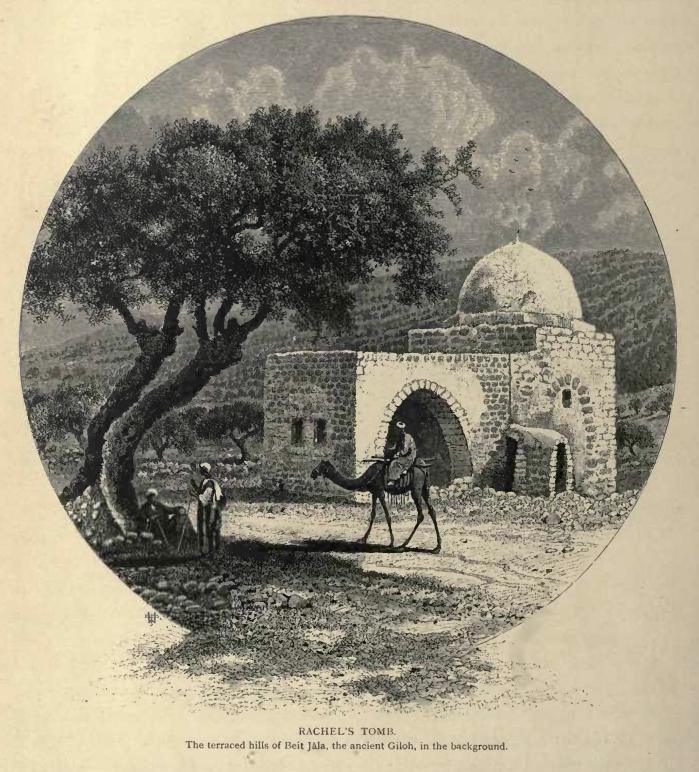 🇵🇸 Palestine and 1 moreRachel's TombQever Raḥel; Qabr Rāḥīl
A shared holy site near Bethlehem revered by Jews, Christians, and MuslimsTradition · Speaking with spirits and the dead · Protection Living
🇵🇸 Palestine and 1 moreRachel's TombQever Raḥel; Qabr Rāḥīl
A shared holy site near Bethlehem revered by Jews, Christians, and MuslimsTradition · Speaking with spirits and the dead · Protection Living
 🇮🇹 ItalyLectisternium
An ancient Roman ritual where couches were draped and meals served to gods.Rite · Protection · Speaking with spirits and the dead Historical
🇮🇹 ItalyLectisternium
An ancient Roman ritual where couches were draped and meals served to gods.Rite · Protection · Speaking with spirits and the dead Historical