
Hyakki Yagyō
In its own language: 百鬼夜行
from Japanese hyakki meaning one hundred demons and yagyō meaning night parade
A Japanese folklore concept of a night parade of supernatural creatures
Hyakki Yagyō is a Japanese idiom describing a procession of yōkai and oni that march through streets at night. The event is believed to bring peril to those who witness it, though protection exists for the initiated.
- Hyakki Yagyō means Night Parade of One Hundred Demons
- Led by Nurarihyon according to some legends
- Protected by Onmyoji exorcism scrolls
- Chanting a specific spell ensures safety
- Featured in 16th century handscrolls
What it is
The term Hyakki Yagyō refers to a legendary night parade of supernatural beings in Japan. It involves thousands of yōkai and oni moving through towns and cities. The procession can appear orderly or chaotic. It represents a moment when the spirit world intersects with human territory. This event is viewed as dangerous for ordinary people. Witnesses face death or abduction by the spirits. The concept shares similarities with Western ideas of pandemonium but remains distinct in its cultural context.
Where it comes from
The tradition spans over a thousand years of Japanese history. It has served as a common theme in storytelling and visual art. No single canonical definition exists due to its long evolution. Legends vary on how the parade begins and who leads it. Some accounts link the event to specific celestial cycles. Others focus on the leadership of figures like Nurarihyon. The exact historical origins remain unclear within the folklore.
How it is done
Survival depends on avoiding contact with the spirits. Staying indoors during specific zodiac nights offers safety. Chanting a particular magic spell provides another layer of protection. Exorcism scrolls written by Onmyōji practitioners ward off harm. Only the head of an Onmyōji clan can walk past unharmed. The ritual acts are defensive measures against the approaching horde.
Tools and materials
Protection relies on handwritten exorcism scrolls. These documents must be created by trained Onmyōji spell-casters. A specific incantation serves as a verbal shield. The spell consists of a sequence of syllables recited aloud. Artistic depictions often show the demons themselves as the primary visual element.
Hyakki Yagyō, drawn and placed
- Living
- Revived
- Fading
- Historical
- Legendary
- Performed
- Lineage
- Japanese folklore
- Timing
- during summer nights
What it is for
The belief warns against wandering at night during specific times. It explains sudden misfortunes or disappearances as spirit abductions. The legend reinforces respect for hidden spiritual forces. It also highlights the power of specialized religious practitioners. The Onmyōji role is central to maintaining safety from these entities.
Who does it
Onmyōji are the key figures associated with this phenomenon. They are trained in spell-casting and divination. Only the leader of an Onmyōji clan possesses sufficient strength to survive the parade. Other practitioners create protective scrolls for households. Their authority is derived from their mastery of esoteric knowledge.
Peoples and places
The tradition is rooted in Japanese culture. It appears in various medieval texts and encyclopedias. Stories mention encounters in Kyoto and other urban centers. The legends have influenced modern Japanese media and art. The concept remains a staple of Japanese folkloric studies.
At a glance: who, where and when
Peoples
Belief worlds
What people believe
Yōkai are supernatural creatures that inhabit the spirit world. Oni are powerful demons often associated with chaos. The parade occurs when these beings cross into human space. Protection requires specific rituals or divine intervention. The Onmyōji serve as intermediaries between humans and spirits.
When it is done
The parade is said to happen during summer nights. Specific dates may align with the Chinese zodiac cycle. The timing suggests a seasonal shift in spiritual activity. Folklore links the event to periods of heightened supernatural energy.
How scholars and sceptics see it
Folklorists study the Hyakki Yagyō as a cultural artifact. The concept appears in numerous historical manuscripts. Researchers analyze its evolution across different literary periods. The variety of accounts makes defining a core meaning difficult. Scholars view it as a reflection of societal fears about the unknown.
Cautions and what is closed
Witnessing the parade is considered fatal for unprepared individuals. Abduction by yōkai is a common outcome of exposure. The danger is real within the framework of the belief system. Protection requires specific knowledge or artifacts. Ignorance of the rituals leaves one vulnerable to the spirits.
Compare and confuse
The concept resembles the Wild Hunt or Santa Compaña in Europe. All involve processions of supernatural beings. However, the Japanese version focuses on yōkai rather than ghosts or animals. The term Hyakki Yakō is an alternative transliteration. Modern media often reinterprets the traditional legend.
Questions people ask about Hyakki Yagyō
What is Hyakki Yagyō?
It is a Japanese folklore concept describing a night parade of yōkai and oni. The procession moves through streets, posing a threat to anyone who witnesses it.
Where does this belief come from?
The tradition originates in Japan and has existed for over a thousand years. It appears in medieval texts and has influenced Japanese art and literature significantly.
How can one survive the parade?
Safety comes from staying indoors during specific zodiac nights or chanting a protective spell. Onmyoji scrolls also offer defense against the approaching spirits.
Who leads the Hyakki Yagyō?
Some legends state that the yōkai Nurarihyon leads the procession. He guides the other spirits through the streets during summer nights.
Good reading and sources
- Hyakki Yagyō on WikipediaEncyclopedia
- More photos on Wikimedia CommonsPhotos and video
- Wikidata recordOpen data
The facts on this page come from the Wikipedia article "Hyakki Yagyō", written by its contributors and used under the CC BY-SA 4.0 licence, and from its Wikidata record (CC0). EveryJaadu rewrote the text in its own words, with AI assistance, and compares every page with the article to make sure no passage is copied. It may be reused under the same CC BY-SA 4.0 licence with a link back.
It may contain mistakes. Names and customs differ from one community to the next, and some knowledge is closed to outsiders and left out here. This page describes belief and practice. It does not say that any of it works, it is not a how-to, and it is not medical advice. If something is wrong, tell us. Last refreshed 2026-10-05.
More from Japan
All the entries from Japan 🇨🇳 China and 2 moreNaming taboo避諱
A cultural rule against speaking or writing the names of rulers and ancestors in East AsiaBelief · Protection Historical
🇯🇵 JapanKitsunetsuki狐憑き
A Japanese folk belief in which a fox spirit enters and controls a human host.Belief · Cursing and harm · Speaking with spirits and the dead Historical
🇨🇳 China and 3 moreQi氣 / 气
A vital force in Chinese philosophy and medicine, believed to flow through all living things.Substance · Healing · Power and authority Living
🇨🇳 China and 2 moreNaming taboo避諱
A cultural rule against speaking or writing the names of rulers and ancestors in East AsiaBelief · Protection Historical
🇯🇵 JapanKitsunetsuki狐憑き
A Japanese folk belief in which a fox spirit enters and controls a human host.Belief · Cursing and harm · Speaking with spirits and the dead Historical
🇨🇳 China and 3 moreQi氣 / 气
A vital force in Chinese philosophy and medicine, believed to flow through all living things.Substance · Healing · Power and authority Living
 🇯🇵 JapanKitsunebi狐火
Atmospheric ghost lights in Japanese folklore, often linked to foxes and natural phenomena.Belief · Wonder and entertainment · Luck and prosperity Historical
🇯🇵 JapanKitsunebi狐火
Atmospheric ghost lights in Japanese folklore, often linked to foxes and natural phenomena.Belief · Wonder and entertainment · Luck and prosperity Historical
Related elsewhere
All belief 🇷🇸 Serbia and 5 moreVampire
An undead creature from folklore that feeds on the blood or life force of the livingBeing · Cursing and harm · Luck and prosperity Legendary
🇷🇸 Serbia and 5 moreVampire
An undead creature from folklore that feeds on the blood or life force of the livingBeing · Cursing and harm · Luck and prosperity Legendary
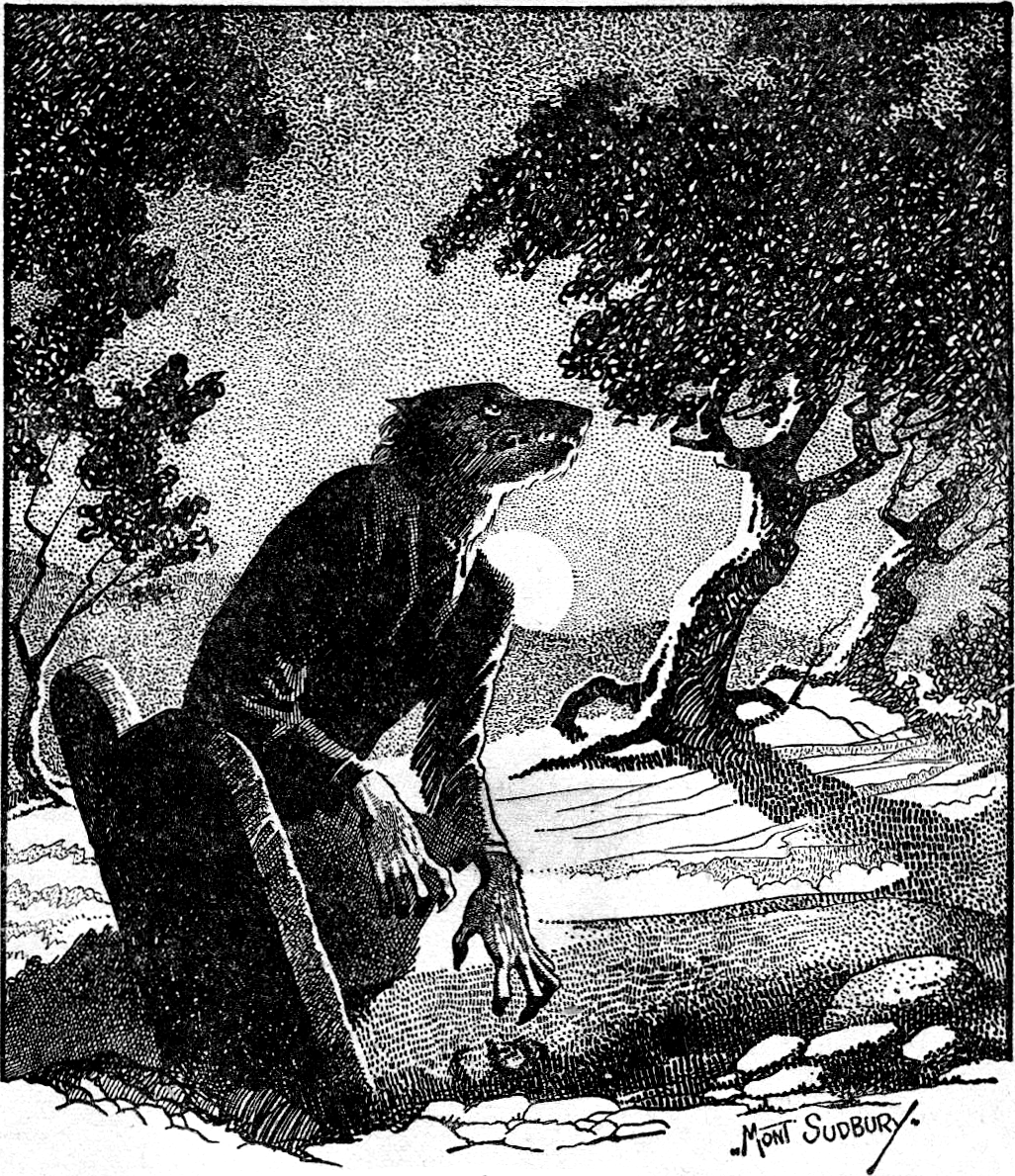 🇫🇷 France and 5 moreWerewolf
A mythical shapeshifter that turns into a wolf, central to European witch-hunts and Gothic horror.Being · Cursing and harm · Wonder and entertainment Legendary
🇫🇷 France and 5 moreWerewolf
A mythical shapeshifter that turns into a wolf, central to European witch-hunts and Gothic horror.Being · Cursing and harm · Wonder and entertainment Legendary
 🇪🇬 Egypt and 1 moreLilithלִילִית
A feminine figure from Mesopotamian and Jewish mythology, often depicted as a night demon or spirit.Being · Cursing and harm Legendary
🇪🇬 Egypt and 1 moreLilithלִילִית
A feminine figure from Mesopotamian and Jewish mythology, often depicted as a night demon or spirit.Being · Cursing and harm Legendary
 🇪🇬 EgyptCurse
A spoken wish for misfortune to befall a person or placeBelief · Cursing and harm · Luck and prosperity Historical
🇪🇬 EgyptCurse
A spoken wish for misfortune to befall a person or placeBelief · Cursing and harm · Luck and prosperity Historical