
Inugami
In its own language: 犬神
from Japanese words for dog and god or spirit
A Japanese spirit of dog possession and folk sorcery
Inugami refers to a spiritual entity or the act of possession by a dog spirit in western Japan. The belief involves rituals known as kodoku to bind these spirits for power or curses, often linked to specific bloodlines and regional folklore.
- Spirit possession by a dog entity in western Japan
- Created through forbidden kodoku rituals
- Associated with specific bloodlines and social stigma
- Described as small, mouse-like creatures in some regions
- Used for both protection and cursing enemies
What it is
The term inugami describes a dog spirit or the condition of being possessed by one. This phenomenon is rooted in western Japan and parts of Shikoku. It functions as both a supernatural entity and a method of spiritual control. People believe these spirits can grant wishes or bring misfortune. The concept overlaps with other animal possession beliefs like kitsunetsuki. It represents a complex layer of Japanese folk religion involving hidden powers and ancestral ties.
Where it comes from
The practice stems from kodoku, a feared ritual magic banned during the Heian period. One method involved burying a starving dog at a crossroads to amplify its rage. Another required burying a dog alive or burning it to bones before deifying the remains. These rites aimed to create a permanent bond between the spirit and a practitioner. Legends also attribute the spirits to fragments of mythical creatures or divine paintings meant to ward off wild boars.
How it is done
Rituals to create an inugami were secretive and dangerous. Practitioners might use dogs that were starved or forced to fight. The remains were treated with fire or burial at specific locations. The resulting spirit was believed to inhabit household items like chests or water jugs. Possession occurred when the spirit entered a person through the ears. Symptoms included chest pain, barking, and sudden emotional instability.
Tools and materials
The rituals relied on the physical remains of dogs. Bones, skulls, and dried maggots were central components. Crossroads served as key locations for burial rites. Vessels were used to store the processed remains. The spirits themselves were described as small, mouse-like creatures or spotted weasels rather than typical dogs. Their appearance varied by region, sometimes resembling bats or shrews.
Inugami, drawn and placed
- Living
- Revived
- Fading
- Historical
- Legendary
- Performed
- Lineage
- Japanese folklore
- Timing
- during illness or family crisis
What it is for
Families sought inugami for wealth and prosperity. The spirits were thought to understand household needs and fulfill desires. However, they could also act as curses against enemies. Some communities viewed them as protective forces, while others feared them as malevolent gods. The relationship was often transactional, requiring constant appeasement. Illnesses attributed to inugami were considered incurable by standard medicine.
Who does it
Sorcerers, miko, and yamabushi were known to perform these rituals. They often came from nomadic groups who faced social discrimination. Certain bloodlines were believed to carry the inugami trait. Families with this lineage faced marriage restrictions due to fear of contamination. Sorcerers would sometimes sell dried remains to those seeking protection or power.
Peoples and places
The belief is strongest in western Japan, particularly Ōita, Shimane, and Kōchi prefectures. Shikoku is considered a major center for these practices. Variations exist in Kyushu and Okinawa, with local names like ingami and irigami. In some areas, the spirits are associated with mice or weasels. Regional dialects and local legends shape the specific characteristics of the entities.
At a glance: who, where and when
Who does it
Peoples
Belief worlds
Occasions

What people believe
The worldview assumes that animal spirits can be captured and bound. Grudges and suffering are seen as sources of magical power. Bloodlines transmit these spiritual burdens across generations. The spirits operate within a hierarchy of yokai and folk deities. They are distinct from benevolent fox spirits, often carrying a darker reputation. The boundary between human and animal forms is fluid in this tradition.
When it is done
No specific festivals are tied to inugami. The rituals were performed in response to personal needs or crises. Marriage customs sometimes included checks for inugami bloodlines. The spirits were kept hidden within the home, away from public view. Their presence was managed through daily care and offerings rather than seasonal events.
How scholars and sceptics see it
Anthropologists study inugami as part of Japan's folk magic history. The practice reflects historical anxieties about disease and social outcasts. Scholars note the connection between kodoku and broader Asian shamanic traditions. The descriptions of inugami often mimic fox spirit lore, suggesting cultural borrowing. Modern interest focuses on the literary and media adaptations of these myths.
Cautions and what is closed
Families with inugami faced severe social stigma and isolation. Marrying into such families was often forbidden. Some communities practiced exile for those suspected of carrying the spirit. The rituals themselves were dangerous and involved animal cruelty. Historical records show that practitioners were sometimes prosecuted for their activities. The fear of inugami contributed to the marginalization of certain groups.
Compare and confuse
Inugami is frequently compared to kitsunetsuki, or fox possession. Both involve animal spirits entering human bodies. The rituals share similarities with other kodoku practices. In popular culture, the concept has been adapted into manga and anime. These modern versions often strip away the dark historical context, presenting the spirits as companions or monsters.
Questions people ask about Inugami
What is an inugami?
An inugami is a dog spirit or the state of being possessed by one in Japanese folklore. It is believed to grant wishes or cause illness depending on how it is managed.
Where does the belief come from?
The belief originates in western Japan, particularly in regions like Shikoku and Ōita. It is rooted in ancient rituals called kodoku that aimed to bind animal spirits.
How is an inugami created?
Traditional methods involve burying a dog at a crossroads or burning its remains. These rituals were designed to capture the animal's spirit for a practitioner.
What are the signs of possession?
Victims may experience chest pain, barking sounds, and emotional instability. The spirit is said to enter through the ears and alter the person's behavior.
Good reading and sources
The facts on this page come from the Wikipedia article "Inugami", written by its contributors and used under the CC BY-SA 4.0 licence, and from its Wikidata record (CC0). EveryJaadu rewrote the text in its own words, with AI assistance, and compares every page with the article to make sure no passage is copied. It may be reused under the same CC BY-SA 4.0 licence with a link back.
It may contain mistakes. Names and customs differ from one community to the next, and some knowledge is closed to outsiders and left out here. This page describes belief and practice. It does not say that any of it works, it is not a how-to, and it is not medical advice. If something is wrong, tell us. Last refreshed 2026-10-05.
More from Japan
All the entries from Japan 🇨🇳 China and 3 moreChinese dragon龍
A legendary water deity and imperial symbol in East Asian cultureBeing · Protection · Luck and prosperity Historical
🇨🇳 China and 3 moreChinese dragon龍
A legendary water deity and imperial symbol in East Asian cultureBeing · Protection · Luck and prosperity Historical
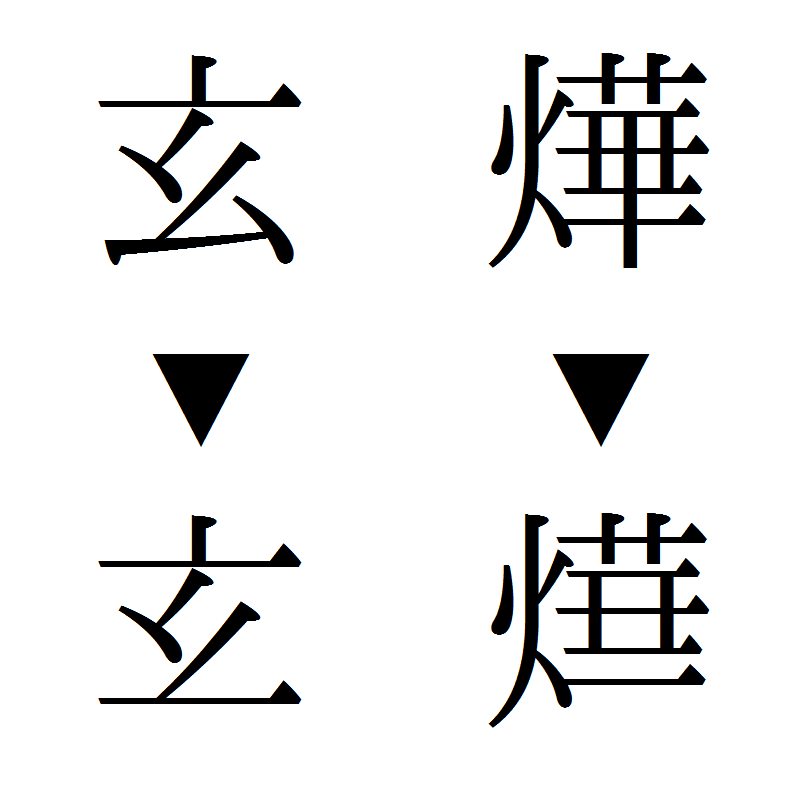 🇨🇳 China and 2 moreNaming taboo避諱
A cultural rule against speaking or writing the names of rulers and ancestors in East AsiaBelief · Protection Historical
🇯🇵 JapanKitsunetsuki狐憑き
A Japanese folk belief in which a fox spirit enters and controls a human host.Belief · Cursing and harm · Speaking with spirits and the dead Historical
🇨🇳 China and 2 moreNaming taboo避諱
A cultural rule against speaking or writing the names of rulers and ancestors in East AsiaBelief · Protection Historical
🇯🇵 JapanKitsunetsuki狐憑き
A Japanese folk belief in which a fox spirit enters and controls a human host.Belief · Cursing and harm · Speaking with spirits and the dead Historical
 🇯🇵 JapanKitsunebi狐火
Atmospheric ghost lights in Japanese folklore, often linked to foxes and natural phenomena.Belief · Wonder and entertainment · Luck and prosperity Historical
🇯🇵 JapanKitsunebi狐火
Atmospheric ghost lights in Japanese folklore, often linked to foxes and natural phenomena.Belief · Wonder and entertainment · Luck and prosperity Historical
Related elsewhere
All belief 🇮🇳 India and 1 moreYoginiयोगिनी
A female master of yoga and tantra, or a fierce goddess aspect in Indian temples.Tradition · Power and authority · Protection Historical
🇮🇳 India and 1 moreYoginiयोगिनी
A female master of yoga and tantra, or a fierce goddess aspect in Indian temples.Tradition · Power and authority · Protection Historical
 🇿🇦 South AfricaSympathetic magic
A magical principle based on imitation and contact to influence the worldTradition · Protection · Healing Historical
🇿🇦 South AfricaSympathetic magic
A magical principle based on imitation and contact to influence the worldTradition · Protection · Healing Historical
 🇮🇳 India and 2 moreHomaहोम
A fire ritual found across Asian religions where offerings are burned as a votive exchange with the divine.Rite · Protection · Speaking with spirits and the dead Living
🇮🇳 India and 2 moreHomaहोम
A fire ritual found across Asian religions where offerings are burned as a votive exchange with the divine.Rite · Protection · Speaking with spirits and the dead Living
 🇺🇦 Ukraine and 5 moreMugwortчорнобиль (chornóbyl')
An aromatic herb used in folk medicine, cooking, and magical protection across Eurasia.Substance · Protection · Healing Living
🇺🇦 Ukraine and 5 moreMugwortчорнобиль (chornóbyl')
An aromatic herb used in folk medicine, cooking, and magical protection across Eurasia.Substance · Protection · Healing Living