
Kamikiri
In its own language: 髪切り
from Japanese kami, meaning hair, and kiri, meaning cut
A Japanese yōkai blamed for the sudden disappearance of human hair
The kamikiri is a creature from Japanese folklore credited with shearing people's hair without their knowledge. These urban legends flourished during the Edo period, appearing in newspapers and diaries as mysterious incidents where victims found their hair cut while walking or sleeping.
- Kamikiri means hair-cutter in Japanese
- Legends flourished during the Edo period
- Victims often remained unaware of the attack
- Paper charms were sold for protection
- Some incidents were attributed to fox spirits
What it is
The kamikiri is a figure in Japanese folklore described as a supernatural entity that cuts human hair. It appears in stories from the Edo period and later Meiji era accounts. The creature is said to strike suddenly, leaving victims unaware until they discover their hair has been severed. Some tales describe it as an insect-like bug, while others depict it as a black, furry beast or a fox spirit.
Where it comes from
These legends emerged in Japan during the Edo period as urban rumors. Records of hair-cutting incidents appear intermittently from the seventeenth through nineteenth centuries. Early accounts attribute the phenomenon to various spirits, including foxes and insects. Later interpretations suggest human perpetrators, such as wig sellers or ascetics, may have fabricated the stories for profit or scapegoating.
How it is done
Victims report feeling a chill or a presence before waking to find their hair cut. In one famous case, a servant named Gin felt a cold draft while heading to a latrine and later discovered her tied hair lying on the floor. Other stories describe the creature striking from the shadows or lurking under roofs. The hair often falls intact, still tied in its original knot.
Tools and materials
Some accounts mention paper charms and amulets sold to ward off the creature. Paintings of the insect-like variant were distributed as protective talismans. A poem on these charms warned that worshiping a fierce god might result in wearing an uncuttable jadeite wig instead of natural hair.
Kamikiri, drawn and placed
- Living
- Revived
- Fading
- Historical
- Legendary
- Performed
- Lineage
- Edo period urban legend
What it is for
The legends served as explanations for unexplained hair loss or sudden haircuts. They also reflected social anxieties about personal safety and privacy. Some narratives linked the creature to curses against those who attempted to marry animals or ghosts. Others suggested the hair was collected for magical purposes by fox spirits.
Who does it
Scholars and historians analyze these stories as cultural artifacts. Researchers note that some incidents were likely committed by humans, such as fetishists or criminals. One case involved a youth arrested for cutting girls' hair at a shrine, claiming it would heal his body. Historians also point to wig merchants and ascetics accused of staging events for profit.
Peoples and places
The belief is specific to Japanese culture, particularly in urban centers like Edo (Tokyo) and Osaka. Stories spread through newspapers, diaries, and picture scrolls. Different regions had varying descriptions, from insect-like bugs in Kansai to black beasts in Tokyo. The legends persisted into the Meiji era, appearing in modern media and manga.
At a glance: who, where and when

What people believe
Folklore attributes the hair cutting to supernatural forces. Some believed fox spirits collected hair for magic. Others thought the kamikiri was a punishment for taboo relationships with spirits. The insect variant was seen as a literal pest with razor teeth. The black beast was viewed as a malevolent entity striking from the dark.
When it is done
Incidents are reported across various times, often at night or during specific seasons. One account mentions a soldier encountering the creature in the lunar fourth month. Another describes a servant attacked in the evening. The legends do not tie to specific festivals but rather to random occurrences.
How scholars and sceptics see it
Anthropologists view the kamikiri as a reflection of Edo period social tensions. Psychologists link some stories to hair-cutting fetishes or superstitions. Historians note that accusations against ascetics and wig sellers were often unfounded scapegoating. The legends illustrate how communities explained sudden misfortune through supernatural narratives.
Cautions and what is closed
Some individuals were arrested for committing hair-cutting acts, citing health superstitions. Accusations against merchants and priests led to arrests, though many were released due to lack of evidence. The legends highlight fears of hidden dangers in public spaces and the vulnerability of servants and women.
Compare and confuse
The kamikiri is similar to other hair-cutting myths in East Asia. Fox spirits in Chinese and Japanese tales often steal hair for magical use. The insect variant resembles other bug-yokai that cause minor harm. The black beast description aligns with other shadowy creatures in Japanese folklore.
Law and persecution
Accused practitioners and merchants faced arrest by magistrates. However, many cases were dismissed as baseless rumors. The legal system did not prosecute the supernatural entity itself but investigated potential human involvement. Scapegoating was common when authorities sought to quell public unrest.
Today
The kamikiri remains a subject of interest in Japanese pop culture. It appears in manga and modern retellings of yokai lore. Scholars continue to study these stories as examples of Edo period urban legend formation. The legends persist as a unique aspect of Japanese folk history.
Questions people ask about Kamikiri
What is a kamikiri?
It is a Japanese yōkai or supernatural creature blamed for cutting people's hair secretly. The name translates directly to hair-cutter, reflecting its primary action in folklore.
Where does the kamikiri legend come from?
The stories originated in Japan during the Edo period as urban rumors. They appeared in diaries, newspapers, and picture scrolls from the seventeenth to nineteenth centuries.
How does the kamikiri attack?
Victims typically feel a chill or presence before finding their hair severed. The hair often falls intact in its original knot, leaving the victim confused and startled upon discovery.
Is the kamikiri always a single creature?
No, descriptions vary widely. Some tales call it an insect-like bug, others a black furry beast, and some attribute the acts to fox spirits or even human perpetrators.
Good reading and sources
The facts on this page come from the Wikipedia article "Kamikiri (haircutting)", written by its contributors and used under the CC BY-SA 4.0 licence, and from its Wikidata record (CC0). EveryJaadu rewrote the text in its own words, with AI assistance, and compares every page with the article to make sure no passage is copied. It may be reused under the same CC BY-SA 4.0 licence with a link back.
It may contain mistakes. Names and customs differ from one community to the next, and some knowledge is closed to outsiders and left out here. This page describes belief and practice. It does not say that any of it works, it is not a how-to, and it is not medical advice. If something is wrong, tell us. Last refreshed 2026-10-08.
More from Japan
All the entries from Japan 🇨🇳 China and 3 moreChinese dragon龍
A legendary water deity and imperial symbol in East Asian cultureBeing · Protection · Luck and prosperity Historical
🇨🇳 China and 3 moreQi氣 / 气
A vital force in Chinese philosophy and medicine, believed to flow through all living things.Substance · Healing · Power and authority Living
🇨🇳 China and 3 moreChinese dragon龍
A legendary water deity and imperial symbol in East Asian cultureBeing · Protection · Luck and prosperity Historical
🇨🇳 China and 3 moreQi氣 / 气
A vital force in Chinese philosophy and medicine, believed to flow through all living things.Substance · Healing · Power and authority Living
 🇯🇵 JapanBaku獏
A Japanese spirit said to eat bad dreams and protect sleepersBeing · Protection Living
🇯🇵 JapanBaku獏
A Japanese spirit said to eat bad dreams and protect sleepersBeing · Protection Living
 🇯🇵 JapanOni鬼(おに)
A horned demon of Japanese folklore known for strength and evil deedsBeing · Cursing and harm · Luck and prosperity Legendary
🇯🇵 JapanOni鬼(おに)
A horned demon of Japanese folklore known for strength and evil deedsBeing · Cursing and harm · Luck and prosperity Legendary
Related elsewhere
All being 🇷🇸 Serbia and 5 moreVampire
An undead creature from folklore that feeds on the blood or life force of the livingBeing · Cursing and harm · Luck and prosperity Legendary
🇷🇸 Serbia and 5 moreVampire
An undead creature from folklore that feeds on the blood or life force of the livingBeing · Cursing and harm · Luck and prosperity Legendary
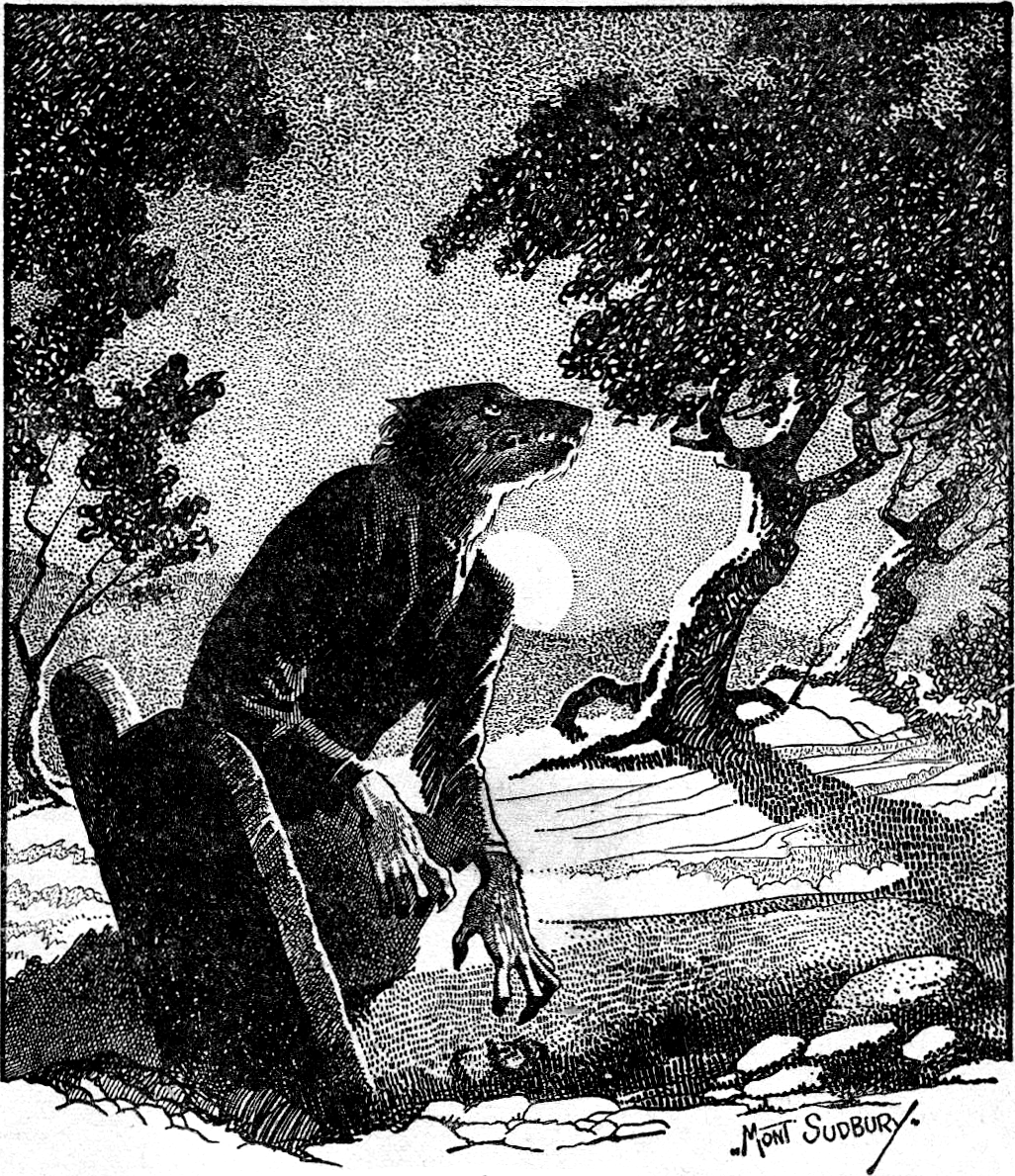 🇫🇷 France and 5 moreWerewolf
A mythical shapeshifter that turns into a wolf, central to European witch-hunts and Gothic horror.Being · Cursing and harm · Wonder and entertainment Legendary
🇫🇷 France and 5 moreWerewolf
A mythical shapeshifter that turns into a wolf, central to European witch-hunts and Gothic horror.Being · Cursing and harm · Wonder and entertainment Legendary
 🇪🇬 Egypt and 1 moreLilithלִילִית
A feminine figure from Mesopotamian and Jewish mythology, often depicted as a night demon or spirit.Being · Cursing and harm Legendary
🇪🇬 Egypt and 1 moreLilithלִילִית
A feminine figure from Mesopotamian and Jewish mythology, often depicted as a night demon or spirit.Being · Cursing and harm Legendary
 🇪🇬 EgyptCurse
A spoken wish for misfortune to befall a person or placeBelief · Cursing and harm · Luck and prosperity Historical
🇪🇬 EgyptCurse
A spoken wish for misfortune to befall a person or placeBelief · Cursing and harm · Luck and prosperity Historical