🇩🇪 Magic in Germany
171 entries from Germany, best known first, across 80 places of magic.
German folklore preserves pre-Christian spirits and seasonal customs alongside Christian traditions. It reflects a shared Germanic heritage with Nordic and English beliefs, evolving from oral history into national cultural identity.
- Household spirits like Kobolds are said to help or hinder domestic life
- Walpurgisnacht is a spring festival derived from older pagan customs
- The Brothers Grimm collected oral histories to build a national identity
- Mountain spirits such as Rübezahl are central to regional legends
- Folklore was used as propaganda during the National Socialist era
Overview
This tradition spans Germany and other German-speaking regions like Austria and parts of Switzerland. It retains elements of old Germanic mythology, including nature spirits and household entities that survived the shift to Christianity. The stories often blend pagan roots with later religious festivals. Scholars note that these tales helped shape a sense of national unity during the nineteenth century, though they were later misused for political propaganda in the twentieth century.
Practices and beliefs
Beliefs include encounters with dwarves, elves, and mountain spirits like Rübezahl. Household helpers such as Kobolds are said to protect homes or cause mischief. Water nymphs guard rivers, while wild hunt leaders ride through the skies. Magical plants like mandrake are featured in legends. Trickster figures and moral tales about death and greed remain popular narrative forms across the region.
Rites and charms
Seasonal celebrations mark the year, including Walpurgisnacht in spring and Yule customs involving appeasing winter witches. Saint Nicholas visits are accompanied by rough companions who discipline children. Krampus runs occur during the Advent season. These events blend ancient agricultural cycles with modern holiday traditions, maintaining community bonds through shared storytelling and ritual behavior.
Who practises
No specific professional class is defined in the text. The tradition relies on oral transmission by families and communities. Collectors like the Brothers Grimm documented these stories, turning local lore into published literature. Their work influenced artists and writers, elevating folk tales from private family memories to public cultural assets.
Regions and communities
The folklore covers all German-speaking areas, including parts of Belgium, Luxembourg, and Italy. Regional variations exist in spirit names and local legends. Mountainous areas feature distinct entities compared to coastal zones. The diversity reflects the historical fragmentation of German polities before unification.
The calendar
Key times include Walpurgisnacht, Easter with its hare symbols, and Christmas with its various gift-bringers. Winter solstice traditions involve appeasing spirits. These dates anchor the supernatural world to the natural cycle of seasons, ensuring that mythical beings remain relevant to daily life throughout the year.
Law and the state
During the National Socialist era, folklore studies were co-opted to support anti-democratic policies and antisemitic myths. This period saw the manipulation of traditional customs for political ends. Modern legal status is not detailed in the provided material.
Today
The legacy persists in literature, opera, and tourism. Stories inspired famous works like Wagner's operas and American tales by Washington Irving. Contemporary interest focuses on preserving cultural heritage rather than active magical practice.
The facts in this overview come from the Wikipedia article "German folklore", written by its contributors and used under the CC BY-SA 4.0 licence. EveryJaadu rewrote the text in its own words, with AI assistance, and compares every page with the article to make sure no passage is copied. It may be reused under the same CC BY-SA 4.0 licence with a link back.
Places of magic in Germany
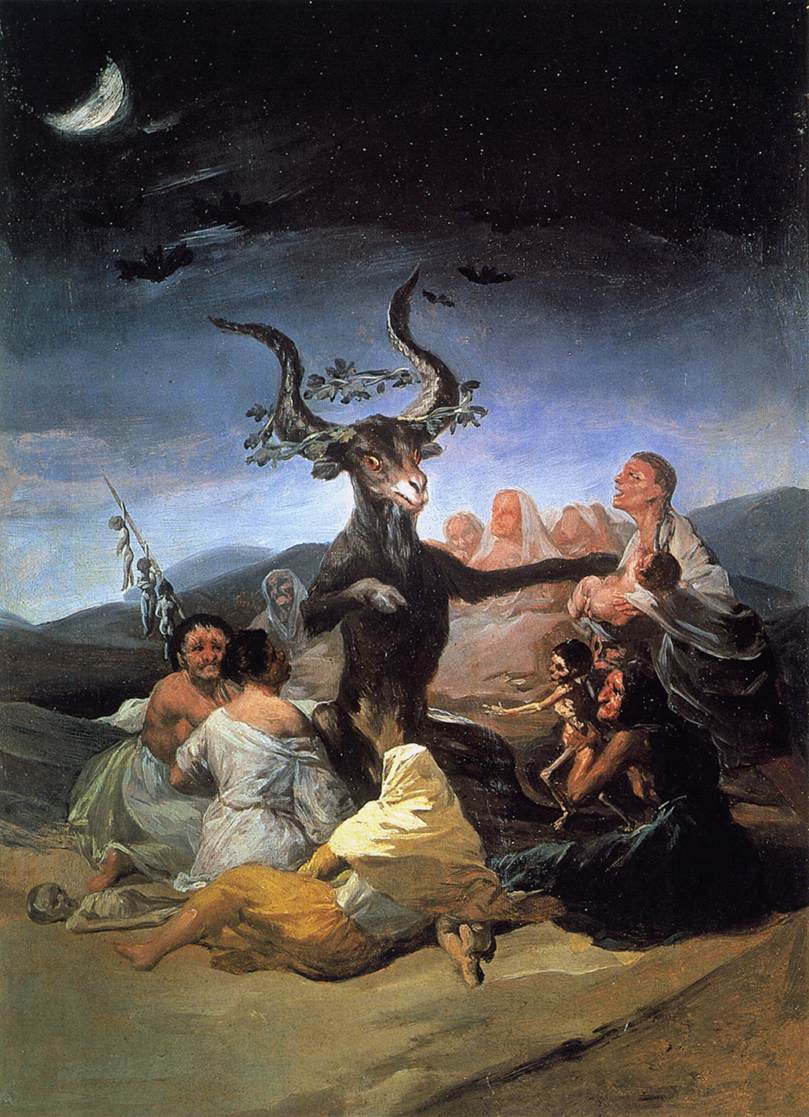 🇫🇷 France and 3 moreWitches' Sabbath
A legendary gathering of witches described in early modern trial records and folkloreBelief · Cursing and harm Historical
 🇮🇪 Ireland and 4 moreMay Day
A European spring festival marking the start of summer with flowers, poles and fire.Tradition · Protection · Luck and prosperity Living
 🇩🇪 Germany and 2 moreEaster FireOsterfeuer
Bonfires lit at Easter to mark the Resurrection and spring renewalRite · Cleansing and purification · Power and authority Living
 🇸🇪 Sweden and 3 moreTyrTýr
A Germanic deity of war and oaths, known for sacrificing his hand to a wolfBeing · Power and authority Historical
 🇬🇧 United Kingdom and 1 moreĒostre
An Anglo-Saxon goddess linked to spring and the dawn, whose name became Easter.Being · Luck and prosperity Historical
 🇪🇸 Spain and 6 moreBurning of Judas
An Easter rite where an effigy of the betrayer is destroyed by fire or other meansRite · Cursing and harm · Cleansing and purification Living
 🇺🇸 United States and 3 moreDowsing
A divination method using rods or twigs to locate hidden objects and waterBelief Living
 🇫🇮 Finland and 5 moreMolybdomancy
A divination method using molten metal poured into water to read omensRite · Seeing and foretelling · Cursing and harm Living
 🇫🇷 France and 4 moreWitch trials in the early modern period
A wave of prosecutions across Europe and British America from the 1400s to the late 1700s.Tradition · Cursing and harm Historical
 🇩🇪 Germany and 2 moreBrocken spectreBrockengespenst
A giant shadow cast by an observer onto clouds, often surrounded by a rainbow halo.Illusion · Wonder and entertainment Living
 🇩🇪 Germany and 1 moreFaust
A German legend of a scholar who trades his soul for knowledge and pleasureFigure · Power and authority · Cursing and harm Legendary
 🇩🇪 GermanyWürzburg witch trials
A mass execution of hundreds in a German Catholic principality during the Thirty Years WarBelief · Cursing and harm Historical
 🇩🇪 Germany and 1 moreBamberg witch trials
A mass execution campaign in a German prince-bishopric that killed around one thousand people between 1623 and 1632.Belief · Cursing and harm Historical
 🇨🇿 Czech Republic and 4 moreGolemגּוֹלֶם
An animated clay figure from Jewish folklore created to serve or protectBeing · Protection · Power and authority Legendary
 🇩🇪 GermanyTrier witch trials
A series of mass executions in the Holy Roman Empire between 1581 and 1593.Belief · Cursing and harm Historical
🇩🇪 GermanyPhilipp Adolf von Ehrenberg
A German prince-bishop who directed a massive witch-hunt in the 1620sFigure · Cursing and harm Historical
 🇪🇸 Spain and 5 moreAlfonso X of Castileel Sabio
A medieval king who sponsored astronomical tables and translated works on magic and astrology.Text · Power and authority · Seeing and foretelling Historical
 🇮🇹 Italy and 4 moreTarottarocchi
A set of cards for games and divination, with roots in fifteenth-century ItalyText · Wonder and entertainment · Seeing and foretelling Living
🇩🇪 GermanyJohannes Junius
A German mayor executed in the Bamberg witch trials who wrote a final letter from his cell.Figure · Cursing and harm Historical
🇩🇪 Germany and 2 moreWitch trials in the Holy Roman Empire
A historical period of intense witchcraft persecution across Central Europe from the 15th to the 18th centuries.Belief · Cursing and harm Historical
 🇩🇪 GermanyAlp
A Germanic spirit that presses on sleepers and drinks milkBeing · Cursing and harm Legendary
🇿🇦 South Africa and 5 moreMurder for body parts
The killing of people to harvest body parts for traditional medicine or the illegal organ tradeBelief · Cursing and harm · Power and authority Living
 🇧🇪 Belgium and 5 moreRelic
An object or body part kept to honor a holy person and mark their connection to the divineCharm · Protection · Healing Living
🇬🇧 United Kingdom and 4 moreTelling the bees
A Western European custom of informing hives about major household eventsTradition · Protection · Luck and prosperity Living
 🇩🇪 GermanyPied Piper of Hamelinder Rattenfänger von Hameln
A medieval legend about a piper who leads children away from HamelinFigure · Wonder and entertainment Legendary
 🇱🇹 Lithuania and 5 moreAmber
Fossilized tree resin used in jewelry and folk healing since ancient timesSubstance · Healing · Luck and prosperity Living
 🇧🇷 Brazil and 5 moreWhite Lady
A female ghost in white clothing linked to tragedy and omens across many culturesFigure · Cursing and harm · Seeing and foretelling Legendary
 🇺🇦 Ukraine and 4 moreMugwort
An aromatic herb used in folk magic for protection and divinationSubstance · Protection · Seeing and foretelling Living
 🇪🇬 Egypt and 1 moreEbers Papyrus
An ancient Egyptian medical scroll detailing herbal remedies and bodily theories from around 1550 BCE.Text · Healing · Protection Historical
 🇩🇪 Germany and 3 morePhantasmagoria
A horror theatre using magic lanterns to project moving ghosts and demonsIllusion · Wonder and entertainment · Cursing and harm Historical
 🇩🇪 Germany and 5 moreAnthroposophy
A spiritual movement founded by Rudolf Steiner to explore the intellectual side of the unseen worldTradition · Speaking with spirits and the dead · Change and initiation Living
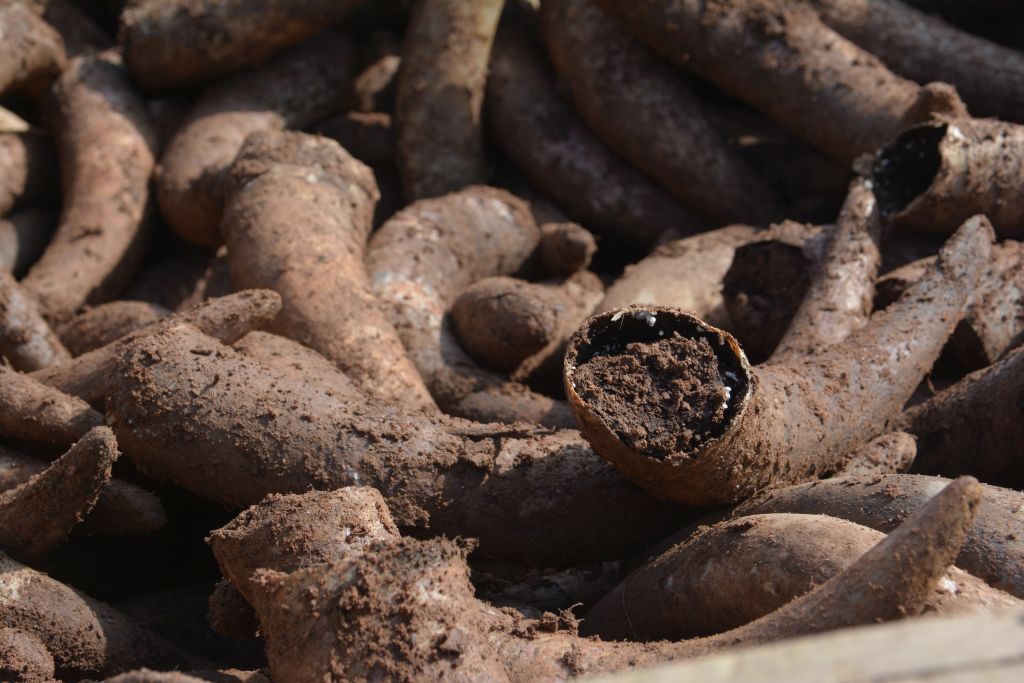 🇩🇪 Germany and 5 moreBiodynamic agriculture
An organic farming system with esoteric roots and spiritual practicesTradition · Healing · Power and authority Living
 🇩🇪 Germany and 3 moreBlack SunSchwarze Sonne
A twelve-part sig rune design from a Nazi castle, now used by extremist groups.Power and authority Historical
 🇨🇭 Switzerland and 4 moreEurythmy
An expressive movement art that translates music and speech into gestureTradition · Wonder and entertainment · Change and initiation Living
 🇩🇪 Germany and 2 moreOccultism in Nazism
The study of alleged magical links to the Nazi regime and the myths that surround themBelief · Cursing and harm · Power and authority Historical
🇮🇱 Israel and 5 moreBirkat haMinimברכת המינים
A Jewish liturgical curse against apostates and Christians within the daily standing prayerRite · Cursing and harm · Binding and oaths Historical
🇩🇪 Germany and 2 moreLocational astrology
A branch of astrology that maps planetary influences to specific places on Earth.Tradition · Power and authority Living
 🇩🇪 Germany and 1 moreHercules' ClubHerkuleskeule
A club-shaped amulet worn in the Roman Empire and by Germanic peoples as a protective charm.Charm · Protection Historical
 🇪🇬 Egypt and 4 moreScarab
An ancient Egyptian amulet and seal shaped like a dung beetleCharm · Protection · Luck and prosperity Historical
 🇬🇧 United Kingdom and 1 moreMagic in Anglo-Saxon Englandgaldorcræft
Healing charms and protective rituals practiced by early English tribesTradition · Healing · Protection Historical
 🇮🇷 Iran and 5 moreHippomancy
Divination through the movements, sounds, and tracks of horsesOracle · Seeing and foretelling · Luck and prosperity Historical
 🇩🇪 Germany and 4 moreAnimal TarotTiertarock
A family of playing card decks featuring animal imagery instead of traditional tarot scenesTradition · Luck and prosperity Living
 🇩🇪 Germany and 1 moreEaster Bunny
A German folkloric hare that judges children and delivers colored eggs for EasterBeing · Luck and prosperity · Wonder and entertainment Living
 🇨🇭 Switzerland and 3 moreTatzelwurm
A cat-headed lizard of the Alps, said to guard mines and drink cow milk.Being · Cursing and harm · Luck and prosperity Legendary
 🇸🇪 Sweden and 5 moreLindwormlindorm
A serpentine dragon of Northern and Central European folklore, often depicted as limbless or winged.Being · Luck and prosperity · Cursing and harm Legendary
 🇵🇱 Poland and 1 moreBishop-fish
A legendary sea creature said to gesture like a cleric before vanishingBeing · Wonder and entertainment Legendary
 🇯🇵 Japan and 4 moreHousehold deity
A spirit or minor god believed to guard a home and its family members.Being · Protection · Speaking with spirits and the dead Historical
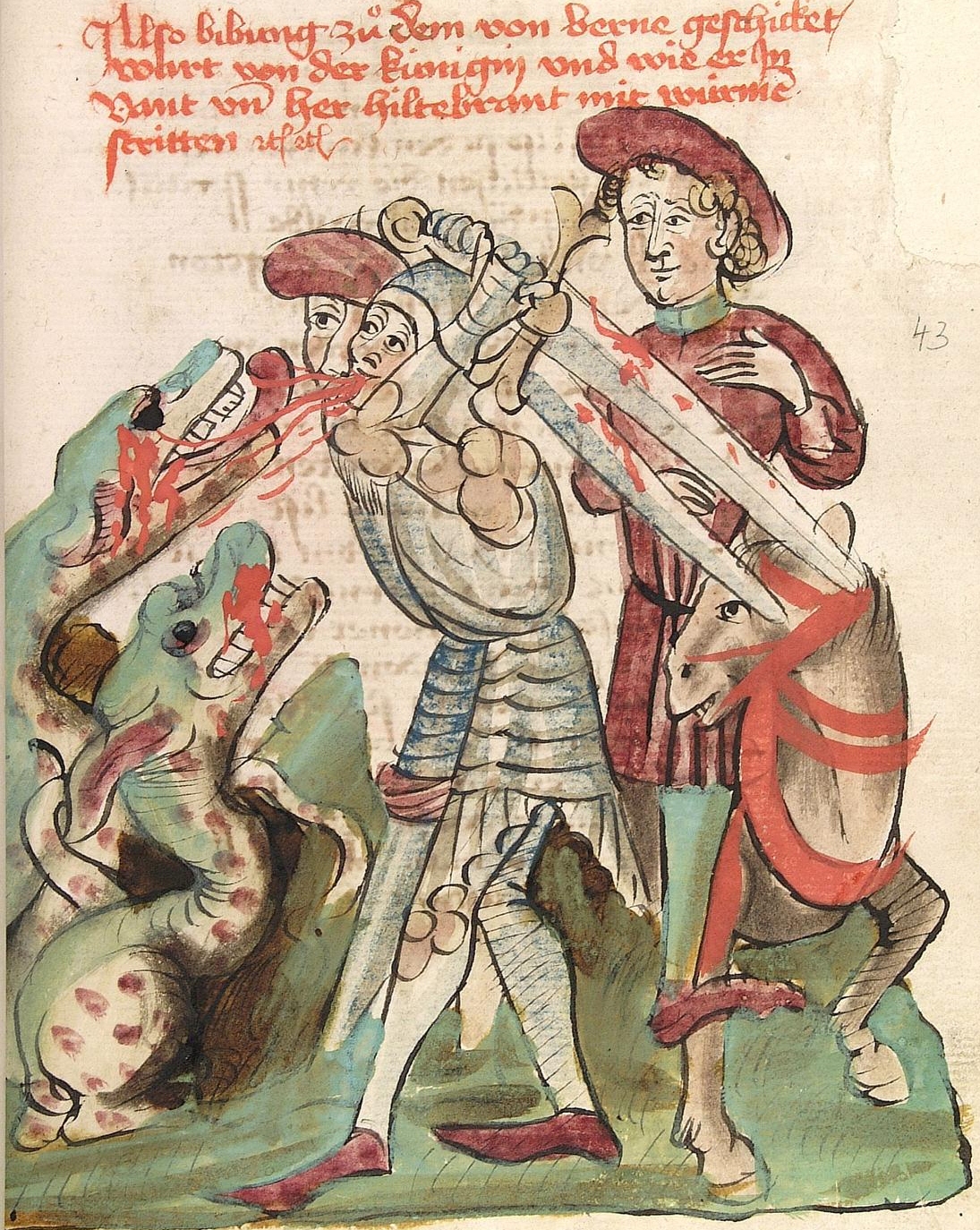 🇩🇪 Germany and 2 moreDietrich von Bern
A legendary Germanic hero based on the Ostrogothic king Theodoric the GreatFigure · Power and authority Historical
Photo credits on this page
The small pictures above come from Wikimedia Commons under free licences. Some are cropped to fit.
- Alfonso X of Castile: Otto Posse (1847-1921), Public domain, source
- Burning of Judas: Unknown author, Public domain, source
- Würzburg witch trials: Sweet Chily, Public domain, source
- Pied Piper of Hamelin: Edmund Evans, Public domain, source
- Phantasmagoria: Alphonse de Neuville or A. Jahandier, Public domain, source
- Trier witch trials: Unknown author, Public domain, source
- Biodynamic agriculture: Martist, CC BY-SA 4.0, source
- Amber: uploaded with permission, CC BY-SA 3.0, source
- Mugwort: Prahlad balaji, CC BY-SA 4.0, source
- Relic: MathieuGuy, CC BY-SA 3.0, source
- White Lady: engraved by Ames of Bristol (according to Fincham, Artists and engrave, Public domain, source
- Lindworm: Unknown author, Public domain, source
- Tatzelwurm: Abrasax, CC BY-SA 3.0 de, source
- Household deity: Claus Ableiter, CC BY-SA 3.0, source
- Faust: Earthsphere, CC BY-SA 4.0, source
- Alp: Henry Fuseli, Public domain, source
- Ebers Papyrus: PEbers_c41.jpg : Einsamer Schütze derivative work: Photohound ( talk ), CC BY-SA 3.0, source
- Anthroposophy: Wladyslaw, CC BY-SA 3.0, source
- Dowsing: Unknown author, Public domain, source
- Hippomancy: Wer?Du?!, CC BY-SA 3.0, source
- Easter Bunny: Dr. Bernd Gross, CC BY-SA 3.0, source
- Golem: user Thander, Public domain, source
- Brocken spectre: Draceane, CC BY-SA 4.0, source
- Animal Tarot: Cards: anonymous; Photo: Andreas Praefcke, Public domain, source
- Bishop-fish: photo by Sean Linehan, NOS, NGS National Oceanic and Atmospheric Admin, Public domain, source
- Hercules' Club: Wolfgang Sauber, CC BY-SA 4.0, source
- Occultism in Nazism: Peretz Kaminsky, Public domain, source
- Dietrich von Bern: Workshop of Diebolt Lauber, Hagenau 1444-1448, CC BY-SA 3.0, source
- Ēostre: Johannes Gehrts (1855–1921), Public domain, source
- Easter Fire: Jürgen Eissink, CC BY-SA 4.0, source
- Bald's Leechbook: Unknown, the Internet Archive scan is low quality, and some of the tex, Public domain, source
- Bamberg witch trials: Berthold Werner, Public domain, source
- Witch-cult hypothesis: Francisco Goya, Public domain, source
- Scarab: Rama, CC BY-SA 2.0 fr, source
- Witch trials in the early modern period: Johann Jakob Wick, Public domain, source
- Tarot: World Web Playing Card Museum, Public domain, source
- May Day: Bryan Ledgard, CC BY 2.0, source
- Black Sun: Dirk Vorderstraße, CC BY-SA 2.0, source
- Molybdomancy: Micha L. Rieser, Attribution, source
- Eurythmy: Awslibrary, CC BY-SA 4.0, source
- Tyr: Gunnar Creutz, CC BY-SA 4.0, source
The weekly digest
Every Monday: seven entries you may not know, what is on the calendar this week, and one rite drawn step by step.