🇩🇪 Magic in Germany
171 entries from Germany, best known first, across 80 places of magic.
German folklore preserves pre-Christian spirits and seasonal customs alongside Christian traditions. It reflects a shared Germanic heritage with Nordic and English beliefs, evolving from oral history into national cultural identity.
- Household spirits like Kobolds are said to help or hinder domestic life
- Walpurgisnacht is a spring festival derived from older pagan customs
- The Brothers Grimm collected oral histories to build a national identity
- Mountain spirits such as Rübezahl are central to regional legends
- Folklore was used as propaganda during the National Socialist era
Overview
This tradition spans Germany and other German-speaking regions like Austria and parts of Switzerland. It retains elements of old Germanic mythology, including nature spirits and household entities that survived the shift to Christianity. The stories often blend pagan roots with later religious festivals. Scholars note that these tales helped shape a sense of national unity during the nineteenth century, though they were later misused for political propaganda in the twentieth century.
Practices and beliefs
Beliefs include encounters with dwarves, elves, and mountain spirits like Rübezahl. Household helpers such as Kobolds are said to protect homes or cause mischief. Water nymphs guard rivers, while wild hunt leaders ride through the skies. Magical plants like mandrake are featured in legends. Trickster figures and moral tales about death and greed remain popular narrative forms across the region.
Rites and charms
Seasonal celebrations mark the year, including Walpurgisnacht in spring and Yule customs involving appeasing winter witches. Saint Nicholas visits are accompanied by rough companions who discipline children. Krampus runs occur during the Advent season. These events blend ancient agricultural cycles with modern holiday traditions, maintaining community bonds through shared storytelling and ritual behavior.
Who practises
No specific professional class is defined in the text. The tradition relies on oral transmission by families and communities. Collectors like the Brothers Grimm documented these stories, turning local lore into published literature. Their work influenced artists and writers, elevating folk tales from private family memories to public cultural assets.
Regions and communities
The folklore covers all German-speaking areas, including parts of Belgium, Luxembourg, and Italy. Regional variations exist in spirit names and local legends. Mountainous areas feature distinct entities compared to coastal zones. The diversity reflects the historical fragmentation of German polities before unification.
The calendar
Key times include Walpurgisnacht, Easter with its hare symbols, and Christmas with its various gift-bringers. Winter solstice traditions involve appeasing spirits. These dates anchor the supernatural world to the natural cycle of seasons, ensuring that mythical beings remain relevant to daily life throughout the year.
Law and the state
During the National Socialist era, folklore studies were co-opted to support anti-democratic policies and antisemitic myths. This period saw the manipulation of traditional customs for political ends. Modern legal status is not detailed in the provided material.
Today
The legacy persists in literature, opera, and tourism. Stories inspired famous works like Wagner's operas and American tales by Washington Irving. Contemporary interest focuses on preserving cultural heritage rather than active magical practice.
The facts in this overview come from the Wikipedia article "German folklore", written by its contributors and used under the CC BY-SA 4.0 licence. EveryJaadu rewrote the text in its own words, with AI assistance, and compares every page with the article to make sure no passage is copied. It may be reused under the same CC BY-SA 4.0 licence with a link back.
Places of magic in Germany
 🇺🇸 United States and 5 moreSatanism
A modern set of beliefs using the figure of Satan as a symbol or deity.Tradition · Power and authority · Cursing and harm Living
🇩🇪 GermanyChymical Wedding of Christian RosenkreutzChymische Hochzeit Christiani Rosencreutz anno 1459
An allegorical romance and Rosicrucian manifesto detailing a seven-day alchemical initiation.Text · Change and initiation · Power and authority Historical
 🇸🇪 Sweden and 4 moreEmanuel Swedenborg
An 18th-century Swedish scientist who became a mystic and claimed to visit the afterlife.Text · Speaking with spirits and the dead · Change and initiation Living
 🇩🇪 GermanyBasil ValentineBasilius Valentinus
A pseudonymous alchemist whose chemical writings shaped early modern chemistry and hermetic tradition.Text · Power and authority Historical
🇸🇪 Sweden and 3 moreRunic magic
The use of ancient Germanic letters for spells, divination, and protectionTradition · Protection · Seeing and foretelling Living
 🇺🇸 United States and 4 moreFortune-telling
A practice of predicting future events or personal details through various methods and tools.Rite · Seeing and foretelling · Power and authority Living
🇬🇧 United Kingdom and 1 moreChaos magic
A modern magical system that treats belief as a flexible tool rather than a fixed truth.Tradition · Change and initiation · Power and authority Living
 🇮🇶 Iraq and 5 moreGrimoire
A textbook containing instructions for spells, rituals, and the creation of magical objects.Text · Protection · Healing Historical
 🇮🇹 Italy and 3 moreRenaissance magic
A 15th and 16th century revival of magical arts blending philosophy, astrology, and hidden knowledge.Tradition · Power and authority · Seeing and foretelling Historical
 🇬🇧 United Kingdom and 5 moreAleister Crowley
English occultist and founder of the religion of ThelemaText · Power and authority · Change and initiation Living
 🇩🇪 Germany and 5 moreAnthroposophy
A spiritual movement founded by Rudolf Steiner to explore the intellectual side of the unseen worldTradition · Speaking with spirits and the dead · Change and initiation Living
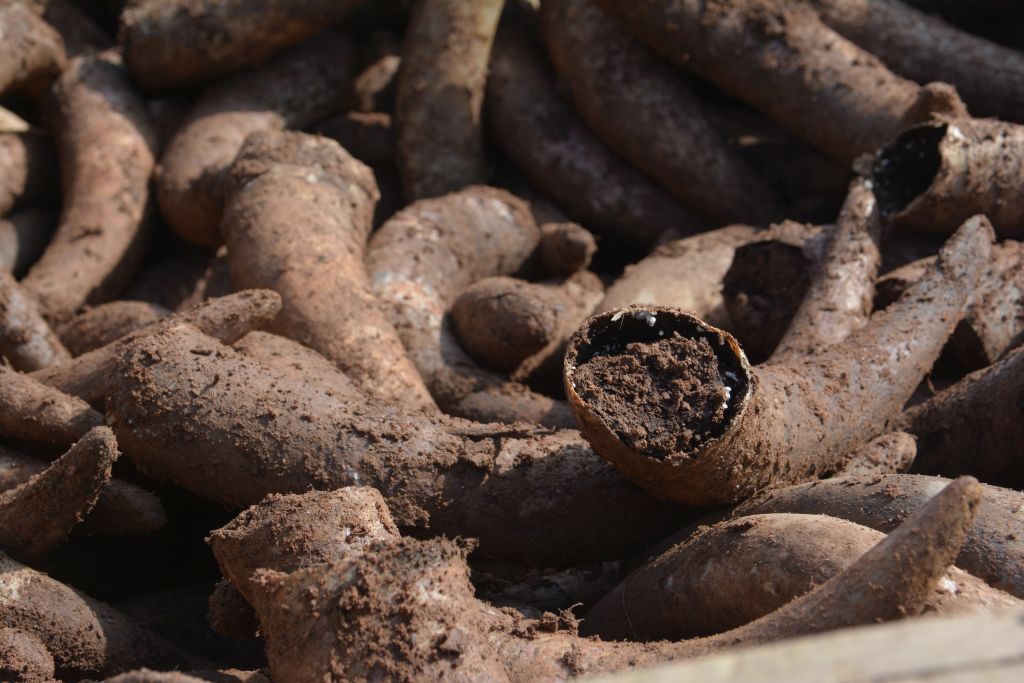 🇩🇪 Germany and 5 moreBiodynamic agriculture
An organic farming system with esoteric roots and spiritual practicesTradition · Healing · Power and authority Living
 🇨🇭 Switzerland and 4 moreEurythmy
An expressive movement art that translates music and speech into gestureTradition · Wonder and entertainment · Change and initiation Living
 🇩🇪 Germany and 2 moreOccultism in Nazism
The study of alleged magical links to the Nazi regime and the myths that surround themBelief · Cursing and harm · Power and authority Historical
🇩🇪 Germany and 2 moreLocational astrology
A branch of astrology that maps planetary influences to specific places on Earth.Tradition · Power and authority Living
🇮🇳 India and 5 moreWestern Sufism
Adaptations of Islamic mysticism in Europe and North AmericaTradition · Speaking with spirits and the dead · Power and authority Living
🇩🇪 Germany and 2 moreFraternitas Saturni
A German esoteric order focused on Saturn magic and astrological teachingsTradition · Power and authority Living
 🇫🇷 France and 4 moreEctoplasm
A substance said to be excreted by mediums during séances, later exposed as common household materials.Substance · Speaking with spirits and the dead Historical
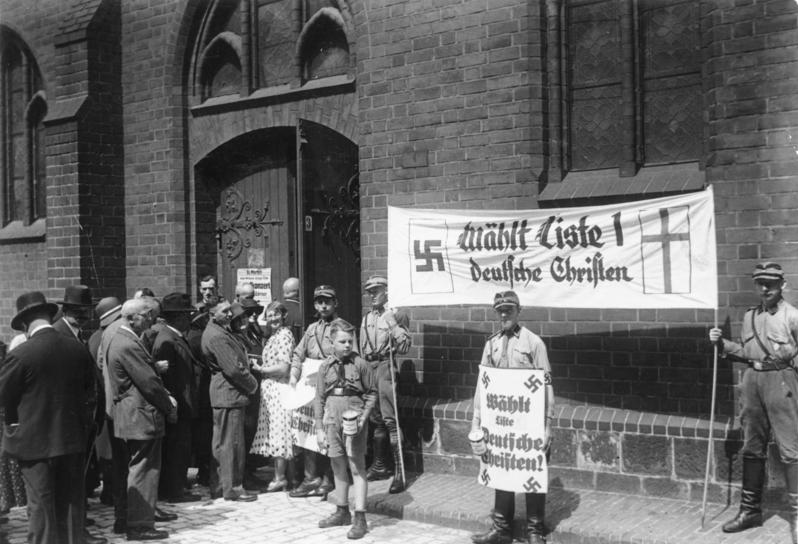 🇩🇪 Germany and 1 moreReligious aspects of Nazism
The study of how Nazi ideology borrowed religious forms and esoteric beliefs to build a political movement.Tradition · Power and authority · Cursing and harm Historical
 🇩🇪 GermanyVril Society
A fictional secret society from conspiracy theories about Nazi Germany and occult energy.Belief · Power and authority Legendary
 🇩🇪 Germany and 5 moreNazi UFOs
A conspiracy theory linking Nazi Germany to advanced flying discs and alien contact.Belief · Wonder and entertainment Historical
 🇦🇹 Austria and 1 moreArmanen runes
An invented runic system created by Guido von List in the early twentieth centuryText · Power and authority Living
🇩🇪 Germany and 3 morePalestinabuch
A lost manuscript by Herman Wirth said to reveal the secret history of Jews and Aryans.Text · Cursing and harm Historical
🇩🇪 GermanyAurea Catena Homeri
A German hermetic book from 1723 on the origin of nature and natural thingsText Historical
🇩🇪 GermanyTransitus Fluvii
A 22-letter occult script built from Hebrew, set down by Agrippa in 1533Text Historical
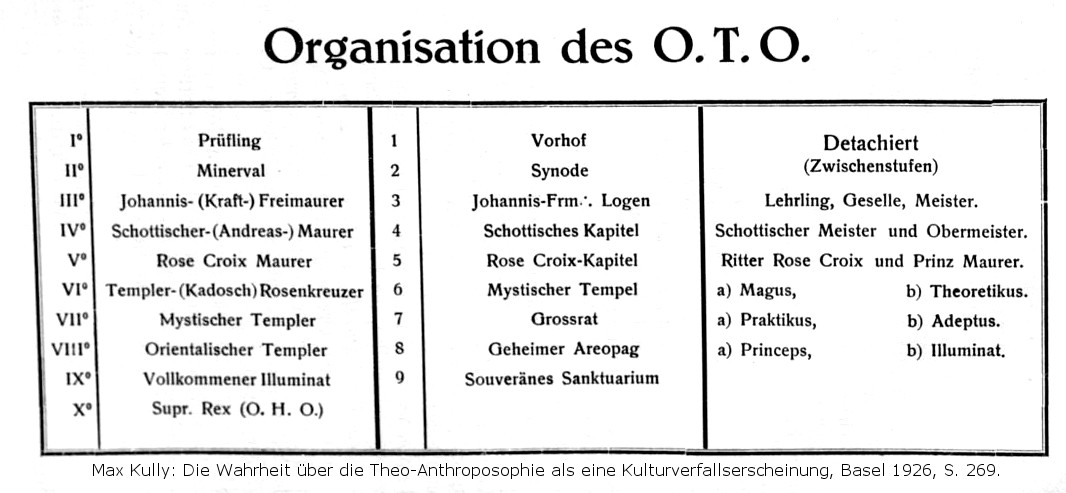 🇩🇪 Germany and 5 moreOrdo Templi Orientis
A secret occult order of initiation degrees, reshaped by Aleister CrowleyTradition · Change and initiation Living
Photo credits on this page
The small pictures above come from Wikimedia Commons under free licences. Some are cropped to fit.
- Emanuel Swedenborg: Carl Frederik von Breda, Public domain, source
- Grimoire: Bengt A. Lundberg, CC BY 2.5, source
- Theistic Satanism: Alexandre Cabanel, Public domain, source
- Basil Valentine: TomKidd, CC BY-SA 3.0, source
- Ordo Templi Orientis: Its me, CC BY-SA 4.0, source
- Biodynamic agriculture: Martist, CC BY-SA 4.0, source
- Mediumship: Harvey Metcalfe, Public domain, source
- Nazi UFOs: Nesnad, CC0, source
- Aleister Crowley: Aleister Crowley, Public domain, source
- Anthroposophy: Wladyslaw, CC BY-SA 3.0, source
- Renaissance magic: Unknown author, Public domain, source
- Fortune-telling: Taras Shevchenko, Public domain, source
- Occultism in Nazism: Peretz Kaminsky, Public domain, source
- Vril Society: John Martin, Public domain, source
- Eurythmy: Awslibrary, CC BY-SA 4.0, source
- Armanen runes: Jugydmort, CC BY-SA 4.0, source
- Religious aspects of Nazism: Unknown author, CC BY-SA 3.0 de, source
The weekly digest
Every Monday: seven entries you may not know, what is on the calendar this week, and one rite drawn step by step.