![Omschrijving: De Kamerleden Van Kol en Alberda [Albarda] als wichelroedelopers. Nederland, 1916.](https://thumb.wikimedia.org/wikipedia/commons/thumb/d/d0/De_Kamerleden_Van_Kol_en_Alberda_Albarda_als_wichelroedelopers%2C_SFA022815859.jpg/1280px-De_Kamerleden_Van_Kol_en_Alberda_Albarda_als_wichelroedelopers%2C_SFA022815859.jpg)
Dowsing
from Middle Low German Schlag-Ruthe, meaning striking rod
A divination method using rods or twigs to locate hidden objects and water
Dowsing is a form of divination used to find water, metals, and other materials without technical equipment. Practitioners hold rods or twigs that are believed to move when they cross over a target.
- First written record of twig dowsing dates to 1568
- Scientific tests show results match random chance
- German miners introduced the practice to England
- Movement is explained by the ideomotor effect
- Fraudulent detectors were sold to military forces
What it is
Dowsing is a practice where people try to find things like water, metal, or oil without using machines. It is seen as a type of divination. Users hold special tools that are said to move when they are near the item they want to find. The scientific community considers this practice to be a pseudoscience because it does not work better than random guessing.
Where it comes from
The practice started in ancient times as a way to divine secrets. The Catholic Church banned it early on. Martin Luther also opposed it in 1518. The first written record of using a forked twig for water was in 1568. A friar used a twig to find water for a convent. German miners brought the technique to England in the 16th century. They used it to find tin and silver veins.
How it is done
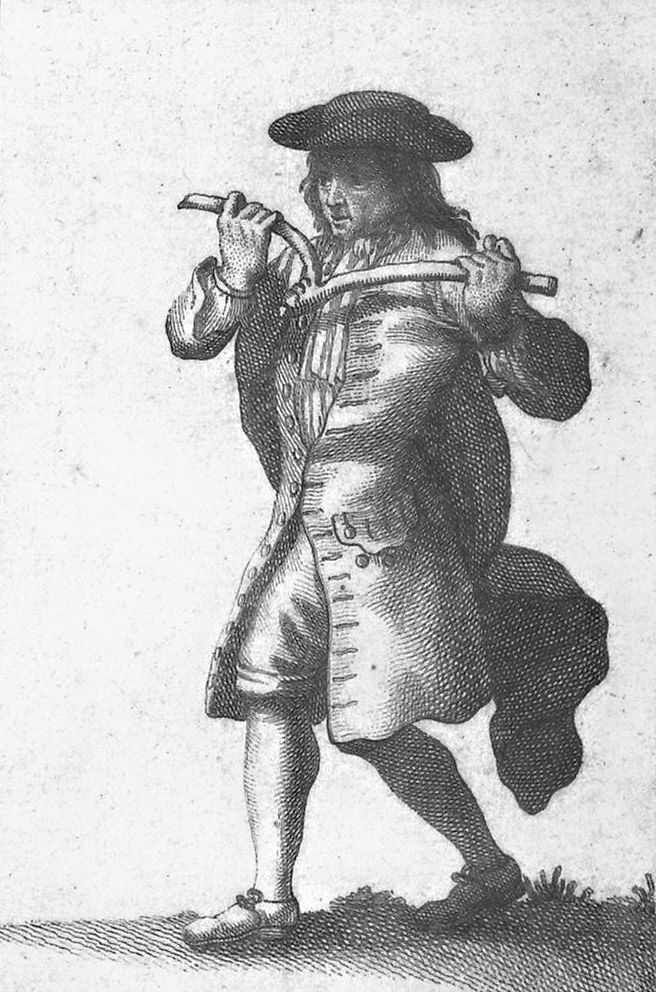
A person walks slowly over an area while holding a tool. If they use a Y-shaped twig, they hold the two prongs in their hands. When they reach the target, the twig is said to dip or turn. Some users hold two L-shaped rods that might cross or swing apart. Others use a pendulum that swings freely. The movement is believed to show the location of the hidden object.
Tools and materials
Users typically choose a forked branch from a hazel or willow tree. Some prefer freshly cut wood. Modern users often make L-shaped rods from wire coat hangers. Glass or plastic rods are also used. Some people hang a ring on the twig or slide a coin into the split tip. A simple weight on a string can serve as a pendulum.
Dowsing, drawn and placed
- Living
- Revived
- Fading
- Historical
- Legendary
- Performed
- Lineage
- folk divination
- Timing
- while walking over terrain
What it is for
People use dowsing to find underground water for wells. Miners use it to locate metal ores and gemstones. Some look for buried graves or treasure. Farmers and engineers have used it to find water pipes. Military groups have tried it to find weapons or buried soldiers. It is also used to find claimed radiations or earth vibrations.
Who does it
Dowser training varies by region. In Germany, miners were licensed to teach the skill. In Britain, farmers and water engineers still use the method. Some practitioners believe the rod moves due to external forces. Others think it is caused by unconscious muscle movements. The user must hold the tool correctly to get results.
Peoples and places
The practice is common in Europe and the United States. German miners spread it across Europe in the 16th century. In America, it is called doodlebugging. Australian troops used it in World War I. US Marines used it in Vietnam. Norwegian soldiers tried it after an avalanche. It remains popular with some British utility workers.
At a glance: who, where and when
Who does it
Peoples
Belief worlds


What people believe
Practitioners believe the rod reacts to invisible energies. Early theories suggested mineral particles entered the wood. Later ideas proposed cryptaesthesia or clairvoyance. The ideomotor phenomenon explains the motion as unconscious muscle action. Scientists say the results match random chance. No physical force has been proven to move the rod.
When it is done
Dowsing is done whenever a search is needed. It is not tied to specific festivals. Miners used it during work shifts. Farmers used it when digging wells. Soldiers used it during campaigns. It is a practical tool used on demand rather than on a calendar schedule.
How scholars and sceptics see it
Scientists have tested dowsing many times. Studies in Algeria and New Zealand showed no accuracy. Experiments in Britain found results no better than guesses. Physicists looked for electromagnetic causes but found none. Experts attribute the movement to the ideomotor effect. This is a psychological response where the body moves without conscious thought.
Cautions and what is closed
Fraudulent devices have been sold to police and military. These include explosive detectors that failed testing. The US government warned against buying such equipment. Iraq ordered police to stop using them after bombings. Relying on dowsing for safety or medical issues is dangerous. It offers no real protection or healing.
Compare and confuse
Dowsing is similar to other forms of divination. It is often called water witching in America. Radiesthesia refers to finding energy fields. Doodlebugging is a slang term for finding oil. It differs from scientific surveying which uses instruments. It is also distinct from stage magic which relies on tricks.
Questions people ask about Dowsing
What is dowsing?
Dowsing is a divination method used to locate hidden items like water or metal. Users hold rods or twigs that are believed to move when they cross over a target.
Where did dowsing originate?
It originated in ancient times as a form of divination. The first recorded use of a forked twig for water was in 1568 in Spain. German miners later spread the technique across Europe.
How does a dowser find water?
The dowser walks slowly while holding a Y-shaped twig or L-shaped rods. Practitioners believe the tool dips or crosses when it reaches an underground source.
Is dowsing scientifically proven?
No. Scientific studies show dowsing is no more effective than random chance. The movement of the rods is attributed to the ideomotor effect, which is unconscious muscle motion.
Good reading and sources
- Encyclopaedia BritannicaArticle
- The unseen force that drives Ouija boards and fake bomb detectorsThe Guardian, Article
- Scientist finds UK water companies use 'magic' to find leaksBBC, Article
- Cornwall and West Devon Mining LandscapeUNESCO, Heritage listing
- Dowsing on WikipediaEncyclopedia
- More photos on Wikimedia CommonsPhotos and video
- Wikidata recordOpen data
The facts on this page come from the Wikipedia article "Dowsing", written by its contributors and used under the CC BY-SA 4.0 licence, and from its Wikidata record (CC0). EveryJaadu rewrote the text in its own words, with AI assistance, and compares every page with the article to make sure no passage is copied. It may be reused under the same CC BY-SA 4.0 licence with a link back.
It may contain mistakes. Names and customs differ from one community to the next, and some knowledge is closed to outsiders and left out here. This page describes belief and practice. It does not say that any of it works, it is not a how-to, and it is not medical advice. If something is wrong, tell us. Last refreshed 2026-10-06.
More from the United States
All the entries from the United States 🇬🇧 United Kingdom and 2 moreDaniel Dunglas Home
A Scottish physical medium known for levitation and spirit communication during the Victorian era.Belief · Speaking with spirits and the dead · Wonder and entertainment Historical
🇬🇧 United Kingdom and 2 moreDaniel Dunglas Home
A Scottish physical medium known for levitation and spirit communication during the Victorian era.Belief · Speaking with spirits and the dead · Wonder and entertainment Historical
 🇬🇷 Greece and 5 moreCrossroads (folklore)
A junction between worlds where spirits are met and deals are madeBelief · Speaking with spirits and the dead · Cursing and harm Living
🇬🇷 Greece and 5 moreCrossroads (folklore)
A junction between worlds where spirits are met and deals are madeBelief · Speaking with spirits and the dead · Cursing and harm Living
 🇬🇧 United Kingdom and 5 moreConcealed shoes
Shoes hidden in building structures as folk charms for protection and fertilityCharm · Protection · Speaking with spirits and the dead Historical
🇬🇧 United Kingdom and 5 moreConcealed shoes
Shoes hidden in building structures as folk charms for protection and fertilityCharm · Protection · Speaking with spirits and the dead Historical
 🇮🇪 Ireland and 5 moreCairn
A human-made stack of stones used as a marker, memorial, or religious symbol across many cultures.Tradition · Protection · Speaking with spirits and the dead Living
🇮🇪 Ireland and 5 moreCairn
A human-made stack of stones used as a marker, memorial, or religious symbol across many cultures.Tradition · Protection · Speaking with spirits and the dead Living
Related elsewhere
All belief 🇮🇳 India and 5 moreAstrology
A divinatory practice that reads human fate through the positions of celestial bodies.Belief · Seeing and foretelling · Luck and prosperity Living
🇮🇳 India and 5 moreAstrology
A divinatory practice that reads human fate through the positions of celestial bodies.Belief · Seeing and foretelling · Luck and prosperity Living
 🇪🇬 EgyptCurse
A spoken wish for misfortune to befall a person or placeBelief · Cursing and harm · Luck and prosperity Historical
🇪🇬 EgyptCurse
A spoken wish for misfortune to befall a person or placeBelief · Cursing and harm · Luck and prosperity Historical
 🇮🇳 IndiaChakraचक्र
Meditation points in the subtle body used in Hindu and Buddhist yogaTradition · Speaking with spirits and the dead · Change and initiation Living
🇮🇳 IndiaChakraचक्र
Meditation points in the subtle body used in Hindu and Buddhist yogaTradition · Speaking with spirits and the dead · Change and initiation Living
 🇺🇸 United States and 1 moreMedicine wheel
Circular stone formations built by Indigenous peoples of North America for ceremony and astronomy.Tradition · Speaking with spirits and the dead · Power and authority Living
🇺🇸 United States and 1 moreMedicine wheel
Circular stone formations built by Indigenous peoples of North America for ceremony and astronomy.Tradition · Speaking with spirits and the dead · Power and authority Living