Birkat haMinim
In its own language: ברכת המינים
from Hebrew birkat, meaning blessing, and minim, an umbrella term for heretics or sectarians
A Jewish liturgical curse against apostates and Christians within the daily standing prayer
The Birkat haMinim is a traditional benediction recited by religious Jews as part of the Amidah. It serves to exclude those deemed heretical from the community, historically targeting Christian converts and sectarians.
- Twelfth benediction in the Shemoneh Esreh
- Targets apostates and Christians
- Attributed to Simeon ha-Paquli
- Recited daily by Orthodox Jews
- Subject to medieval censorship
What it is
This rite functions as a formal exclusion within Jewish worship. It appears as the twelfth benediction in the Shemoneh Esreh, the core set of prayers recited during the daily standing service. The text operates as a curse directed at specific groups considered outside the bounds of normative Judaism. Historically, it targeted apostates who left the faith and followers of Christianity. The practice establishes a boundary between the in-group and those labeled as heretics or dissenters.
Where it comes from
Scholars debate the exact date of this prayer's creation. Some place it before the Roman destruction of Jerusalem in 70 AD, while others suggest it developed later. Traditional accounts attribute its formulation to Simeon ha-Paquli and Shmuel ha-Katan at the academy in Yavne. This location became a center for rabbinic authority after the temple's fall. The prayer likely emerged from a period of crisis where defining orthodoxy was essential for community survival.
How it is done
The prayer is recited silently by individuals or aloud by a precentor during the morning, afternoon, and evening services. In modern times, many Jews omit it on Sabbaths and holidays, using an alternative version instead. Orthodox communities continue to recite it daily. The text varies slightly between Ashkenazi and Sephardic traditions, with some versions explicitly naming Nazarenes alongside general heretics.
Tools and materials
No physical objects are required. The practice relies entirely on spoken language and memory. The key terms include minim for sectarians and meshumaddim for apostates. These words carry heavy weight in rabbinic literature, representing categories of religious deviation. The structure follows the standard format of the eighteen benedictions.
Birkat haMinim, drawn and placed
- Living
- Revived
- Fading
- Historical
- Legendary
- Performed
- Lineage
- Jewish rabbinical liturgy
- Timing
- during the daily standing prayer
What it is for
The intent is to separate the faithful from those who challenge established doctrine. It serves to protect the community's integrity by formally denouncing those who have abandoned traditional beliefs. For practitioners, it reinforces their own commitment to the law. It also acts as a historical marker of the split between Judaism and early Christianity.
Who does it
Religious Jews perform this rite as part of their daily obligations. Precentors lead the congregation in reciting it. The role requires strict adherence to tradition, as mistakes in this specific benediction were historically viewed with suspicion. Scholars study the text to understand the development of Jewish law and identity.
Peoples and places
The practice is central to Jewish liturgy across various diaspora communities. Differences exist between regions such as Israel, Europe, and the Americas. Historical censorship by Christian authorities in medieval Europe altered how the prayer was printed and understood. Modern usage varies, with some communities removing it to maintain interfaith relations.
At a glance: who, where and when
Who does it
Belief worlds
Occasions
What people believe
The underlying worldview assumes that religious truth has clear boundaries. Heresy is seen as a threat to communal cohesion. The prayer reflects a belief that divine justice will punish those who distort the faith. It reinforces the authority of the rabbis who define these boundaries. The concept of minim encompasses a wide range of perceived deviations.
When it is done
It is recited five times a week by precentors in Orthodox settings. On Sabbaths and festivals, an alternate version without the curse is used. This distinction highlights the special status of holy days, where conflict and exclusion are temporarily suspended in favor of peace.
How scholars and sceptics see it
Researchers analyze the text to trace the relationship between Judaism and Christianity. They examine how the definition of minim shifted over time. Some argue the prayer was designed to secure rabbinic authority after the temple's destruction. Others note the influence of external pressures from Christian rulers.
Cautions and what is closed
Historical records show that Christian authorities censored the prayer in medieval Europe. Converts often provided information about the text to church officials. This led to internal debates within Jewish communities about how to handle the curse. Modern sensitivities regarding interfaith dialogue have led to modifications in many synagogues.
Compare and confuse
The concept of heresy in this context parallels developments in early Christianity. Both traditions used exclusion to define their boundaries. The term minim is similar to other labels for dissenters in ancient texts. It shares features with the Christian concept of hairesis, though each has distinct cultural origins.
Law and persecution
In some periods, the prayer faced legal restrictions from state authorities. Censorship laws in Europe forced changes to printed prayer books. Today, the practice is protected as part of religious freedom in countries like Israel. However, it remains a point of contention in interfaith contexts.
Questions people ask about Birkat haMinim
What is the Birkat haMinim?
It is a traditional Jewish blessing that functions as a curse against heretics. It forms part of the daily Amidah prayer and targets those who have left the faith or follow different doctrines.
Where does this prayer come from?
It originates from the Second Temple period and was formalized at the academy in Yavne. Scholars debate whether it predates or postdates the destruction of Jerusalem in 70 AD.
Who recites this prayer today?
Orthodox Jews recite it daily during synagogue services. Many other communities omit it on Sabbaths and holidays, using an alternative version that lacks the curse.
Why is it controversial?
It explicitly curses Christians and apostates. This has caused tension with Christian authorities throughout history and continues to be a sensitive topic in modern interfaith relations.
Good reading and sources
The facts on this page come from the Wikipedia article "Birkat haMinim", written by its contributors and used under the CC BY-SA 4.0 licence, and from its Wikidata record (CC0). EveryJaadu rewrote the text in its own words, with AI assistance, and compares every page with the article to make sure no passage is copied. It may be reused under the same CC BY-SA 4.0 licence with a link back.
It may contain mistakes. Names and customs differ from one community to the next, and some knowledge is closed to outsiders and left out here. This page describes belief and practice. It does not say that any of it works, it is not a how-to, and it is not medical advice. If something is wrong, tell us. Last refreshed 2026-10-06.
More from Israel
All the entries from Israel 🇮🇱 Israel and 2 moreUpsherinאָפּשערן (opshern)
A first haircut ceremony for Jewish boys, marking the start of formal study.Rite · Speaking with spirits and the dead · Power and authority Living
🇮🇱 Israel and 2 moreUpsherinאָפּשערן (opshern)
A first haircut ceremony for Jewish boys, marking the start of formal study.Rite · Speaking with spirits and the dead · Power and authority Living
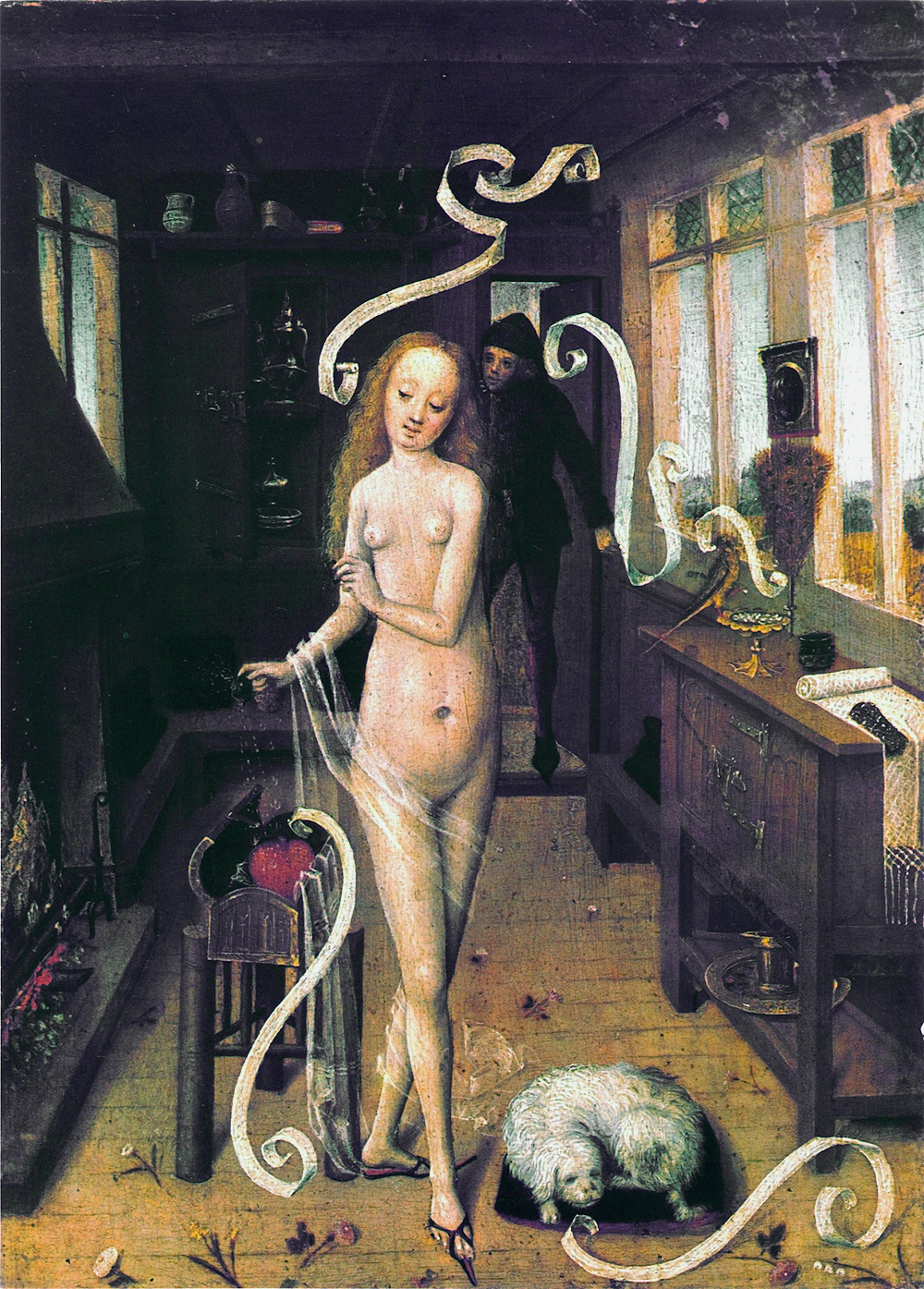 🇮🇶 Iraq and 5 moreLove magic
Rituals and spells used to attract, preserve, or end romantic relationships across many cultures.Tradition · Love and attraction · Cursing and harm Historical
🇮🇶 Iraq and 5 moreLove magic
Rituals and spells used to attract, preserve, or end romantic relationships across many cultures.Tradition · Love and attraction · Cursing and harm Historical
 🇪🇬 Egypt and 5 moreSacred dance
Movement used in worship to honour deities, heal communities, or connect with the spirit world.Tradition · Protection · Healing Living
🇮🇱 IsraelBanishing
Ceremonial magic rites used to clear a space of spiritual influences before other workings.Rite · Cleansing and purification Living
🇪🇬 Egypt and 5 moreSacred dance
Movement used in worship to honour deities, heal communities, or connect with the spirit world.Tradition · Protection · Healing Living
🇮🇱 IsraelBanishing
Ceremonial magic rites used to clear a space of spiritual influences before other workings.Rite · Cleansing and purification Living
Related elsewhere
All rite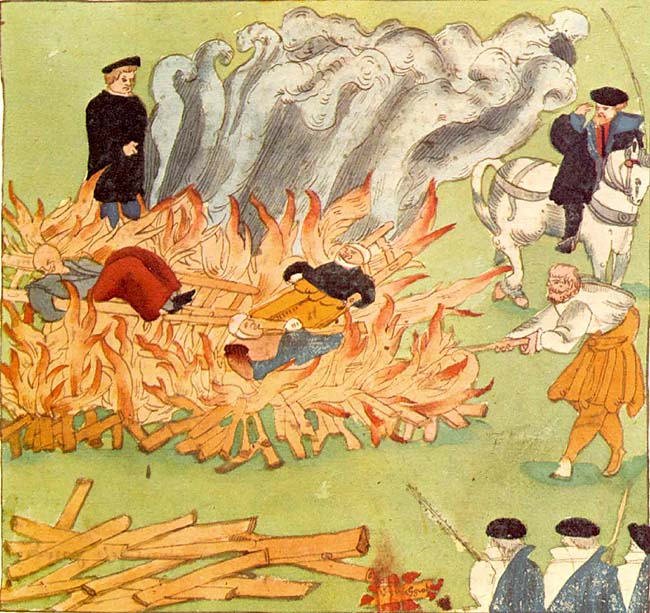 🇩🇪 GermanyMalleus Maleficarum
A 15th-century manual on witchcraft written by Heinrich KramerText · Cursing and harm · Binding and oaths Historical
🇩🇪 GermanyMalleus Maleficarum
A 15th-century manual on witchcraft written by Heinrich KramerText · Cursing and harm · Binding and oaths Historical
 🇵🇹 Portugal and 5 moreCocoCoca
A monster used to frighten children into obedience across the Iberian world and Latin America.Figure · Cursing and harm · Binding and oaths Living
🇵🇹 Portugal and 5 moreCocoCoca
A monster used to frighten children into obedience across the Iberian world and Latin America.Figure · Cursing and harm · Binding and oaths Living
 🇨🇬 Republic of the CongoNkisi
Spirit containers and power figures from the Congo Basin used for justice and healingCharm · Protection · Healing Living
🇨🇬 Republic of the CongoNkisi
Spirit containers and power figures from the Congo Basin used for justice and healingCharm · Protection · Healing Living
 🇳🇬 Nigeria and 4 moreJuju
A West African spiritual belief system involving charms and ritualsTradition · Healing · Luck and prosperity Living
🇳🇬 Nigeria and 4 moreJuju
A West African spiritual belief system involving charms and ritualsTradition · Healing · Luck and prosperity Living