
Faust
from the historical name Johann Georg Faust
A German legend of a scholar who trades his soul for knowledge and pleasure
Faust is the central figure in a classic German tale about a brilliant but dissatisfied scholar. He makes a pact with the Devil to gain unlimited worldly power and learning, exchanging his eternal soul for twenty-four years of service from a demon.
- Based on historical alchemist Johann Georg Faust (c. 1480–1540)
- First printed source: Historia von D. Johann Fausten (1587)
- Christopher Marlowe wrote The Tragical History of Doctor Faustus (c. 1592)
- Goethe's two-part drama Faust was published in 1808 and 1832
- Mephistopheles serves as the demon representative in most versions
What it is
Faust is a legendary character known across Europe as the ultimate symbol of intellectual ambition. He represents a scholar who finds traditional learning insufficient and seeks forbidden power. The core narrative involves a transaction where he surrenders his immortal soul to a demonic force in exchange for earthly pleasures and boundless wisdom. This figure has evolved through centuries of storytelling, shifting from a cautionary religious tale to a complex exploration of human striving and moral compromise.
Where it comes from
The story draws from the life of Johann Georg Faust, an alchemist and magician active in the early sixteenth century. Early chapbooks published in Germany during the 1580s and 1590s popularized his exploits. These texts were later translated into English, influencing playwrights like Christopher Marlowe. The legend also shares roots with other European tales of pacts with demons, such as the Polish story of Pan Twardowski and the Greek legend of Theophilus. Some scholars suggest the name may derive from earlier figures like Johann Fust, a printer and business partner of Gutenberg.
How it is done
The narrative follows a specific sequence of events rather than a ritual practice. A learned man becomes disillusioned with his current existence and calls upon dark forces. A demon named Mephistopheles appears to offer a bargain. The scholar agrees to serve the demon for a set period, typically twenty-four years, in return for magical abilities and worldly satisfaction. The story concludes with the demon attempting to claim the scholar's soul after the term expires, though outcomes vary by version.
Tools and materials
The primary instrument of the legend is the written or verbal contract between the human and the demon. Key elements include the scholar's rejection of divine study in favor of medicine or magic. In later versions, specific objects or locations are not emphasized as much as the psychological state of the protagonist. The demon acts as a servant and tempter, facilitating the scholar's descent into sin and eventual confrontation with divine judgment.
Faust, drawn and placed
- Living
- Revived
- Fading
- Historical
- Legendary
- Performed
- Lineage
- German legend and European literary tradition
What it is for
The legend serves as a moral warning against hubris and the pursuit of knowledge without spiritual grounding. It explores the tension between human desire and divine law. Different adaptations use the story to examine themes of redemption, the nature of evil, and the cost of artistic or intellectual brilliance. It asks whether endless striving can justify moral failings, offering varying answers depending on the author's perspective.
Who does it
The protagonist is depicted as a highly educated man, often holding titles such as Doctor of Medicine or Philosophy. He is portrayed as arrogant and deeply unsatisfied with conventional academic paths. His training in theology or divinity leads him to reject those fields in favor of occult studies. The character is usually male, representing the archetype of the ambitious intellectual who overreaches his bounds.
Peoples and places
The legend originated in Germany and spread rapidly through chapbooks and plays. It became a staple of English literature through Marlowe's work. In Poland, a parallel figure named Pan Twardowski emerged, possibly influenced by the historical Faust's time in Kraków. The story resonated across Europe because it addressed universal anxieties about faith, science, and the limits of human understanding. Each culture adapted the tale to reflect its own religious and social concerns.
At a glance: who, where and when


What people believe
The underlying worldview assumes a Christian framework where souls are precious and eternal. Making a deal with the Devil is considered the ultimate sin, leading to damnation. However, later interpretations, particularly Goethe's, introduce ambiguity. They suggest that constant effort and sincere repentance might earn divine mercy. The concept of the 'eternal feminine' or pure-hearted women intervening for the sinner adds a layer of spiritual complexity to the traditional binary of salvation and hell.
When it is done
The story does not adhere to a specific calendar or festival. It is a narrative arc that unfolds over a defined period of twenty-four years. The timeline is driven by the plot rather than seasonal cycles or religious holidays. The focus remains on the lifespan of the protagonist and the duration of his demonic contract.
How scholars and sceptics see it
Literary critics analyze Faust as a representation of the modern individual's struggle for meaning. Historians trace the evolution of the character from a simple villain to a tragic hero. Psychologists view the pact as a metaphor for the conflict between id and superego. Scholars debate the historical accuracy of Johann Georg Faust and the extent to which the legend reflects actual sixteenth-century beliefs about magic and alchemy.
Cautions and what is closed
The legend warns of the spiritual dangers of seeking power through illicit means. It depicts the destruction of innocent lives, such as that of Gretchen, as a consequence of the scholar's selfish desires. The story highlights the potential for madness and physical decay when one abandons moral constraints. It serves as a cultural cautionary tale about the consequences of prioritizing personal ambition over ethical responsibility.
Compare and confuse
Faust is often compared to other figures who make pacts with demons, such as Robert Johnson in blues mythology or Daniel Webster in American folklore. Unlike these figures, Faust is deeply rooted in European literary tradition. The Polish Pan Twardowski offers a similar narrative but with distinct cultural flavors. The legend differs from simple ghost stories by focusing on philosophical and theological questions rather than supernatural horror alone.
Law and persecution
The historical Johann Georg Faust faced suspicion and possibly legal trouble due to his involvement in alchemy and astrology, which were often viewed with skepticism or hostility by authorities. The legend itself has been subject to censorship and debate in various periods, especially when it challenged religious orthodoxy. Modern adaptations continue to explore the legal and moral implications of such contracts in secular contexts.
Questions people ask about Faust
Who was the real person behind the legend?
The legend is based on Johann Georg Faust, a German alchemist and magician born around 1480. He studied at Heidelberg University and was known for his interest in the occult. Historical records confirm his existence, though many details of his life are mixed with myth.
What is the main deal Faust makes?
Faust trades his immortal soul to the Devil for twenty-four years of service from a demon named Mephistopheles. In exchange, he gains unlimited knowledge, worldly pleasures, and magical powers. The deal condemns him to Hell if he cannot find a moment worth keeping.
How does Goethe's version differ from earlier ones?
Earlier versions depict Faust as irredeemably damned for his sins. Goethe's version introduces the idea that relentless striving and sincere repentance can lead to salvation. He adds characters like Gretchen and emphasizes the role of divine grace and the 'eternal feminine' in redeeming the soul.
Where did the Faust legend originate?
The legend originated in Germany in the sixteenth century. It began as chapbooks about the historical Johann Georg Faust and spread to England through translations. It later influenced literature in Poland, France, and other parts of Europe, becoming a pan-European cultural symbol.
What does the name Faust signify?
The name Faust is associated with the pursuit of knowledge and power at any cost. The adjective 'Faustian' describes someone who sacrifices spiritual values for material gain or intellectual achievement. It represents the archetype of the ambitious scholar who overreaches human limits.
Good reading and sources
- Faust on WikipediaEncyclopedia
- More photos on Wikimedia CommonsPhotos and video
- Wikidata recordOpen data
The facts on this page come from the Wikipedia article "Faust", written by its contributors and used under the CC BY-SA 4.0 licence, and from its Wikidata record (CC0). EveryJaadu rewrote the text in its own words, with AI assistance, and compares every page with the article to make sure no passage is copied. It may be reused under the same CC BY-SA 4.0 licence with a link back.
It may contain mistakes. Names and customs differ from one community to the next, and some knowledge is closed to outsiders and left out here. This page describes belief and practice. It does not say that any of it works, it is not a how-to, and it is not medical advice. If something is wrong, tell us. Last refreshed 2026-10-06.
More from Germany
All the entries from Germany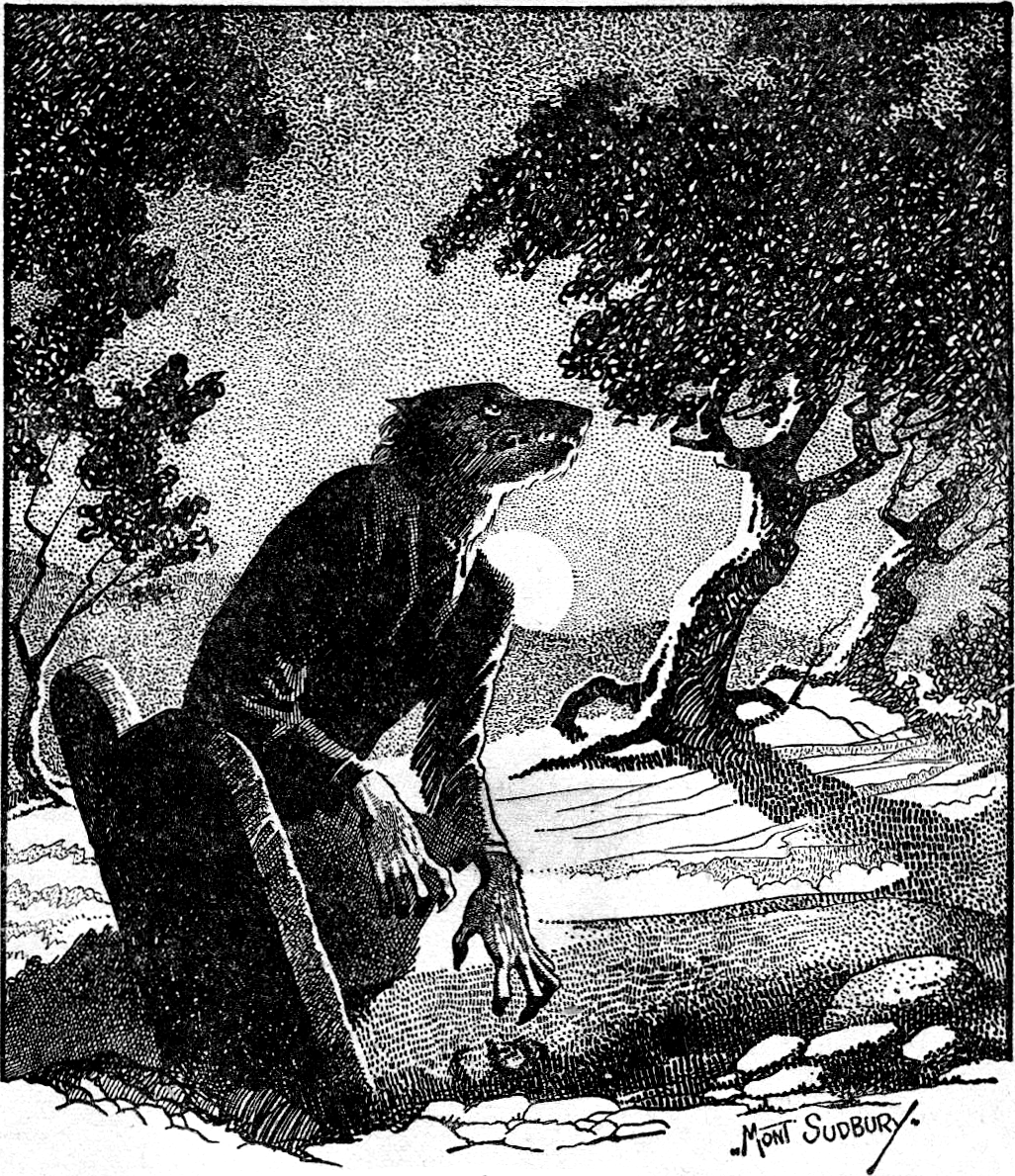 🇫🇷 France and 5 moreWerewolf
A mythical shapeshifter that turns into a wolf, central to European witch-hunts and Gothic horror.Being · Cursing and harm · Wonder and entertainment Legendary
🇫🇷 France and 5 moreWerewolf
A mythical shapeshifter that turns into a wolf, central to European witch-hunts and Gothic horror.Being · Cursing and harm · Wonder and entertainment Legendary
 🇩🇪 GermanyPied Piper of Hamelinder Rattenfänger von Hameln
A medieval legend about a piper who leads children away from the town of HamelinFigure · Cursing and harm · Luck and prosperity Legendary
🇩🇪 GermanyJohannes Junius
Mayor of Bamberg executed in the witch trials, known for a letter to his daughterFigure Historical
🇩🇪 GermanyPied Piper of Hamelinder Rattenfänger von Hameln
A medieval legend about a piper who leads children away from the town of HamelinFigure · Cursing and harm · Luck and prosperity Legendary
🇩🇪 GermanyJohannes Junius
Mayor of Bamberg executed in the witch trials, known for a letter to his daughterFigure Historical
 🇧🇷 Brazil and 5 moreWhite Lady
A female ghost in white clothing linked to tragedy and omens across many culturesFigure · Cursing and harm · Seeing and foretelling Legendary
🇧🇷 Brazil and 5 moreWhite Lady
A female ghost in white clothing linked to tragedy and omens across many culturesFigure · Cursing and harm · Seeing and foretelling Legendary
Related elsewhere
All figure 🇮🇳 India and 4 moreTantraतन्त्र
An esoteric yogic tradition from India focusing on ritual, mantra, and body-based spiritual practices.Tradition · Power and authority · Change and initiation Living
🇮🇳 India and 4 moreTantraतन्त्र
An esoteric yogic tradition from India focusing on ritual, mantra, and body-based spiritual practices.Tradition · Power and authority · Change and initiation Living
 🇿🇦 South AfricaSympathetic magic
A magical principle based on imitation and contact to influence the worldTradition · Protection · Healing Historical
🇿🇦 South AfricaSympathetic magic
A magical principle based on imitation and contact to influence the worldTradition · Protection · Healing Historical
 🇮🇳 India and 5 moreSpirit possession
A global belief that spirits or demons can take control of a person's body and mindBelief · Cursing and harm · Power and authority Living
🇮🇳 India and 5 moreSpirit possession
A global belief that spirits or demons can take control of a person's body and mindBelief · Cursing and harm · Power and authority Living