Biodynamic agriculture is a method of farming developed in 1924 by Rudolf Steiner. It treats the farm as a single living organism and uses special herbal and mineral preparations to enhance soil health.
- Started with lectures by Rudolf Steiner in 1924 in Germany
- Uses nine preparations numbered 500 to 508 for soil and compost
- Treats the farm as a single self-contained living organism
- Certified by Demeter International across more than 65 countries
- Classified as pseudoscience due to lack of scientific evidence
What it is
Biodynamic agriculture is a form of alternative farming that began in 1924. It is based on the ideas of philosopher Rudolf Steiner and is considered part of the anthroposophy movement. The approach views the farm as a self-contained organism where soil, plants, and animals are deeply connected. Practitioners believe that spiritual and cosmic forces influence growth. While it shares many methods with standard organic farming, such as avoiding synthetic chemicals, it adds unique rituals. These include using specific herbal and mineral preparations to treat the soil and crops. The goal is to create a balanced ecosystem that is resilient and healthy without artificial inputs.
Where it comes from
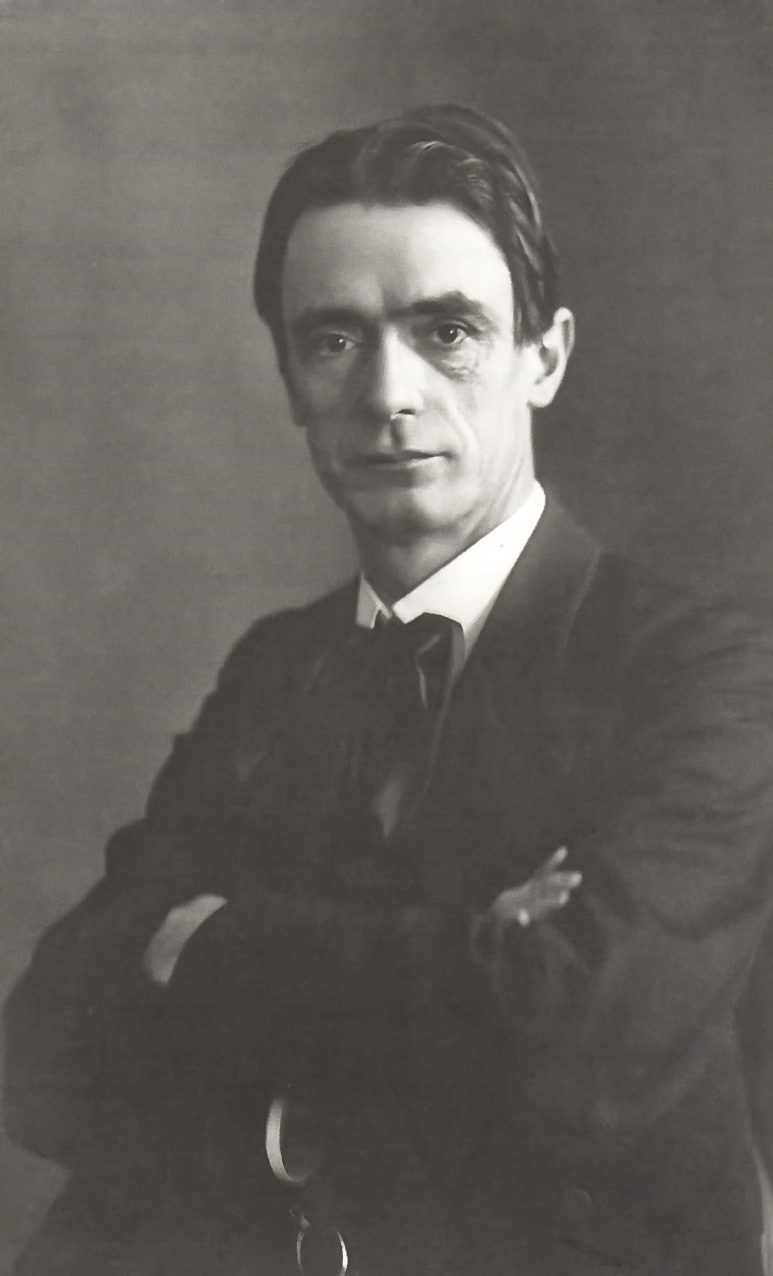
The practice started with eight lectures given by Rudolf Steiner at Schloss Koberwitz in Silesia, Germany, which is now Poland. Farmers asked for help because chemical fertilizers were harming their soil and livestock. Steiner proposed a new way to farm that focused on natural cycles. An experimental group was formed to test these methods between 1924 and 1939. Later, Erhard Bartsch helped organize research and created the Demeter brand for selling biodynamic products. The movement spread to other countries, including the United States and Australia, often through conferences and dedicated associations.
How it is done
Farmers follow strict rules to maintain ecological harmony. They must set aside land for biodiversity and rotate crops carefully. The farm is managed as a single unit rather than separate fields. A key feature is the use of nine specific preparations numbered 500 to 508. Some are sprayed on fields, while others are mixed into compost. One famous method involves burying cow horns filled with ground quartz to harvest cosmic forces. Another uses horn manure to stimulate soil life. These treatments are believed to mediate terrestrial and cosmic energies into the earth.
Tools and materials
The primary tools are the nine biodynamic preparations. Preparation 500 uses cow horns stuffed with horn manure, while preparation 501 uses ground quartz inside cow horns. Other preparations involve chopped leaves of yarrow, oak bark, stinging nettle, chamomile, dandelion, and valerian flower. These materials are buried or fermented in specific ways before being added to compost or sprayed on fields. Farmers also use traditional agricultural tools but apply them according to an astrological calendar when possible.
Biodynamic agriculture, drawn and placed
- Living
- Revived
- Fading
- Historical
- Legendary
- Performed
- Lineage
- Anthroposophy
What it is for
The main purpose is to heal and strengthen the soil so plants can grow naturally. Practitioners seek to restore balance to the farm ecosystem. They believe that by following these spiritual and biological guidelines, they can produce food with higher vitality. The methods aim to reduce dependency on external inputs like synthetic fertilizers. Farmers hope to create a resilient system that can withstand climate challenges. The work is also seen as a way to improve humanity's relationship with nature.
Who does it
Biodynamic farmers are typically individuals or families who run farms or gardens. They may be members of organizations like Demeter International. Training often comes from studying Steiner's lectures or attending courses at institutions like Emerson College. Many practitioners are part of a global network that shares knowledge. The work requires careful observation of the land and animals. It is not restricted by gender, though early groups included both men and women researchers.
Peoples and places
The practice originated in Germany and Poland but has spread worldwide. As of 2022, it is used in over 65 countries. Germany leads in the area of land farmed biodynamically. France and Italy also have significant numbers of biodynamic vineyards and farms. The method has been adapted to different climates, including cotton production in Egypt and silkworm breeding in China. In Australia, early pioneers established farms in Victoria. The United States and Canada have active associations promoting the methods.
At a glance: who, where and when
Who does it
Belief worlds
What people believe
Biodynamics is rooted in anthroposophy, a spiritual philosophy founded by Steiner. Practitioners believe that invisible forces from the cosmos affect plant growth. They hold that the preparations activate these forces within the soil. The farm is viewed as a living entity with its own individuality. This worldview rejects purely mechanical explanations for agriculture. Instead, it emphasizes the interconnectedness of all life on the farm. Skeptics argue that these beliefs lack scientific evidence and classify the practice as pseudoscience.
When it is done
Some farmers use an astrological sowing and planting calendar. This guide suggests optimal days for planting, pruning, and harvesting based on the positions of the moon and planets. However, not all biodynamic farmers follow this strictly. The general rhythm of the farm follows seasonal changes. Key times include planting seasons and harvest periods. The preparations are applied throughout the growing season to support plant development.
How scholars and sceptics see it
Scientific studies have found no difference in beneficial outcomes between biodynamic and other organic farming methods. Researchers classify biodynamics as pseudoscience because its core claims about cosmic forces lack empirical evidence. Historians note that it was the first modern organic farming movement. Sociologists study how it creates community bonds among farmers. Supporters argue that the holistic approach fosters biodiversity and resilience.
Cautions and what is closed
There are no reported physical dangers from the preparations themselves. However, some critics warn that relying on unproven methods might risk crop yields compared to conventional farming. Fraud is not widely reported, but consumers should check for valid Demeter certification. The practices are closed to outsiders only in the sense that full understanding requires commitment to the philosophy. There are no known harmful effects on workers or animals from the standard procedures.
Compare and confuse
Biodynamics is often confused with general organic farming. Both avoid synthetic chemicals and focus on soil health. However, biodynamics includes spiritual rituals and specific preparations that organic farming does not require. It is related to nature farming in Japan, which also emphasizes spiritual connection to the land. The term organic farming was later coined by Lord Northbourne, who praised Steiner's work. Biodynamics is distinct from industrial agriculture due to its emphasis on local ecosystems and self-sufficiency.
Questions people ask about Biodynamic agriculture
What is biodynamic agriculture?
It is a farming method developed by Rudolf Steiner in 1924. It combines organic principles with spiritual beliefs to treat the farm as a living organism.
Where did it originate?
It began in Silesia, Germany (now Poland), after farmers requested help for degraded soil caused by chemical fertilizers.
What makes it different from organic farming?
It uses specific herbal and mineral preparations and often follows an astrological calendar to align farming activities with cosmic rhythms.
Is it scientifically proven?
No. Scientific studies show no difference in outcomes compared to standard organic farming. It is considered pseudoscience due to its esoteric basis.
How is it certified?
Most farms are certified by Demeter International, which sets standards for biodynamic practices and product quality globally.
Good reading and sources
- Biodynamic agriculture on WikipediaEncyclopedia
- More photos on Wikimedia CommonsPhotos and video
- Wikidata recordOpen data
The facts on this page come from the Wikipedia article "Biodynamic agriculture", written by its contributors and used under the CC BY-SA 4.0 licence, and from its Wikidata record (CC0). EveryJaadu rewrote the text in its own words, with AI assistance, and compares every page with the article to make sure no passage is copied. It may be reused under the same CC BY-SA 4.0 licence with a link back.
It may contain mistakes. Names and customs differ from one community to the next, and some knowledge is closed to outsiders and left out here. This page describes belief and practice. It does not say that any of it works, it is not a how-to, and it is not medical advice. If something is wrong, tell us. Last refreshed 2026-10-06.
More from Germany
All the entries from Germany 🇩🇪 Germany and 2 moreFranz Anton Mesmer
A German physician who proposed a universal fluid of natural energy and founded mesmerism.Tradition · Healing Historical
🇩🇪 Germany and 2 moreFranz Anton Mesmer
A German physician who proposed a universal fluid of natural energy and founded mesmerism.Tradition · Healing Historical
 🇩🇪 Germany and 5 moreMaypoleMaibaum
A tall wooden pole raised for European spring festivals, accompanied by dance and celebration.Tradition · Luck and prosperity · Love and attraction Living
🇩🇪 Germany and 5 moreMaypoleMaibaum
A tall wooden pole raised for European spring festivals, accompanied by dance and celebration.Tradition · Luck and prosperity · Love and attraction Living
 🇬🇧 United Kingdom and 5 moreAleister Crowley
English occultist and founder of the religion of ThelemaText · Power and authority · Change and initiation Living
🇬🇧 United Kingdom and 5 moreAleister Crowley
English occultist and founder of the religion of ThelemaText · Power and authority · Change and initiation Living
 🇸🇪 Sweden and 4 moreEmanuel Swedenborg
An 18th-century Swedish scientist who became a mystic and claimed to visit the afterlife.Text · Speaking with spirits and the dead · Change and initiation Living
🇸🇪 Sweden and 4 moreEmanuel Swedenborg
An 18th-century Swedish scientist who became a mystic and claimed to visit the afterlife.Text · Speaking with spirits and the dead · Change and initiation Living
Related elsewhere
All tradition 🇨🇳 China and 1 moreLuoshu Square洛書
An ancient Chinese three-by-three magic square linked to geomancy and numerologyTradition · Power and authority · Wonder and entertainment Historical
🇨🇳 China and 1 moreLuoshu Square洛書
An ancient Chinese three-by-three magic square linked to geomancy and numerologyTradition · Power and authority · Wonder and entertainment Historical
 🇨🇳 China and 2 moreEight Immortals八仙
Eight legendary Taoist figures of China, each with a power and a vesselFigure · Protection · Healing Living
🇨🇳 China and 2 moreEight Immortals八仙
Eight legendary Taoist figures of China, each with a power and a vesselFigure · Protection · Healing Living
 🇪🇬 Egypt and 1 moreEye of Horuswḏꜣt
A stylized eye symbol in ancient Egypt representing healing and cosmic orderCharm · Protection · Healing Historical
🇪🇬 Egypt and 1 moreEye of Horuswḏꜣt
A stylized eye symbol in ancient Egypt representing healing and cosmic orderCharm · Protection · Healing Historical
 🇮🇳 India and 1 moreMantraमन्त्रम्
A sacred sound or phrase repeated to focus the mind and invoke spiritual powerText · Speaking with spirits and the dead · Power and authority Living
🇮🇳 India and 1 moreMantraमन्त्रम्
A sacred sound or phrase repeated to focus the mind and invoke spiritual powerText · Speaking with spirits and the dead · Power and authority Living