
Tatzelwurm
from German Tatzel (paw) and Wurm (worm)
A cat-headed lizard of the Alps, said to guard mines and drink cow milk.
The Tatzelwurm is a legendary creature from Alpine folklore, described as a lizard-like dragon with a cat's face. It is believed to live in mountain tunnels and is feared for its venomous breath or poison.
- Described as having a cat's face and a serpent body
- Known as Stollenwurm in the Bernese Alps
- Believed to have poisonous or lethal breath
- Said to suck milk from cows in some legends
- Studied by naturalists like Samuel Studer in the 1800s
What it is
The Tatzelwurm is a mythical beast found in the folklore of south-central Europe. It is usually depicted as a short, stout lizard or serpent with the head of a cat. Some accounts describe it with four legs, while others say it has only two forelegs or none at all. The creature is often linked to dragons, sharing traits like poisonous breath or a hissing sound. In Swiss regions, it is frequently called Stollenwurm, highlighting its connection to underground spaces.
Where it comes from
The name Tatzelwurm was localized in Bavaria before becoming common in Austria. In Switzerland, locals preferred Stollenwurm, meaning tunnel worm or mine dragon. The underground motif appears in other Germanic legends like the lindworm. Swedish folklore also features similar creatures, which are said to form from the souls of greedy people who hide their money. These spirits become small, toothy dragons that guard their treasure.
How it is done
Encounters with the Tatzelwurm are recorded as anecdotes rather than rituals. One story tells of a farmer who died of a heart attack after seeing two of the beasts. Another account describes a shepherd claiming to have killed a hairy creature carrying young. To protect cows from being harmed by such serpents, some traditions suggest placing a white rooster near the herd to ward off the evil influence.
Tools and materials
The creature is associated with specific physical signs in stories. Witnesses describe a black-grey body, boar-like bristles on the back, or a crest on the head. A white rooster is mentioned as a protective tool against the milk-sucking habits attributed to these serpents. Naturalists later tried to identify the remains or tracks as those of known lizards or snakes.
Tatzelwurm, drawn and placed
- Living
- Revived
- Fading
- Historical
- Legendary
- Performed
- Lineage
- Germanic dragon lore
- Timing
- after humidly hot weather
What it is for
People in the Alps viewed the Tatzelwurm as a harmful presence. It was believed to be poisonous and capable of causing headaches or dizziness through its breath. Some legends claimed the creatures sucked the milk from cows' udders. Others held that they guarded hidden treasures left behind by the dead, making them objects of fear and caution for travelers and farmers.
Who does it
Scholars and naturalists have studied these tales for centuries. Johann Jacob Wagner recorded early sightings in the seventeenth century, which were later illustrated by Johann Jakob Scheuchzer. Samuel Studer and Johann Rudolf Wyss collected local stories in the nineteenth century, analyzing whether the Stollenwurm was a real animal or a folk myth. Their work helps distinguish between reported encounters and cultural beliefs.
Peoples and places
The legend is strongest in the Alpine regions of Switzerland, Austria, and Bavaria. In French-speaking areas, the creature is known as arassas. Slovenian versions include Daadzelwurm. South Sweden also shares this folklore type, where the dragons arise from greed. The variations in names and descriptions show how different communities adapted the same core idea of a dangerous, cat-faced serpent.
At a glance: who, where and when
Peoples
Belief worlds

What people believe
The Tatzelwurm fits into a broader worldview where animals and spirits inhabit the wild mountains. The belief in its venom reflects fears of unknown dangers in the high altitudes. The connection to buried treasure links it to moral lessons about greed. Naturalists like Karl Wilhelm von Dalla Torre later interpreted these beings as phantom memories of extinct giant lizards, blending science with lingering superstition.
When it is done
Samuel Studer noted that the Stollenwurm was believed to appear after humidly hot weather or during volatile changes in the climate. This timing suggests a link between the creature's activity and environmental conditions familiar to mountain dwellers. No specific festivals are tied to the beast, but its appearance is associated with seasonal shifts and storms.
How scholars and sceptics see it
Historians note that early naturalists faced pressure to remain open-minded about nature, even when reports seemed strange. Peter H. Later scholars dismissed the creatures as misidentified lizards, yet the folklore persisted as a cultural phantom of the past.
Cautions and what is closed
The legends describe the Tatzelwurm as lethal or harmful, warning people to avoid certain mountain paths. The fear of venomous breath or poisoning served as a practical caution against venturing into dark caves or unstable terrain. Modern readers view these stories as examples of how communities used monsters to explain unexplained events, such as missing livestock or sudden illnesses.
Compare and confuse
The Tatzelwurm is related to the lindworm and other Germanic dragons like Fafnir. It differs from typical European dragons by its lack of wings and its feline features. In France, the arassas serves a similar role. The Swedish analogs are distinct in their origin from human souls, whereas the Alpine versions are often seen as independent animals or spirits of the earth.
Questions people ask about Tatzelwurm
What does the Tatzelwurm look like?
It is described as a stubby lizard or worm with a cat-like head. Accounts vary, saying it has two, four, or no legs, and may be covered in hair or bristles. Its body is often black or grey, measuring up to seven feet long.
Where is the Tatzelwurm found?
It comes from the folklore of the Alpine region, including Switzerland, Austria, and Bavaria. Similar creatures appear in South Sweden, where they are linked to buried treasure and greedy souls.
Is the Tatzelwurm dangerous?
Folklore says it is venomous or has poisonous breath that can cause dizziness. Some stories claim it harms cows by sucking their milk, leading people to use a white rooster for protection.
Why is it called Stollenwurm?
In Swiss German, Stollen means tunnel or mine. The name highlights the creature's association with underground spaces, mines, and the earth, distinguishing it from winged sky dragons.
Good reading and sources
- Tatzelwurm on WikipediaEncyclopedia
- More photos on Wikimedia CommonsPhotos and video
- Wikidata recordOpen data
The facts on this page come from the Wikipedia article "Tatzelwurm", written by its contributors and used under the CC BY-SA 4.0 licence, and from its Wikidata record (CC0). EveryJaadu rewrote the text in its own words, with AI assistance, and compares every page with the article to make sure no passage is copied. It may be reused under the same CC BY-SA 4.0 licence with a link back.
It may contain mistakes. Names and customs differ from one community to the next, and some knowledge is closed to outsiders and left out here. This page describes belief and practice. It does not say that any of it works, it is not a how-to, and it is not medical advice. If something is wrong, tell us. Last refreshed 2026-10-06.
More from Switzerland
All the entries from Switzerland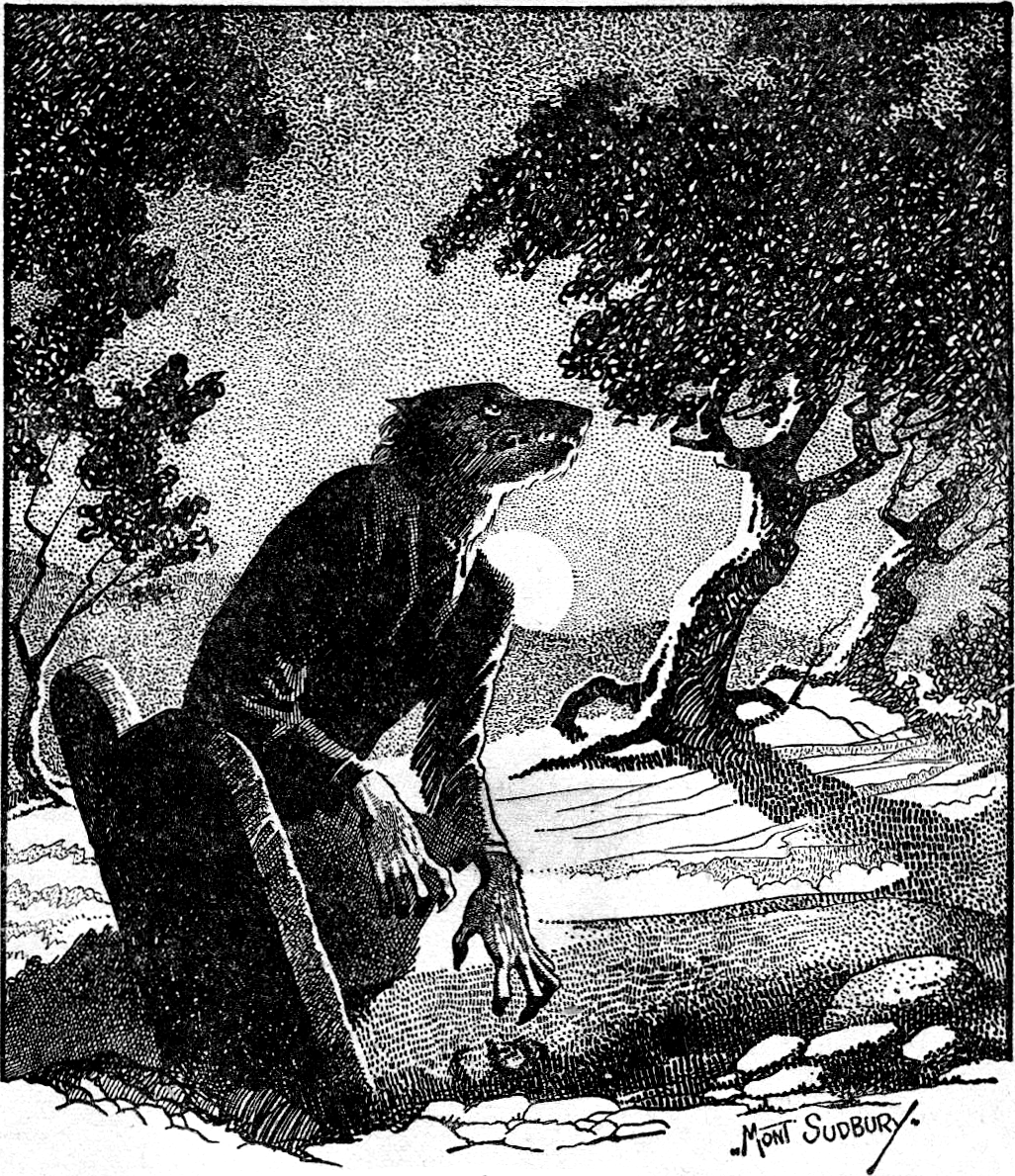 🇫🇷 France and 5 moreWerewolf
A mythical shapeshifter that turns into a wolf, central to European witch-hunts and Gothic horror.Being · Cursing and harm · Wonder and entertainment Legendary
🇫🇷 France and 5 moreWerewolf
A mythical shapeshifter that turns into a wolf, central to European witch-hunts and Gothic horror.Being · Cursing and harm · Wonder and entertainment Legendary
 🇦🇹 Austria and 3 morePerchtaPercht
A Alpine goddess of winter who rewards diligence and punishes laziness during the twelve days after Christmas.Being · Luck and prosperity · Cursing and harm Revived
🇦🇹 Austria and 3 morePerchtaPercht
A Alpine goddess of winter who rewards diligence and punishes laziness during the twelve days after Christmas.Being · Luck and prosperity · Cursing and harm Revived
 🇩🇪 Germany and 5 moreWitch trials in the Holy Roman Empire
A wave of executions across Central Europe between the fifteenth and eighteenth centuries.Belief · Cursing and harm Historical
🇩🇪 Germany and 5 moreWitch trials in the Holy Roman Empire
A wave of executions across Central Europe between the fifteenth and eighteenth centuries.Belief · Cursing and harm Historical
 🇮🇹 Italy and 5 moreTarottarocchi
A set of playing cards used for games and divinationTradition · Seeing and foretelling · Luck and prosperity Living
🇮🇹 Italy and 5 moreTarottarocchi
A set of playing cards used for games and divinationTradition · Seeing and foretelling · Luck and prosperity Living
Related elsewhere
All being 🇪🇬 EgyptCurse
A spoken wish for misfortune to befall a person or placeBelief · Cursing and harm · Luck and prosperity Historical
🇪🇬 EgyptCurse
A spoken wish for misfortune to befall a person or placeBelief · Cursing and harm · Luck and prosperity Historical
 🇵🇭 PhilippinesTikbalang
A horse-headed spirit of Philippine forests that leads travelers astrayBeing · Cursing and harm · Luck and prosperity Living
🇵🇭 PhilippinesTikbalang
A horse-headed spirit of Philippine forests that leads travelers astrayBeing · Cursing and harm · Luck and prosperity Living
 🇮🇳 India and 5 moreHoliहोली
A Hindu spring festival marked by coloured powders and bonfires to celebrate love and virtue.Tradition · Love and attraction · Cursing and harm Living
🇺🇸 United StatesPukwudgie
A short forest spirit from Algonquian lore, known for mischief and danger.Being · Cursing and harm · Luck and prosperity Legendary
🇮🇳 India and 5 moreHoliहोली
A Hindu spring festival marked by coloured powders and bonfires to celebrate love and virtue.Tradition · Love and attraction · Cursing and harm Living
🇺🇸 United StatesPukwudgie
A short forest spirit from Algonquian lore, known for mischief and danger.Being · Cursing and harm · Luck and prosperity Legendary