Murder for body parts
from the purpose of creating traditional medicine using human remains
The killing of people to harvest body parts for traditional medicine or the illegal organ trade.
This practice involves murdering individuals to extract organs or flesh for use in witchcraft or commercial sale. It is primarily documented in sub-equatorial Africa, where it is linked to beliefs about personal power and success. The phenomenon also includes international criminal networks trafficking organs for transplant.
- Victims are often children or elderly people.
- Organs are used to create potions for power.
- Practice increases during political instability.
- Healers guide clients on required body parts.
- Illegal trade profits exceed billions annually.
What it is
Murder for body parts refers to the intentional killing of a person to remove organs or tissue. These parts are used in traditional medicine or sold on the black market. In southern Africa, this is often called medicine murder or muti murder. Practitioners believe these items grant strength or business success. Globally, criminal groups kill for the illegal organ trade. This separate motive focuses on profit rather than spiritual belief. Both forms result in violent death and mutilation.
Where it comes from
Historical records show anatomy murders in 19th-century Europe. Perpetrators like Burke and Hare killed for medical dissection. In Africa, ethnographies document these killings since the 1800s. Early cases may have been sanctioned by chiefs for agriculture or war protection. Modern forms emerged with industrialization and commerce. Political instability in the 1990s increased opportunistic killings. The practice evolved from ritual sacrifice to commercial exploitation.
How it is done
A client commissions a healer to create a potent medicine. A victim is selected, often through payment or abduction. The victim is taken to an isolated location. Mutilation occurs while the victim is alive to increase potency. Organs like eyelids, lips, or internal tissues are removed. These are mixed with plants and cooked into a paste. The paste is applied to the body or consumed. In illegal trade, organs are harvested quickly for sale.
Tools and materials
Healers use human flesh and organs as key ingredients. Common parts include soft tissue, eyes, and reproductive organs. These are combined with local medicinal plants. The mixture is cooked into a potion or paste. Victims may be drugged with substances containing gold particles. The resulting medicine is carried on the person.
Murder for body parts, drawn and placed
- Living
- Revived
- Fading
- Historical
- Legendary
- Performed
- Lineage
- Traditional African healing practices
- Timing
- during times of political or economic stress
What it is for
Clients seek enhanced personal force or personality strength. This power is believed to bring success in business or politics. Some use it for protection against enemies. Others seek wealth or social status. In the illegal trade, the purpose is purely financial gain. Criminal organizations sell organs to wealthy patients. Both motives rely on the perceived value of human remains.
Who does it
Healers known as inyanga or sangoma prepare the medicines. They guide clients on which body parts are needed. Clients commission the killings to achieve specific goals. Women can also be perpetrators, as seen in historical executions. Healers hold significant influence in these transactions. Their role bridges spiritual belief and physical violence.
Peoples and places
The practice is most documented in South Africa, Lesotho, and Eswatini. It affects communities across southern Africa. Nigerian diaspora groups have been involved in UK cases. Botswana has recorded high-profile incidents involving children. The practice crosses ethnic lines but remains concentrated in urban areas. Different regions report varying frequencies based on local stressors.
At a glance: who, where and when
Who does it
Belief worlds
Occasions
What people believe
Practitioners believe human parts contain vital energy. This energy transfers to the user upon consumption or application. Children are often targeted for their perceived purity. The agony of the victim is thought to enhance potency. Beliefs persist despite legal prohibitions and modern medicine. Skeptics view these as superstitions driving violence.
When it is done
Killings often spike during political or economic crises. Times of uncertainty increase demand for protective magic. No specific festivals trigger these events. Abductions occur randomly or when targets are vulnerable. Nighttime is preferred for secrecy. The timing aligns with moments of perceived need for power.
How scholars and sceptics see it
Anthropologists study the link between stress and ritual violence. Researchers note increases during political transitions. Historians compare African practices to European anatomy murders. Legal scholars analyze the difficulty of prosecution. Sceptics argue that belief drives the demand. Evidence comes from court records and witness testimonies.
Cautions and what is closed
Victims are often children or elderly individuals. The practice causes severe trauma to families and communities. Police investigations face challenges due to secrecy. Corruption and complicity hinder justice. International cases involve complex jurisdictional issues. Fraudulent healers exploit vulnerable clients. The violence leaves lasting scars on society.
Compare and confuse
This differs from standard witchcraft by focusing on physical extraction. It shares traits with the illegal organ trade but adds ritual elements. European anatomy murders were motivated by science, not spirit. Modern muti murder blends tradition with criminal enterprise. Confusion arises between legitimate healing and violent crime.
Questions people ask about Murder for body parts
What is murder for body parts?
It is the killing of people to harvest organs or flesh. These parts are used in traditional medicine or sold illegally. The practice is common in southern Africa and linked to beliefs about power.
Why do people commit these murders?
Clients believe body parts grant strength or success. Healers create medicines using human remains. Criminal groups kill for profit in the organ trade. Both motives drive the violence.
Who are the typical victims?
Victims vary in age and social standing. Children and the elderly are frequently targeted. Vulnerable individuals are easier to abduct. Gender does not protect against selection.
Is this practice still happening today?
Yes, it continues in sub-equatorial Africa. Reports increase during times of stress. Legal convictions occur but secrecy remains high. International cases also surface in Europe.
Good reading and sources
- BBC News | UKBBC, Article
- Mexico arrests drug leaders nephewAl Jazeera, Article
- Joshlin Smith's mother, Kelly, jailed for kidnapping and selling her in South AfricaBBC, Article
The facts on this page come from the Wikipedia article "Murder for body parts", written by its contributors and used under the CC BY-SA 4.0 licence, and from its Wikidata record (CC0). EveryJaadu rewrote the text in its own words, with AI assistance, and compares every page with the article to make sure no passage is copied. It may be reused under the same CC BY-SA 4.0 licence with a link back.
It may contain mistakes. Names and customs differ from one community to the next, and some knowledge is closed to outsiders and left out here. This page describes belief and practice. It does not say that any of it works, it is not a how-to, and it is not medical advice. If something is wrong, tell us. Last refreshed 2026-10-05.
More from South Africa
All the entries from South Africa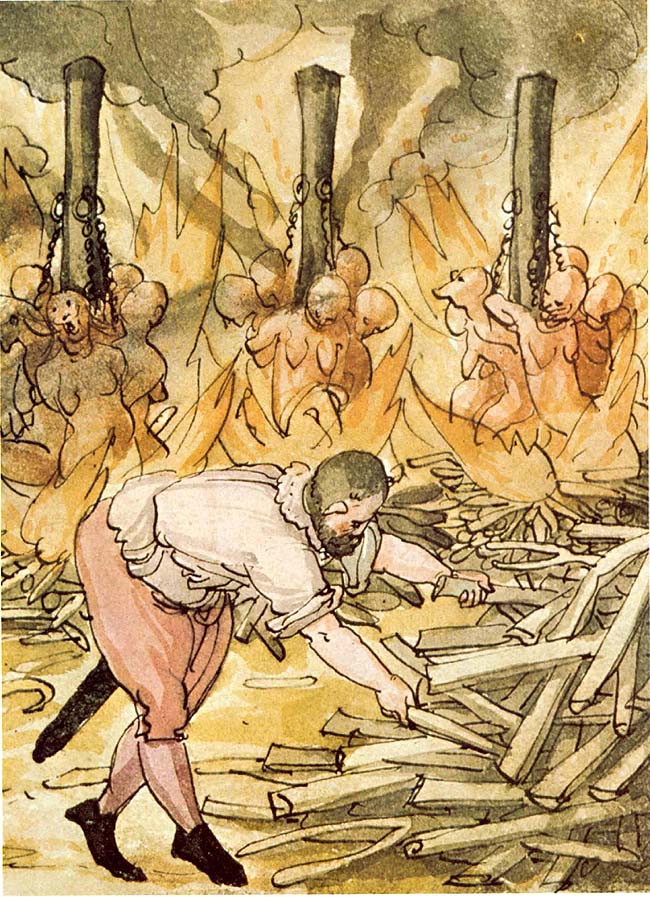 🇸🇦 Saudi Arabia and 5 moreWitch hunt
A campaign to find and punish people accused of using magic for harmBelief · Cursing and harm Historical
🇸🇦 Saudi Arabia and 5 moreWitch hunt
A campaign to find and punish people accused of using magic for harmBelief · Cursing and harm Historical
 🇿🇦 South Africa and 4 moreWitch doctor
A traditional healer who identifies supernatural causes of illness and performs rituals to restore balance.Tradition · Healing · Protection Living
🇿🇦 South Africa and 4 moreWitch doctor
A traditional healer who identifies supernatural causes of illness and performs rituals to restore balance.Tradition · Healing · Protection Living
 🇿🇦 South AfricaUkuthwasa
A spiritual calling and initiation process for traditional healers in Southern Africa.Rite · Healing · Speaking with spirits and the dead Living
🇿🇦 South Africa and 4 moreModern witch-hunts
Contemporary violence against people accused of using magic to cause harmBelief · Cursing and harm Living
🇿🇦 South AfricaUkuthwasa
A spiritual calling and initiation process for traditional healers in Southern Africa.Rite · Healing · Speaking with spirits and the dead Living
🇿🇦 South Africa and 4 moreModern witch-hunts
Contemporary violence against people accused of using magic to cause harmBelief · Cursing and harm Living
Related elsewhere
All belief 🇮🇸 Iceland and 1 moreNornsnornir
Fate-weaving figures from Norse myth who shape human destiny and tend the world tree.Being · Cursing and harm · Luck and prosperity Historical
🇮🇸 Iceland and 1 moreNornsnornir
Fate-weaving figures from Norse myth who shape human destiny and tend the world tree.Being · Cursing and harm · Luck and prosperity Historical
 🇨🇳 China and 4 moreDragon
A serpentine mythical creature found in global folklore and art, representing power, chaos, or imperial authority.Being · Power and authority · Cursing and harm Legendary
🇨🇳 China and 4 moreDragon
A serpentine mythical creature found in global folklore and art, representing power, chaos, or imperial authority.Being · Power and authority · Cursing and harm Legendary
 🇮🇳 India and 5 moreAstrology
A divinatory practice that reads human fate through the positions of celestial bodies.Belief · Seeing and foretelling · Luck and prosperity Living
🇮🇳 India and 5 moreAstrology
A divinatory practice that reads human fate through the positions of celestial bodies.Belief · Seeing and foretelling · Luck and prosperity Living
 🇷🇸 Serbia and 5 moreVampire
An undead creature from folklore that feeds on the blood or life force of the livingBeing · Cursing and harm · Luck and prosperity Legendary
🇷🇸 Serbia and 5 moreVampire
An undead creature from folklore that feeds on the blood or life force of the livingBeing · Cursing and harm · Luck and prosperity Legendary