🇩🇪 Magic in Germany
171 entries from Germany, best known first, across 80 places of magic.
German folklore preserves pre-Christian spirits and seasonal customs alongside Christian traditions. It reflects a shared Germanic heritage with Nordic and English beliefs, evolving from oral history into national cultural identity.
- Household spirits like Kobolds are said to help or hinder domestic life
- Walpurgisnacht is a spring festival derived from older pagan customs
- The Brothers Grimm collected oral histories to build a national identity
- Mountain spirits such as Rübezahl are central to regional legends
- Folklore was used as propaganda during the National Socialist era
Overview
This tradition spans Germany and other German-speaking regions like Austria and parts of Switzerland. It retains elements of old Germanic mythology, including nature spirits and household entities that survived the shift to Christianity. The stories often blend pagan roots with later religious festivals. Scholars note that these tales helped shape a sense of national unity during the nineteenth century, though they were later misused for political propaganda in the twentieth century.
Practices and beliefs
Beliefs include encounters with dwarves, elves, and mountain spirits like Rübezahl. Household helpers such as Kobolds are said to protect homes or cause mischief. Water nymphs guard rivers, while wild hunt leaders ride through the skies. Magical plants like mandrake are featured in legends. Trickster figures and moral tales about death and greed remain popular narrative forms across the region.
Rites and charms
Seasonal celebrations mark the year, including Walpurgisnacht in spring and Yule customs involving appeasing winter witches. Saint Nicholas visits are accompanied by rough companions who discipline children. Krampus runs occur during the Advent season. These events blend ancient agricultural cycles with modern holiday traditions, maintaining community bonds through shared storytelling and ritual behavior.
Who practises
No specific professional class is defined in the text. The tradition relies on oral transmission by families and communities. Collectors like the Brothers Grimm documented these stories, turning local lore into published literature. Their work influenced artists and writers, elevating folk tales from private family memories to public cultural assets.
Regions and communities
The folklore covers all German-speaking areas, including parts of Belgium, Luxembourg, and Italy. Regional variations exist in spirit names and local legends. Mountainous areas feature distinct entities compared to coastal zones. The diversity reflects the historical fragmentation of German polities before unification.
The calendar
Key times include Walpurgisnacht, Easter with its hare symbols, and Christmas with its various gift-bringers. Winter solstice traditions involve appeasing spirits. These dates anchor the supernatural world to the natural cycle of seasons, ensuring that mythical beings remain relevant to daily life throughout the year.
Law and the state
During the National Socialist era, folklore studies were co-opted to support anti-democratic policies and antisemitic myths. This period saw the manipulation of traditional customs for political ends. Modern legal status is not detailed in the provided material.
Today
The legacy persists in literature, opera, and tourism. Stories inspired famous works like Wagner's operas and American tales by Washington Irving. Contemporary interest focuses on preserving cultural heritage rather than active magical practice.
The facts in this overview come from the Wikipedia article "German folklore", written by its contributors and used under the CC BY-SA 4.0 licence. EveryJaadu rewrote the text in its own words, with AI assistance, and compares every page with the article to make sure no passage is copied. It may be reused under the same CC BY-SA 4.0 licence with a link back.
Places of magic in Germany
 🇨🇳 China and 5 moreHorseshoe
A curved plate fixed to a horse's hoof for protection, also kept as a charm for fortune.Charm · Protection · Luck and prosperity Living
 🇬🇧 United Kingdom and 2 moreBeating the bounds
A ceremonial walk along parish or town borders to reaffirm boundaries and community memory.Rite · Protection · Speaking with spirits and the dead Living
 🇬🇧 United Kingdom and 5 moreConcealed shoes
Shoes hidden in building structures as folk charms for protection and fertilityCharm · Protection · Speaking with spirits and the dead Historical
🇸🇪 Sweden and 3 moreRunic magic
The use of ancient Germanic letters for spells, divination, and protectionTradition · Protection · Seeing and foretelling Living
 🇬🇧 United Kingdom and 2 moreAdder stone
A naturally perforated stone used as a protective talisman in European folkloreCharm · Protection · Luck and prosperity Historical
 🇮🇱 Israel and 5 moreTefillinתְּפִלִּין
Black leather boxes containing Torah scrolls, worn by Jewish men during weekday prayers.Charm · Speaking with spirits and the dead · Protection Living
 🇮🇶 Iraq and 5 moreGrimoire
A textbook containing instructions for spells, rituals, and the creation of magical objects.Text · Protection · Healing Historical
 🇬🇧 United Kingdom and 4 moreCunning folk
European practitioners of folk medicine and helpful magic from the Middle Ages to the twentieth centuryTradition · Protection · Healing Historical
🇩🇪 Germany and 3 moreSixth and Seventh Books of Moses
A grimoire claiming to reveal the hidden spells of Moses for controlling spirits and natureText · Power and authority · Speaking with spirits and the dead Historical
 🇩🇪 Germany and 7 moreWalpurgis NightWalpurgisnacht
A spring vigil marking the eve of Saint Walpurga's feast day with bonfires and student festivalsRite · Protection · Speaking with spirits and the dead Living
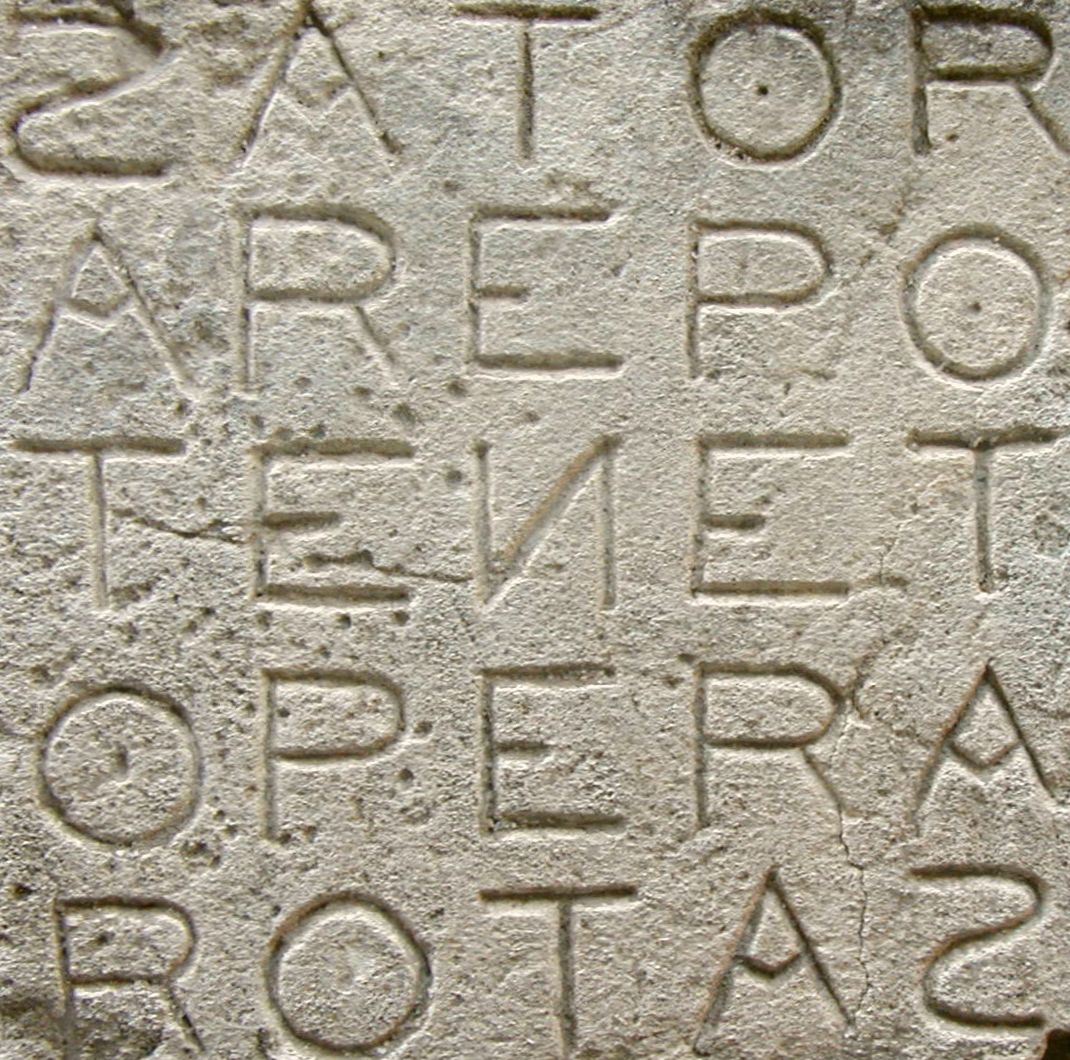 🇮🇹 Italy and 5 moreSator Square
A five-word Latin palindrome found in Roman ruins and medieval churchesCharm · Protection · Healing Historical
 🇩🇪 Germany and 4 moreNeed-fireNotfeuer
A ritual fire lit by friction to protect livestock and people from disease and witchcraftRite · Protection · Cleansing and purification Historical
 🇷🇺 Russia and 4 moreLady MiddayPoludnitsa
A Slavic noon spirit who watches over fields and punishes those who work during the hottest hours.Being · Cursing and harm · Protection Historical
 🇮🇳 India and 4 moreDzi beadགཟི། (gzi)
An agate amulet worn in the Himalayas for protection against the evil eye.Charm · Protection · Speaking with spirits and the dead Living
 🇫🇷 France and 5 moreYule log
A large wooden log burned in the hearth during winter festivals across Europe and North America.Tradition · Protection · Luck and prosperity Living
 🇮🇪 Ireland and 4 moreWinter solstice
The shortest day and longest night of the year, marked by rites of solar returnTradition · Seeing and foretelling · Protection Living
 🇪🇬 Egypt and 1 moreEbers Papyrus
An ancient Egyptian medical scroll detailing herbal remedies and bodily theories from around 1550 BCE.Text · Healing · Protection Historical
 🇺🇦 Ukraine and 4 moreMugwort
An aromatic herb used in folk magic for protection and divinationSubstance · Protection · Seeing and foretelling Living
 🇧🇪 Belgium and 5 moreRelic
An object or body part kept to honor a holy person and mark their connection to the divineCharm · Protection · Healing Living
 🇮🇪 Ireland and 4 moreMay Day
A European spring festival marking the start of summer with flowers, poles and fire.Tradition · Protection · Luck and prosperity Living
🇬🇧 United Kingdom and 4 moreTelling the bees
A Western European custom of informing hives about major household eventsTradition · Protection · Luck and prosperity Living
 🇨🇿 Czech Republic and 4 moreGolemגּוֹלֶם
An animated clay figure from Jewish folklore created to serve or protectBeing · Protection · Power and authority Legendary
 🇩🇪 Germany and 1 moreHercules' ClubHerkuleskeule
A club-shaped amulet worn in the Roman Empire and by Germanic peoples as a protective charm.Charm · Protection Historical
 🇪🇬 Egypt and 4 moreScarab
An ancient Egyptian amulet and seal shaped like a dung beetleCharm · Protection · Luck and prosperity Historical
 🇬🇧 United Kingdom and 1 moreMagic in Anglo-Saxon Englandgaldorcræft
Healing charms and protective rituals practiced by early English tribesTradition · Healing · Protection Historical
 🇯🇵 Japan and 4 moreHousehold deity
A spirit or minor god believed to guard a home and its family members.Being · Protection · Speaking with spirits and the dead Historical
 🇩🇪 Germany and 1 moreElwetritschElwedritsch
A chicken-like creature from German folklore that tames the fear of sleep paralysisBeing · Protection Living
🇩🇪 Germany and 2 moreFängge
A hairy forest giantess or dwarf-spirit of the Alpine woodlandsBeing · Cursing and harm · Protection Legendary
 🇩🇪 GermanyFeldgeist
German folk creatures tied to crops, weather and harvest ritualsBeing · Cursing and harm · Luck and prosperity Historical
🇸🇾 Syria and 5 moreInsufflation
A ritual breath used in Christian rites to drive out evil or invite the spirit.Rite · Protection · Speaking with spirits and the dead Historical
 🇩🇪 Germany and 3 moreDrude
A Germanic nightmare spirit and the pentagram charm used to keep it outBeing · Cursing and harm · Protection Historical
 🇦🇹 Austria and 3 moreSalige Frau
A blissful Alpine spirit who guides farmers and guards mountain gameFigure · Protection · Healing Legendary
 🇮🇳 India and 5 moreSailors' superstitions
A global collection of omens, charms and taboos used by mariners to manage the risks of life at seaBelief · Protection · Luck and prosperity Living
 🇩🇪 Germany and 3 moreKlabautermann
A North Sea ship kobold that aids sailors and signals a vessel's doom.Being · Protection · Wonder and entertainment Historical
 🇮🇱 Israel and 4 moreChaiחי
A Hebrew word and symbol meaning 'alive', used as an amulet and in Jewish culture.Charm · Protection · Luck and prosperity Living
 🇬🇦 Gabon and 2 moreMbulu Ngulu
Wood and metal figures guarding ancestor relics in GabonCharm · Protection · Speaking with spirits and the dead Historical
 🇩🇪 Germany and 1 moreNis PukNiß Puk
A legendary household spirit from Northern Germany and Denmark that helps or torments its owner.Being · Luck and prosperity · Protection Legendary
 🇮🇪 Ireland and 3 moreFairy path
An invisible route used by fairies, often straight and connecting sacred sitesBelief · Cursing and harm · Protection Historical
 🇩🇪 GermanyAGLAאגלא
A Hebrew magic word used in Jewish and medieval European charmsBelief · Protection Historical
 🇵🇹 Portugal and 5 moreWilgefortisVilgeforte
A bearded female martyr folk saint known for relieving women from unwanted marriages and tribulationsFigure · Protection · Cursing and harm Historical
 🇩🇪 GermanyLohengrin
A Grail knight who arrives by swan boat and forbids one questionFigure · Protection Legendary
 🇩🇪 Germany and 5 moreLutzelfrau
A German Alpine witch who brings fruit or punishes childrenFigure · Protection · Cursing and harm Living
 🇩🇪 Germany and 5 moreSchrat
A German and Slavic spirit of the woods, the house and the nightBeing · Cursing and harm · Protection Legendary
🇩🇪 GermanyBergmönch
A giant mining spirit of German legend, helper of good miners and terror of the lazyBeing · Protection · Luck and prosperity Legendary
🇩🇪 Germany and 4 moreNeed-firezjarri i gjallë
A ritual fire lit by friction to protect communities from disease and misfortuneRite · Protection · Healing Historical
🇩🇪 Germany and 2 moreSchrat
A German and Slavic spirit that appears as a wood sprite, household helper, or nightmare demon.Being · Cursing and harm · Protection Legendary
Photo credits on this page
The small pictures above come from Wikimedia Commons under free licences. Some are cropped to fit.
- Need-fire: Unknown author, Public domain, source
- Chai: BASWIM, CC BY 3.0, source
- Grimoire: Bengt A. Lundberg, CC BY 2.5, source
- Winter solstice: Image by Przemyslaw " Blueshade " Idzkiewicz, CC BY-SA 2.0, source
- Schrat: Photo: Andreas Praefcke, Public domain, source
- Sator Square: M Disdero, CC BY-SA 3.0, source
- Elwetritsch: AnRo0002, CC0, source
- Tefillin: Brooklyn Museum, CC BY 3.0, source
- Mugwort: Prahlad balaji, CC BY-SA 4.0, source
- AGLA: Stephan Michelspacher, Public domain, source
- Nis Puk: R2D3LA, CC BY-SA 4.0, source
- Relic: MathieuGuy, CC BY-SA 3.0, source
- Salige Frau: various, Public domain, source
- Feldgeist: Zwoelefant, CC BY-SA 3.0, source
- Lohengrin: Gaston Bussière, Public domain, source
- Household deity: Claus Ableiter, CC BY-SA 3.0, source
- Beating the bounds: Andrew Gray, CC BY-SA 2.0, source
- Horseshoe: Cgoodwin, CC BY-SA 3.0, source
- Fairy path: Aviddoghug at English Wikipedia ( Original text: David Gough ), Public domain, source
- Ebers Papyrus: PEbers_c41.jpg : Einsamer Schütze derivative work: Photohound ( talk ), CC BY-SA 3.0, source
- Golem: user Thander, Public domain, source
- Lady Midday: Віщун, CC BY-SA 4.0, source
- Hercules' Club: Wolfgang Sauber, CC BY-SA 4.0, source
- Bald's Leechbook: Unknown, the Internet Archive scan is low quality, and some of the tex, Public domain, source
- Adder stone: Ansgar Koreng, CC BY-SA 3.0 de, source
- Mbulu Ngulu: Sailko, CC BY 3.0, source
- Cunning folk: Midnightblueowl at English Wikipedia, CC BY-SA 3.0, source
- Lutzelfrau: Karel Rozum, Public domain, source
- Scarab: Rama, CC BY-SA 2.0 fr, source
- Walpurgis Night: Luis Ricardo Falero, Public domain, source
- Concealed shoes: Edmund Patrick, CC BY-SA 3.0, source
- Wilgefortis: Hieronymus Bosch, Public domain, source
- May Day: Bryan Ledgard, CC BY 2.0, source
- Yule log: Pehr Arvid Säve (1811—1887), Public domain, source
- Dzi bead: Benjwong, Public domain, source
- Sailors' superstitions: Siren Painter (eponymous vase), Public domain, source
- Drude: Ramessos, Public domain, source
- Klabautermann: Anton von Werner, Public domain, source
The weekly digest
Every Monday: seven entries you may not know, what is on the calendar this week, and one rite drawn step by step.