
White Lady
from the color of her dress, often symbolizing purity or mourning
A female ghost in white clothing linked to tragedy and omens across many cultures
The White Lady is a widespread folk figure appearing as a pale woman in white garments. She is typically associated with rural areas and legends of tragic death, betrayal, or suicide. Her stories appear in countries from Europe to Asia.
- In Brazil, she is linked to honor killings of young women
- German legends tie her to the Hohenzollern family castles
- Czech version features Perchta of Rožmberk, cursed by her husband
- Dutch Witte Wieven are sometimes seen as wise women or witches
- She appears in photos before a family member dies in some traditions
What it is
The White Lady is a spectral figure found in global folklore, typically depicted as a woman wearing white clothing. She appears in rural settings and is often linked to stories of sudden death, murder, or suicide. Her presence is frequently viewed as an omen of misfortune or impending loss within a family. While details vary by region, the core image remains a pale, grieving female spirit.
Where it comes from
Legends of the White Lady trace back to medieval times, where she was seen as a harbinger of death for noble families. In some traditions, she represents the ghosts of deceased ancestors. The archetype likely evolved from local tales of women who died tragically, such as through honor killings or abandonment. These stories were passed down through generations, adapting to local histories and fears.
How it is done
Encounters with the White Lady are usually accidental. She may appear in castles, forests, or near waterfalls. Some legends say she asks travelers for help before vanishing. Others describe her as silent, simply watching or weeping. In certain accounts, she is seen in photographs shortly before a relative dies. Her appearances are often tied to specific locations like castle windows or misty moors.
Tools and materials
Her primary identifier is her white attire, which can be a wedding dress, a long gown, or a sleeping shirt. This clothing symbolizes her state at death or her lost innocence. In some regions, she is associated with natural elements like fog, mist, or full moonlight. No specific magical tools are used; her power lies in her presence and the fear she inspires.
White Lady, drawn and placed
- Living
- Revived
- Fading
- Historical
- Legendary
- Performed
- Lineage
- European and global folklore
- Timing
- at night, on full moons, or before death
What it is for
People view the White Lady as a warning or a sign of coming trouble. Families believe seeing her predicts death or disaster. In some cultures, she seeks justice for past wrongs, such as betrayal or murder. Her stories serve to explain unexplained deaths or to warn against moral transgressions like adultery or cruelty. She embodies grief and unresolved trauma.
Who does it
There are no formal practitioners of the White Lady. She is a subject of oral tradition and local storytelling. Historians and folklorists study these legends to understand cultural attitudes toward death and gender. Ordinary people share these tales to entertain or frighten others, particularly children. The figures themselves are not worshipped but feared or pitied.
Peoples and places
The White Lady appears in many cultures. In Brazil, she is linked to honor killings. In Germany, she haunts castles of noble families like the Hohenzollerns. The Czech legend features Perchta of Rožmberk, a noblewoman cursed by her husband. Estonian tales place her in Haapsalu Castle. Irish stories tell of a bride who took her own life. Dutch versions call them Witte Wieven, wise women connected to witches.
At a glance: who, where and when
Belief worlds


What people believe
These legends reflect beliefs about the restless dead. Women who die violently or unjustly are thought to remain bound to their earthly homes. Their spirits cannot move on until justice is served or their grief is acknowledged. The White Lady represents the danger of unresolved emotions and the fragility of life. She is a manifestation of collective anxiety about mortality and betrayal.
When it is done
Appearances are often tied to specific times. Some legends say she shows up on wedding nights or funerals. Others mention full moon nights, especially in August. In medieval times, she was believed to appear during the day if a family member was doomed to die soon. Her sightings are unpredictable but often follow patterns of seasonal change or life events.
How scholars and sceptics see it
Anthropologists see the White Lady as a reflection of social tensions regarding women's roles and violence. Historians link her to real events, such as the deaths of noblewomen or victims of war. Psychologists interpret her as a symbol of repressed guilt or fear. Skeptics view the legends as early attempts to explain accidents or mental illness through supernatural narratives.
Cautions and what is closed
Some legends claim the White Lady harms those who encounter her, such as strangling men who speak to her. Others say she abducts newborns or punishes mistreatment. These stories serve as warnings against bad behavior or disrespect. There is no physical danger from the figure herself, but the fear she inspires can lead to panic or reckless actions by those who believe in her.
Compare and confuse
The White Lady is similar to the Banshee in Ireland, who also wails before death. She shares traits with the Völva in Germanic mythology, known as wise women. In the Philippines, she is called kaperosa and functions as a horror story for children. Unlike vengeful demons, she is usually a tragic figure rather than an evil one. Her white dress distinguishes her from other spectral forms.
Questions people ask about White Lady
What is a White Lady?
A White Lady is a female ghost figure in folklore, typically dressed in white. She is associated with tragedy, betrayal, or suicide and appears in many countries as an omen of misfortune or death.
Where do White Lady legends come from?
They originate in European medieval legends and spread globally. Specific versions exist in Brazil, Germany, the Czech Republic, Estonia, Ireland, and the Netherlands, each reflecting local history and fears.
Why does the White Lady appear?
She is believed to appear as a warning of impending death or disaster. Her stories often explain tragic events or serve as moral lessons about betrayal, violence, and the consequences of broken vows.
Is the White Lady dangerous?
Legends vary. Some say she is harmless but sad, while others claim she harms those who disturb her. She is generally viewed as a tragic spirit rather than an evil entity, though fear of her is common.
Good reading and sources
- White Lady on WikipediaEncyclopedia
- More photos on Wikimedia CommonsPhotos and video
- Wikidata recordOpen data
The facts on this page come from the Wikipedia article "White Lady", written by its contributors and used under the CC BY-SA 4.0 licence, and from its Wikidata record (CC0). EveryJaadu rewrote the text in its own words, with AI assistance, and compares every page with the article to make sure no passage is copied. It may be reused under the same CC BY-SA 4.0 licence with a link back.
It may contain mistakes. Names and customs differ from one community to the next, and some knowledge is closed to outsiders and left out here. This page describes belief and practice. It does not say that any of it works, it is not a how-to, and it is not medical advice. If something is wrong, tell us. Last refreshed 2026-10-05.
More from Brazil
All the entries from Brazil 🇵🇹 Portugal and 5 moreCocoCoca
A monster used to frighten children into obedience across the Iberian world and Latin America.Figure · Cursing and harm · Binding and oaths Living
🇵🇹 Portugal and 5 moreCocoCoca
A monster used to frighten children into obedience across the Iberian world and Latin America.Figure · Cursing and harm · Binding and oaths Living
 🇮🇹 Italy and 5 moreBogeyman
A mythical creature used across cultures to frighten children into obedienceFigure · Cursing and harm Living
🇮🇹 Italy and 5 moreBogeyman
A mythical creature used across cultures to frighten children into obedienceFigure · Cursing and harm Living
 🇹🇷 Turkey and 5 moreEvil eye
A curse believed to be cast by a jealous glare and the charms used to stop itBelief · Protection Living
🇹🇷 Turkey and 5 moreEvil eye
A curse believed to be cast by a jealous glare and the charms used to stop itBelief · Protection Living
 🇬🇷 Greece and 5 moreCrossroads (folklore)
A junction between worlds where spirits are met and deals are madeBelief · Speaking with spirits and the dead · Cursing and harm Living
🇬🇷 Greece and 5 moreCrossroads (folklore)
A junction between worlds where spirits are met and deals are madeBelief · Speaking with spirits and the dead · Cursing and harm Living
Related elsewhere
All figure 🇲🇽 Mexico and 5 moreObsidian
Volcanic glass used for sharp tools, mirrors, and ritual divinationSubstance · Cursing and harm · Seeing and foretelling Historical
🇲🇾 Malaysia and 1 moreBomohبوموه
A Malay shaman and traditional healer who works with spirits, herbs, and geomancy.Tradition · Healing · Seeing and foretelling Living
🇲🇽 Mexico and 5 moreObsidian
Volcanic glass used for sharp tools, mirrors, and ritual divinationSubstance · Cursing and harm · Seeing and foretelling Historical
🇲🇾 Malaysia and 1 moreBomohبوموه
A Malay shaman and traditional healer who works with spirits, herbs, and geomancy.Tradition · Healing · Seeing and foretelling Living
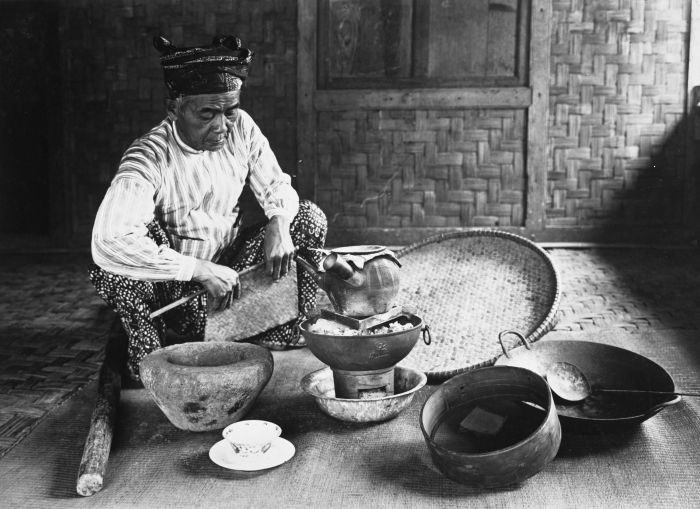 🇮🇩 Indonesia and 2 moreDukun
A traditional healer and spirit medium in Indonesian folk practiceTradition · Healing · Seeing and foretelling Living
🇯🇵 JapanKuda-gitsune管狐 (kuda-gitsune)
A small spirit kept in a tube or sleeve to aid fortune-telling and cursing in Japanese folklore.Being · Seeing and foretelling · Cursing and harm Legendary
🇮🇩 Indonesia and 2 moreDukun
A traditional healer and spirit medium in Indonesian folk practiceTradition · Healing · Seeing and foretelling Living
🇯🇵 JapanKuda-gitsune管狐 (kuda-gitsune)
A small spirit kept in a tube or sleeve to aid fortune-telling and cursing in Japanese folklore.Being · Seeing and foretelling · Cursing and harm Legendary