
Alp
from the German word for elf, sharing roots with the English term
A Germanic spirit that presses on sleepers and drinks milk
The Alp is a supernatural being from German folklore, often compared to an incubus or vampire. It attacks sleepers at night, causing nightmares and physical pressure, and is said to drink breast milk or blood.
- The Alp sits on sleepers' chests, causing crushing pressure and terror
- It wears a Tarnkappe hat that grants invisibility and magical powers
- The creature drinks breast milk and blood from infants and men
- Iron horseshoes and broomsticks are used to ward off the Alp
- The term Alptraum (nightmare) comes directly from this creature
What it is
The Alp is a malevolent creature in German folklore, distinct from the benevolent elves of later fantasy. It functions as a nocturnal predator that targets humans, particularly women and children. The being is frequently likened to an incubus due to its sexualized harassment of sleepers, though it also shares traits with vampires by consuming bodily fluids like milk and blood. Unlike typical ghosts, the Alp is a physical presence that exerts crushing weight on victims. It is also associated with mischief, such as souring milk or tangling hair, reflecting a dual nature of both terror and petty annoyance.
Where it comes from
The term appears in Old High German glosses before the year 1000, initially describing a nature-demon or eerie being. Over time, the concept merged with medieval fears of witchcraft, with elves seen as agents of witches. The word declined in common usage after the Middle Ages, surviving mainly in the compound Alptraum (nightmare). Twentieth-century literature, including J.R.R. Tolkien’s work, revived interest in the form, though the traditional belief system remains historical rather than living.
How it is done
The Alp attacks during the night, sitting astride the sleeper’s chest to create a sensation of crushing weight known as Alpdruck. This pressure causes breathlessness and terror, often waking the victim who finds themselves paralyzed. The creature may also drink from the nipples of infants or men. Victims report seeing the Alp in various forms, but it always retains its hat. Defenses include placing iron horseshoes near the bed, laying a broom under the pillow, or keeping a light on. If caught, the Alp can be driven away by asking it to return in the morning for coffee.
Tools and materials
The Alp wears a Tarnkappe, a magic hat that grants invisibility and power. Protective charms used against it include steel objects, crosses, and mirrors placed on the chest. A lemon stuffed into the mouth of a resting Alp can immobilize it. Holes in doors and windows are plugged to trap the creature inside the room. Shoes are placed with toes pointing toward the door to facilitate escape or ward off entry.
Alp, drawn and placed
- Living
- Revived
- Fading
- Historical
- Legendary
- Performed
- Lineage
- Germanic mythology
- Timing
- at night during sleep
What it is for
The Alp serves as an explanation for unexplained nighttime phenomena, such as sleep paralysis, night terrors, and sudden infant death. It embodies fears of unseen harm coming to vulnerable family members. In some contexts, the Alp is summoned by witches to torment specific individuals, acting as a tool of malicious intent. The creature’s actions reflect anxieties about health, childbirth, and the safety of the household.
Who does it
Scholars of Germanic mythology study the Alp through historical texts and linguistic analysis. Jacob Grimm documented the creature in Teutonic mythology, tracing its evolution from nature-demon to demonic figure. Modern researchers view the Alp as a cultural construct used to interpret physiological conditions like sleep apnea. There are no living practitioners who actively worship or summon Alps; the tradition exists only in academic and folkloric study.
Peoples and places
The Alp is primarily a Germanic phenomenon, found in German and related European folklore. Variations exist across regions, with the mare appearing in similar roles. In British Isles traditions, the Old Hag performs comparable functions. The creature’s association with dwarves and elves shows how Germanic myth blended with neighboring cultures. Regional differences highlight local interpretations of nightmare spirits, but the core motif of the pressing, milk-drinking entity remains consistent.
At a glance: who, where and when
Who does it
Peoples
Belief worlds
Occasions
What people believe
The Alp operates within a worldview where unseen forces influence daily life and health. It is believed to be created from stillborn infants, children born with caul, or those with meeting eyebrows. Spirits of dead relatives may also become Alps. The creature possesses an evil eye that causes illness, and its shapeshifting abilities allow it to hide among animals. Belief in the Alp reflects a pre-scientific understanding of disease and mental distress as external attacks.
When it is done
Attacks occur nightly, with no specific festival tied to the Alp. The creature is active during sleep, making every night a potential encounter. Protection rituals are performed daily, especially before bedtime, to safeguard the household. The frequency of attacks underscores the constant vigilance required in traditional beliefs, where danger lurked in the dark hours.
How scholars and sceptics see it
Anthropologists and historians analyze the Alp as a manifestation of collective anxiety regarding infant mortality and sleep disorders. The description of chest pressure matches symptoms of sleep paralysis, suggesting the myth arose from misinterpreted biological experiences. Scholars note the convergence of elf lore with demonic imagery in medieval prayers, indicating a shift in religious attitudes toward nature spirits. The study of the Alp provides insight into how communities rationalized trauma and illness.
Cautions and what is closed
Historical accounts link the Alp to accusations of witchcraft, where individuals were blamed for sending the creature. Children born with certain marks were suspected of becoming Alps, leading to stigma or fear. The belief system contributed to scapegoating and persecution, particularly of women and marginalized groups. Modern readers should understand these narratives as cultural explanations rather than factual realities.
Compare and confuse
The Alp is often confused with the vampire due to blood-drinking, but its primary action is suffocation. It resembles the incubus in sexual harassment but lacks the latter’s divine associations. The mare and drude are closely related spirits in other European traditions. Oberon, the king of fairies, derives his name from Alberich, a dwarf-elf figure connected to the Alp lineage.
Questions people ask about Alp
What is an Alp?
An Alp is a malevolent spirit from German folklore that attacks sleepers at night. It presses down on victims, causing nightmares and paralysis, and is said to drink milk or blood.
Where does the word Alp come from?
The word is the German form of elf, descending from Common Germanic roots. It originally described a nature-demon before evolving into a nightmare-inducing creature.
How do you protect yourself from an Alp?
Traditional protections include placing iron horseshoes near the bed, laying a broom under the pillow, or keeping a light on. Mirrors and crosses are also used to ward off the spirit.
Is the Alp the same as a vampire?
No, though they share traits. The Alp drinks blood and milk but primarily causes suffocation and terror. Vampires are undead corpses, while Alps can be spirits or cursed humans.
Good reading and sources
The facts on this page come from the Wikipedia article "Alp (folklore)", written by its contributors and used under the CC BY-SA 4.0 licence, and from its Wikidata record (CC0). EveryJaadu rewrote the text in its own words, with AI assistance, and compares every page with the article to make sure no passage is copied. It may be reused under the same CC BY-SA 4.0 licence with a link back.
It may contain mistakes. Names and customs differ from one community to the next, and some knowledge is closed to outsiders and left out here. This page describes belief and practice. It does not say that any of it works, it is not a how-to, and it is not medical advice. If something is wrong, tell us. Last refreshed 2026-10-05.
More from Germany
All the entries from Germany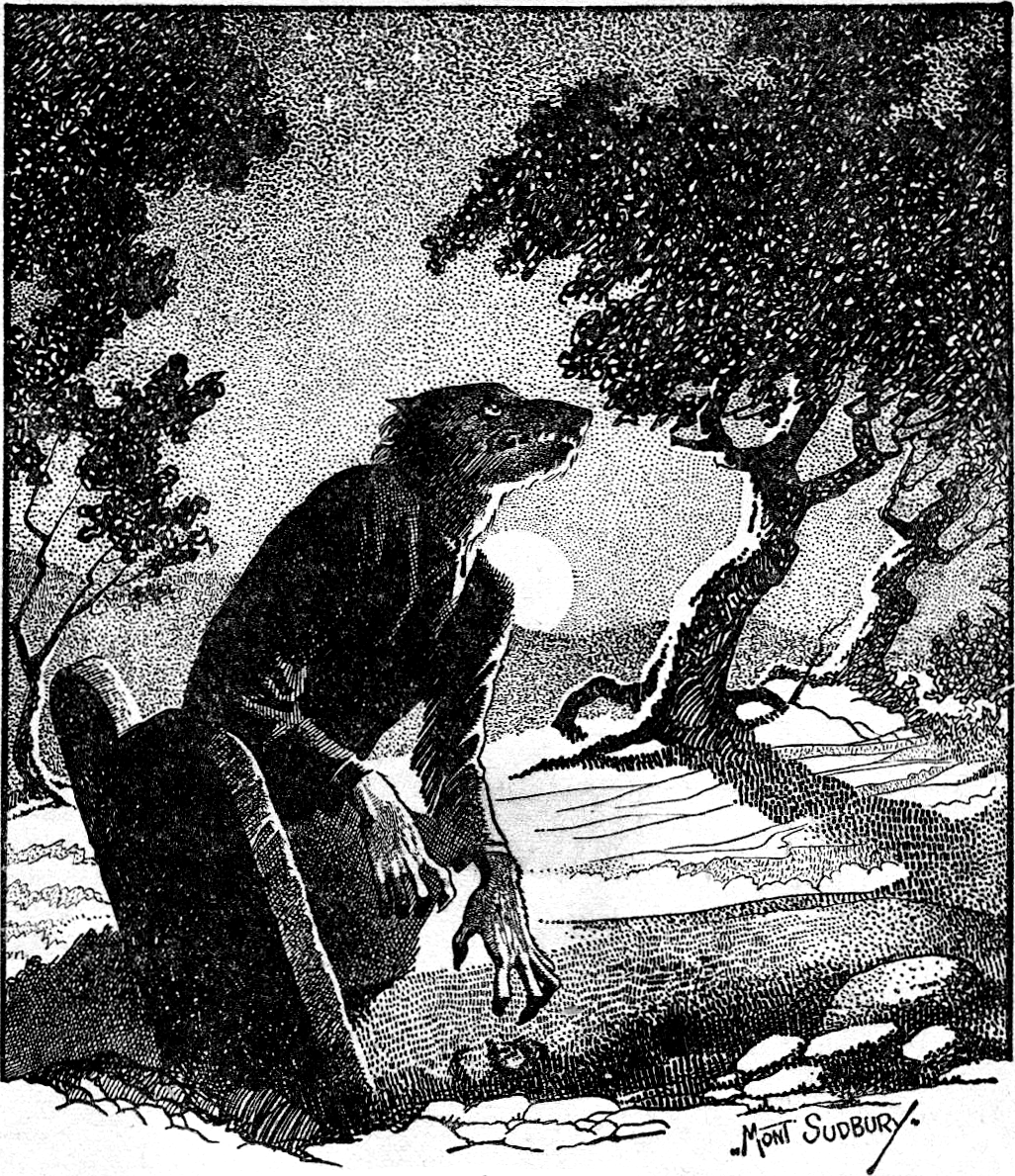 🇫🇷 France and 5 moreWerewolf
A mythical shapeshifter that turns into a wolf, central to European witch-hunts and Gothic horror.Being · Cursing and harm · Wonder and entertainment Legendary
🇩🇪 GermanyJohannes Junius
Mayor of Bamberg executed in the witch trials, known for a letter to his daughterFigure Historical
🇫🇷 France and 5 moreWerewolf
A mythical shapeshifter that turns into a wolf, central to European witch-hunts and Gothic horror.Being · Cursing and harm · Wonder and entertainment Legendary
🇩🇪 GermanyJohannes Junius
Mayor of Bamberg executed in the witch trials, known for a letter to his daughterFigure Historical
 🇫🇷 France and 5 moreJean Eugène Robert-HoudinJean-Eugène Robert-Houdin
A French clockmaker who elevated stage magic into a refined theatrical art.Illusion · Wonder and entertainment Historical
🇫🇷 France and 5 moreJean Eugène Robert-HoudinJean-Eugène Robert-Houdin
A French clockmaker who elevated stage magic into a refined theatrical art.Illusion · Wonder and entertainment Historical
 🇩🇪 Germany and 5 moreWitch trials in the Holy Roman Empire
A wave of executions across Central Europe between the fifteenth and eighteenth centuries.Belief · Cursing and harm Historical
🇩🇪 Germany and 5 moreWitch trials in the Holy Roman Empire
A wave of executions across Central Europe between the fifteenth and eighteenth centuries.Belief · Cursing and harm Historical
Related elsewhere
All being 🇪🇬 EgyptCurse
A spoken wish for misfortune to befall a person or placeBelief · Cursing and harm · Luck and prosperity Historical
🇪🇬 EgyptCurse
A spoken wish for misfortune to befall a person or placeBelief · Cursing and harm · Luck and prosperity Historical
 🇮🇳 India and 1 moreNavagrahaनवग्रह
A group of nine celestial deities in Hinduism that govern fate and astrologyTradition · Protection · Luck and prosperity Living
🇧🇷 Brazil and 1 moreQuimbanda
An Afro-Brazilian religion focused on male and female street spirits for worldly mattersTradition · Protection · Luck and prosperity Living
🇲🇾 Malaysia and 1 moreBomohبوموه
A Malay shaman and traditional healer who works with spirits, herbs, and geomancy.Tradition · Healing · Seeing and foretelling Living
🇮🇳 India and 1 moreNavagrahaनवग्रह
A group of nine celestial deities in Hinduism that govern fate and astrologyTradition · Protection · Luck and prosperity Living
🇧🇷 Brazil and 1 moreQuimbanda
An Afro-Brazilian religion focused on male and female street spirits for worldly mattersTradition · Protection · Luck and prosperity Living
🇲🇾 Malaysia and 1 moreBomohبوموه
A Malay shaman and traditional healer who works with spirits, herbs, and geomancy.Tradition · Healing · Seeing and foretelling Living