Folk healers
Curanderos, sangomas, hakims and the village healer, who mix remedy and ritual.
Folk healers are the people communities turn to when someone is ill: the curandero and curandera of Mexico and the Andes, the sangoma and inyanga of southern Africa, the hakim of the Islamic world, the vaidya of India, the bone-setter, the village midwife and the Siberian shaman. They combine remedies, ritual and counsel. This page describes them as tradition, not as medical advice, and illness needs real medical care. They are found in every society and are usually the nearest source of help.
What healers do
A healer listens to a person's story, names the trouble, and prescribes a course that may involve plants, diet, prayer, cleansing, a gathering of kin, or a sacrifice. The framing often covers the family and the spirit as well as the body. Healers are frequently the first and sometimes the only help available in places far from clinics. Treatments often involve plants, massage, steam, prayer, fasting and dietary rules, and the healer's own reputation counts for a great deal.
Who becomes one
Some healers inherit the role, some are called by ancestors, and some train as apprentices. Women are prominent as midwives, herbalists and spirit healers, though status and income often go to male specialists and licensed practitioners. In Latin America, curanderos draw on Catholic saints, Indigenous plant knowledge and Spanish folk medicine. In Ethiopia, the debtera works with scrolls and church learning. Some healers are called through illness themselves, which is described as a mark that they can heal others.
States and doctors
Law treats healers in different ways. India's AYUSH ministry supports Ayurveda, Unani and others. South Africa passed a Traditional Health Practitioners Act in 2007. Elsewhere, healers face police action under witchcraft or quackery laws, and in colonial times many were banned outright. Doctors sometimes work with healers, for instance in HIV outreach in Africa. Healers in some regions are also asked to settle family quarrels, since illness is held to follow from tension in the household.
Harm and caution
Harm can come from delay, from unsafe substances, from sexual or financial abuse of patients, and from fraud. Exorcism of mental illness has led to deaths. Anthropologists add that healing rites can bring comfort and social support that clinics sometimes lack. Anyone with a serious symptom should see a qualified clinician, whatever other help they seek. In places where clinics are far away, a healer may deliver babies, set bones and treat fever, and the quality of that care varies widely.
Folk healers on EveryJaadu
The entries written up so far, best known first.
 🇪🇬 Egypt and 5 moreAmulet
A portable object worn or carried to ward off harm and invite fortuneCharm · Protection · Luck and prosperity Living
 🇳🇬 Nigeria and 5 moreOgunÒgún
A West African deity of iron, war and metalworking found in Yoruba and diaspora traditionsBeing · Protection · Cursing and harm Living
 🇸🇦 Saudi Arabia and 1 moreDhikrذِكْر
Islamic remembrance of God through repeated recitation and prayerRite · Speaking with spirits and the dead · Power and authority Living
 🇺🇸 United States and 5 moreMojo bag
A flannel pouch holding charms for protection and luck in African American Hoodoo traditionCharm · Protection · Healing Living
 🇨🇩 Democratic Republic of the Congo and 4 moreNganga
A spiritual healer and ritual specialist in Kongo religion and its diaspora traditionsTradition · Healing · Seeing and foretelling Living
 🇮🇱 Israel and 4 moreIsaac Luriaיִצְחָק בן שלמה אשכנזי לוּרְיָא
A sixteenth-century rabbi who founded modern Kabbalah through oral teachings in Safed.Text · Speaking with spirits and the dead · Change and initiation Living
 🇮🇳 India and 5 moreSpirit possession
A state where a human body is controlled by an external spirit or deityBelief · Healing · Seeing and foretelling Living
 🇲🇽 Mexico and 3 moreCurandero
A folk healer in Latin America and the United States who blends indigenous and Catholic traditions.Tradition · Healing · Protection Living
 🇺🇸 United States and 3 moreDowsing
A divination method using rods or twigs to locate hidden objects and waterBelief Living
 🇺🇸 United StatesRing shout
A sacred circle dance of African American origin using rhythmic movement and call-and-response singingRite · Speaking with spirits and the dead · Power and authority Living
🇨🇦 Canada and 3 moreBardo Thodolབར་དོ་ཐོས་གྲོལ
A Tibetan Buddhist text guiding consciousness through the states between death and rebirthText Living
 🇿🇦 South Africa and 5 moreTraditional healers of Southern Africa
Practitioners who blend herbal medicine with ancestral divination in Southern AfricaTradition · Healing · Protection Living
 🇦🇺 Australia and 1 moreTattoo
A permanent mark made by placing pigment under the skin to form a design.Tradition · Protection · Power and authority Living
 🇬🇷 Greece and 5 moreCrossroads (folklore)
A junction between worlds where spirits are met and deals are madeBelief · Speaking with spirits and the dead · Cursing and harm Living
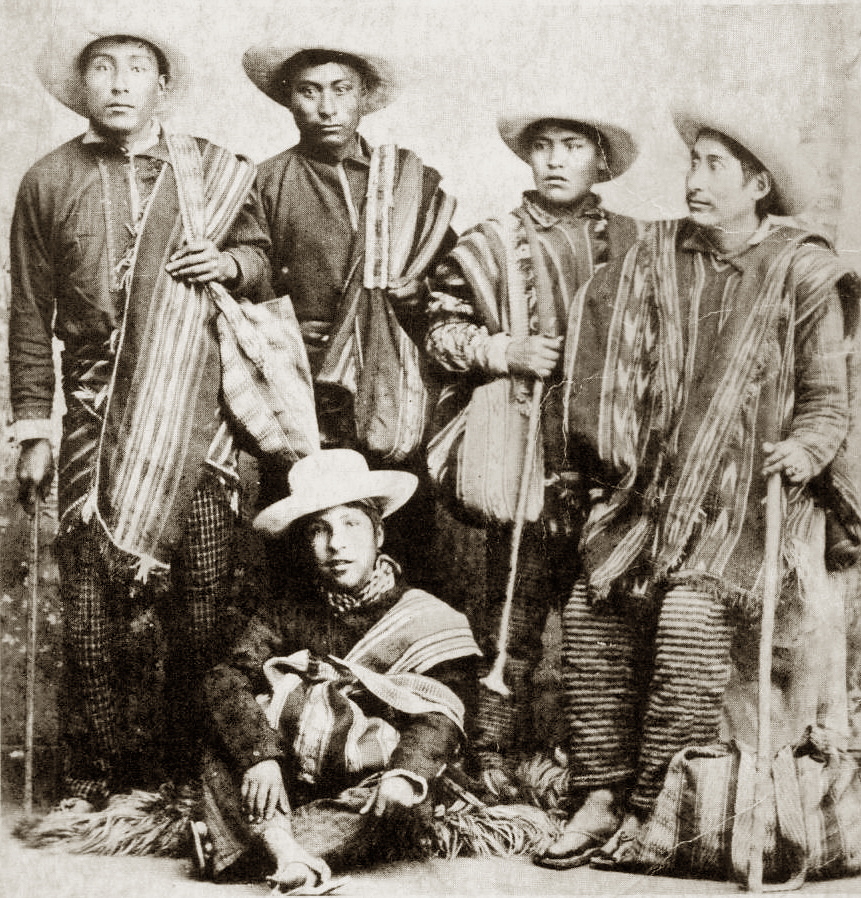 🇧🇴 Bolivia and 5 moreKallawaya
An itinerant group of traditional Andean healers known for their medicinal plant knowledge and ritual practicesTradition · Healing · Protection Living
 🇵🇭 PhilippinesWitchcraft in the Philippinespangkukulam
Indigenous beliefs about sorcery and malevolent magic in the PhilippinesTradition · Cursing and harm · Healing Living
 🇺🇸 United StatesNavajo medicine
Traditional healing practices of the Navajo people focused on restoring harmonyTradition · Healing · Protection Living
 🇿🇦 South Africa and 4 moreWitch doctor
A traditional healer who identifies supernatural causes of illness and performs rituals to restore balance.Tradition · Healing · Protection Living
 🇲🇾 Malaysia and 5 morePenanggalan
A floating head and trailing organs from Malay ghost mythsBeing · Cursing and harm Living
 🇨🇺 Cuba and 5 moreBrujería
A syncretic blend of Indigenous, African and Catholic folk magic across Latin America and the CaribbeanTradition · Healing · Protection Living
 🇺🇸 United States and 4 moreFortune-telling
A practice of predicting future events or personal details through various methods and tools.Rite · Seeing and foretelling · Power and authority Living
 🇰🇪 Kenya and 1 moreMaasai religion
The spiritual beliefs of the semi-nomadic Maasai people of East AfricaTradition · Protection · Healing Living
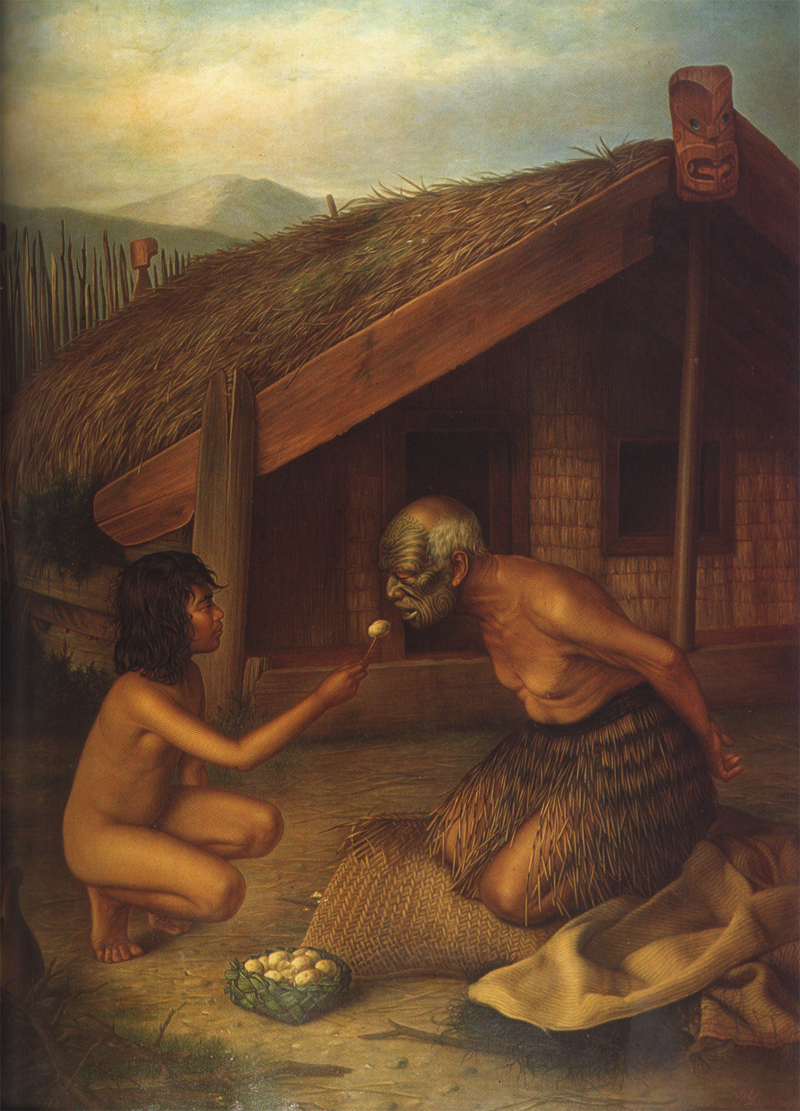 🇳🇿 New ZealandTohunga
A Māori expert practitioner of sacred or secular arts, from priests to carvers.Tradition · Healing · Seeing and foretelling Living
 🇱🇰 Sri Lanka and 1 moreKataragama templeකතරගම / கதிர்காமம் முருகன் கோயில்
A Sri Lankan shrine shared by Buddhists, Hindus, Muslims and VeddasTradition · Protection · Speaking with spirits and the dead Living
 🇪🇹 Ethiopia and 4 moreBudaቡዳ
An Ethiopian and Eritrean belief in the evil eye and hyena transformationBelief · Cursing and harm · Protection Living
🇵🇭 PhilippinesAlbularyo
A Filipino folk healer who uses herbs, massage, and rituals to treat illness.Tradition · Healing · Seeing and foretelling Living
 🇺🇸 United States and 3 moreSandpainting
A ritual art of pouring colored sand to create temporary images for healing or spiritual teachingTradition · Healing · Speaking with spirits and the dead Living
🇨🇳 China and 3 moreQi氣 / 气
A vital force in Chinese philosophy and medicine, believed to flow through all living things.Substance · Healing · Power and authority Living
 🇧🇯 Benin and 5 moreVodun art
Religious sculpture and temple painting from West African Vodun traditionsTradition · Protection · Speaking with spirits and the dead Living
 🇿🇦 South Africa and 1 moreMutiumuthi
Traditional medicine practice in Southern Africa using plants, animals and mineralsTradition · Healing · Protection Living
 🇳🇬 Nigeria and 1 moreBoriBòòríí
A traditional Hausa spirit possession system and healing practice in West AfricaTradition · Healing · Protection Living
 🇯🇲 Jamaica and 5 moreObeah
A Caribbean tradition of ritual healing and spell-casting with African rootsTradition · Protection · Healing Living
 🇰🇭 Cambodia and 3 moreSak Yantសាក់យ័ន្ត
Sacred geometric tattoos from Southeast Asia believed to grant protection and powerTradition · Protection · Luck and prosperity Living
 🇪🇸 Spain and 5 moreIbn Arabiمحيي الدين أبو عبد الله محمد بن علي بن عربي الحاتمي الطائي
A medieval Andalusian mystic and philosopher whose teachings shaped Sufi metaphysics across the Islamic world.Text · Speaking with spirits and the dead · Change and initiation Living
🇿🇦 South Africa and 5 moreMurder for body parts
The killing of people to harvest body parts for traditional medicine or the illegal organ tradeBelief · Cursing and harm · Power and authority Living
 🇮🇷 Iran and 4 moreJinnجِنّ
Supernatural beings in Islamic and pre-Islamic Arabian belief, capable of shapeshifting and living in society.Being · Protection · Cursing and harm Living
 🇲🇦 Morocco and 5 moreWild rueاسپند
A desert plant with psychoactive seeds used in dye, incense, and traditional medicine.Substance · Cursing and harm · Power and authority Living
🇨🇫 Central African Republic and 5 moreWitchcraft in Africa
Beliefs about supernatural harm and the social responses to accusations across the continentBelief · Cursing and harm · Protection Living
 🇺🇸 United StatesKahuna
A Hawaiian expert or priest, keeper of hidden knowledge in craft and spiritTradition · Healing · Seeing and foretelling Living
 🇧🇴 BoliviaThe Witches' MarketMercado de las Brujas
A La Paz market where Aymara women and yatiri sell ritual items for Pachamama offeringsTradition · Luck and prosperity · Protection Living
🇯🇲 Jamaica and 1 moreMyal
An Afro-Jamaican healing tradition rooted in Arawak and Akan spiritualityTradition · Healing · Protection Living
 🇲🇳 Mongolia and 2 moreMongolian shamanismBöö Mörgöl
The animistic and shamanic ethnic religion of the Mongols, involving spirit worship and ritual intercession.Tradition · Protection · Healing Living
 🇺🇸 United StatesGhost DanceNanissaanah
A circular movement seeking spiritual renewal and reunion with ancestorsRite · Speaking with spirits and the dead · Change and initiation Living
 🇧🇷 Brazil and 2 moreCandomblé
An Afro-Brazilian religion blending West African spirits with Catholic imageryTradition · Speaking with spirits and the dead · Healing Living
 🇪🇹 Ethiopia and 5 moreZārزار (Arabic), ዛር (Ge'ez)
A spirit possession tradition and healing ritual in the Horn of Africa and Middle EastTradition · Healing · Speaking with spirits and the dead Living
 🇸🇳 Senegal and 5 moreMaraboutmurābiṭ
A Muslim religious leader and teacher in West Africa, often linked to Sufi brotherhoods.Tradition · Protection · Speaking with spirits and the dead Living
 🇨🇱 Chile and 1 moreCultrunkultrung
A ceremonial drum central to Mapuche spiritual practice and identity in Chile and ArgentinaTradition · Healing · Protection Living
 🇬🇭 GhanaWitchcraft in Ghana
Beliefs about harmful magic and the social responses to accusations of witchcraft in Ghana.Belief · Cursing and harm Living
Photo credits on this page
The small pictures above come from Wikimedia Commons under free licences. Some are cropped to fit.
- Curandero: calliopejen, CC BY-SA 2.0, source
- Isaac Luria: Louski1, CC BY-SA 3.0, source
- Spirit possession: Unknown author, CC BY 4.0, source
- Witch doctor: Lucjan Wędrychowski, Public domain, source
- Kahuna: Unknown author, Public domain, source
- Maasai religion: Dr. Ondřej Havelka (cestovatel), CC BY 4.0, source
- Buda: Aberdeen Bestiary, Public domain, source
- Simbi: MiddleOfAfrica, CC BY-SA 4.0, source
- Dhikr: Eugène Baugnies, Public domain, source
- Crossroads (folklore): MiddleOfAfrica, CC BY-SA 4.0, source
- Witchcraft in the Philippines: The original uploader was Rodsan18 at English Wikipedia . ( Original t, CC BY 2.5, source
- Navajo medicine: Edward S. Curtis, Public domain, source
- Amulet: Anonymous ( Egypt ) Unknown author, Public domain, source
- Mongolian shamanism: Enrique Bendicho, CC BY-SA 4.0, source
- Ghost Dance: Unknown author, Public domain, source
- Cultrun: Universidad Nacional de La Plata, CC BY 3.0, source
- Kataragama temple: Ghostface Buddha, CC BY-SA 2.0, source
- Tattoo: Muyayo tattoo, CC BY-SA 3.0, source
- Vodun art: Fraipont, Gustave (1849-1923), Public domain, source
- Muti: Nicholas Roux, CC BY-SA 4.0, source
- Bori: Tremearne, A. J. N. (Arthur John Newman), 1877-1915, Public domain, source
- Obeah: Various, published by David Nutt, Public domain, source
- European witchcraft: Unknown author, CC BY 4.0, source
- Sak Yant: Mikhailovich, CC BY 3.0, source
- Ibn Arabi: Omar.Hafez, CC0, source
- Jinn: VenusFeuerFalle, CC0, source
- Wild rue: Yuriy75, CC BY-SA 3.0, source
- The Witches' Market: Dan Lundberg, CC BY-SA 2.0, source
- Zār: Emad Nemati, CC BY-SA 4.0, source
- Marabout: Jan Broekhuijse, CC BY-SA 3.0, source
- Witchcraft in Ghana: SALTN, CC BY-SA 4.0, source
- Kallawaya: Unknown author, Public domain, source
- Candomblé: André Koehne, CC BY-SA 3.0, source
- Fortune-telling: Taras Shevchenko, Public domain, source
- Ring shout: Attributed to John Rose, Public domain, source
- Penanggalan: Hi I really try my best here, CC BY-SA 4.0, source
- Tohunga: Gottfried Lindauer, Public domain, source
- Traditional healers of Southern Africa: Wizzy, CC BY-SA 3.0, source
- Dowsing: Unknown author, Public domain, source
- Mojo bag: Liza Khomenko, CC BY-SA 4.0, source
- Ogun: Chado07, CC BY-SA 4.0, source
- Sandpainting: Mnolf, CC BY-SA 3.0, source