
Buda
In its own language: ቡዳ
from Ge'ez ቡዳ
An Ethiopian and Eritrean belief in the evil eye and hyena transformation
Buda is a folk concept in Ethiopia and Eritrea describing the power of the evil eye. It is believed to allow its bearer to transform into a hyena. The trait is often attributed to specific social castes or outsiders.
- Buda allows transformation into a hyena
- Beta Israel are often accused of buda
- Debtiras create protective kitab amulets
- Exorcisms use Jesus' name to command spirits
- Belief extends to Sudan and Morocco
What it is
Buda represents a dual nature in Ethiopian and Eritrean folklore. It is primarily understood as the power of the evil eye. This force is also linked to shapeshifting. A person with buda can change into a hyena. This transformation allows them to attack others while hiding their human identity. The belief remains widespread in modern Ethiopia. It is not limited to one group. The power is seen as a distinct ability held by specific people.
Where it comes from
The concept is rooted in traditional African worldviews. It connects to broader ideas about envy and malevolence. Some scholars note that artisan skills are sometimes viewed through this lens. These skills may be seen as coming from an elemental source of evil. This lineage is passed down paternal lines. The belief extends beyond Ethiopia. It appears in Sudan, Tanzania, and among Berber communities in Morocco. The core idea links social difference to magical harm.
How it is done
Protection against buda involves spiritual interventions. People carry kitab, which are protective amulets or talismans. They may also invoke God's name for safety. When affliction occurs, exorcisms are performed. These rites involve singing victory songs. Scripture is read aloud during the ceremony. Prayer confronts the spirit directly. Dialogue with the entity helps identify its actions. The spirit is commanded in Jesus' name. Success is not guaranteed. Sometimes the spirit leaves only after the ritual ends.
Tools and materials
The primary tool for defense is the kitab. This is a written amulet created by a debtera. A debtera is an educated layperson or unordained priest. They practice traditional medicine and magic. The kitab serves as a physical barrier. Verbal tools include scripture readings. Praise songs form part of the auditory defense. The name of Jesus acts as a spiritual command. These elements combine to create a protective sphere around the afflicted.
Buda, drawn and placed
- Living
- Revived
- Fading
- Historical
- Legendary
- Performed
- Lineage
- Ethiopian and Eritrean folk religion
- Timing
- during affliction
What it is for
Buda is feared for its harmful potential. It is used to explain misfortune and illness. The power is often associated with envy. Those accused of having it are usually outsiders. The Beta Israel or Ethiopian Jews are frequently labeled. Metalworkers and ironworkers face similar accusations. The Amharic term tabib denotes a manual worker with this power. The intensity is compared to that of witches. Communities seek protection to avoid these curses.
Who does it
Debtiras create protective amulets. They are either unordained priests or educated laypeople. They blend traditional medicine with magic. Ordained Ethiopian Orthodox priests also play a role. They perform exorcisms for the afflicted. These priests intervene when demons or buda are suspected. They lead prayer meetings to address the issue. The process requires spiritual authority. The debtera provides preventative tools. The priest provides corrective rituals.
Peoples and places
The belief is central to Ethiopian and Eritrean cultures. It affects social dynamics significantly. The Beta Israel are often characterized by others as possessing buda. Ironworkers are similarly stigmatized. The term tabib applies to manual workers. The belief spreads to neighboring regions. It exists in Sudan and Tanzania. Berbers in Morocco share similar concepts. Social tension arises from these labels. Outsiders are often blamed for unseen harms.
At a glance: who, where and when
Who does it
Peoples
Belief worlds
Occasions
What people believe
The worldview sees buda as empowered by evil spirits. It is a magical creation underpinning social perception. Artisans may acquire skills from evil sources. This resembles a pact with dark forces. The evil eye is rooted in envy. Malevolent spirits drive the behavior. Transformation into a hyena conceals identity. The spirit operates within the victim's life. Exorcisms reveal these operations through dialogue. The spirit's claims are affirmed by the victim after deliverance.
When it is done
No specific festivals govern buda practices. Interventions occur during crises. Afflictions trigger immediate responses. Prayer meetings are called as needed. There is no set calendar date. The timing depends on perceived attacks. Protection is sought continuously. Amulets are worn daily. Exorcisms happen upon suspicion of harm. The cycle is reactive rather than seasonal.
How scholars and sceptics see it
Researchers analyze buda as a social mechanism. Niall Finneran notes magical creation theories. He links artisan skills to elemental evil. This parallels Faustian pacts. Studies specify empowerment by evil spirits. The prevalence correlates with outsider status. Anthropologists view it as a caste marker. Historians trace its spread across Africa. Sceptics may see it as social control. The belief explains misfortune through supernatural means.
Cautions and what is closed
Accusations of buda cause social harm. Specific groups face stigma and exclusion. The Beta Israel and metalworkers are targeted. The label tabib carries negative connotations. It implies witch-like power. Misfortune is blamed on these individuals. This creates tension within communities. Exorcisms may fail, leaving victims vulnerable. The belief can lead to isolation. Social bonds are strained by suspicion.
Compare and confuse
Buda shares traits with the evil eye globally. It resembles zār in some aspects. Both involve spirit possession and healing. However, buda focuses on envy and transformation. Zār deals more with general spirit affliction. The hyena link is unique to this region. Other cultures have shape-shifting beliefs. Buda is distinct in its social casting. It targets specific occupational groups.
Questions people ask about Buda
What is buda?
Buda is a belief in Ethiopia and Eritrea regarding the evil eye. It is thought to grant the power to transform into a hyena. This ability allows for hidden attacks on others.
Who is believed to have buda?
It is often attributed to outsiders or specific castes. The Beta Israel and ironworkers are commonly labeled. The term tabib refers to manual workers with this alleged power.
How is buda protected against?
People carry kitab amulets made by debtiras. Invoking God's name offers safety. Exorcisms by priests use scripture and prayer to remove the spirit.
Where else is this belief found?
While central to Ethiopia and Eritrea, it exists in Sudan and Tanzania. Berber communities in Morocco also hold similar concepts regarding the evil eye.
Good reading and sources
The facts on this page come from the Wikipedia article "Buda (folklore)", written by its contributors and used under the CC BY-SA 4.0 licence, and from its Wikidata record (CC0). EveryJaadu rewrote the text in its own words, with AI assistance, and compares every page with the article to make sure no passage is copied. It may be reused under the same CC BY-SA 4.0 licence with a link back.
It may contain mistakes. Names and customs differ from one community to the next, and some knowledge is closed to outsiders and left out here. This page describes belief and practice. It does not say that any of it works, it is not a how-to, and it is not medical advice. If something is wrong, tell us. Last refreshed 2026-10-06.
More from Ethiopia
All the entries from Ethiopia 🇸🇴 Somalia and 5 moreFrankincense
An aromatic tree resin harvested for incense, perfume, and religious ritualSubstance · Speaking with spirits and the dead · Power and authority Living
🇪🇹 EthiopiaPlanetary hours
A system assigning celestial rulers to each hour of the day and weekTradition · Power and authority · Cursing and harm Historical
🇸🇴 Somalia and 5 moreFrankincense
An aromatic tree resin harvested for incense, perfume, and religious ritualSubstance · Speaking with spirits and the dead · Power and authority Living
🇪🇹 EthiopiaPlanetary hours
A system assigning celestial rulers to each hour of the day and weekTradition · Power and authority · Cursing and harm Historical
 🇪🇬 Egypt and 5 moreZārزار
A spirit possession tradition and healing ritual in the Horn of Africa and Middle EastTradition · Healing · Speaking with spirits and the dead Living
🇪🇬 Egypt and 5 moreZārزار
A spirit possession tradition and healing ritual in the Horn of Africa and Middle EastTradition · Healing · Speaking with spirits and the dead Living
 🇪🇬 Egypt and 5 moreAfrican divination
Methods used across the continent to understand present realities and predict future events.Oracle · Seeing and foretelling · Healing Living
🇪🇬 Egypt and 5 moreAfrican divination
Methods used across the continent to understand present realities and predict future events.Oracle · Seeing and foretelling · Healing Living
Related elsewhere
All belief 🇫🇷 FranceLady of the LakeDame du Lac
A water spirit who raises knights and captures wizards in Arthurian talesFigure · Protection · Cursing and harm Legendary
🇫🇷 FranceLady of the LakeDame du Lac
A water spirit who raises knights and captures wizards in Arthurian talesFigure · Protection · Cursing and harm Legendary
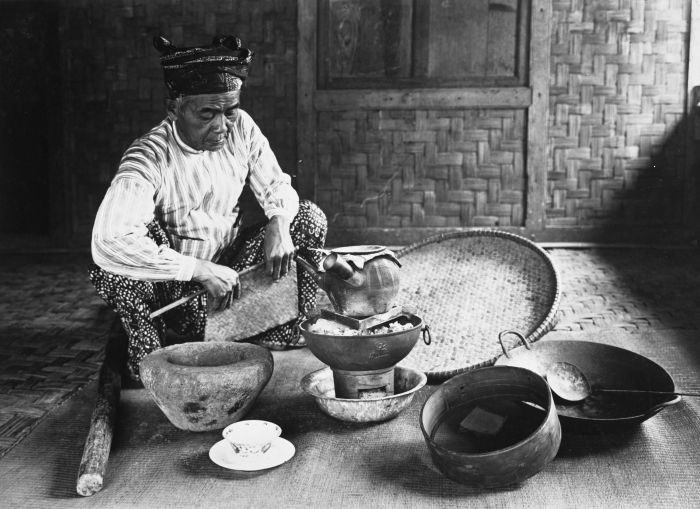 🇮🇩 Indonesia and 2 moreDukun
A traditional healer and spirit medium in Indonesian folk practiceTradition · Healing · Seeing and foretelling Living
🇮🇩 Indonesia and 2 moreDukun
A traditional healer and spirit medium in Indonesian folk practiceTradition · Healing · Seeing and foretelling Living
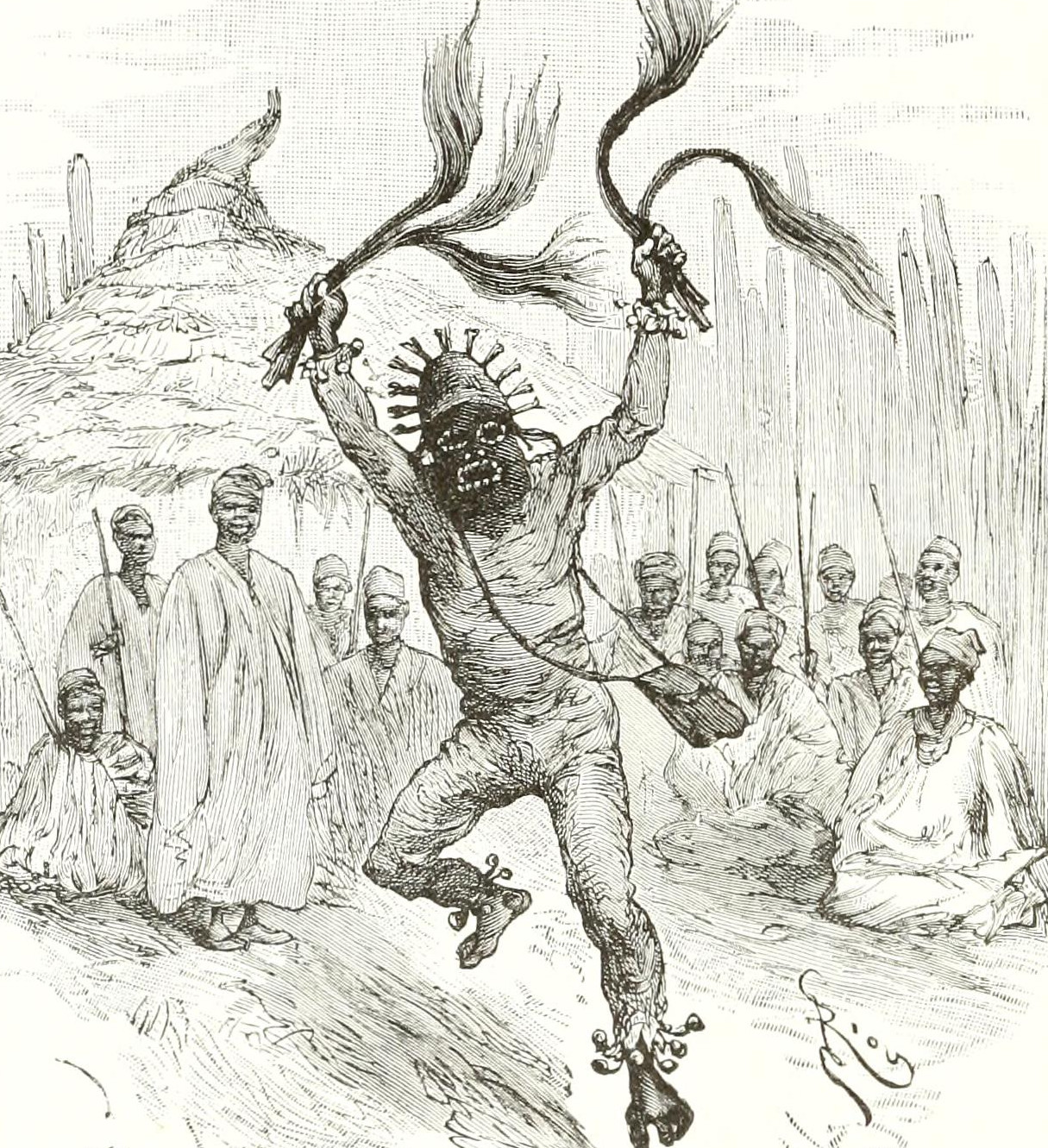 🇺🇸 United States and 2 moreLouisiana Voodoo
An African diasporic religion practiced in Louisiana from the 18th to early 20th centuriesTradition · Healing · Protection Historical
🇺🇸 United States and 2 moreLouisiana Voodoo
An African diasporic religion practiced in Louisiana from the 18th to early 20th centuriesTradition · Healing · Protection Historical