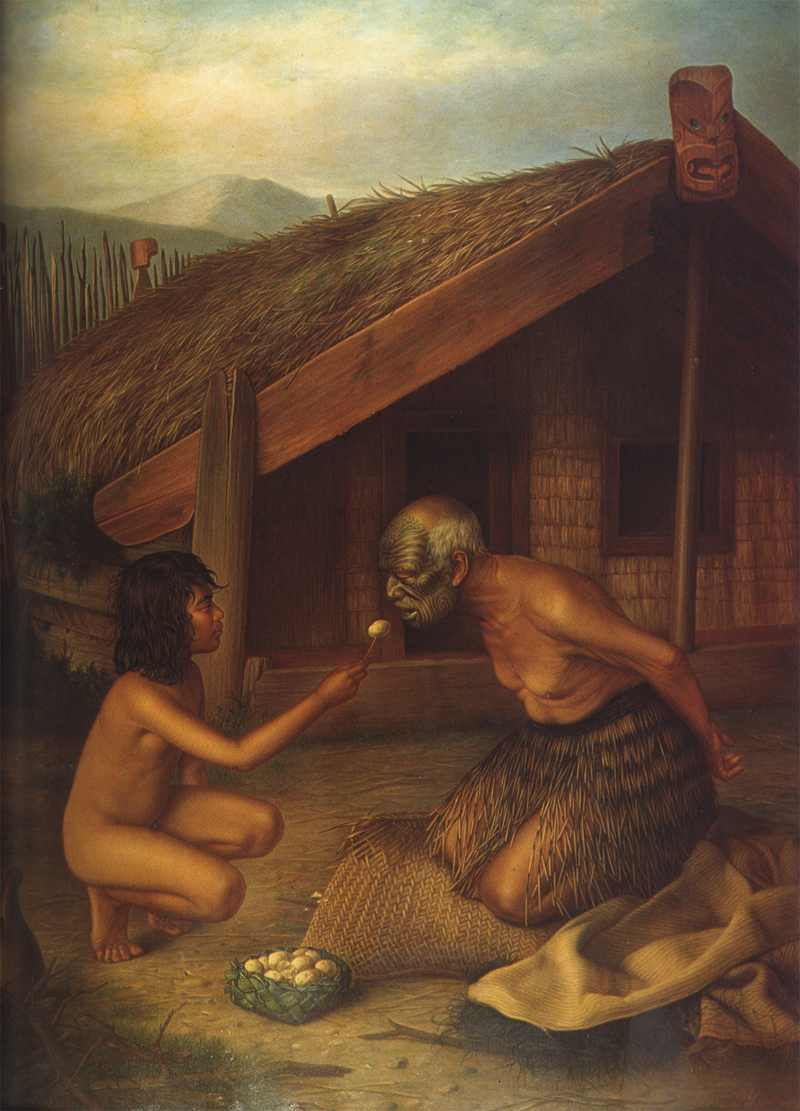
In Māori culture of New Zealand, a tohunga is an expert in any skill, often serving as a priest, healer, or artisan. They held deep spiritual authority and were believed to bridge the human and divine realms through ritual knowledge passed down orally.
- Tohunga includes priests, healers, carvers, and navigators.
- Knowledge was passed orally at wananga schools.
- Tapu restricted their contact with ordinary people.
- The 1907 Act suppressed their practices for decades.
- Hawaiian equivalent is known as kahuna.
What it is
A tohunga is a recognized expert within Māori society in New Zealand. The role covers both religious and secular skills. Practitioners include priests, healers, navigators, carvers, and teachers. Often, a tohunga also held status as a chief or family head. They are viewed as spiritual leaders who connect the physical world with the spiritual realm. Their expertise allows them to perform rituals that maintain balance and order. The term applies to individuals with specialized knowledge rather than a single type of magician.
Where it comes from
The concept originates from ancient Māori traditions. Knowledge was transmitted orally across generations at wananga, which were places of learning. The Hawaiian equivalent is kahuna, and Tahitian culture uses tahu'a. These terms share a common linguistic root. The system developed to preserve essential cultural skills and spiritual practices. It was not created by a single founder but evolved as a social structure for maintaining community well-being and cultural continuity.
How it is done
Practitioners used karakia, which are prayers, and pātere, which are chants, to communicate with spirits. They performed waiata, or songs, inherited from previous experts. Rituals were tailored to their specific field of expertise. For example, a healer would use different rites than a navigator. Tools like taonga pūoro, traditional musical instruments, were played to invoke divine assistance. The methods relied on precise oral transmission and strict adherence to tapu, or sacred restrictions, governing behavior and contact.
Tools and materials
Taonga pūoro are carved wooden instruments used to call upon gods. Karakia are spoken prayers that form the core of ritual practice. Pātere are rhythmic chants used in ceremonies. Waiata are songs that carry historical and spiritual weight. These tools are not merely objects but vessels of mana, or spiritual power. Their use requires specific training and permission. The combination of sound and speech creates the environment for spiritual intervention.
Tohunga, drawn and placed
- Living
- Revived
- Fading
- Historical
- Legendary
- Performed
- Lineage
- Māori culture
- Timing
- throughout life and specific rites
What it is for
People sought tohunga for healing, divination, and protection. Healers addressed physical and spiritual ailments. Foretellers predicted future events using star readings. Priests conducted ceremonies to honor ancestors and gods. Experts also advised on warfare, navigation, and craftsmanship. The goal was to align human actions with spiritual laws. Requests came from individuals, families, and the wider community seeking guidance or relief from crisis.
Who does it
Tohunga were chosen based on demonstrated ability and lineage. Training occurred at wananga under senior masters. Both men and women could hold the title, though female roles were historically overlooked by scholars. Many tohunga were also rangatira, or chiefs, indicating high social status. They possessed natural gifts for spiritual communication. Their authority was respected but also feared, particularly regarding their power over life and death.
Peoples and places
The practice is central to Māori culture in New Zealand. Southern Māori dialects pronounce it tōhuka. Similar roles exist in other Polynesian cultures, such as kahuna in Hawaii. Each group adapted the concept to local needs. In New Zealand, the role faced significant disruption due to colonial policies. Despite this, some kaumatua, or elders, continue to preserve these traditions today. The diversity of specialist types reflects the complexity of Māori societal needs.
At a glance: who, where and when
Peoples
Belief worlds
Occasions
What people believe
Māori belief holds that tohunga possess tapu, a sacred force. This status separates them from ordinary people. They act as mediums for atua, or gods and spirits. Tapu rules governed their daily lives, including food and contact. Handling the dead increased tapu, requiring special feeding arrangements. The worldview sees the spiritual and physical worlds as intertwined. Tohunga navigate this boundary to maintain harmony and prevent harm.
Cautions and what is closed
The Tohunga Suppression Act of 1907 criminalized traditional practices. Settlers feared witchcraft and distrusted Māori medicine. Charlatans exploited vulnerable people, damaging trust. European diseases reduced the effectiveness of traditional remedies. The law caused many tohunga to hide their knowledge. This led to significant loss of language and tradition. Repeal in 1962 came too late to save much of the original system. Modern efforts focus on recovering and revitalizing these lost arts.
Questions people ask about Tohunga
What is a tohunga?
A tohunga is an expert practitioner in Māori culture, skilled in areas like healing, carving, or priesthood. They serve as spiritual leaders connecting the human and divine worlds.
Where does the word come from?
The term originates from Māori language. Related words exist in other Polynesian cultures, such as kahuna in Hawaii and tahu'a in Tahiti, sharing a common root.
How did they gain knowledge?
Knowledge was transmitted orally through generations at wananga, or places of learning. Students learned prayers, chants, and rituals from senior masters.
Why were they suppressed?
The Tohunga Suppression Act of 1907 targeted them due to settler fears of witchcraft and distrust of traditional medicine. This led to the loss of many traditions.
Good reading and sources
- Tohunga on WikipediaEncyclopedia
- More photos on Wikimedia CommonsPhotos and video
- Wikidata recordOpen data
The facts on this page come from the Wikipedia article "Tohunga", written by its contributors and used under the CC BY-SA 4.0 licence, and from its Wikidata record (CC0). EveryJaadu rewrote the text in its own words, with AI assistance, and compares every page with the article to make sure no passage is copied. It may be reused under the same CC BY-SA 4.0 licence with a link back.
It may contain mistakes. Names and customs differ from one community to the next, and some knowledge is closed to outsiders and left out here. This page describes belief and practice. It does not say that any of it works, it is not a how-to, and it is not medical advice. If something is wrong, tell us. Last refreshed 2026-10-06.
More from New Zealand
All the entries from New Zealand 🇻🇺 Vanuatu and 5 moreKava culture
A shared ritual across Oceania where a root brew marks ceremony, respect, and social gathering.Tradition · Speaking with spirits and the dead · Luck and prosperity Living
🇻🇺 Vanuatu and 5 moreKava culture
A shared ritual across Oceania where a root brew marks ceremony, respect, and social gathering.Tradition · Speaking with spirits and the dead · Luck and prosperity Living
 🇳🇿 New Zealand and 5 moreFace tattoo
Marks inked on the face for spiritual protection, identity, rank, and rite of passageTradition · Protection · Power and authority Living
🇳🇿 New Zealand and 5 moreFace tattoo
Marks inked on the face for spiritual protection, identity, rank, and rite of passageTradition · Protection · Power and authority Living
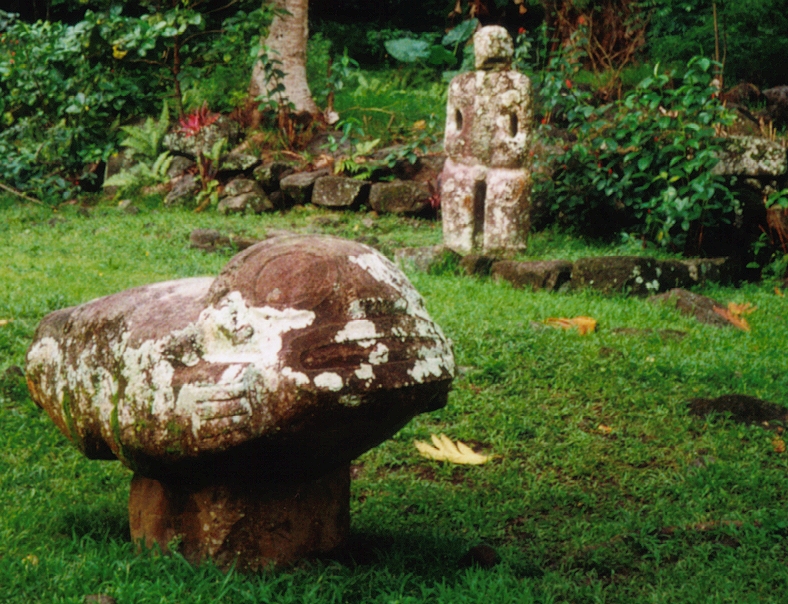 🇳🇿 New Zealand and 2 morePolynesian mythology
The oral traditions and legends of the Polynesian peoples across the PacificTradition · Speaking with spirits and the dead Living
🇳🇿 New Zealand and 2 morePolynesian mythology
The oral traditions and legends of the Polynesian peoples across the PacificTradition · Speaking with spirits and the dead Living
Related elsewhere
All tradition 🇮🇹 Italy and 3 moreRenaissance magic
A 15th and 16th century revival of magical arts blending philosophy, astrology, and hidden knowledge.Tradition · Power and authority · Seeing and foretelling Historical
🇮🇹 Italy and 3 moreRenaissance magic
A 15th and 16th century revival of magical arts blending philosophy, astrology, and hidden knowledge.Tradition · Power and authority · Seeing and foretelling Historical
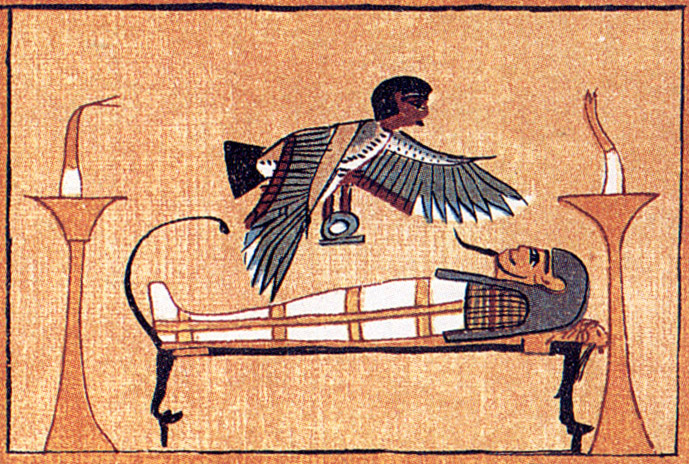 🇸🇪 Sweden and 1 moreSoul flight
A trance practice where the spirit leaves the body to visit other realmsRite · Healing · Seeing and foretelling Historical
🇸🇪 Sweden and 1 moreSoul flight
A trance practice where the spirit leaves the body to visit other realmsRite · Healing · Seeing and foretelling Historical
 🇮🇶 Iraq and 5 moreGrimoire
A textbook containing instructions for spells, rituals, and the creation of magical objects.Text · Protection · Healing Historical
🇮🇶 Iraq and 5 moreGrimoire
A textbook containing instructions for spells, rituals, and the creation of magical objects.Text · Protection · Healing Historical
 🇮🇳 India and 1 moreAmritaअमृत (Sanskrit)
A Sanskrit concept of immortality and the nectar that grants it across Indian religionsBelief · Healing · Power and authority Living
🇮🇳 India and 1 moreAmritaअमृत (Sanskrit)
A Sanskrit concept of immortality and the nectar that grants it across Indian religionsBelief · Healing · Power and authority Living