
Witchcraft in Ghana
bayie, from Twi
Beliefs in harmful magic and the social violence that follows accusations in Ghana
Witchcraft beliefs are a major concern for many Ghanaians, shaping daily life and legal responses. The Akan word bayie describes this practice, which is often blamed for misfortune and leads to severe persecution of the accused.
- Bayie is the Twi word for witchcraft.
- Witch camps house around 1000 women.
- Spirit children are killed by family advice.
- Christianity blends with traditional beliefs.
- Colonial laws outlawed traditional ordeals.
What it is
Witchcraft in Ghana is a pervasive belief system where individuals are thought to possess innate powers to cause harm. The Akan people use the term bayie for this concept. Witches are distinguished from healers by their intent to inflict injury rather than aid. These powers are believed to cause infertility, disease, poverty, and death. Accusations drive social behavior and fear across the country.
Where it comes from
Precolonial methods included the odum poison ordeal and corpse-carrying rituals. In these tests, a dead body would point to the responsible witch. Responses to guilt ranged from exile to public execution. Colonial rule outlawed these practices but native tribunals continued judging cases. The British administration initially reserved capital punishment for witchcraft before granting authority to local courts.
How it is done
Accusations spread through word-of-mouth and media. Traditional determination involved ordeals like carrying corpses. Modern responses include seeking refuge in witch camps or performing deliverance prayers in churches. Some communities use music to address the issue, while others rely on earth priests for cleansing.
Tools and materials
The odum poison was used in trials. Corpses were carried to identify suspects. Earth priests perform cleansing rites. Churches use prayer for deliverance. Music albums provide a platform for accused women to share their stories and find empowerment.
Witchcraft in Ghana, drawn and placed
- Living
- Revived
- Fading
- Historical
- Legendary
- Performed
- Lineage
- African traditional religion
What it is for
People accuse witches to explain misfortunes like alcoholism, death, or infertility. Belief in witchcraft provides a framework for understanding suffering. However, it also serves as a tool for conflict and control within families and communities. The fear of being bewitched influences daily interactions and decisions.
Who does it
Witchcraft is primarily associated with women but can be passed down matrilineally among the Akan. Healers use powers for good, while witches cause evil. Earth priests cleanse communities. Scholars study the phenomenon. Christian clergy sometimes encourage accusations, leading to human rights abuses.
Peoples and places
The Akan majority holds prevalent beliefs about maternal kin bewitchment. The Ewe believe witches can target anyone. Witch camps house thousands of accused women. Spirit children, known as chichuru, are disabled infants killed due to beliefs in their magical harm. These beliefs vary by region and ethnic group.
At a glance: who, where and when
Who does it
Belief worlds


What people believe
Traditional African religions view spirits as capable of good or evil. Christianity and Islam coexist with these beliefs. Some theologians describe a blend called witchdemonology. This worldview sees witchcraft as a real spiritual force. Misfortune is attributed to malicious intent rather than chance or natural causes.
When it is done
Accusations occur throughout life events. Children are branded as witches at birth or in utero. Older women face higher risks. Witch camps have existed for over a century. There are no specific festivals tied to witchcraft, but it permeates daily life and seasonal hardships.
How scholars and sceptics see it
Researchers note that witchcraft beliefs offer a way to interpret the world outside colonial values. Media sensationalism is seen by some as a continuation of colonial objectives. Anthropologists highlight the disconnect between Western legal frameworks and local spiritual concerns. Critics argue that dismissing beliefs alienates locals.
Cautions and what is closed
Violence includes beatings, burnings, torture, and lynching. Women of lower socio-economic status are frequent targets. Children are neglected or murdered. Spirit children are killed based on witchdoctor advice. Witch camps offer limited resources and poor mental health outcomes. NGOs advocate for closure and reintegration.
Compare and confuse
Witchcraft differs from healing practices which aim to aid. It is distinct from general superstition due to its legal and violent consequences. Witchdemonology blends Christian and traditional views. Spirit children are a specific subset of witchcraft accusations focused on disability.
Questions people ask about Witchcraft in Ghana
What is bayie?
Bayie is the Twi word for witchcraft, used by the Akan people in Ghana. It refers to innate powers believed to cause harm, such as disease or infertility, distinguishing witches from healers who use similar powers for good.
What are witch camps?
Witch camps are settlements where accused women seek refuge from violence. Run by earth priests, they house around 1000 women with limited resources. NGOs advocate for their closure, citing human rights violations and poor living conditions.
Who are spirit children?
Spirit children, or chichuru, are disabled infants believed to possess harmful magical powers. In some regions, families kill them based on witchdoctor advice. They are primarily from poor, rural areas and face extreme stigma.
How does religion affect witchcraft beliefs?
Christianity and Islam coexist with traditional beliefs. Some churches perform deliverance prayers. A theology called witchdemonology blends these views. Clergy sometimes encourage accusations, leading to conflicts between modern faith and traditional fears.
Good reading and sources
- Ghana witch camps: Widows' lives in exileBBC, Article
- Spirit ChildAl Jazeera, Article
- Ghanaian woman burned to death for being aThe Guardian, Article
The facts on this page come from the Wikipedia article "Witchcraft in Ghana", written by its contributors and used under the CC BY-SA 4.0 licence, and from its Wikidata record (CC0). EveryJaadu rewrote the text in its own words, with AI assistance, and compares every page with the article to make sure no passage is copied. It may be reused under the same CC BY-SA 4.0 licence with a link back.
It may contain mistakes. Names and customs differ from one community to the next, and some knowledge is closed to outsiders and left out here. This page describes belief and practice. It does not say that any of it works, it is not a how-to, and it is not medical advice. If something is wrong, tell us. Last refreshed 2026-10-05.
More from Ghana
All the entries from Ghana 🇳🇬 Nigeria and 5 moreIfá
A Yoruba divination system using palm nuts to access spiritual guidanceTradition · Seeing and foretelling · Speaking with spirits and the dead Living
🇳🇬 Nigeria and 5 moreIfá
A Yoruba divination system using palm nuts to access spiritual guidanceTradition · Seeing and foretelling · Speaking with spirits and the dead Living
 🇳🇬 Nigeria and 4 moreJuju
A West African spiritual belief system involving charms and ritualsTradition · Healing · Luck and prosperity Living
🇳🇬 Nigeria and 4 moreJuju
A West African spiritual belief system involving charms and ritualsTradition · Healing · Luck and prosperity Living
 🇧🇯 Benin and 5 moreVodun art
Religious sculpture and temple painting from West African Vodun traditionsTradition · Protection · Speaking with spirits and the dead Living
🇧🇯 Benin and 5 moreVodun art
Religious sculpture and temple painting from West African Vodun traditionsTradition · Protection · Speaking with spirits and the dead Living
Related elsewhere
All belief 🇷🇸 Serbia and 5 moreVampire
An undead creature from folklore that feeds on the blood or life force of the livingBeing · Cursing and harm · Luck and prosperity Legendary
🇷🇸 Serbia and 5 moreVampire
An undead creature from folklore that feeds on the blood or life force of the livingBeing · Cursing and harm · Luck and prosperity Legendary
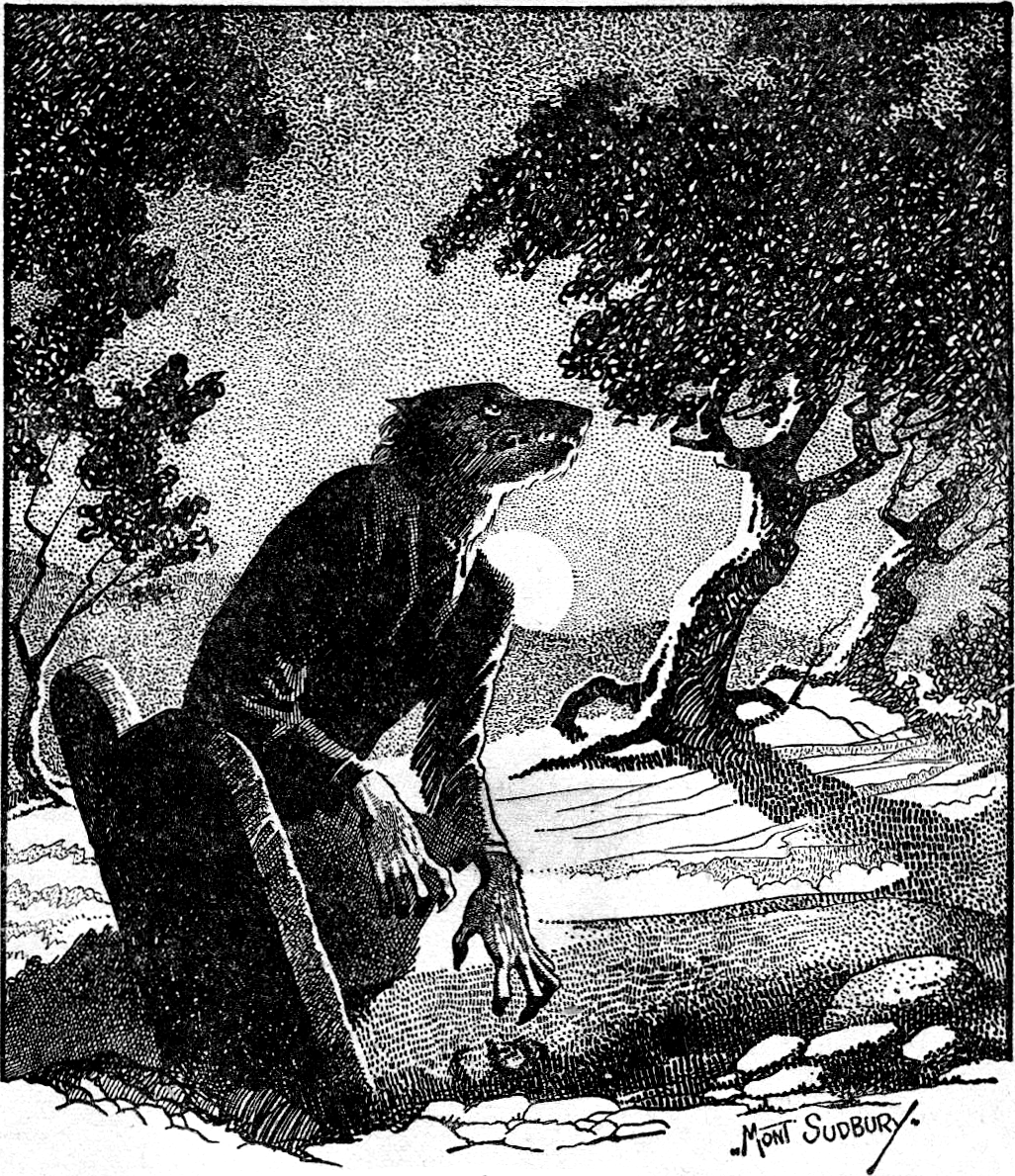 🇫🇷 France and 5 moreWerewolf
A mythical shapeshifter that turns into a wolf, central to European witch-hunts and Gothic horror.Being · Cursing and harm · Wonder and entertainment Legendary
🇫🇷 France and 5 moreWerewolf
A mythical shapeshifter that turns into a wolf, central to European witch-hunts and Gothic horror.Being · Cursing and harm · Wonder and entertainment Legendary
 🇪🇬 Egypt and 1 moreLilithלִילִית
A feminine figure from Mesopotamian and Jewish mythology, often depicted as a night demon or spirit.Being · Cursing and harm Legendary
🇪🇬 Egypt and 1 moreLilithלִילִית
A feminine figure from Mesopotamian and Jewish mythology, often depicted as a night demon or spirit.Being · Cursing and harm Legendary
 🇪🇬 EgyptCurse
A spoken wish for misfortune to befall a person or placeBelief · Cursing and harm · Luck and prosperity Historical
🇪🇬 EgyptCurse
A spoken wish for misfortune to befall a person or placeBelief · Cursing and harm · Luck and prosperity Historical