
Wild rue
In its own language: اسپند
from Persian spand, meaning 'holy'
A desert plant whose seeds hold psychoactive alkaloids and serve as incense in the Middle East.
Peganum harmala is a hardy perennial weed native to arid zones across North Africa, the Middle East, and Central Asia. Its dark seeds contain potent beta-carboline alkaloids, making them central to ancient rituals, folk medicine, and modern legal restrictions.
- Seeds contain high levels of beta-carboline alkaloids.
- Known as espand in Persian, meaning 'holy'.
- Used as incense for purification and protection.
- Native to arid regions of North Africa and Asia.
- Banned or regulated in several Western countries.
What it is
This plant is a tough, leafy shrub that thrives in dry, salty soils across vast stretches of the Old World. It belongs to the Nitrariaceae family and produces small white flowers followed by seed pods. The plant is widely known for its seeds, which are packed with beta-carboline alkaloids. These chemical compounds have been used for centuries in religious ceremonies and folk healing practices. The plant itself is often burned as incense to purify spaces or ward off negative influences.
Where it comes from
Scholars link this species to the sacred soma or haoma plants mentioned in ancient Indo-Iranian scriptures. Archaeological finds suggest people used it roughly 2,700 years ago. Early European botanists in the 1500s documented its appearance, though local communities had long recognized its value. The name reflects its holy status in Persian culture, where it remains a staple of spiritual life today.
How it is done
Practitioners typically burn the dried seeds on charcoal to release a thick, aromatic smoke. This smoke is wafted around homes, shops, or ceremonial spaces to cleanse them of bad energy. In some traditions, the seeds are chewed or brewed into tea for their mind-altering effects. The practice is deeply embedded in daily household routines and specific religious festivals across the region.
Tools and materials
The primary tool is the dark, triangular seed from the plant's capsule. These seeds are rich in oils and alkaloids. The dried rootstock is also sometimes used in medicinal preparations. The smoke produced by burning the seeds serves as the main medium for purification rituals.
Wild rue, drawn and placed
- Living
- Revived
- Fading
- Historical
- Legendary
- Performed
- Lineage
- Indo-Iranian ritual tradition
- Timing
- during daily cleansing or festivals
What it is for
People use it to protect homes from the evil eye and to bring good fortune. Healers employ it in traditional remedies for various ailments. Religious groups burn it during prayers to create a sacred atmosphere. Its psychoactive properties are sought by those wishing to enter altered states of consciousness for spiritual communion.
Who does it
Ordinary households use it for daily protection and cleansing. Traditional healers prepare it for medicinal purposes. Religious specialists incorporate it into temple rites and personal devotion. The knowledge of its preparation and safe use is passed down through generations within these communities.
Peoples and places
Persians call it espand and burn it extensively in Yazidi and Zoroastrian contexts. Hindus in India associate it with ancient Vedic rituals. Communities in Morocco and Turkey use it for similar protective and cleansing purposes. The plant spans a wide geographic area, adapting to local customs while maintaining its core identity as a holy herb.
At a glance: who, where and when
Who does it
Belief worlds
Occasions


What people believe
The plant is viewed as a bridge between the physical and spiritual worlds. Its bitter taste and strong smell are believed to repel malevolent spirits. The alkaloids in the seeds are thought to facilitate communication with divine forces. Ancient texts describe it as a gift from the gods, granting clarity and protection to those who honor it correctly.
When it is done
It is burned daily in many households for general protection. Specific festivals and religious holidays see increased use. In some regions, it is used during seasonal transitions to mark the change in weather and ensure agricultural prosperity. Life events like weddings may also involve its smoke.
How scholars and sceptics see it
Researchers study its alkaloid content to understand its historical role in psychoactive rituals. Botanists track its spread as an invasive species in places like the United States and South Africa. Historians analyze its mentions in ancient texts to reconstruct early religious practices. Legal experts monitor its classification due to its controlled substance status in many countries.
Cautions and what is closed
The seeds are toxic if ingested in large quantities and can cause severe illness. Many nations classify the plant or its extracts as illegal drugs, leading to strict penalties for possession. Farmers often struggle to eradicate it once it takes root in new areas, as it is highly resilient. Livestock can be harmed by eating the plant.
Compare and confuse
It is often confused with common rue due to its name and similar leaves, but they are unrelated. Other psychoactive plants like cannabis or peyote share ritual uses but differ chemically and culturally. The term 'wild rue' highlights its untamed nature compared to cultivated garden herbs.
Rites that involve Wild rue
Questions people ask about Wild rue
What is wild rue?
It is a perennial plant native to dry regions of the Middle East and Central Asia. Its seeds contain psychoactive chemicals and are used in traditional rituals and medicine.
Why is it called espand?
The name comes from the Persian word for 'holy.' It reflects the plant's sacred status in ancient and modern Iranian culture, where it is burned for purification.
How is it used in rituals?
Practitioners burn the dried seeds on charcoal. The resulting smoke is wafted around homes and temples to cleanse spaces and ward off negative influences.
Is it legal everywhere?
No. Many countries ban the plant or its seeds because they contain controlled substances. It is considered a noxious weed in parts of the United States.
Good reading and sources
- Peganum harmala on WikipediaEncyclopedia
- More photos on Wikimedia CommonsPhotos and video
- Wikidata recordOpen data
The facts on this page come from the Wikipedia article "Peganum harmala", written by its contributors and used under the CC BY-SA 4.0 licence, and from its Wikidata record (CC0). EveryJaadu rewrote the text in its own words, with AI assistance, and compares every page with the article to make sure no passage is copied. It may be reused under the same CC BY-SA 4.0 licence with a link back.
It may contain mistakes. Names and customs differ from one community to the next, and some knowledge is closed to outsiders and left out here. This page describes belief and practice. It does not say that any of it works, it is not a how-to, and it is not medical advice. If something is wrong, tell us. Last refreshed 2026-10-05.
More from Morocco
All the entries from Morocco 🇸🇦 Saudi Arabia and 5 moreIslamic exorcismرقية
A rite to expel spirits through Quranic recitation and negotiationRite · Healing · Cleansing and purification Living
🇸🇦 Saudi Arabia and 5 moreIslamic exorcismرقية
A rite to expel spirits through Quranic recitation and negotiationRite · Healing · Cleansing and purification Living
 🇬🇷 Greece and 5 moreBay Laurelδάφνη
An aromatic Mediterranean plant used in cooking and as a symbol of victory and purification.Substance · Protection · Cleansing and purification Living
🇬🇷 Greece and 5 moreBay Laurelδάφνη
An aromatic Mediterranean plant used in cooking and as a symbol of victory and purification.Substance · Protection · Cleansing and purification Living
 🇱🇾 Libya and 4 moreTraditional Berber religionAmazigh religion
Ancient beliefs of Northwest Africa centered on celestial bodies, caves, and ancestors.Tradition · Speaking with spirits and the dead · Luck and prosperity Historical
🇱🇾 Libya and 4 moreTraditional Berber religionAmazigh religion
Ancient beliefs of Northwest Africa centered on celestial bodies, caves, and ancestors.Tradition · Speaking with spirits and the dead · Luck and prosperity Historical
 🇲🇦 Morocco and 1 moreGnawa musicڭْناوة or كْناوة
Moroccan ritual music blending West African heritage with Islamic practice for healing and tranceTradition · Healing · Speaking with spirits and the dead Living
🇲🇦 Morocco and 1 moreGnawa musicڭْناوة or كْناوة
Moroccan ritual music blending West African heritage with Islamic practice for healing and tranceTradition · Healing · Speaking with spirits and the dead Living
Related elsewhere
All substance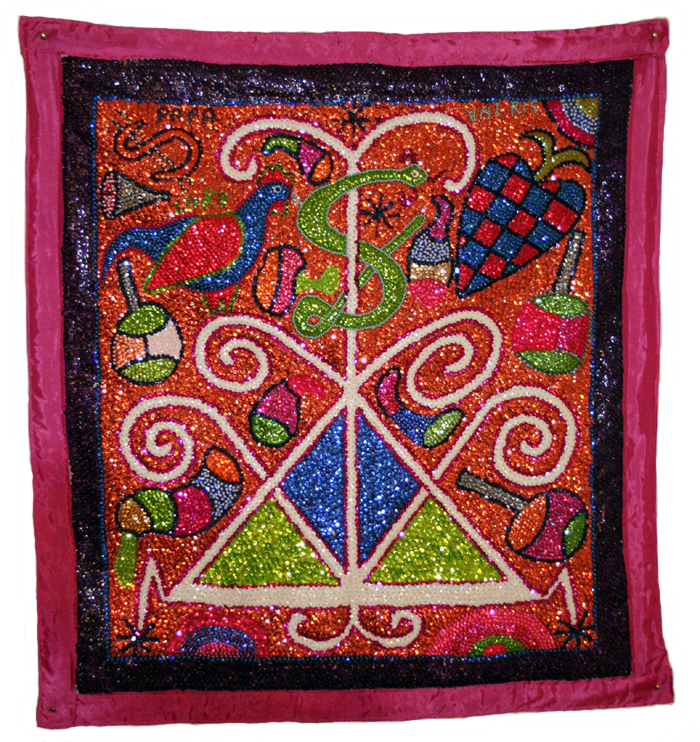 🇭🇹 Haiti and 2 moreHaitian VodouVodou
An Afro-Haitian religion blending West African traditions with Catholicism and FreemasonryTradition · Protection · Healing Living
🇭🇹 Haiti and 2 moreHaitian VodouVodou
An Afro-Haitian religion blending West African traditions with Catholicism and FreemasonryTradition · Protection · Healing Living
 🇮🇹 Italy and 5 moreRelic
An object or body part kept to honor a holy person and mark their connection to the divineCharm · Protection · Healing Living
🇮🇹 Italy and 5 moreRelic
An object or body part kept to honor a holy person and mark their connection to the divineCharm · Protection · Healing Living
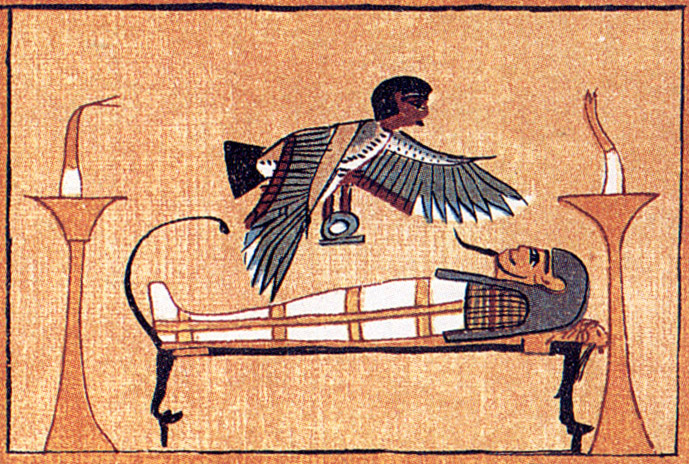 🇸🇪 Sweden and 1 moreSoul flight
A trance practice where the spirit leaves the body to visit other realmsRite · Healing · Seeing and foretelling Historical
🇸🇪 Sweden and 1 moreSoul flight
A trance practice where the spirit leaves the body to visit other realmsRite · Healing · Seeing and foretelling Historical
 🇨🇺 Cuba and 2 moreSanteríaRegla de Ocha
An Afro-Cuban religion blending Yoruba beliefs with Catholicism and SpiritismTradition · Protection · Healing Living
🇨🇺 Cuba and 2 moreSanteríaRegla de Ocha
An Afro-Cuban religion blending Yoruba beliefs with Catholicism and SpiritismTradition · Protection · Healing Living