
Penanggalan
from the word tanggal, meaning "to remove or take off"
A floating head with trailing organs from Malay folklore, said to hunt pregnant women and newborns.
The penanggalan is a vampiric entity in Malay ghost myths. It appears as a detached female head with internal organs hanging below. The creature is believed to be a living woman who uses black magic to separate her head at night.
- A floating head with trailing organs from Malay folklore
- Becomes a penanggalan through meditation in vinegar
- Hunts pregnant women and newborns for blood
- Protected against by thorny mengkuang leaves
- Similar to the Thai krasue and Filipino manananggal
What it is
The penanggalan is a nocturnal entity found in Malaysian folklore. It takes the shape of a woman's head that floats freely through the air. Its stomach, heart, and intestines trail behind it like a long tail. From a distance, the glowing organs look like a ball of fire. This appearance is similar to the will-o'-the-wisp phenomenon seen in other cultures. The creature is not a dead spirit. Instead, it is a living woman who has learned dark arts. She remains human during the day but transforms at night. The form is distinct from classical undead beings because the host stays alive while the head hunts.
Where it comes from
The name comes from the Malay word tanggal, which means to remove or detach. This describes the physical separation of the head from the body. Traditional stories say a woman becomes a penanggalan by practicing black magic. She must meditate in a vat of vinegar until her head can detach. Another version involves a curse or a broken pact with a demon. A modern legend tells of a woman startled during a ritual bath. Her sudden movement severed her head from her neck, trapping her organs outside. The story says she flew after her attacker in rage.
How it is done
The transformation requires a specific ritual. A woman submerges her body in vinegar, leaving only her head above the surface. She meditates until she gains the power to fly. At night, the head detaches and hovers away from the body. The organs shrink to allow easier flight. Before returning home, the creature soaks its entrails in vinegar again. This keeps them small and manageable. The head flies to find victims. It returns to the body before sunrise. If the head cannot reattach, the creature may die permanently.
Tools and materials
Vinegar is essential for the transformation and maintenance of the form. It shrinks the organs so they do not drag on the ground. The creature carries a strong smell of vinegar wherever it flies. Protection against the penanggalan involves sharp objects. Thorny leaves from the mengkuang plant are scattered on floors or hung in windows. These thorns trap the soft organs. Broken glass placed on walls serves a similar purpose. Scissors kept under pillows also deter the creature, as it fears these metal tools.
Penanggalan, drawn and placed
- Living
- Revived
- Fading
- Historical
- Legendary
- Performed
- Lineage
- Malay ghost myths
- Timing
- at night
What it is for
The penanggalan hunts for blood to sustain itself. It specifically targets pregnant women and newborn babies. Young boys are sometimes targeted as well. Men are usually avoided, though the creature may spy on them to protect its prey. The blood consumption causes a wasting disease that is often fatal. Contact with the dripping organs causes painful sores that require a bomoh to heal. The hunting is driven by a need for nourishment and a desire to harm expectant mothers.
Who does it
The entity is typically a mortal woman who practices black magic. She acts as a witch who chooses this path. In some accounts, midwives become penanggalans. They appear normal during the day but avoid eye contact. They may lick their lips when attending to patients, hinting at their hunger. The transformation is a result of dedicated service to dark forces or a specific ritual. The practitioner retains her human consciousness and identity throughout the process.
Peoples and places
The penanggalan is central to Malay mythology. Similar entities exist across Southeast Asia. In Thailand, the krasue shares the same floating head trait. Cambodia has the ahp, while Laos features the kasu. Vietnam knows the ma lai, and Indonesia has the kuyang and leyak. The Philippines calls it the manananggal. All these creatures share the core image of a disembodied head with trailing innards. The variations show how the myth spread and adapted across different cultures in the region.
At a glance: who, where and when
What people believe
The belief system views the penanggalan as a witch rather than a ghost. It is a living person who uses meditation and vinegar to gain supernatural powers. The creature is bound by natural limits, such as needing to return to its body. It is vulnerable to physical barriers like thorns and glass. The lore suggests that the head can be permanently destroyed if the body is cremated or filled with glass shards. Turning the body over can also reveal the secret, forcing the head to attach incorrectly.
When it is done
The activity is strictly tied to the night cycle. The penanggalan is inactive during daylight hours. It hides in its body while people are awake. The hunting peaks around childbirth, making it a threat during birth occasions. Pregnant women and new mothers are the primary targets. The creature avoids detection by passing as an ordinary woman during the day. There are no specific festivals associated with it, only seasonal risks related to pregnancy.
How scholars and sceptics see it
The penanggalan appears in historical texts like the Hikayat Abdullah from 1845. Sir Stamford Raffles noted the story with amusement. Scholars classify it as a mythical creature or vampire-like being. It is part of a broader group of Southeast Asian head-detaching monsters. Anthropologists study it as a reflection of fears surrounding pregnancy and childbirth. The creature embodies anxieties about hidden dangers within the community, particularly those posed by women who practice forbidden arts.
Cautions and what is closed
The penanggalan poses a lethal threat to pregnant women and infants. Victims suffer from fatal wasting diseases caused by blood loss. Physical contact with the organs causes severe, non-healing sores. Protection requires specific knowledge of local plants and materials. Without help from a bomoh, injuries from the creature are incurable. The lore warns that the creature can destroy its own body if the head fails to reattach. Permanent death occurs if the body is cremated or filled with glass.
Compare and confuse
The penanggalan is often compared to Japanese yokai like the rokurokubi and nukekubi. These creatures also feature detached heads or elongated necks. However, the penanggalan uniquely trails its internal organs. Other regional variants include the chonchon from Mapuche culture. While many legends involve flying heads, the penanggalan's reliance on vinegar and thorns is distinct. The shared theme highlights a common fear of bodily violation and hidden monstrosity.
Questions people ask about Penanggalan
What is a penanggalan?
It is a mythical creature from Malay folklore. It appears as a woman's head floating in the air. Internal organs hang from the neck. It hunts at night for blood.
Where does the penanggalan come from?
It originates in Malaysia. Similar creatures exist in Thailand, the Philippines, and Indonesia. The name means "to detach" in Malay.
How does someone become a penanggalan?
A woman practices black magic. She meditates in a vat of vinegar. This ritual allows her head to detach at night. She remains alive during the day.
What protects people from it?
Scattering thorny mengkuang leaves traps the organs. Broken glass on walls also deters it. Scissors under pillows frighten the creature.
Good reading and sources
The facts on this page come from the Wikipedia article "Penanggalan", written by its contributors and used under the CC BY-SA 4.0 licence, and from its Wikidata record (CC0). EveryJaadu rewrote the text in its own words, with AI assistance, and compares every page with the article to make sure no passage is copied. It may be reused under the same CC BY-SA 4.0 licence with a link back.
It may contain mistakes. Names and customs differ from one community to the next, and some knowledge is closed to outsiders and left out here. This page describes belief and practice. It does not say that any of it works, it is not a how-to, and it is not medical advice. If something is wrong, tell us. Last refreshed 2026-10-05.
More from Malaysia
All the entries from Malaysia 🇹🇭 Thailand and 7 moreSpirit house
A small roofed shrine that shelters a place's protective spiritCharm · Protection Living
🇲🇾 Malaysia and 1 moreBomohبوموه
A Malay shaman and traditional healer who works with spirits, herbs, and geomancy.Tradition · Healing · Seeing and foretelling Living
🇹🇭 Thailand and 7 moreSpirit house
A small roofed shrine that shelters a place's protective spiritCharm · Protection Living
🇲🇾 Malaysia and 1 moreBomohبوموه
A Malay shaman and traditional healer who works with spirits, herbs, and geomancy.Tradition · Healing · Seeing and foretelling Living
 🇮🇳 India and 5 moreKolamகோலம்
A daily geometric floor drawing made with rice flour at the home entrance in South IndiaTradition · Protection · Luck and prosperity Living
🇮🇳 India and 5 moreKolamகோலம்
A daily geometric floor drawing made with rice flour at the home entrance in South IndiaTradition · Protection · Luck and prosperity Living
 🇨🇳 China and 5 moreKau chim求籤
A divination practice using numbered bamboo sticks to seek answers from deitiesOracle · Seeing and foretelling · Power and authority Living
🇨🇳 China and 5 moreKau chim求籤
A divination practice using numbered bamboo sticks to seek answers from deitiesOracle · Seeing and foretelling · Power and authority Living
Related elsewhere
All being 🇷🇸 Serbia and 5 moreVampire
An undead creature from folklore that feeds on the blood or life force of the livingBeing · Cursing and harm · Luck and prosperity Legendary
🇷🇸 Serbia and 5 moreVampire
An undead creature from folklore that feeds on the blood or life force of the livingBeing · Cursing and harm · Luck and prosperity Legendary
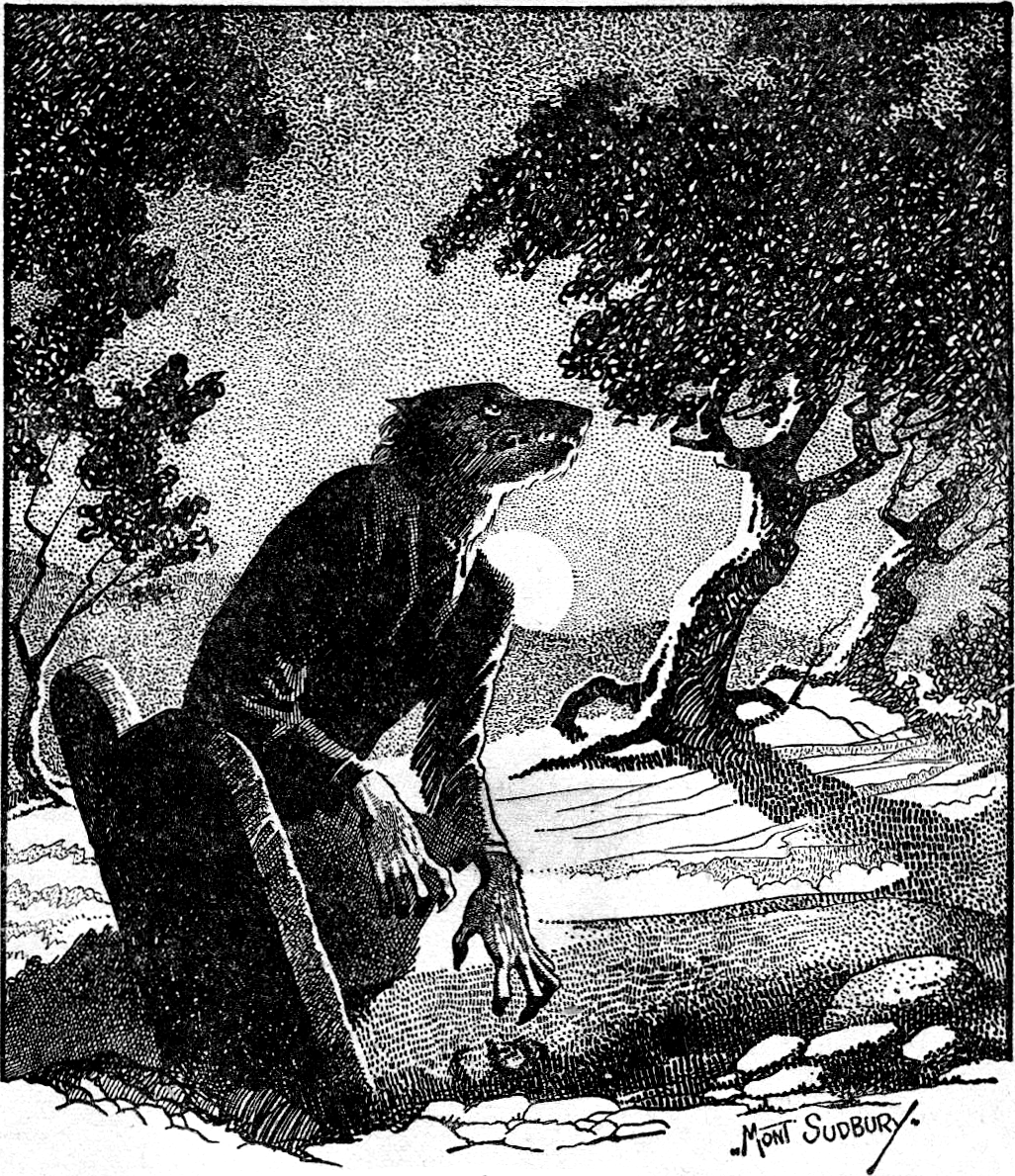 🇫🇷 France and 5 moreWerewolf
A mythical shapeshifter that turns into a wolf, central to European witch-hunts and Gothic horror.Being · Cursing and harm · Wonder and entertainment Legendary
🇫🇷 France and 5 moreWerewolf
A mythical shapeshifter that turns into a wolf, central to European witch-hunts and Gothic horror.Being · Cursing and harm · Wonder and entertainment Legendary
 🇪🇬 Egypt and 1 moreLilithלִילִית
A feminine figure from Mesopotamian and Jewish mythology, often depicted as a night demon or spirit.Being · Cursing and harm Legendary
🇪🇬 Egypt and 1 moreLilithלִילִית
A feminine figure from Mesopotamian and Jewish mythology, often depicted as a night demon or spirit.Being · Cursing and harm Legendary
 🇪🇬 EgyptCurse
A spoken wish for misfortune to befall a person or placeBelief · Cursing and harm · Luck and prosperity Historical
🇪🇬 EgyptCurse
A spoken wish for misfortune to befall a person or placeBelief · Cursing and harm · Luck and prosperity Historical