
Marabout
In its own language: murābiṭ
from Arabic murābiṭ, meaning one who is garrisoned or attached
A Muslim religious leader and teacher in West Africa, often linked to Sufi brotherhoods.
The marabout is a figure of spiritual authority in the Maghreb and West Africa. Descendants of Muhammad or learned scholars, they guide communities through Sufi orders and local traditions.
- Marabouts are descendants of Muhammad or learned Quranic scholars.
- They play a major role in Senegalese politics and elections.
- The term comes from Arabic murābiṭ, meaning garrisoned.
- French colonizers used the title for various Muslim leaders.
- The Grand Magal festival highlights their spiritual authority.
What it is
In the Muslim world, particularly across North and West Africa, a marabout serves as a religious leader and teacher. The term historically described a chaplain in an Islamic army or a descendant of the Prophet Muhammad. Today, it refers to individuals who guide communities through Sufi brotherhoods or serve as wandering holy men. They are respected for their knowledge of the Quran and their ability to provide spiritual direction. Some also function as healers or diviners, blending Islamic teachings with local customs. The role carries significant social weight, influencing both daily life and broader community structures.
Where it comes from
The concept emerged from early Islamic military campaigns in North Africa and the Sahara. Over time, the title evolved to include descendants of Muhammad, known as sayyids or sidi. As Sufism spread into West Africa between the eighth and thirteenth centuries, the marabout's duties merged with pre-existing local practices. French colonial officials later adopted the term to describe any imam or Muslim teacher who appealed to Islamic tradition, cementing its use in administrative contexts.
How it is done
Marabouts guide followers through prayer, study, and moral instruction. They often run Quranic schools where young students, called talibes, learn under their supervision. Many survive on donations from their communities, living simple, ascetic lives while wearing traditional West African robes. Some travel as holy men, offering spiritual advice and protection. In Senegal, elaborate hierarchies organize these leaders, with top figures holding titles like caliph. Their guidance extends to personal matters, community disputes, and political alliances.
Tools and materials
The primary tools are the Quran and traditional Islamic scholarship. Marabouts rely on their ability to read and write to advise village chiefs and act as secretaries. They wear specific robes that signify their status and simplicity. In some contexts, they use amulets or prayers for protection, though orthodox Muslims may reject syncretic practices involving fortune-telling or local magic.
Marabout, drawn and placed
- Living
- Revived
- Fading
- Historical
- Legendary
- Performed
- Lineage
- Sufi Islam
- Timing
- during daily life, festivals, and elections
What it is for
People seek marabouts for spiritual guidance, healing, and protection. They are consulted for advice on personal issues, community conflicts, and political decisions. In Senegal, their endorsement can determine election outcomes, making them powerful intermediaries between citizens and the state. Followers believe their blessings bring stability and prosperity. Some also offer services as fortune tellers, though this practice is often criticized by more orthodox religious groups.
Who does it
Marabouts are typically men, though women may participate in the communities they lead. They are chosen through lineage, scholarly achievement, or spiritual reputation. Training involves years of studying the Quran and Sufi teachings. In Senegal, leaders of major brotherhoods, such as the Mourides, hold immense power. The highest leaders are revered as rulers of the faithful. Younger generations sometimes challenge traditional authority, seeking more secular roles.
Peoples and places
The role is central to Wolof society in Senegal and has spread across the Sahel. Berber and Tukulor marabouts played key roles in historical conflicts and state-building. In Mali and Niger, they maintain similar influence. The diaspora has brought the tradition to France and Brazil, where it adapts to new environments. In Brazil, the spirit Marabô reflects the shamanic aspects of this tradition. Local variations exist, with some marabouts focusing on education and others on political mediation.
At a glance: who, where and when
Belief worlds
Occasions


What people believe
Marabouts operate within a framework of Sunni Islam and Sufi mysticism. They are believed to possess baraka, or spiritual power, derived from their connection to the Prophet and their piety. Followers view them as intermediaries between God and humanity. Their authority is rooted in the belief that their prayers and guidance can influence worldly outcomes. This worldview supports their role in resolving disputes and maintaining social harmony.
When it is done
Marabouts are active year-round, but their influence peaks during religious festivals. The Grand Magal of Touba is a major event where thousands gather to honor the Mouride founder. During these times, politicians seek their blessings. Daily life also revolves around their guidance, with families consulting them for advice on births, marriages, and deaths. Their presence is constant, bridging the sacred and the secular.
How scholars and sceptics see it
Anthropologists study marabouts as key figures in West African social and political life. Historians note their role in resisting colonial rule and shaping modern states. Scholars observe how they adapt to democracy, balancing traditional authority with modern governance. Critics point out the potential for corruption in their political alliances. Researchers also examine the tension between orthodox Islam and syncretic practices associated with some marabouts.
Cautions and what is closed
The political influence of marabouts can lead to clientelism, where votes are exchanged for favors. This dynamic may undermine democratic principles. Syncretic practices, such as fortune-telling, are sometimes viewed as fraudulent by orthodox Muslims. There is also risk of exploitation, as vulnerable individuals may pay for spiritual services. Political tensions have occasionally led to conflict, as seen in historical wars against marabout-led movements.
Compare and confuse
The marabout is distinct from a standard imam, as it often includes political and social leadership roles. It is related to the Sufi muršid, or guide, but carries broader cultural significance in West Africa. In Europe, the term was sometimes misapplied to any Muslim religious figure. In Brazil, the spirit Marabô shares the name but represents a different syncretic tradition. The role contrasts with purely scholarly positions, emphasizing practical community leadership.
Questions people ask about Marabout
What is a marabout?
A marabout is a Muslim religious leader and teacher in West Africa, often a descendant of Muhammad or a scholar of the Quran. They guide communities through Sufi brotherhoods and provide spiritual and social leadership.
Where does the word come from?
The word comes from the Arabic murābiṭ, which means 'one who is garrisoned' or 'attached.' It originally referred to a chaplain in an Islamic army before evolving into a title for religious teachers.
Do marabouts have political power?
Yes, especially in Senegal. Marabouts often endorse political candidates in exchange for development projects or favors. Their support can be decisive in elections, making them key intermediaries between the government and citizens.
Are all marabouts the same?
No. Some are strict scholars focused on Quranic study, while others blend Islamic teachings with local customs. Some even work as fortune-tellers, a practice rejected by orthodox Muslims but accepted by some followers.
Good reading and sources
- Marabout on WikipediaEncyclopedia
- More photos on Wikimedia CommonsPhotos and video
- Wikidata recordOpen data
The facts on this page come from the Wikipedia article "Marabout", written by its contributors and used under the CC BY-SA 4.0 licence, and from its Wikidata record (CC0). EveryJaadu rewrote the text in its own words, with AI assistance, and compares every page with the article to make sure no passage is copied. It may be reused under the same CC BY-SA 4.0 licence with a link back.
It may contain mistakes. Names and customs differ from one community to the next, and some knowledge is closed to outsiders and left out here. This page describes belief and practice. It does not say that any of it works, it is not a how-to, and it is not medical advice. If something is wrong, tell us. Last refreshed 2026-10-06.
More from Senegal
All the entries from Senegal 🇸🇳 Senegal and 5 moreAncestor veneration
Rituals of respect and offerings for the dead across many culturesTradition · Protection · Speaking with spirits and the dead Living
🇸🇳 Senegal and 5 moreAncestor veneration
Rituals of respect and offerings for the dead across many culturesTradition · Protection · Speaking with spirits and the dead Living
 🇸🇳 Senegal and 5 morePentagramπεντάγραμμον
A five-pointed star figure used across history for protection, ritual, and cosmologyCharm · Protection · Binding and oaths Living
🇸🇳 Senegal and 5 morePentagramπεντάγραμμον
A five-pointed star figure used across history for protection, ritual, and cosmologyCharm · Protection · Binding and oaths Living
 🇸🇳 Senegal and 1 moreSerer religionA ƭat Roog
The traditional faith of the Serer people, centred on the supreme deity Roog and ancestral veneration.Tradition · Protection · Speaking with spirits and the dead Living
🇸🇳 Senegal and 1 moreSerer religionA ƭat Roog
The traditional faith of the Serer people, centred on the supreme deity Roog and ancestral veneration.Tradition · Protection · Speaking with spirits and the dead Living
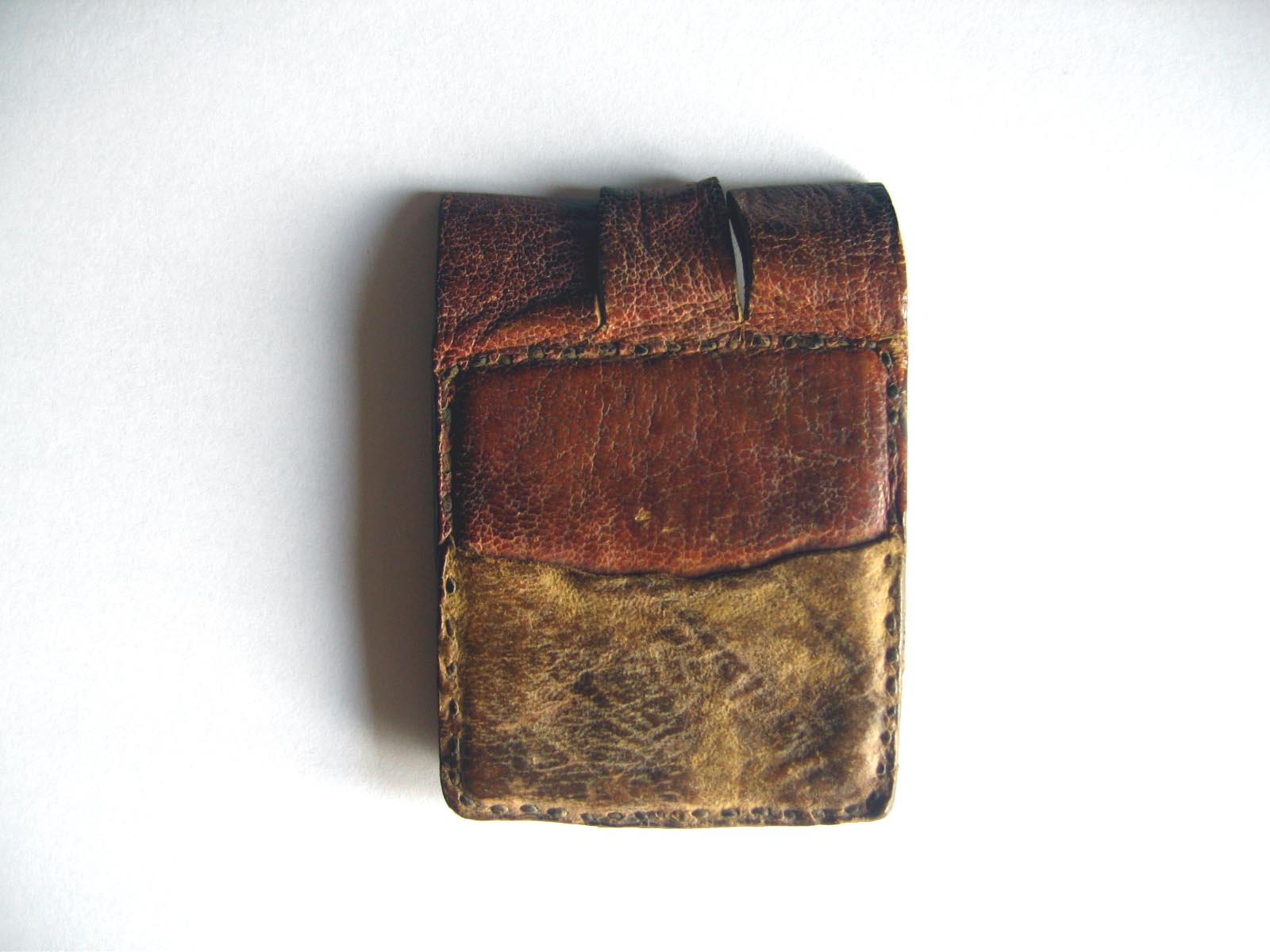 🇲🇱 Mali and 3 moreGris-gris
A small pouch or charm from West Africa used for protection and luck.Charm · Protection · Luck and prosperity Living
🇲🇱 Mali and 3 moreGris-gris
A small pouch or charm from West Africa used for protection and luck.Charm · Protection · Luck and prosperity Living
Related elsewhere
All tradition 🇪🇬 Egypt and 4 moreAnimal sacrifice
The ritual killing of livestock or wild animals as an offering to deitiesRite · Speaking with spirits and the dead · Power and authority Historical
🇪🇬 Egypt and 4 moreAnimal sacrifice
The ritual killing of livestock or wild animals as an offering to deitiesRite · Speaking with spirits and the dead · Power and authority Historical
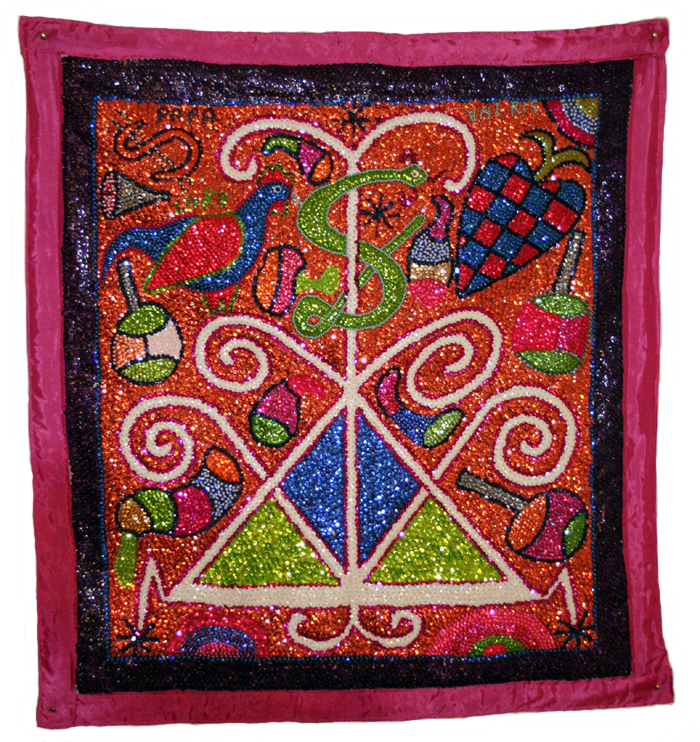 🇭🇹 Haiti and 2 moreHaitian VodouVodou
An Afro-Haitian religion blending West African traditions with Catholicism and FreemasonryTradition · Protection · Healing Living
🇭🇹 Haiti and 2 moreHaitian VodouVodou
An Afro-Haitian religion blending West African traditions with Catholicism and FreemasonryTradition · Protection · Healing Living
 🇮🇶 Iraq and 5 moreGrimoire
A textbook containing instructions for spells, rituals, and the creation of magical objects.Text · Protection · Healing Historical
🇮🇶 Iraq and 5 moreGrimoire
A textbook containing instructions for spells, rituals, and the creation of magical objects.Text · Protection · Healing Historical
 🇮🇳 India and 2 moreYantraयन्त्र
A geometric diagram from Indian traditions used for worship and meditationTradition · Protection · Speaking with spirits and the dead Living
🇮🇳 India and 2 moreYantraयन्त्र
A geometric diagram from Indian traditions used for worship and meditationTradition · Protection · Speaking with spirits and the dead Living