
Traditional healers of Southern Africa
from Zulu/Xhosa umuthi, meaning 'tree'
Practitioners who blend herbal medicine with ancestral divination in Southern Africa
Traditional healers in Southern Africa serve as diviners and herbalists within Nguni, Sotho, and Tsonga communities. They are consulted for physical and spiritual ailments through rituals that honour ancestors and use plant-based medicines.
- Sangomas use bone throwing to diagnose spiritual causes of illness
- Muthi combines plants, animals, and minerals for healing purposes
- Approximately 60% of South Africans consult traditional healers
- Initiation illness symptoms were historically misdiagnosed as schizophrenia
- Impepho leaves are burned to communicate with ancestral spirits
What it is
Traditional healers in Southern Africa operate as both diviners and herbalists within Nguni, Sotho, and Tsonga societies. They address physical, emotional, and spiritual illnesses by mediating between the living and the dead. Practitioners are highly revered figures who maintain social harmony and guide community rituals. Their work involves diagnosing afflictions caused by witchcraft, pollution, or neglected ancestors. The practice is holistic, treating the patient's entire existence rather than isolated symptoms. Healers are estimated to number around 200,000 in South Africa alone, serving a majority of the population alongside biomedical services.
Where it comes from
The tradition stems from the Ngoma philosophy, which centers on belief in ancestral spirits. Different cultures use specific terms: sangoma for diviners, inyanga for herbalists, amagqirha for Xhosa diviners, and amaxhwele for Xhosa herbalists. Northern Sotho speakers use ngaka, while Venda people call them mungome. Colonialism and urbanization have blurred distinctions between these roles, leading many modern healers to practice both arts. The tradition persists despite historical suppression and transculturation, adapting to contemporary needs while maintaining core spiritual principles.
How it is done
Healing sessions begin with establishing contact with ancestors through prayer or bone throwing. Diviners interpret the landing of bones, coins, or shells to diagnose the cause of illness. Possession rituals involve drumming, dancing, and chanting to enter trance states where ancestors speak through the healer. Purification methods include bathing, steaming, vomiting, and nasal snuffing. Patients may receive herbal remedies or be referred to other specialists. Animal sacrifices and burning incense like impepho appease spirits. Dreams and visions guide the collection of medicinal plants and timing of treatments.
Tools and materials
Healers use bones, dice, dominoes, coins, shells, and stones for divination. Each item carries specific symbolic meaning, such as hyena bones indicating theft. Medicinal preparations called muthi combine plants, animal fats, and minerals. Impepho leaves are burned as incense to communicate with ancestors. Snuff is used for prayer and sneezing to expel disease. Sacred huts called indumba house healing tools, while portable shrines known as imsamo serve those without permanent spaces. Drumming instruments facilitate trance induction during possession rituals.
Traditional healers of Southern Africa, drawn and placed
- Living
- Revived
- Fading
- Historical
- Legendary
- Performed
- Lineage
- Ngoma philosophy
- Timing
- during illness or crisis
What it is for
Patients seek healers for physical pain, mental distress, social disharmony, and spiritual difficulties. Healers aim to restore balance between afflicted individuals and causing spirits. Treatments address witchcraft accusations, ancestral displeasure, and environmental pollution. Muthi provides protection, love, luck, and courage through symbolic substances like lion fat. Divination identifies root causes of suffering and prescribes appropriate remedies. Healers also assist in birth and death rituals, find lost property, and protect warriors. Their guidance helps navigate life crises and maintain community cohesion.
Who does it
Both men and women become traditional healers through a calling process involving initiation illness. Symptoms include psychosis, headaches, stomach pain, and shoulder complaints. Trainees undergo ukuthwasa or ubungoma journeys to develop their abilities. Some practitioners experience amafufunyana, previously misidentified as demonic possession but now recognized as schizophrenia. Healers train through apprenticeship and ancestral guidance. They store herbs in sacred huts and consult dreams for collection advice. Experienced healers combine ancestral knowledge with personal training and community experience.
Peoples and places
Southern African communities maintain distinct terminology for healers based on ethnic groups. Zulu and Xhosa societies distinguish between sangomas and inyanga, though colonial influences have merged these roles. Northern Sotho use ngaka, Southern Sotho use selaoli, and Venda use mungome. Tsonga practitioners are called n'anga or mungoma. Bapedi healers specialize in reproductive health using specific plant families. Practices vary across regions while sharing core beliefs in ancestral mediation. Urbanization has created hybrid approaches combining traditional and biomedical methods. Diaspora communities preserve these traditions through adapted practices.
At a glance: who, where and when
Who does it
Belief worlds
Occasions


What people believe
Ngoma philosophy holds that ancestral spirits guide and protect the living from the afterlife. Spirits intervene in human affairs, sometimes causing affliction through conflict or neglect. Healers create harmony between helpful and harmful spirits to alleviate suffering. Possession states allow ancestors to communicate directly with patients through trained mediums. Dreams provide guidance on plant collection and treatment timing. Spirits use human bodies as battlegrounds for their disputes. Healing requires restitution and appeasement through rituals. The worldview emphasizes interconnectedness between physical health and spiritual relationships.
When it is done
Healers respond to illness and crisis whenever they occur rather than following fixed calendar dates. Treatment preparation involves abstinence and fasting periods. Plant collection follows auspicious times determined through dreams and ancestral advice. Rituals may align with seasonal changes affecting plant potency. Life events like births and deaths require specific ceremonial interventions. Daily consultations address ongoing health concerns and social disputes. Divination sessions determine appropriate timing for treatments and sacrifices. The practice operates continuously without rigid scheduling constraints.
Questions people ask about Traditional healers of Southern Africa
What do traditional healers in Southern Africa do?
They serve as diviners and herbalists who treat physical and spiritual illnesses. Practitioners mediate between patients and ancestral spirits to restore harmony. They use bone throwing, possession rituals, and herbal medicines called muthi. Healers address witchcraft, pollution, and neglected ancestor relationships. Their work encompasses healing, protection, and community guidance.
Where does this tradition come from?
It originates from the Ngoma philosophy of Southern African Bantu peoples. Different ethnic groups developed specific terms like sangoma and inyanga. The practice centers on ancestral spirit worship and traditional medicine. Colonialism influenced role boundaries but did not eliminate the tradition. Communities across South Africa, Zimbabwe, and neighboring countries maintain these practices today.
How do healers diagnose problems?
Diviners throw bones, coins, or shells to receive ancestral guidance. The landing positions reveal causes of illness or social disharmony. Possession rituals allow spirits to speak through trained mediums. Dream interpretation provides additional diagnostic information. Healers combine divination results with herbal knowledge to prescribe treatments addressing root causes.
What materials do traditional healers use?
Medicines called muthi combine plants, animal fats, and minerals. Impepho leaves serve as incense for ancestor communication. Bones and shells function as divination tools with symbolic meanings. Sacred huts house healing implements and stored herbs. Ritual items include drums for trance induction and snuff for prayer. Treatments incorporate purification methods like steaming and bathing.
Good reading and sources
- Traditional healers of Southern Africa on WikipediaEncyclopedia
- More photos on Wikimedia CommonsPhotos and video
- Wikidata recordOpen data
The facts on this page come from the Wikipedia article "Traditional healers of Southern Africa", written by its contributors and used under the CC BY-SA 4.0 licence, and from its Wikidata record (CC0). EveryJaadu rewrote the text in its own words, with AI assistance, and compares every page with the article to make sure no passage is copied. It may be reused under the same CC BY-SA 4.0 licence with a link back.
It may contain mistakes. Names and customs differ from one community to the next, and some knowledge is closed to outsiders and left out here. This page describes belief and practice. It does not say that any of it works, it is not a how-to, and it is not medical advice. If something is wrong, tell us. Last refreshed 2026-10-05.
More from South Africa
All the entries from South Africa 🇿🇦 South AfricaSympathetic magic
A magical principle based on imitation and contact to influence the worldTradition · Protection · Healing Historical
🇿🇦 South AfricaSympathetic magic
A magical principle based on imitation and contact to influence the worldTradition · Protection · Healing Historical
 🇿🇦 South AfricaUkuthwasa
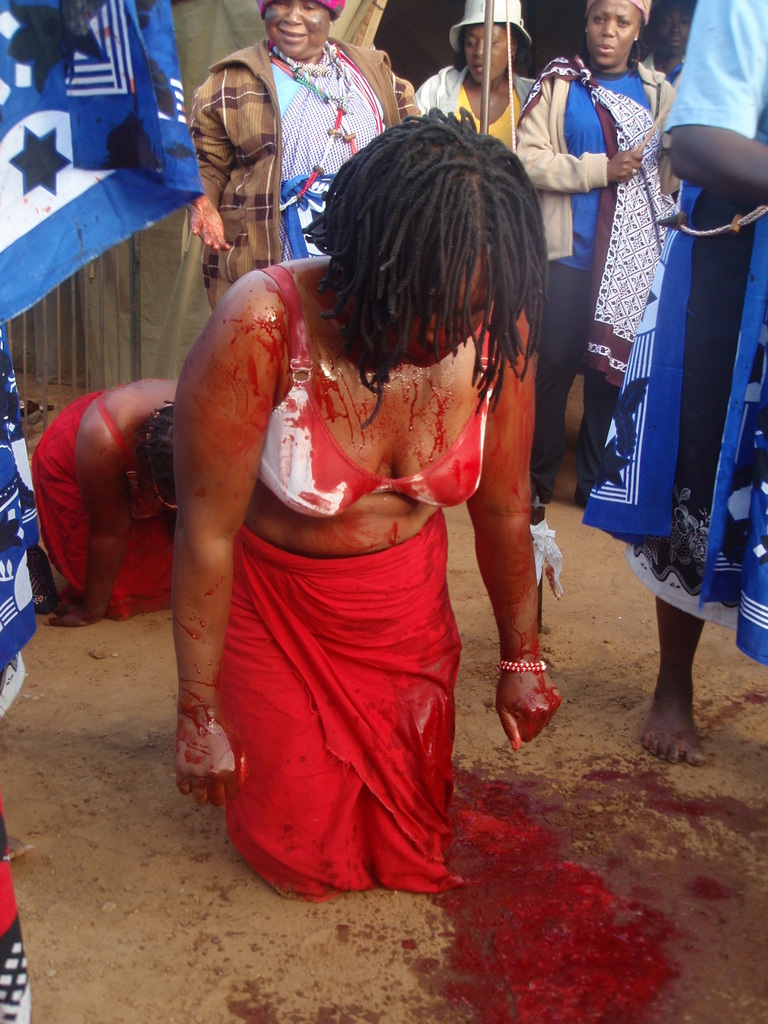
A spiritual calling and initiation process for traditional healers in Southern Africa.Rite · Healing · Speaking with spirits and the dead Living
🇿🇦 South AfricaUkuthwasa
A spiritual calling and initiation process for traditional healers in Southern Africa.Rite · Healing · Speaking with spirits and the dead Living
 🇿🇦 South Africa and 4 moreWitch doctor
A traditional healer who identifies supernatural causes of illness and performs rituals to restore balance.Tradition · Healing · Protection Living
🇿🇦 South Africa and 1 moreRain Queen
A hereditary queen of the Balobedu people believed to control rainfall in South AfricaTradition · Protection · Power and authority Living
🇿🇦 South Africa and 4 moreWitch doctor
A traditional healer who identifies supernatural causes of illness and performs rituals to restore balance.Tradition · Healing · Protection Living
🇿🇦 South Africa and 1 moreRain Queen
A hereditary queen of the Balobedu people believed to control rainfall in South AfricaTradition · Protection · Power and authority Living
Related elsewhere
All tradition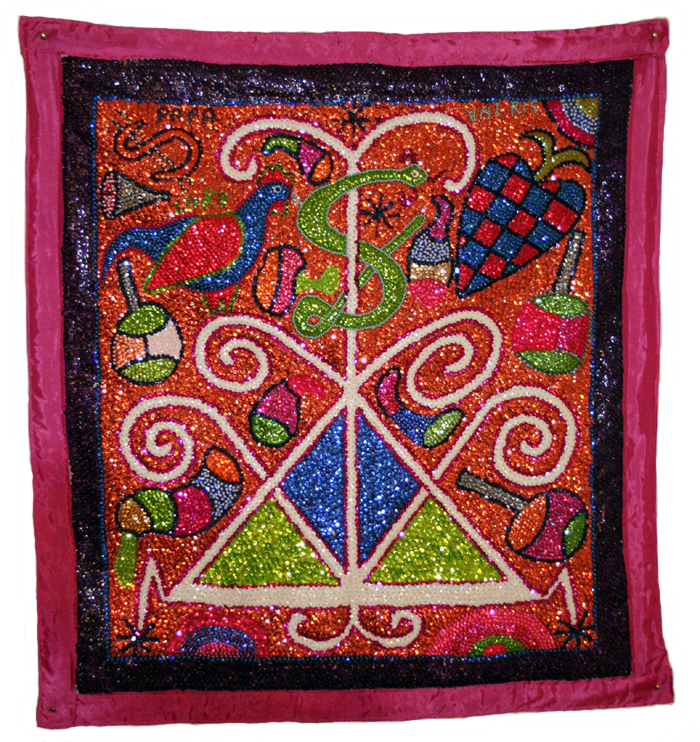 🇭🇹 Haiti and 2 moreHaitian VodouVodou
An Afro-Haitian religion blending West African traditions with Catholicism and FreemasonryTradition · Protection · Healing Living
🇭🇹 Haiti and 2 moreHaitian VodouVodou
An Afro-Haitian religion blending West African traditions with Catholicism and FreemasonryTradition · Protection · Healing Living
 🇫🇷 France and 5 moreKardecist SpiritismSpiritisme
A French spiritualist doctrine based on communication with spirits and reincarnation.Tradition · Speaking with spirits and the dead · Protection Living
🇫🇷 France and 5 moreKardecist SpiritismSpiritisme
A French spiritualist doctrine based on communication with spirits and reincarnation.Tradition · Speaking with spirits and the dead · Protection Living
 🇮🇶 Iraq and 5 moreGrimoire
A textbook containing instructions for spells, rituals, and the creation of magical objects.Text · Protection · Healing Historical
🇮🇶 Iraq and 5 moreGrimoire
A textbook containing instructions for spells, rituals, and the creation of magical objects.Text · Protection · Healing Historical
 🇰🇷 South Korea and 3 moreKorean shamanism무속
A Korean folk religion centered on ritual specialists who mediate between humans and spiritsTradition · Protection · Healing Living
🇰🇷 South Korea and 3 moreKorean shamanism무속
A Korean folk religion centered on ritual specialists who mediate between humans and spiritsTradition · Protection · Healing Living