
Mojo bag
from Kikongo mooyo, meaning spirits dwelling within magical charms
A cloth pouch holding charms for protection, luck, or love in the Hoodoo tradition.
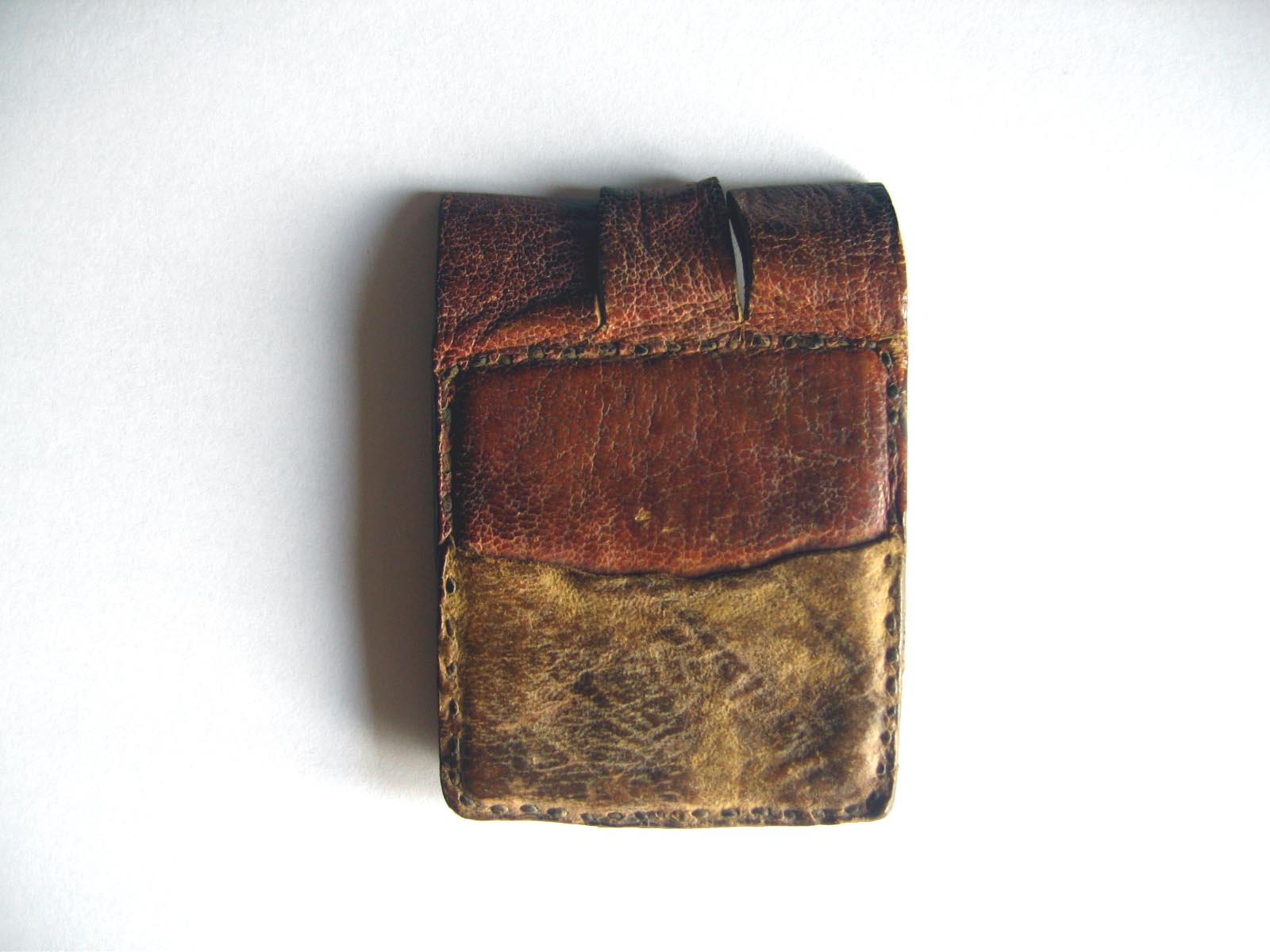
A mojo bag is a charm pouch used within the African American spiritual practice known as Hoodoo. It contains specific items chosen to bring healing, fortune, or defense against harm. The custom traces its roots to Kongo peoples in Central Africa who created similar spirit containers.
- Red flannel symbolizes sacrifice and spiritual power in Hoodoo.
- Archaeologists found spirit bundles at the African Burial Ground in New York.
- The word mojo comes from the Kikongo word mooyo.
- Enslaved people used charms for protection against enslavers.
- Ministers in Black churches sometimes practiced conjure work.
What it is
A mojo bag functions as a portable amulet within the African American spiritual system called Hoodoo. It consists of a small container, typically a cloth pouch, filled with various objects believed to hold power. Practitioners view it as a prayer made tangible, designed to be carried on the body or kept nearby. These bags serve multiple purposes, including warding off evil, attracting wealth, fostering romantic connections, or promoting physical recovery. The term also describes the broader system of conjure work itself. Other regional names for similar items include gris-gris and juju bags, reflecting diverse cultural inputs into the tradition.
Where it comes from
The practice originates from the Bakongo people of the Central African Congo River region. They created medicine bags using leather or cloth, filling them with feathers, roots, and animal parts for spiritual defense. When enslaved Africans were brought to the United States, they carried these customs across the Atlantic. The tradition evolved by blending Kongo beliefs with Native American herbal knowledge and Christian elements. Archaeological finds at sites like the African Burial Ground in New York confirm the presence of these spirit bundles among early enslaved communities in North America.
How it is done
Conjurers construct these bags using specific materials aligned with the desired outcome. Red flannel is the preferred fabric because it symbolizes sacrifice and spiritual power. The contents vary widely based on intent; a bag for gambling might contain lucky roots, while one for protection could hold graveyard dirt or animal bones. Ingredients are often prepared with prayers or incantations to activate their energy. Some practitioners sew the bags closed, while others tie them with string. The maker selects items that resonate with specific spirits or ancestral forces to ensure the charm works effectively.
Tools and materials
Common materials include red flannel, which represents protection and transition. Containers may also be gourds, jars, or bottles. Inside, practitioners place items like coins, crystals, carved amulets, and local roots. Graveyard dirt is frequently used to house the spirits of the deceased. Animal parts such as teeth, claws, or bones add strength to the charm. Personal objects belonging to the client are sometimes included to increase the bag's potency. The combination of natural and manufactured items creates a unique spiritual tool for each individual.
Mojo bag, drawn and placed
- Living
- Revived
- Fading
- Historical
- Legendary
- Performed
- Lineage
- Hoodoo and Kongo religion
What it is for
People seek mojo bags for practical life improvements and spiritual safety. Users ask for protection against enemies, sorcery, or bad luck. Others use them to attract money, success in games of chance, or romantic partners. Healing is another primary goal, with bags intended to cure illness or restore balance. Enslaved individuals historically used them for defense against enslavers and to maintain community peace. The bags act as intermediaries between the wearer and the spirit world, channeling energy to achieve specific results.
Who does it
Root doctors and conjure workers create these charms. Historically, respected community healers were known for their skill in making and using these bags. Practitioners might wear their own charms openly or conceal them under clothing. Training often involves oral transmission of knowledge within the community. Gender roles were not strictly defined, with both men and women participating in conjure work. Ministers in Black churches also sometimes engaged in these practices, seeing no conflict with their religious duties.
Peoples and places
The tradition is central to Hoodoo culture in the United States. It draws heavily from the Bakongo people of Central Africa, who influenced the cosmology and methods. West African groups, such as the Mandinka Muslims from Sierra Leone, contributed the concept of gris-gris bags adorned with scripture. Gullah communities in the Southeast preserved many of these customs. The practice adapted differently across regions, incorporating local plants and materials while maintaining core spiritual principles inherited from African ancestors.
At a glance: who, where and when
Who does it
Belief worlds


What people believe
Hoodoo relies on the belief that spirits inhabit natural objects and places. Simbi spirits and ancestral ghosts can reside within the bag to offer guidance or protection. The cross is often viewed through a Bakongo lens, seen as an nkisi that harnesses divine power. Practitioners believe that personal items carry the essence of their owners, making them powerful components. The universe operates through interconnected forces that can be influenced by ritual actions and material offerings. Maintaining harmony with these forces ensures the charm's effectiveness.
When it is done
Specific festivals are not exclusively tied to mojo bags, but they are used during times of crisis or need. Individuals might create or renew a bag when facing danger, seeking a new job, or dealing with relationship issues. The timing often depends on the practitioner's intuition or the client's request. Some rituals involve preparing the bag during specific lunar phases or seasons, though this varies by region and family tradition. The bag remains active until its purpose is fulfilled or it loses its power.
How scholars and sceptics see it
Anthropologists study mojo bags as examples of syncretism, where African traditions blend with European and Indigenous influences. Historians examine archaeological evidence to trace the continuity of these practices from slavery to the present day. Researchers note how the word mojo shifted in popular culture to mean motivation or sexuality, diverging from its original spiritual context. Scholars also investigate the role of these charms in resistance movements and community survival during periods of oppression.
Cautions and what is closed
Enslaved people risked severe punishment if discovered possessing charms, as slaveholders feared their power. Some narratives describe inspections of slaves' bodies to confiscate hidden items. Modern practitioners must navigate legal and social sensitivities regarding the use of grave dirt or animal parts. Fraudulent sellers sometimes exploit curiosity about Hoodoo, offering ineffective products. The knowledge of specific ingredients and rituals is often restricted to initiated practitioners or those within the community.
Compare and confuse
Mojo bags are related to West African juju and gris-gris bags, though they differ in materials and specific spiritual affiliations. They share similarities with Latin American amulets and European folk charms but retain distinct African cosmological frameworks. The term conjure bag is often used interchangeably with mojo bag, emphasizing the ritual aspect. Gris-gris bags originally featured Islamic scriptures, whereas mojo bags typically incorporate Christian or animist elements. All serve as portable vessels for spiritual energy.
Questions people ask about Mojo bag
What is a mojo bag?
It is a charm pouch used in the African American spiritual tradition of Hoodoo. It holds items like herbs, coins, or dirt to bring protection, luck, or healing to the carrier.
Where does the mojo bag come from?
It originates from the Bakongo people of Central Africa. Enslaved Africans brought these customs to the United States, where they blended with local beliefs to form Hoodoo.
Why is red flannel used?
Red flannel is traditional because red symbolizes sacrifice, transition, and spiritual power. This color choice links the practice to Central African traditions where red held significant meaning.
What goes inside a mojo bag?
Contents depend on the goal. Common items include graveyard dirt, roots, animal parts, coins, and personal objects. Each ingredient is chosen to invoke specific spirits or energies.
Good reading and sources
The facts on this page come from the Wikipedia article "Mojo bag", written by its contributors and used under the CC BY-SA 4.0 licence, and from its Wikidata record (CC0). EveryJaadu rewrote the text in its own words, with AI assistance, and compares every page with the article to make sure no passage is copied. It may be reused under the same CC BY-SA 4.0 licence with a link back.
It may contain mistakes. Names and customs differ from one community to the next, and some knowledge is closed to outsiders and left out here. This page describes belief and practice. It does not say that any of it works, it is not a how-to, and it is not medical advice. If something is wrong, tell us. Last refreshed 2026-10-05.
More from the United States
All the entries from the United States 🇺🇸 United StatesFolk healer
An unlicensed community member who provides healing care using local plants and traditional knowledge.Tradition · Healing · Protection Historical
🇺🇸 United StatesFolk healer
An unlicensed community member who provides healing care using local plants and traditional knowledge.Tradition · Healing · Protection Historical
 🇺🇸 United StatesCotton Mather
A Puritan minister and writer known for his role in the Salem witch trials and promotion of smallpox inoculationFigure Historical
🇺🇸 United StatesCotton Mather
A Puritan minister and writer known for his role in the Salem witch trials and promotion of smallpox inoculationFigure Historical
 🇺🇸 United StatesSalem Witch Trials
A colonial legal crisis where over two hundred people faced accusations of sorcery in Massachusetts.Belief · Cursing and harm Historical
🇺🇸 United StatesSalem Witch Trials
A colonial legal crisis where over two hundred people faced accusations of sorcery in Massachusetts.Belief · Cursing and harm Historical
 🇺🇸 United States and 1 morePunxsutawney Phil
A groundhog who serves as the central figure in an annual American weather prediction festival.Belief · Seeing and foretelling · Wonder and entertainment Living
🇺🇸 United States and 1 morePunxsutawney Phil
A groundhog who serves as the central figure in an annual American weather prediction festival.Belief · Seeing and foretelling · Wonder and entertainment Living
Related elsewhere
All charm 🇦🇷 Argentina and 2 moreSan La Muerte
A skeletal folk saint venerated in South America for protection and favorsTradition · Protection · Healing Living
🇧🇷 Brazil and 1 moreQuimbanda
An Afro-Brazilian religion focused on male and female street spirits for worldly mattersTradition · Protection · Luck and prosperity Living
🇦🇷 Argentina and 2 moreSan La Muerte
A skeletal folk saint venerated in South America for protection and favorsTradition · Protection · Healing Living
🇧🇷 Brazil and 1 moreQuimbanda
An Afro-Brazilian religion focused on male and female street spirits for worldly mattersTradition · Protection · Luck and prosperity Living
 🇮🇹 Italy and 5 morePrecious coral
A marine skeleton harvested for jewelry and worn as a protective charm in several culturesSubstance · Protection · Healing Living
🇮🇹 Italy and 5 morePrecious coral
A marine skeleton harvested for jewelry and worn as a protective charm in several culturesSubstance · Protection · Healing Living
 🇷🇺 Russia and 5 moreAmber
Fossilized tree resin used in jewelry and folk healing traditionsSubstance · Protection · Healing Living
🇷🇺 Russia and 5 moreAmber
Fossilized tree resin used in jewelry and folk healing traditionsSubstance · Protection · Healing Living