
Sak Yant
In its own language: សាក់យ័ន្ត
from Khmer sak (to prick) and Sanskrit yantra (sacred instrument)
A Southeast Asian tattoo tradition using sacred geometry for protection and power
Sak Yant is a tattoo practice from the Khmer Empire that uses ancient scripts and geometric designs. Practitioners believe these markings channel spiritual energy to offer protection, fortune, and influence to the bearer.
- Originated in the Khmer Empire around the ninth century
- Uses a long needle to pierce skin and transfer spiritual energy
- Combines animist beliefs with Hindu and Buddhist elements
- Bearers must follow strict rules to maintain the tattoo's power
- Designs include geometric patterns, animals, and ancient scripts
What it is
Sak Yant is a traditional tattooing method found across mainland Southeast Asia. It involves inscribing sacred geometry, animals, and deities onto the skin using ancient scripts. The designs are believed to hold magical power, serving as a bridge between the wearer and the spiritual realm. These markings are intended to provide benefits such as protection from harm, increased charisma, and good fortune. The practice combines indigenous animist beliefs with Hindu and Buddhist elements, creating a system where body modification functions as a spiritual tool.
Where it comes from
The tradition originated in the Khmer Empire around the ninth century. It grew out of older indigenous tattooing practices that date back to at least 2500 BCE. Indian yantras influenced the geometric designs used in the tattoos. Over time, the practice spread to neighboring kingdoms like Thailand and Laos. In each region, local scripts were adopted to write the sacred texts. The tradition represents a synthesis of Southeast Asian animism with Hindu-Buddhist rituals, maintaining its core purpose of linking the human mind to cosmic principles through inked symbols.
How it is done
Practitioners use a long metal needle to pierce the skin and transfer the design. The process is considered a ritual rather than simple art. Spirits are believed to be transferred into the design during the tattooing ceremony. The artist writes or draws the sacred geometry while reciting phrases in Pali, Khmer, or Northern Thai. The physical act of piercing the skin is seen as the mechanism that connects the wearer to gods or wild spirits. The resulting mark is not just decoration but a functional instrument for spiritual work.
Tools and materials
The primary tool is a long needle used for hand-poking the ink into the skin. The designs themselves serve as tools, comprising text and pictures that form sacred geometry. These patterns are designed to contain and concentrate energy. Materials often include cloth or metal copies of the designs, which are placed in homes or vehicles. The scripts used vary by region, including Khom, Shan, and Lao Tham, each carrying specific linguistic and spiritual weight.
Sak Yant, drawn and placed
- Living
- Revived
- Fading
- Historical
- Legendary
- Performed
- Lineage
- Southeast Asian animist and Hindu-Buddhist synthesis
What it is for
Bearers seek Sak Yant for protection against evil, hardship, and danger. Military personnel, police, and those in risky professions often wear them for safety. Others seek benefits like eloquence, wealth, or attraction of lovers. The tattoos can also affect people around the wearer, sometimes invoking fear. To maintain their power, bearers must follow strict rules and taboos, such as dietary restrictions. If these rules are broken, the tattoo is believed to lose its effectiveness.
Who does it
Skilled masters perform the tattoos, often trained in both the artistic and ritual aspects. They are viewed as healers and spiritual guides who facilitate the connection between the physical and spiritual worlds. The practice requires knowledge of ancient scripts and the ability to conduct the necessary ceremonies. Masters ensure the designs are applied correctly to channel the intended energy. Their role extends beyond tattooing to advising clients on the behavioral rules required to keep the magic active.
At a glance: who, where and when
Who does it
Belief worlds


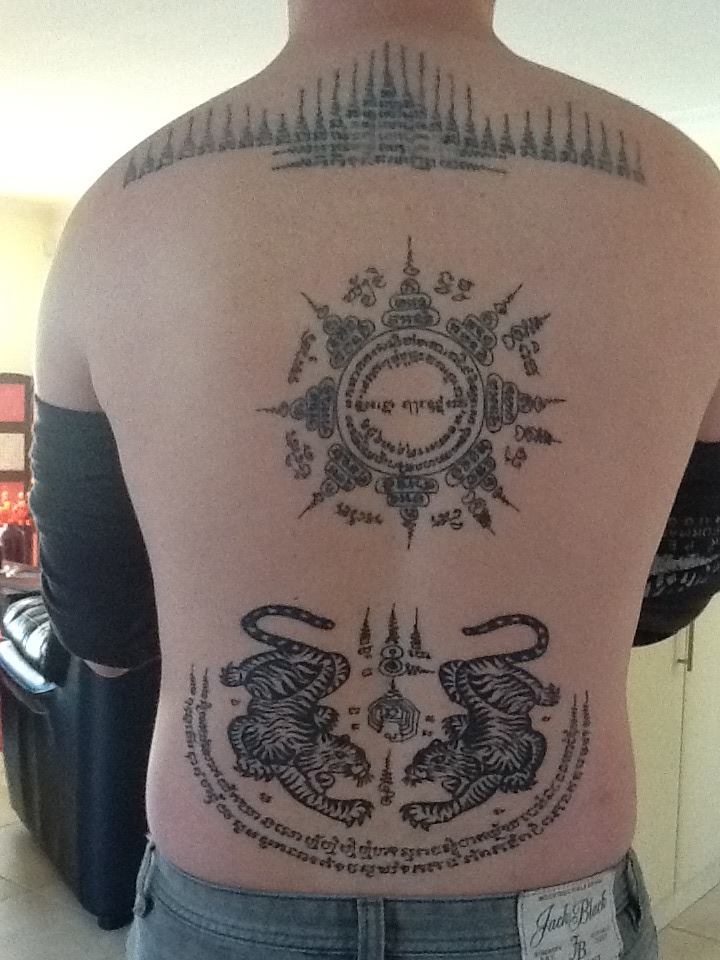

Questions people ask about Sak Yant
What does Sak Yant mean?
The term comes from Khmer words meaning 'to prick' and 'sacred instrument'. It refers to the act of tattooing sacred geometry onto the skin to create a spiritual tool.
Where did this tradition start?
It began in the Khmer Empire in the ninth century, building on indigenous tattooing practices that date back thousands of years to 2500 BCE.
What powers do these tattoos give?
They are believed to offer protection from harm, increase luck and charisma, and provide strength. Some designs are said to invoke fear in others.
Who gets Sak Yant tattoos?
People in dangerous jobs like soldiers and police get them for protection. Others seek them for general fortune, wealth, or personal influence.
Good reading and sources
- Yantra tattooing on WikipediaEncyclopedia
- More photos on Wikimedia CommonsPhotos and video
- Wikidata recordOpen data
The facts on this page come from the Wikipedia article "Yantra tattooing", written by its contributors and used under the CC BY-SA 4.0 licence, and from its Wikidata record (CC0). EveryJaadu rewrote the text in its own words, with AI assistance, and compares every page with the article to make sure no passage is copied. It may be reused under the same CC BY-SA 4.0 licence with a link back.
It may contain mistakes. Names and customs differ from one community to the next, and some knowledge is closed to outsiders and left out here. This page describes belief and practice. It does not say that any of it works, it is not a how-to, and it is not medical advice. If something is wrong, tell us. Last refreshed 2026-10-05.
More from Cambodia
All the entries from Cambodia 🇹🇭 Thailand and 7 moreSpirit house
A small roofed shrine that shelters a place's protective spiritCharm · Protection Living
🇹🇭 Thailand and 7 moreSpirit house
A small roofed shrine that shelters a place's protective spiritCharm · Protection Living
 🇲🇾 Malaysia and 5 morePenanggalan
A floating head with trailing organs from Malay folklore, said to hunt pregnant women and newborns.Being · Cursing and harm Legendary
🇲🇾 Malaysia and 5 morePenanggalan
A floating head with trailing organs from Malay folklore, said to hunt pregnant women and newborns.Being · Cursing and harm Legendary
 🇨🇳 China and 5 moreGhost FestivalZhongyuan Festival; Yulanpen Festival
A festival to feed wandering spirits and guide them home during the seventh lunar month.Tradition · Speaking with spirits and the dead · Protection Living
🇨🇳 China and 5 moreGhost FestivalZhongyuan Festival; Yulanpen Festival
A festival to feed wandering spirits and guide them home during the seventh lunar month.Tradition · Speaking with spirits and the dead · Protection Living
 🇮🇳 India and 5 moreAncestor worship
Rites of respect for the dead that maintain family bonds and seek spiritual guidanceTradition · Protection · Speaking with spirits and the dead Living
🇮🇳 India and 5 moreAncestor worship
Rites of respect for the dead that maintain family bonds and seek spiritual guidanceTradition · Protection · Speaking with spirits and the dead Living
Related elsewhere
All tradition 🇨🇳 China and 3 moreChinese dragon龍
A legendary water deity and imperial symbol in East Asian cultureBeing · Protection · Luck and prosperity Historical
🇨🇳 China and 3 moreChinese dragon龍
A legendary water deity and imperial symbol in East Asian cultureBeing · Protection · Luck and prosperity Historical
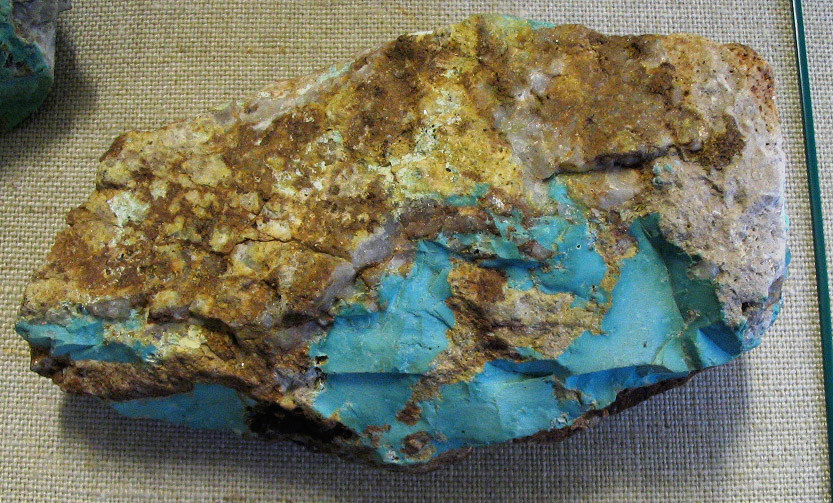 🇮🇷 Iran and 5 moreTurquoise
An opaque blue-green gemstone prized for its color since ancient timesSubstance · Protection · Luck and prosperity Living
🇮🇷 Iran and 5 moreTurquoise
An opaque blue-green gemstone prized for its color since ancient timesSubstance · Protection · Luck and prosperity Living
 🇨🇳 China and 5 moreFeng shui風水
A Chinese geomantic practice for aligning structures with cosmic energyTradition · Protection · Luck and prosperity Living
🇨🇳 China and 5 moreFeng shui風水
A Chinese geomantic practice for aligning structures with cosmic energyTradition · Protection · Luck and prosperity Living
 🇮🇳 India and 5 moreAstrology
A divinatory practice that reads human fate through the positions of celestial bodies.Belief · Seeing and foretelling · Luck and prosperity Living
🇮🇳 India and 5 moreAstrology
A divinatory practice that reads human fate through the positions of celestial bodies.Belief · Seeing and foretelling · Luck and prosperity Living