
Witchcraft in Africa
Beliefs about supernatural harm and the social responses to accusations across the continent
Across many African societies, witchcraft refers to hidden powers used to cause misfortune or serve personal interests. These beliefs shape daily life, politics and community relations, though definitions vary widely between groups.
- Azande poison oracle uses chickens to reveal guilt
- Child witchcraft accusations lead to abuse in Malawi
- Evans-Pritchard proved Azande beliefs were logical
- Djambe force includes healing and shapeshifting
- Maka people link djambe to occult harm
What it is
In many parts of Africa, witchcraft describes a metaphysical force or innate power that individuals use to cause harm or pursue self-interest. It is often viewed as a substance within certain people rather than a learned skill. This concept differs from sorcery, which involves rituals or medicines. Beliefs vary by region, but the core idea remains the intentional use of invisible means to disrupt lives. The term itself is sometimes criticised by scholars for being too broad, masking specific local understandings of spiritual harm and social tension.
Where it comes from
Pre-colonial societies held diverse views on supernatural power, ranging from healing abilities to malevolent forces. European colonial authorities later labelled these indigenous practices as irrational and backward, attempting to suppress them through criminalisation. This external pressure created a complex mix of traditional beliefs and foreign religions like Christianity. In the post-independence era, legal systems have struggled to address these deep-rooted beliefs, leading to ongoing tensions between state law and customary understanding of spiritual harm.
How it is done
Communities use various methods to identify suspected practitioners. Oracles play a key role, such as the poison oracle among the Azande, which uses a poisoned chicken to reveal guilt. Divination helps predict future tragedies and confirm suspicions. Accusations are not random; they often follow visible social tensions or economic rivalry. Once identified, individuals may face ostracism or formal trials, though mob violence frequently occurs outside official channels.
Tools and materials
Tools depend heavily on the specific tradition. The Azande rely on oracles, including the poison oracle with its chickens, the termite oracle, and the rubbing-board oracle. Witch doctors use medicinal herbs to enhance their ritual power. Sangomas in Zulu culture use divination bones and mediumship to protect communities. These items serve as bridges between the physical world and the spiritual realm, helping to uncover hidden truths about misfortune and intent.
Witchcraft in Africa, drawn and placed
- Living
- Revived
- Fading
- Historical
- Legendary
- Performed
What it is for
People seek to understand why misfortune strikes, whether it be illness, death or crop failure. Witchcraft beliefs provide a logical framework for these events, attributing them to human envy or malice rather than chance. Healers and diviners are consulted to offer protection against evil spirits and witches. For some groups, accusations serve as a way to enforce social norms and address grievances within the village structure.
Who does it
Specialists like diviners and healers mediate between the community and the spiritual world. Among the Azande, witch doctors undergo extensive training to interpret omens and perform rituals. Sangomas in South Africa use divination to ward off harm. Traditional leaders often hold authority over these matters, though Christian pastors also intervene in modern contexts. The status of accused individuals varies; older women and widows are frequently targeted, while powerful men may escape scrutiny due to their influence.
Peoples and places
The Azande view witchcraft as hereditary and gender-specific, passed from parent to child. The Maka of Cameroon believe in djambe, an occult force linked to shapeshifting and harm. The Tio society historically linked witchcraft to household unity and feuds. Zulu sangomas protect against evil through ritual. The Mende people of Sierra Leone sometimes view convictions as beneficial, providing care for the accused. These variations show how local history shapes the understanding of spiritual danger.
At a glance: who, where and when
Who does it
Belief worlds
Occasions


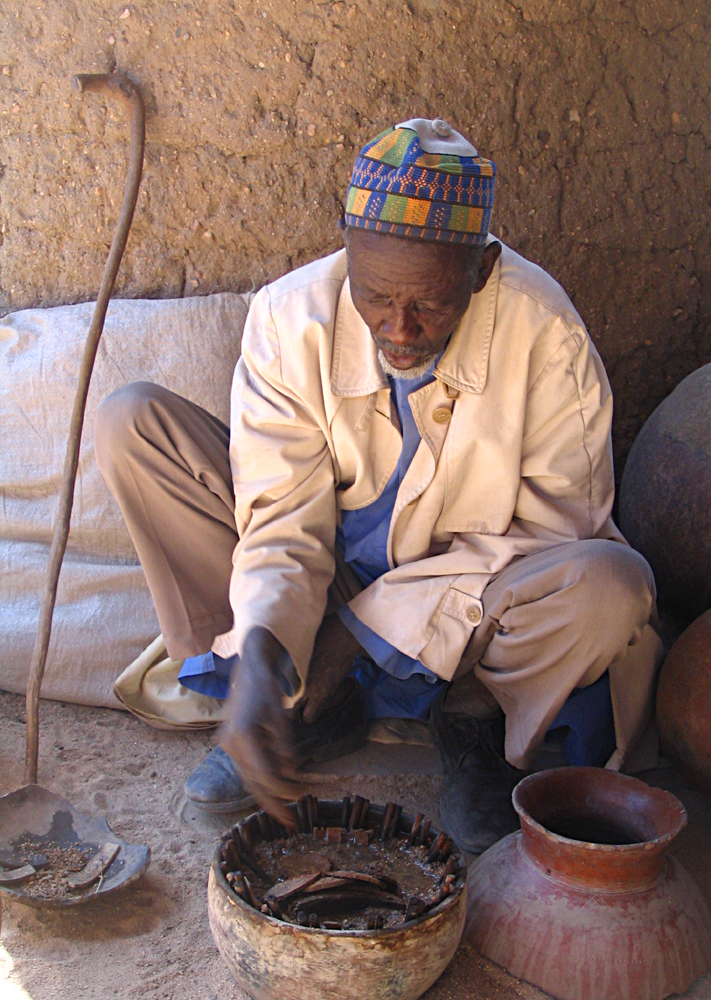
What people believe
Witchcraft is often seen as a denial of religion, rejecting sacredness in favour of control over one's fate. It operates within a zero-sum worldview where resources are scarce and envy drives action. This belief system addresses the 'why' of suffering, offering a coherent logic for tragedy. It is not merely superstition but a social commentary on inequality, power dynamics and the breakdown of reciprocity in kinship networks.
How scholars and sceptics see it
Anthropologists like E. E. Evans-Pritchard argued that African witchcraft is a rational system compatible with empirical evidence, challenging colonial views of it as primitive. Scholars note it functions as social commentary on modernity and capitalism. Recent interpretations focus on how accusations reflect economic inequality and political tension. Critics argue the term 'witchcraft' obscures local nuances. Researchers highlight how beliefs impact development and healthcare, noting that suspicion of modern medicine can have serious consequences for public health.
Cautions and what is closed
Accused individuals face severe risks, including ostracism, assault and murder. In the Central African Republic, hundreds are convicted yearly, often facing violence. West Kenya has seen mobs burn accused witches in their homes. Malawi struggles with child witchcraft accusations, leading to abuse and abandonment. Nigeria sees cases of torture and killing driven by profit-motivated religious figures. These vigils often escalate when traditional courts decline and state laws fail to incorporate local beliefs, leaving vulnerable groups exposed to lethal retaliation.
Questions people ask about Witchcraft in Africa
What is witchcraft in Africa?
It is a belief in hidden supernatural powers used to cause harm or serve personal interests. It varies by group but generally involves innate abilities rather than learned spells. It shapes social reality and explains misfortune.
How do people identify witches?
Communities use oracles and divination. The Azande use poison oracles with chickens. Witch doctors perform rituals with herbs. Diviners interpret signs to find the source of evil magic and predict future tragedies.
Is witchcraft considered irrational?
Scholars like Evans-Pritchard argue it is a coherent logical system. It addresses why misfortune happens rather than how. Colonial views called it backward, but anthropologists see it as a rational response to social tension and scarcity.
What happens to accused witches?
They face ostracism, assault or murder. Mob violence occurs in places like Kenya and the Central African Republic. Child accusations in Malawi lead to abandonment. Some communities view conviction as a way to provide care for the accused.
Good reading and sources
The facts on this page come from the Wikipedia article "Witchcraft in Africa", written by its contributors and used under the CC BY-SA 4.0 licence, and from its Wikidata record (CC0). EveryJaadu rewrote the text in its own words, with AI assistance, and compares every page with the article to make sure no passage is copied. It may be reused under the same CC BY-SA 4.0 licence with a link back.
It may contain mistakes. Names and customs differ from one community to the next, and some knowledge is closed to outsiders and left out here. This page describes belief and practice. It does not say that any of it works, it is not a how-to, and it is not medical advice. If something is wrong, tell us. Last refreshed 2026-10-06.
More from the Central African Republic
All the entries from the Central African Republic 🇸🇸 South Sudan and 1 moreAzande witchcraft
A Zande belief that certain people harm others by an inherited power, judged by oraclesBelief · Cursing and harm · Seeing and foretelling Living
🇸🇸 South Sudan and 1 moreAzande witchcraft
A Zande belief that certain people harm others by an inherited power, judged by oraclesBelief · Cursing and harm · Seeing and foretelling Living
 🇩🇪 Germany and 5 moreWitchcraft accusations against children
Historical and modern persecution of children blamed for witchcraftBelief · Cursing and harm Living
🇩🇪 Germany and 5 moreWitchcraft accusations against children
Historical and modern persecution of children blamed for witchcraftBelief · Cursing and harm Living
Related elsewhere
All belief 🇫🇷 FranceLady of the LakeDame du Lac
A water spirit who raises knights and captures wizards in Arthurian talesFigure · Protection · Cursing and harm Legendary
🇫🇷 FranceLady of the LakeDame du Lac
A water spirit who raises knights and captures wizards in Arthurian talesFigure · Protection · Cursing and harm Legendary
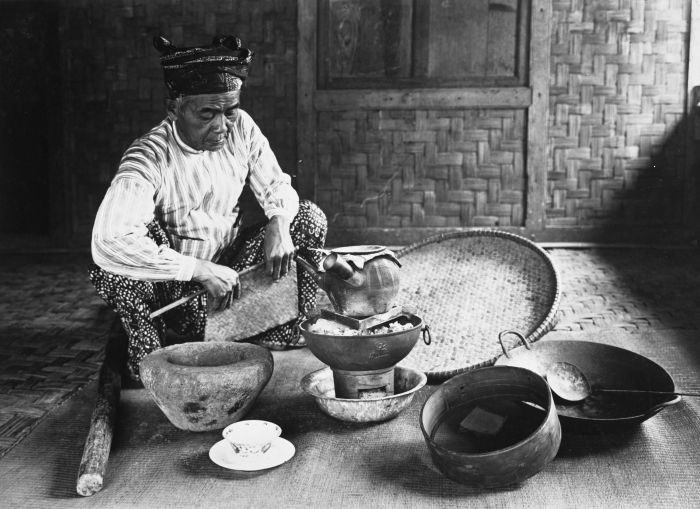 🇮🇩 Indonesia and 2 moreDukun
A traditional healer and spirit medium in Indonesian folk practiceTradition · Healing · Seeing and foretelling Living
🇮🇩 Indonesia and 2 moreDukun
A traditional healer and spirit medium in Indonesian folk practiceTradition · Healing · Seeing and foretelling Living
 🇮🇳 India and 1 moreYoginiयोगिनी
A female master of yoga and tantra, or a fierce goddess aspect in Indian temples.Tradition · Power and authority · Protection Historical
🇮🇳 India and 1 moreYoginiयोगिनी
A female master of yoga and tantra, or a fierce goddess aspect in Indian temples.Tradition · Power and authority · Protection Historical