Nganga
from Kikongo for expert, or Proto-Bantu for medicine
A spiritual healer and ritual specialist in Kongo religion and its diaspora traditions
The nganga is a traditional healer and diviner from the Kongo peoples of Central Africa. The role spread to the Americas and Southern Africa through the Atlantic slave trade and cultural exchange. Practitioners use sacred objects and ancestral communication to address illness and misfortune.
- Nganga means expert in Kikongo and medicine in Proto-Bantu
- Banganga trained extensively to commune with ancestors in Kongo
- Nkisi are sacred objects housing spiritual forces for protection
- White masks symbolize justice, truth, and ancestral presence
- Practice spread to Cuba, Brazil, and US via Atlantic slave trade
What it is
A nganga serves as a spiritual mediator, healer, and diviner within traditional Kongo religious frameworks. This figure bridges the physical world and the spirit realm to resolve health issues and social conflicts. The practice extends beyond Central Africa into regions where Kongo and Mbundu populations were displaced by the slave trade. In these diasporic communities, the nganga adapts local beliefs while maintaining core functions of spiritual guidance and protection.
Where it comes from
The term originates in the Kikongo language, meaning expert, with roots in the Proto-Bantu word for medicine. Historical records show banganga operating in the Kingdom of Kongo and Ndongo. These specialists underwent rigorous training to interact with ancestors. The role evolved during colonial periods, sometimes overlapping with Christian titles like priest. Variations of the term appear across Bantu-speaking regions, reflecting shared linguistic heritage.
How it is done
Practitioners engage in rituals involving sacred objects known as nkisi. These items house spiritual forces intended to heal or protect owners. Healers may apply body paint using white, red, and yellow pigments to signify spiritual sight and protection. Divination techniques help identify causes of misfortune. Rituals often include animal sacrifice to animate protective figures. Costumes mimic the nkisi, creating a frightening appearance to ward off evil.
Tools and materials
The primary tool is the nkisi, a container for spiritual energy. Materials include forest dirt, volcanic ash, and ancestor remains. Masks, particularly white ones representing justice and truth, are worn by Yombe nganga. Animal skins, feathers, and teeth form part of the ceremonial dress. Bells and seedpods add auditory elements to performances. Herbs and medical advice accompany spiritual interventions.
Nganga, drawn and placed
- Living
- Revived
- Fading
- Historical
- Legendary
- Performed
- Lineage
- Traditional Kongo religion
- Timing
- during illness, social stress, or crisis
What it is for
Nganga address illness, bad luck, and community tension. They seek ancestral guidance to diagnose problems unseen by ordinary people. The role includes blessing individuals and protecting homes from harm. In some contexts, they offer advice on life matters and legal disputes. Patients consult them when Western medicine fails or for spiritual emergencies.
Who does it
Training involves extensive study of spiritual realms and medicinal knowledge. Some nganga receive instructions through dreams from specific spirits. The role requires mastering the creation of nkisi figures. Gender does not strictly limit access, though historical accounts vary. Status is earned through demonstrated ability to communicate with ancestors and heal effectively.
Peoples and places
The Kongo and Mbundu peoples maintain the original tradition. In Zimbabwe, Shona n'anga perform similar healing roles. South African inyanga and sangoma share aspects of herbalism and divination. Diasporic communities in Cuba and Brazil adapted the concept into Palo and Hoodoo practices. Each group modifies the practice to fit local cultural norms while preserving core spiritual functions.
At a glance: who, where and when
Who does it
Belief worlds
Occasions


What people believe
The worldview centers on ancestor spirits who influence daily life. Spiritual forces reside in natural objects and require proper activation. Illness stems from spiritual imbalance or malicious intent. Ancestors provide wisdom to those trained to listen. The spirit world mirrors the physical one, requiring respect and correct protocol. Justice and truth are maintained through spiritual intervention.
When it is done
Rituals occur during health crises or social disturbances. Specific ceremonies align with ancestral veneration needs. No fixed calendar dates govern all practices; timing depends on perceived spiritual urgency. Life events like births or deaths may trigger consultations. Seasonal changes can influence the preparation of medicinal materials.
How scholars and sceptics see it
Anthropologists view nganga as key figures in maintaining social cohesion. Historians note their adaptation to colonial religious structures. Researchers analyze nkisi as complex symbols of agency and memory. Skeptics interpret healing claims as psychological support or placebo effects. Studies highlight the intellectual sophistication of traditional diagnostic methods.
Cautions and what is closed
Misuse of spiritual power is feared within communities. Fraudulent practitioners risk losing social standing. Some rituals involve animal sacrifice, which faces modern legal restrictions. Outsiders may encounter closed knowledge systems that restrict initiation. Health risks arise if serious illnesses are treated solely through spiritual means without medical care.
Compare and confuse
The nganga resembles other African traditional healers like the sangoma or inyanga. Cuban paleros use similar concepts but focus on vessel-based magic. Hoodoo practitioners in the US share ancestry but emphasize different tools. The term overlaps with general words for healer in many Bantu languages. Distinctions lie in specific ritual techniques and regional variations.
Rites that involve Nganga
Questions people ask about Nganga
What is a nganga?
A nganga is a spiritual healer and diviner from Kongo religion. They mediate between the living and ancestors to cure illness and resolve social conflict. The role exists in Central Africa and diasporic communities worldwide.
Where does the term come from?
The word derives from Kikongo, meaning expert. It links to Proto-Bantu roots for medicine. Variations appear across Bantu languages, reflecting shared cultural and linguistic history among diverse African groups.
What tools do they use?
Practitioners use nkisi, containers for spiritual energy. Materials include herbs, ancestor remains, and natural elements. Ceremonial dress features animal skins, masks, and body paint to signify spiritual authority and protection.
How do they diagnose illness?
Nganga divine causes through ancestral communication. They identify spiritual imbalances or malicious forces. Body paint marks, like white circles around eyes, symbolize the ability to see hidden sources of harm and disease.
Good reading and sources
The facts on this page come from the Wikipedia article "Nganga", written by its contributors and used under the CC BY-SA 4.0 licence, and from its Wikidata record (CC0). EveryJaadu rewrote the text in its own words, with AI assistance, and compares every page with the article to make sure no passage is copied. It may be reused under the same CC BY-SA 4.0 licence with a link back.
It may contain mistakes. Names and customs differ from one community to the next, and some knowledge is closed to outsiders and left out here. This page describes belief and practice. It does not say that any of it works, it is not a how-to, and it is not medical advice. If something is wrong, tell us. Last refreshed 2026-10-06.
More from the Democratic Republic of the Congo
All the entries from the Democratic Republic of the Congo
🇦🇴 Angola and 2 moreKongo religionBukongo
The animistic beliefs and ancestor veneration of the Bakongo people in Central AfricaTradition · Speaking with spirits and the dead · Protection Living
 🇨🇫 Central African Republic and 5 moreWitchcraft in Africa
Beliefs about supernatural harm and the social responses to accusations across the continentBelief · Cursing and harm · Protection Living
🇨🇩 Democratic Republic of the CongoKindoki
A belief in spirit possession that leads to abuse and abandonment in the Congo regionBelief · Cursing and harm Living
🇨🇫 Central African Republic and 5 moreWitchcraft in Africa
Beliefs about supernatural harm and the social responses to accusations across the continentBelief · Cursing and harm · Protection Living
🇨🇩 Democratic Republic of the CongoKindoki
A belief in spirit possession that leads to abuse and abandonment in the Congo regionBelief · Cursing and harm Living
 🇺🇸 United States and 5 moreMojo bag
A cloth pouch holding charms for protection, luck, or love in the Hoodoo tradition.Charm · Protection · Healing Living
🇺🇸 United States and 5 moreMojo bag
A cloth pouch holding charms for protection, luck, or love in the Hoodoo tradition.Charm · Protection · Healing Living
Related elsewhere
All tradition 🇨🇺 Cuba and 2 moreSanteríaRegla de Ocha
An Afro-Cuban religion blending Yoruba beliefs with Catholicism and SpiritismTradition · Protection · Healing Living
🇨🇺 Cuba and 2 moreSanteríaRegla de Ocha
An Afro-Cuban religion blending Yoruba beliefs with Catholicism and SpiritismTradition · Protection · Healing Living
 🇺🇸 United StatesKahuna
A Hawaiian expert or priest, keeper of hidden knowledge in craft and spiritTradition · Healing · Seeing and foretelling Living
🇺🇸 United StatesKahuna
A Hawaiian expert or priest, keeper of hidden knowledge in craft and spiritTradition · Healing · Seeing and foretelling Living
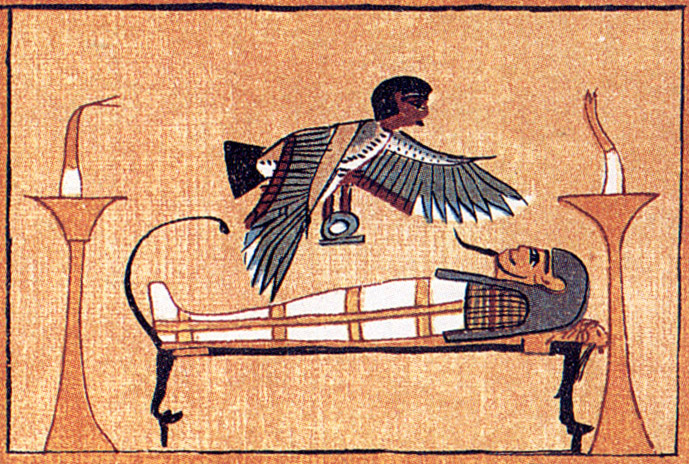 🇸🇪 Sweden and 1 moreSoul flight
A trance practice where the spirit leaves the body to visit other realmsRite · Healing · Seeing and foretelling Historical
🇸🇪 Sweden and 1 moreSoul flight
A trance practice where the spirit leaves the body to visit other realmsRite · Healing · Seeing and foretelling Historical
 🇨🇱 Chile and 1 moreMachi
Mapuche spiritual authorities and healers who bridge herbal knowledge and spirit realmsTradition · Healing · Speaking with spirits and the dead Living
🇨🇱 Chile and 1 moreMachi
Mapuche spiritual authorities and healers who bridge herbal knowledge and spirit realmsTradition · Healing · Speaking with spirits and the dead Living