
Zār
In its own language: زار
Unclear origins; possibly from Arabic 'to visit', Persian city Zara, or Hebrew 'to turn aside'
A spirit possession tradition and healing ritual in the Horn of Africa and Middle East
Zār is a belief system found across Egypt, Sudan, Ethiopia, and parts of the Middle East. It involves spirits that possess people, mostly women, causing illness or distress. The practice focuses on appeasing these spirits through music, dance, and offerings to restore health.
- Zār rituals use the tanbūra lyre to induce trance states
- The practice aims to appease spirits rather than expel them
- Women dominate participation in most zār gatherings
- Sudan distinguishes between bori and tumbura varieties
- Historical leader Zainab of Sennar shaped modern zār
What it is
Zār refers to a complex cultural phenomenon in the Horn of Africa and the Middle East. It centers on spirits believed to inhabit individuals, typically women, and cause physical or mental discomfort. The term covers the spirits themselves, the ceremonies used to manage them, and the afflicted person. Unlike exorcism, which seeks to expel spirits, zār rituals aim to reconcile with the possessing entity. This process, known as adorcism, involves identifying the spirit’s preferences and establishing a peaceful relationship through regular gatherings.
Where it comes from
Scholars debate the roots of zār, with theories pointing to West African curing practices, Persian influences, or ancient Ethiopian traditions. The earliest written mention of the word in Ethiopia dates to the sixteenth century, though the rituals likely predate this record. Some accounts suggest the practice arrived in Iran via the Indian Ocean slave trade in the nineteenth century. In Sudan, it may have been introduced by enslaved Africans or developed locally among indigenous groups. Historical figures like Zainab of Sennar helped shape and spread the tradition across regions.
How it is done
Gatherings often last three to seven nights and feature food, music, and ecstatic dancing. A key instrument is the tanbūra, a six-string bowl lyre played to induce trance states. Participants wear a manjur, a leather belt adorned with goat hooves, which rattles during performances. Offerings such as specific foods, drinks, or animals are made to appease the spirit. The rituals vary by region, with some emphasizing fortune-telling and others focusing on group therapy or entertainment.
Tools and materials
The tanbūra is central to many zār ceremonies, providing the rhythmic foundation for trance induction. The manjur belt serves as both a musical instrument and a symbol of status within the cult. Other tools include various percussion instruments and specific offerings tailored to the spirit’s tastes. In some Sudanese varieties, the nugāra drum replaces the lyre. Materials like blood, grease, and butter were historically used in older healing concoctions.
Zār, drawn and placed
- Living
- Revived
- Fading
- Historical
- Legendary
- Performed
- Lineage
- African Traditional Religions and Islamic folk practices
- Timing
- Three to seven nights, holidays, or during illness crises
What it is for
The primary goal is healing those suffering from spirit-induced illness or distress. By identifying the possessing spirit and fulfilling its demands, practitioners hope to remove the affliction. Beyond health, zār provides social support and entertainment, particularly for women in urban areas like Cairo. It offers a space for community bonding and emotional release, functioning similarly to secular social gatherings but within a spiritual framework.
Who does it
Leaders, often called balazars or bori leaders, guide the rituals. These individuals undergo years of apprenticeship to learn how to identify spirits and conduct ceremonies. Historically, the practice was dominated by women, though some varieties involve men or marginalized groups. Leaders like Zainab of Sennar gained significant influence, serving as healers, historians, and community organizers. Their authority often passed down through family lines or mentorship.
Peoples and places
Zār is widespread across Egypt, Sudan, Ethiopia, and parts of the Middle East. In Ethiopia, it includes conversion, seer, and group therapy varieties. Somali communities practice saar with numerous sub-types. In Sudan, distinctions exist between bori, practiced by free-born women, and tumbura, associated with descendants of slaves. These variations reflect local histories, social structures, and ethnic identities, showing how the tradition adapts to different environments.
At a glance: who, where and when
Who does it
Belief worlds


What people believe
Practitioners believe spirits cause illness by demanding attention or specific offerings. These entities are often linked to foreign cultures, historical events, or natural elements. The worldview sees possession not as purely negative but as a relationship that can be managed. Spirits are categorized into hierarchies, each with unique personalities and requirements. Appeasing them restores balance to the individual’s life, integrating the spiritual and physical worlds.
When it is done
Rituals occur during crises of illness or at scheduled intervals to maintain peace with spirits. Many gatherings align with religious or secular holidays, blending spiritual practice with community celebration. In urban centers, zār functions as a regular social activity, with sessions held weekly or monthly. Specific festivals may trigger heightened spiritual activity, requiring more intensive ceremonies to address collective needs.
How scholars and sceptics see it
Anthropologists view zār as a form of social control and therapeutic expression. Historians trace its evolution through slave trade routes and colonial encounters. Psychologists interpret trance states as mechanisms for coping with stress and trauma. Skeptics often dismiss the spirits as hallucinations or cultural constructs. Scholars note the flexibility of the tradition, adapting to Islamic norms while retaining indigenous elements of African traditional religion.
Cautions and what is closed
Misunderstandings often arise when outsiders label zār as mere superstition or demonic possession. Stigma can affect participants, particularly women, who may face social exclusion. Fraudulent healers sometimes exploit vulnerable individuals for financial gain. The practice remains closed to outsiders in many contexts, with detailed knowledge reserved for initiates. Misuse of ritual materials or disrespect toward spirits is believed to worsen afflictions.
Compare and confuse
Zār shares similarities with other possession traditions like Maghreb Hamadsha and Hausa bori. It differs from Western exorcism by seeking accommodation rather than expulsion. In Latin America, comparable practices include curanderismo, though the spiritual frameworks differ. The term is sometimes confused with general witchcraft, but zār specifically addresses spirit interaction. Regional variations highlight how similar beliefs adapt to local languages and customs.
Rites that involve Zār
Questions people ask about Zār
What is zār?
Zār is a spirit possession tradition found in the Horn of Africa and Middle East. It involves spirits causing illness, which are appeased through music and offerings to restore health.
Where does zār come from?
Origins are debated, with theories linking it to West African, Persian, or Ethiopian roots. It spread through trade routes and slave movements, adapting to local cultures across Egypt, Sudan, and Ethiopia.
Who participates in zār?
Mostly women participate, though some varieties involve men or marginalized groups. Leaders guide rituals, offering healing and social support within their communities.
How is zār different from exorcism?
Exorcism seeks to expel spirits, while zār focuses on reconciliation. Practitioners identify the spirit’s needs and establish a peaceful relationship through regular ceremonies and offerings.
What instruments are used?
The tanbūra, a six-string bowl lyre, is central to many rituals. Other tools include the manjur belt with goat hooves and various drums, creating rhythms for trance and dance.
Good reading and sources
- Zār on WikipediaEncyclopedia
- More photos on Wikimedia CommonsPhotos and video
- Wikidata recordOpen data
The facts on this page come from the Wikipedia article "Zār", written by its contributors and used under the CC BY-SA 4.0 licence, and from its Wikidata record (CC0). EveryJaadu rewrote the text in its own words, with AI assistance, and compares every page with the article to make sure no passage is copied. It may be reused under the same CC BY-SA 4.0 licence with a link back.
It may contain mistakes. Names and customs differ from one community to the next, and some knowledge is closed to outsiders and left out here. This page describes belief and practice. It does not say that any of it works, it is not a how-to, and it is not medical advice. If something is wrong, tell us. Last refreshed 2026-10-05.
More from Egypt
All the entries from Egypt 🇮🇳 India and 5 moreAstrology
A divinatory practice that reads human fate through the positions of celestial bodies.Belief · Seeing and foretelling · Luck and prosperity Living
🇮🇳 India and 5 moreAstrology
A divinatory practice that reads human fate through the positions of celestial bodies.Belief · Seeing and foretelling · Luck and prosperity Living
 🇪🇬 EgyptCurse
A spoken wish for misfortune to befall a person or placeBelief · Cursing and harm · Luck and prosperity Historical
🇪🇬 EgyptCurse
A spoken wish for misfortune to befall a person or placeBelief · Cursing and harm · Luck and prosperity Historical
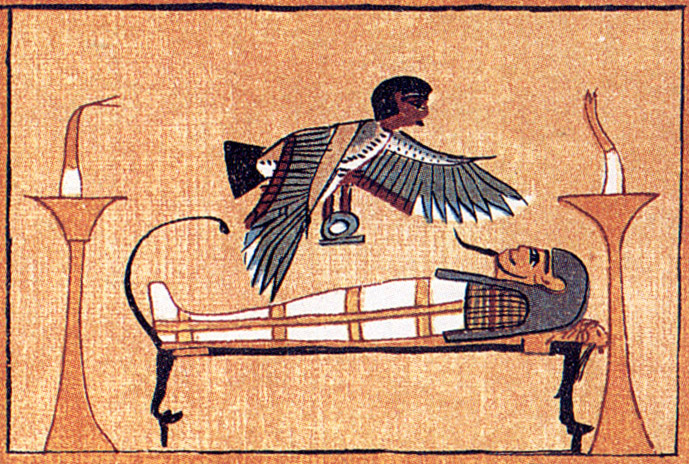 🇸🇪 Sweden and 1 moreSoul flight
A trance practice where the spirit leaves the body to visit other realmsRite · Healing · Seeing and foretelling Historical
🇸🇪 Sweden and 1 moreSoul flight
A trance practice where the spirit leaves the body to visit other realmsRite · Healing · Seeing and foretelling Historical
 🇱🇾 Libya and 4 moreTraditional Berber religionAmazigh religion
Ancient beliefs of Northwest Africa centered on celestial bodies, caves, and ancestors.Tradition · Speaking with spirits and the dead · Luck and prosperity Historical
🇱🇾 Libya and 4 moreTraditional Berber religionAmazigh religion
Ancient beliefs of Northwest Africa centered on celestial bodies, caves, and ancestors.Tradition · Speaking with spirits and the dead · Luck and prosperity Historical
Related elsewhere
All tradition 🇰🇷 South Korea and 3 moreKorean shamanism무속
A Korean folk religion centered on ritual specialists who mediate between humans and spiritsTradition · Protection · Healing Living
🇰🇷 South Korea and 3 moreKorean shamanism무속
A Korean folk religion centered on ritual specialists who mediate between humans and spiritsTradition · Protection · Healing Living
 🇰🇷 South Korea and 1 moreKorean shamanismKorean shamanism (Korean: Korean shamanism)
A traditional practice of ritual specialists who mediate between the human and spirit worlds.Tradition · Healing · Protection Living
🇰🇷 South Korea and 1 moreKorean shamanismKorean shamanism (Korean: Korean shamanism)
A traditional practice of ritual specialists who mediate between the human and spirit worlds.Tradition · Healing · Protection Living
 🇷🇺 Russia and 3 moreSiberian shamanism
The spirit-journey practices of North Asian peoples and their linguistic relativesTradition · Healing · Speaking with spirits and the dead Fading
🇷🇺 Russia and 3 moreSiberian shamanism
The spirit-journey practices of North Asian peoples and their linguistic relativesTradition · Healing · Speaking with spirits and the dead Fading
 🇲🇳 Mongolia and 2 moreMongolian shamanismBöö mörgöl
The animistic and shamanic ethnic religion of the Mongol peoples, centered on sky worship and ancestral spirits.Tradition · Protection · Healing Living
🇲🇳 Mongolia and 2 moreMongolian shamanismBöö mörgöl
The animistic and shamanic ethnic religion of the Mongol peoples, centered on sky worship and ancestral spirits.Tradition · Protection · Healing Living