
Witch doctor
from English witch and doctor, originally meaning an expert in counter-witchcraft
A traditional healer who identifies supernatural causes of illness and performs rituals to restore balance.
The term describes a ritual specialist in African and European traditions who diagnoses spiritual afflictions and prescribes remedies. Practitioners use divination, herbal medicine, and ceremony to address misfortune, acting as intermediaries between the physical and spiritual worlds.
- First recorded in English in 1718 by Francis Hutchinson
- Sangomas in South Africa serve as community healers
- Term shifted to African shamans by 1836
- Linked to albino killings in Tanzania
- Training involves apprenticeship and spiritual signs
What it is
A witch doctor is a traditional practitioner who employs divination, rituals, and herbal remedies to identify supernatural causes of illness. The role involves diagnosing conditions attributed to malevolent spirits, witchcraft, or spiritual imbalance. Historically, the term denoted an expert in counter-witchcraft rather than a practitioner of it. In many contexts, the title is used interchangeably with shaman or medicine man to describe ritual specialists who address spiritual, emotional, and social dimensions of health through ceremony and symbolic action.
Where it comes from
The phrase first appeared in English records in 1718 within Francis Hutchinson’s work on witchcraft. Early usage described individuals who protected communities from sorcery. By 1836, the term shifted to refer to African shamans in writings by Robert Montgomery Martin. European observers applied the label to indigenous healers across Africa and Central America. The concept reflects a cross-cultural understanding of ritual specialists who manage misfortune through spiritual intervention and medicinal knowledge.
How it is done
Practitioners diagnose ailments by interpreting dreams, visions, and spiritual signs. Treatment involves herbal preparations, charms, and ceremonies featuring song and dance. These rituals aim to restore harmony between the patient, the community, and the spirit world. The process integrates practical herbalism with symbolic actions to address both physical symptoms and social discord.
Tools and materials
Healers utilize medicinal plants prepared into concoctions for consumption or application. Divination tools help identify hidden causes of illness. Ritual objects include charms worn for protection and substances used in cleansing ceremonies. Song, dance, and symbolic gestures serve as communication methods with spirits. The specific materials vary by region, but all focus on bridging the physical and spiritual realms to facilitate recovery.
Witch doctor, drawn and placed
- Living
- Revived
- Fading
- Historical
- Legendary
- Performed
- Lineage
- traditional healing systems
- Timing
- during illness, crisis, or community festivals
What it is for
The primary goal is to heal individuals suffering from conditions believed to have supernatural origins. Practitioners also protect communities from witchcraft and malevolent forces. They mediate disputes and advise leaders on matters affecting social cohesion. Ceremonies often address agricultural fertility, rainfall cycles, and rites of passage. The work reinforces community bonds and maintains cultural continuity by linking individual well-being to collective harmony.
Who does it
Sangomas in southern Africa undergo years of apprenticeship under experienced healers. Training often begins after a candidate experiences spiritual signs, dreams, or lineage calls. Apprentices learn to prepare medicines, interpret visions, and master ceremonial songs. Mentors emphasize ethical conduct, respect for patients, and authority within the community. The role requires deep knowledge of local flora, spiritual cosmology, and social dynamics to effectively guide clients.
Peoples and places
In southern Africa, Sangomas serve as central figures in community health and spiritual life. Among the Mentawai people of Indonesia, shamans perform rituals to restore balance using altered states of consciousness. In historical England, cunning men acted as local experts in counter-witchcraft and charm-casting. These groups share a focus on holistic healing but differ in specific rituals, plant knowledge, and spiritual frameworks. The term bridges diverse traditions that view health as an integration of body, mind, and spirit.
At a glance: who, where and when
Who does it
Belief worlds
Occasions


What people believe
Illness is often viewed as a symptom of spiritual imbalance, ancestral displeasure, or external magical attack. Spirits and ancestors play a crucial role in guiding healers and influencing human affairs. Health encompasses emotional, social, and physical well-being, requiring restoration of relationships within the community. Misfortune is interpreted through a lens of cosmic order, where rituals realign the individual with broader natural and spiritual cycles. This worldview treats the visible and invisible worlds as interconnected.
Cautions and what is closed
In Tanzania, some witch doctors have been linked to violent crimes against people with albinism. Beliefs exist that albino body parts confer wealth or luck, leading to murders and kidnappings. The Tanzanian government banned the practice in 2015 to prevent further attacks. Such harms highlight the dangers when traditional beliefs are exploited for material gain. These incidents stand in contrast to the restorative goals of most traditional healing practices.
Compare and confuse
The term is frequently confused with shaman or medicine man, reflecting similar roles across cultures. While witch doctor implies a defensive stance against sorcery, shaman often denotes a mediator with the spirit world. Both involve healing and divination but differ in cultural context and terminology. The label has evolved from a specific English legal term to a broad anthropological category for indigenous healers.
Questions people ask about Witch doctor
What is a witch doctor?
A traditional healer who uses divination, herbs, and rituals to treat illnesses believed to stem from spiritual causes like witchcraft or ancestor displeasure.
Where does the term come from?
It originated in 18th-century England to describe experts in counter-witchcraft before being applied to African and other indigenous ritual specialists.
How do practitioners learn their skills?
Through long apprenticeships under senior healers, often starting after receiving spiritual signs, dreams, or lineage calls that designate them for the role.
What is the relationship between witch doctors and shamans?
The terms are often used interchangeably for ritual specialists who heal and divine, though witch doctor historically emphasized protection against sorcery.
Good reading and sources
- Encyclopaedia BritannicaArticle
- Tanzania albino murders: 'More than 200 witchdoctors' arrestedBBC, Article
The facts on this page come from the Wikipedia article "Witch doctor", written by its contributors and used under the CC BY-SA 4.0 licence, and from its Wikidata record (CC0). EveryJaadu rewrote the text in its own words, with AI assistance, and compares every page with the article to make sure no passage is copied. It may be reused under the same CC BY-SA 4.0 licence with a link back.
It may contain mistakes. Names and customs differ from one community to the next, and some knowledge is closed to outsiders and left out here. This page describes belief and practice. It does not say that any of it works, it is not a how-to, and it is not medical advice. If something is wrong, tell us. Last refreshed 2026-10-05.
More from South Africa
All the entries from South Africa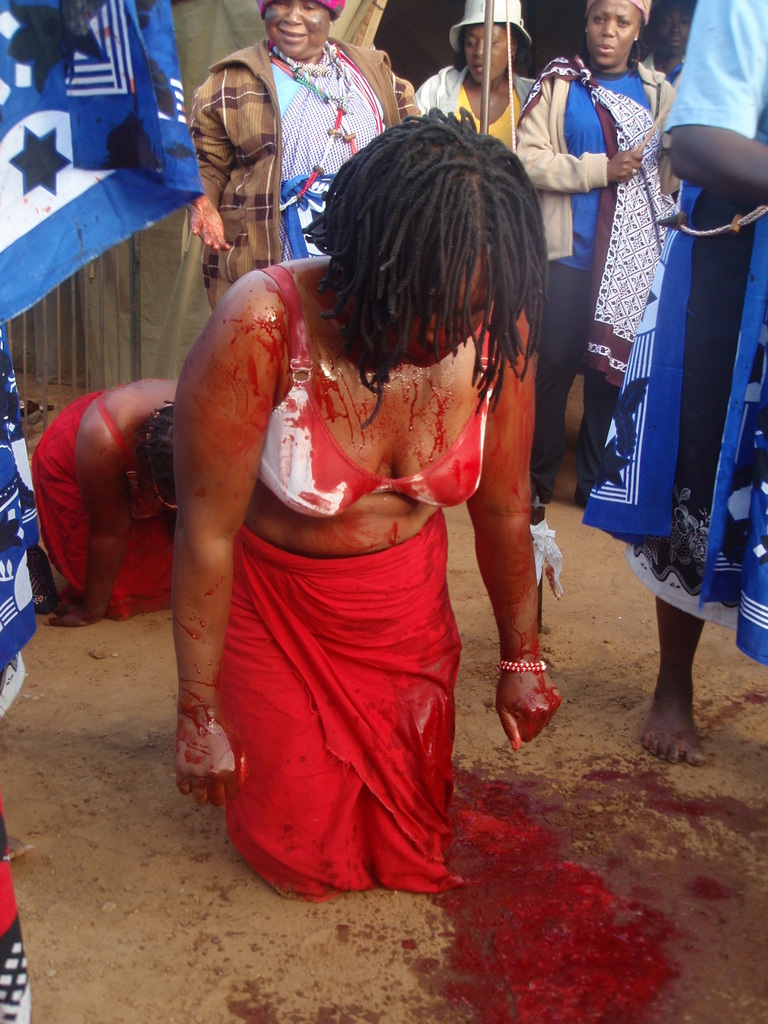 🇿🇦 South AfricaUkuthwasa
A spiritual calling and initiation process for traditional healers in Southern Africa.Rite · Healing · Speaking with spirits and the dead Living
🇿🇦 South Africa and 1 moreRain Queen
A hereditary queen of the Balobedu people believed to control rainfall in South AfricaTradition · Protection · Power and authority Living
🇿🇦 South AfricaUkuthwasa
A spiritual calling and initiation process for traditional healers in Southern Africa.Rite · Healing · Speaking with spirits and the dead Living
🇿🇦 South Africa and 1 moreRain Queen
A hereditary queen of the Balobedu people believed to control rainfall in South AfricaTradition · Protection · Power and authority Living
 🇿🇦 South AfricaSympathetic magic
A magical principle based on imitation and contact to influence the worldTradition · Protection · Healing Historical
🇿🇦 South AfricaSympathetic magic
A magical principle based on imitation and contact to influence the worldTradition · Protection · Healing Historical
Related elsewhere
All tradition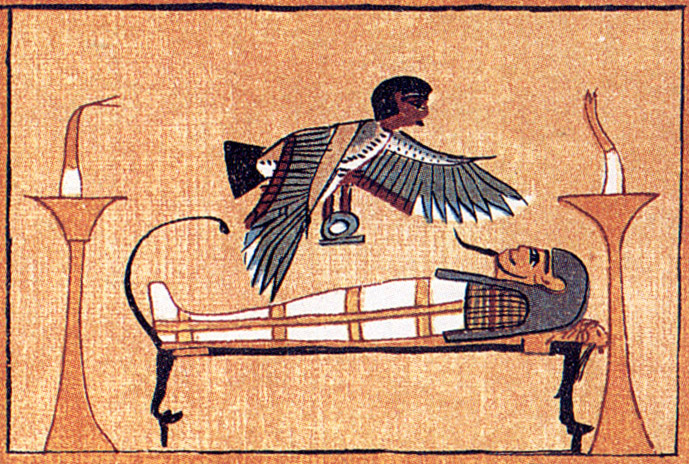 🇸🇪 Sweden and 1 moreSoul flight
A trance practice where the spirit leaves the body to visit other realmsRite · Healing · Seeing and foretelling Historical
🇸🇪 Sweden and 1 moreSoul flight
A trance practice where the spirit leaves the body to visit other realmsRite · Healing · Seeing and foretelling Historical
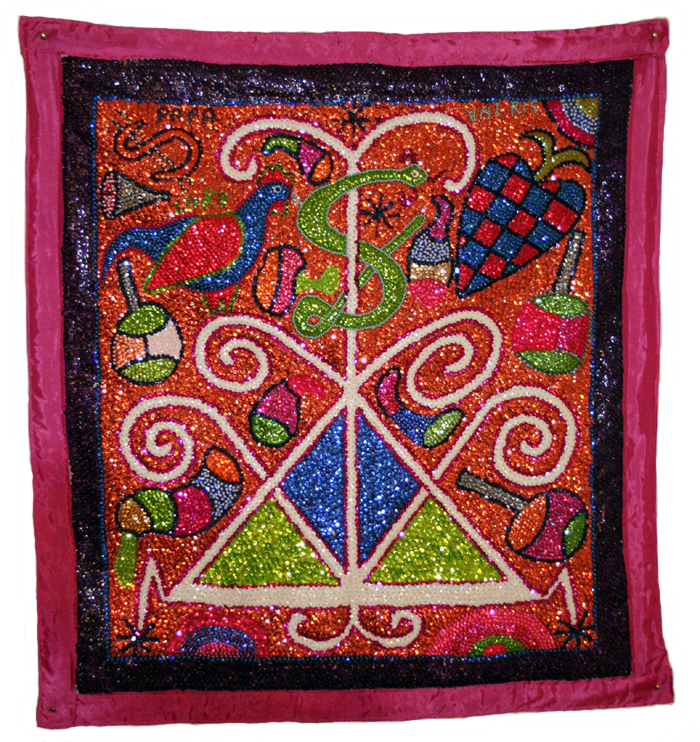 🇭🇹 Haiti and 2 moreHaitian VodouVodou
An Afro-Haitian religion blending West African traditions with Catholicism and FreemasonryTradition · Protection · Healing Living
🇭🇹 Haiti and 2 moreHaitian VodouVodou
An Afro-Haitian religion blending West African traditions with Catholicism and FreemasonryTradition · Protection · Healing Living
 🇲🇦 Morocco and 5 moreWild rueاسپند
A desert plant whose seeds hold psychoactive alkaloids and serve as incense in the Middle East.Substance · Protection · Speaking with spirits and the dead Living
🇲🇦 Morocco and 5 moreWild rueاسپند
A desert plant whose seeds hold psychoactive alkaloids and serve as incense in the Middle East.Substance · Protection · Speaking with spirits and the dead Living
 🇮🇹 Italy and 5 moreRelic
An object or body part kept to honor a holy person and mark their connection to the divineCharm · Protection · Healing Living
🇮🇹 Italy and 5 moreRelic
An object or body part kept to honor a holy person and mark their connection to the divineCharm · Protection · Healing Living