Festivals: practices that mark them
Samhain, Nowruz fire, Day of the Dead, Walpurgis night and the other days of the magic calendar.
Festivals are the days when a community performs its magic in public. Samhain and Halloween, Walpurgis night, Midsummer, Beltane, Day of the Dead, Nowruz fire-jumping, Diwali, Chinese Ghost Festival, Obon in Japan, Songkran, Carnival and the Burning Man gathering all combine religion, play and custom. This page asks what they do for communities and how they have changed. Many of them are tied to the moon or the sun, and they set the shared calendar of a village or a nation.
Fire, the dead and the season
Festivals cluster around turning points of the year. Fire is common: bonfires on Midsummer in Europe, Chaharshanbe Suri in Iran, Holika in India. The dead return in many: Samhain in Ireland, Obon in Japan, the Day of the Dead in Mexico, the Hungry Ghost Festival in China. In each, offerings of food, light and welcome are set out. Many involve masks, drums, processions and a shared meal, so that rites for protection and fertility become collective events open to the whole village.
Order and inversion
Many festivals allow a licensed breach of the rules. Carnival turns social order upside down, and masquerades in West Africa, such as Egungun among the Yoruba, bring ancestors to the village in cloth. Anthropologists see this as a way to renew order. Some, such as Holi, blur class lines for a day, though real divisions often persist. Within each festival there is usually a night when the dead or the spirits are thought to be close, and a day of celebration after it.
Church and state
Authorities have banned, absorbed and taxed festivals. The Church placed All Saints on the first of November and recast older rites. Puritan England banned Christmas for a time. Communist states discouraged ancestor and spirit festivals, while modern governments often list them as cultural heritage and promote them for tourism. Mexico's Day of the Dead was inscribed by UNESCO in 2008. Many are marked by a day of rest, a shared meal and the lighting of lamps or fires, and children often take a lively role.
Spectacle and respect
Large festivals bring crowds, risk and commerce. Halloween is now a global market, and parts of the Day of the Dead have been staged for visitors and film. Communities often ask guests to behave as guests, especially at rites for the dead or at sacred sites. Safety around fire, crowds and costume deserves care. Anthropologists observe that festivals teach each new generation what the community values, and that changes in a festival often show changes in the community.
Festivals on EveryJaadu
The entries written up so far, best known first.
 🇳🇬 NigeriaOrunmilaỌ̀rúnmìlà
Yoruba deity of wisdom and the creator of the Ifá divination systemBeing · Seeing and foretelling · Speaking with spirits and the dead Living
🇳🇬 NigeriaOrunmilaỌ̀rúnmìlà
Yoruba deity of wisdom and the creator of the Ifá divination systemBeing · Seeing and foretelling · Speaking with spirits and the dead Living
 🇭🇹 Haiti and 2 moreLwa
Spirits in Haitian Vodou that mediate between people and the creator god.Being · Protection · Healing Living
🇳🇿 New ZealandKarakia
Māori recitations used for spiritual guidance, protection, and formal greetingsTradition · Protection · Speaking with spirits and the dead Living
🇨🇳 China and 4 moreKitchen God灶君
The Chinese hearth deity who reports domestic conduct to the Jade EmperorBeing · Protection · Luck and prosperity Living
🇭🇹 Haiti and 2 moreLwa
Spirits in Haitian Vodou that mediate between people and the creator god.Being · Protection · Healing Living
🇳🇿 New ZealandKarakia
Māori recitations used for spiritual guidance, protection, and formal greetingsTradition · Protection · Speaking with spirits and the dead Living
🇨🇳 China and 4 moreKitchen God灶君
The Chinese hearth deity who reports domestic conduct to the Jade EmperorBeing · Protection · Luck and prosperity Living
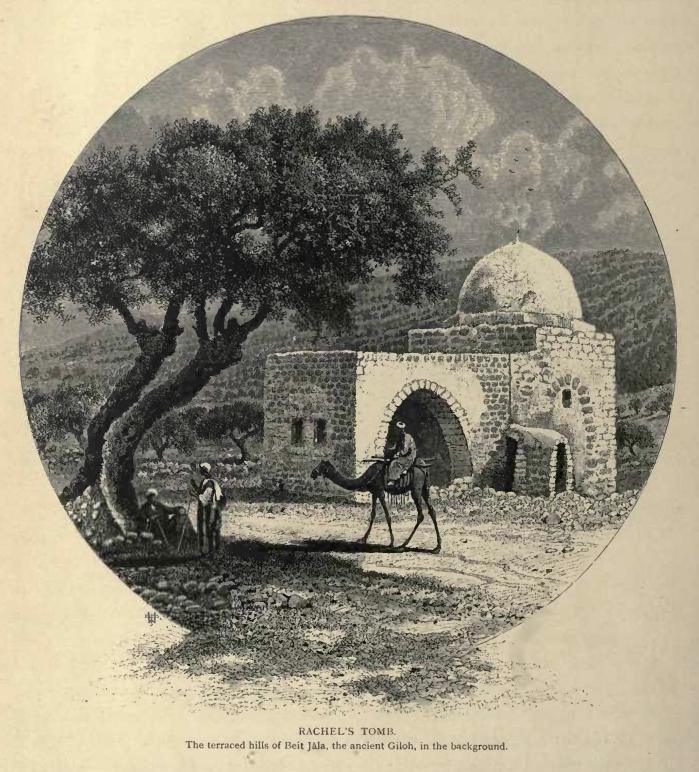 🇵🇸 Palestine and 1 moreRachel's TombQever Raḥel; Qabr Rāḥīl
A shared holy site near Bethlehem revered by Jews, Christians, and MuslimsTradition · Speaking with spirits and the dead · Protection Living
🇵🇸 Palestine and 1 moreRachel's TombQever Raḥel; Qabr Rāḥīl
A shared holy site near Bethlehem revered by Jews, Christians, and MuslimsTradition · Speaking with spirits and the dead · Protection Living
 🇵🇪 Peru and 1 moreApu
Sacred mountain spirits in Andean tradition that protect communities and control natural resourcesBeing · Protection · Healing Living
🇵🇪 Peru and 1 moreApu
Sacred mountain spirits in Andean tradition that protect communities and control natural resourcesBeing · Protection · Healing Living
 🇺🇸 United States and 1 moreMedicine wheel
Circular stone formations built by Indigenous peoples of North America for ceremony and astronomy.Tradition · Speaking with spirits and the dead · Power and authority Living
🇺🇸 United States and 1 moreMedicine wheel
Circular stone formations built by Indigenous peoples of North America for ceremony and astronomy.Tradition · Speaking with spirits and the dead · Power and authority Living
 🇪🇬 Egypt and 4 moreAnimal sacrifice
The ritual killing of livestock or wild animals as an offering to deitiesRite · Speaking with spirits and the dead · Power and authority Historical
🇪🇬 Egypt and 4 moreAnimal sacrifice
The ritual killing of livestock or wild animals as an offering to deitiesRite · Speaking with spirits and the dead · Power and authority Historical
 🇬🇧 United Kingdom and 1 moreWell dressing
A rural English custom of decorating water sources with natural designsTradition · Protection · Speaking with spirits and the dead Living
🇬🇧 United Kingdom and 1 moreWell dressing
A rural English custom of decorating water sources with natural designsTradition · Protection · Speaking with spirits and the dead Living
 🇮🇹 ItalyLectisternium
An ancient Roman ritual where couches were draped and meals served to gods.Rite · Protection · Speaking with spirits and the dead Historical
🇮🇹 ItalyLectisternium
An ancient Roman ritual where couches were draped and meals served to gods.Rite · Protection · Speaking with spirits and the dead Historical
 🇮🇳 India and 1 moreMantraमन्त्रम्
A sacred sound or phrase repeated to focus the mind and invoke spiritual powerText · Speaking with spirits and the dead · Power and authority Living
🇮🇳 India and 1 moreMantraमन्त्रम्
A sacred sound or phrase repeated to focus the mind and invoke spiritual powerText · Speaking with spirits and the dead · Power and authority Living
 🇸🇳 Senegal and 1 moreSerer religionA ƭat Roog
The traditional faith of the Serer people, centred on the supreme deity Roog and ancestral veneration.Tradition · Protection · Speaking with spirits and the dead Living
🇸🇳 Senegal and 1 moreSerer religionA ƭat Roog
The traditional faith of the Serer people, centred on the supreme deity Roog and ancestral veneration.Tradition · Protection · Speaking with spirits and the dead Living
 🇪🇬 Egypt and 2 moreLibation
The ritual pouring of liquid as an offering to spirits or the deadRite · Speaking with spirits and the dead · Protection Living
🇪🇬 Egypt and 2 moreLibation
The ritual pouring of liquid as an offering to spirits or the deadRite · Speaking with spirits and the dead · Protection Living
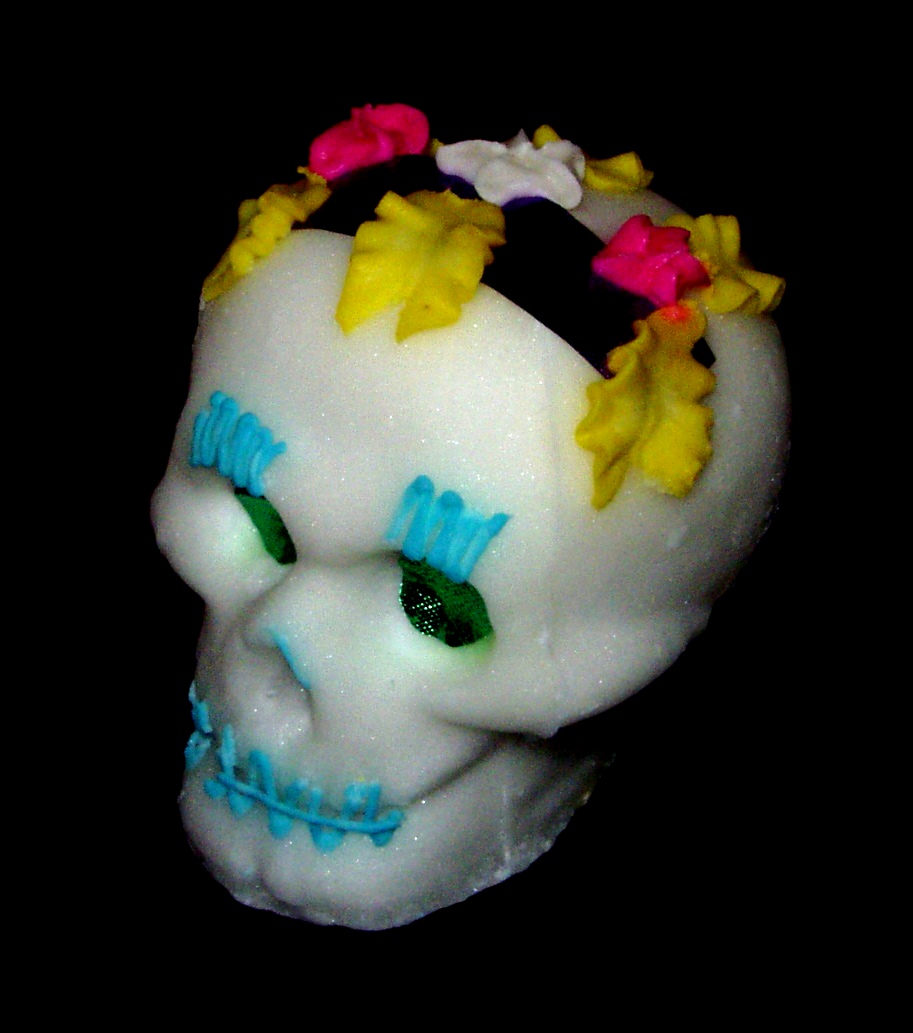 🇲🇽 MexicoCalavera
A sugar or clay skull used in Mexican Day of the Dead celebrations.Charm · Speaking with spirits and the dead · Luck and prosperity Living
🇲🇽 MexicoCalavera
A sugar or clay skull used in Mexican Day of the Dead celebrations.Charm · Speaking with spirits and the dead · Luck and prosperity Living
 🇮🇳 India and 5 morePretaप्रेत
A suffering spirit of insatiable hunger found in Asian religious traditionsBeing · Speaking with spirits and the dead Living
🇮🇳 India and 5 morePretaप्रेत
A suffering spirit of insatiable hunger found in Asian religious traditionsBeing · Speaking with spirits and the dead Living
 🇸🇩 Sudan and 5 moreIncense
Aromatic plant materials burned to release fragrant smoke for ritual, scent, or timekeeping.Substance · Protection · Speaking with spirits and the dead Living
🇸🇩 Sudan and 5 moreIncense
Aromatic plant materials burned to release fragrant smoke for ritual, scent, or timekeeping.Substance · Protection · Speaking with spirits and the dead Living
 🇮🇳 IndiaTheyyam
A ritual dance from Kerala where performers embody deities through elaborate costume and songRite · Speaking with spirits and the dead · Protection Living
🇮🇳 IndiaTheyyam
A ritual dance from Kerala where performers embody deities through elaborate costume and songRite · Speaking with spirits and the dead · Protection Living
 🇨🇺 Cuba and 2 moreAbakuá
A male-only Cuban religious fraternity with West African roots and strict secrecyTradition · Protection · Speaking with spirits and the dead Living
🇨🇺 Cuba and 2 moreAbakuá
A male-only Cuban religious fraternity with West African roots and strict secrecyTradition · Protection · Speaking with spirits and the dead Living
 🇮🇳 IndiaKavu
Sacred forest patches in South India that protect local deities and wildlifeTradition · Protection · Speaking with spirits and the dead Living
🇮🇳 IndiaKavu
Sacred forest patches in South India that protect local deities and wildlifeTradition · Protection · Speaking with spirits and the dead Living
 🇳🇵 Nepal and 1 moreMatsyendranathMacchindranāth, Mīnanātha
A yogi and rain deity revered across Hindu and Buddhist traditions in South Asia.Figure · Speaking with spirits and the dead · Power and authority Living
🇳🇵 Nepal and 1 moreMatsyendranathMacchindranāth, Mīnanātha
A yogi and rain deity revered across Hindu and Buddhist traditions in South Asia.Figure · Speaking with spirits and the dead · Power and authority Living
 🇫🇷 France and 3 moreReliquary
A container for sacred remains or objects, crafted across many faithsCharm · Protection · Speaking with spirits and the dead Living
🇫🇷 France and 3 moreReliquary
A container for sacred remains or objects, crafted across many faithsCharm · Protection · Speaking with spirits and the dead Living
 🇨🇳 China and 5 moreGhost FestivalZhongyuan Festival; Yulanpen Festival
A festival to feed wandering spirits and guide them home during the seventh lunar month.Tradition · Speaking with spirits and the dead · Protection Living
🇨🇳 China and 5 moreGhost FestivalZhongyuan Festival; Yulanpen Festival
A festival to feed wandering spirits and guide them home during the seventh lunar month.Tradition · Speaking with spirits and the dead · Protection Living
 🇨🇳 China and 5 moreJoss paper金紙
Paper burned as money and goods for ancestors, gods and the deadCharm · Speaking with spirits and the dead · Luck and prosperity Living
🇨🇳 China and 5 moreJoss paper金紙
Paper burned as money and goods for ancestors, gods and the deadCharm · Speaking with spirits and the dead · Luck and prosperity Living
 🇮🇳 IndiaBhuta KolaBhūta Kōla
A Tulu folk dance and ritual where spirits are channelled into human performersTradition · Protection · Speaking with spirits and the dead Living
🇮🇳 IndiaBhuta KolaBhūta Kōla
A Tulu folk dance and ritual where spirits are channelled into human performersTradition · Protection · Speaking with spirits and the dead Living
 🇮🇳 India and 1 moreRangoliरंगोली
Floor art made with coloured powders and flowers to welcome guests and deitiesTradition · Protection · Luck and prosperity Living
🇮🇳 India and 1 moreRangoliरंगोली
Floor art made with coloured powders and flowers to welcome guests and deitiesTradition · Protection · Luck and prosperity Living
 🇲🇽 Mexico and 2 moreChild sacrifice
The ritual killing of children to appease deities or restore cosmic order in ancient culturesRite · Cursing and harm · Speaking with spirits and the dead Historical
🇲🇽 Mexico and 2 moreChild sacrifice
The ritual killing of children to appease deities or restore cosmic order in ancient culturesRite · Cursing and harm · Speaking with spirits and the dead Historical
 🇯🇵 JapanShinto shrine神社 (jinja)
A structure housing kami deities within the Shinto tradition of JapanTradition · Protection · Speaking with spirits and the dead Living
🇯🇵 JapanShinto shrine神社 (jinja)
A structure housing kami deities within the Shinto tradition of JapanTradition · Protection · Speaking with spirits and the dead Living
 🇲🇳 Mongolia and 1 moreOvooовоо
A stone or branch cairn used as a shrine and boundary marker in Mongolic folk practice.Tradition · Protection · Speaking with spirits and the dead Living
🇲🇳 Mongolia and 1 moreOvooовоо
A stone or branch cairn used as a shrine and boundary marker in Mongolic folk practice.Tradition · Protection · Speaking with spirits and the dead Living
 🇰🇷 South Korea and 1 moreKorean shamanismKorean shamanism (Korean: Korean shamanism)
A traditional practice of ritual specialists who mediate between the human and spirit worlds.Tradition · Healing · Protection Living
🇰🇷 South Korea and 1 moreKorean shamanismKorean shamanism (Korean: Korean shamanism)
A traditional practice of ritual specialists who mediate between the human and spirit worlds.Tradition · Healing · Protection Living
 🇮🇳 IndiaKumkumकुङ्कुमम्
A red powder made from turmeric and lime, used in Hindu markings and ritualsSubstance · Protection · Luck and prosperity Living
🇮🇳 IndiaKumkumकुङ्कुमम्
A red powder made from turmeric and lime, used in Hindu markings and ritualsSubstance · Protection · Luck and prosperity Living
 🇮🇳 IndiaSarnaism
A tribal faith centered on nature worship and sacred groves in eastern IndiaTradition · Protection · Speaking with spirits and the dead Living
🇮🇳 IndiaSarnaism
A tribal faith centered on nature worship and sacred groves in eastern IndiaTradition · Protection · Speaking with spirits and the dead Living
 🇮🇷 Iran and 4 moreChaharshanbe Suriچهارشنبهسوری
An Iranian fire festival marking the transition from winter to springTradition · Luck and prosperity · Speaking with spirits and the dead Living
🇮🇷 Iran and 4 moreChaharshanbe Suriچهارشنبهسوری
An Iranian fire festival marking the transition from winter to springTradition · Luck and prosperity · Speaking with spirits and the dead Living
 🇪🇬 Egypt and 5 moreZārزار
A spirit possession tradition and healing ritual in the Horn of Africa and Middle EastTradition · Healing · Speaking with spirits and the dead Living
🇪🇬 Egypt and 5 moreZārزار
A spirit possession tradition and healing ritual in the Horn of Africa and Middle EastTradition · Healing · Speaking with spirits and the dead Living
 🇲🇦 Morocco and 1 moreGnawa musicڭْناوة or كْناوة
Moroccan ritual music blending West African heritage with Islamic practice for healing and tranceTradition · Healing · Speaking with spirits and the dead Living
🇲🇦 Morocco and 1 moreGnawa musicڭْناوة or كْناوة
Moroccan ritual music blending West African heritage with Islamic practice for healing and tranceTradition · Healing · Speaking with spirits and the dead Living
 🇸🇴 Somalia and 5 moreFrankincense
An aromatic tree resin harvested for incense, perfume, and religious ritualSubstance · Speaking with spirits and the dead · Power and authority Living
🇸🇴 Somalia and 5 moreFrankincense
An aromatic tree resin harvested for incense, perfume, and religious ritualSubstance · Speaking with spirits and the dead · Power and authority Living
 🇿🇦 South Africa and 4 moreWitch doctor
A traditional healer who identifies supernatural causes of illness and performs rituals to restore balance.Tradition · Healing · Protection Living
🇿🇦 South Africa and 4 moreWitch doctor
A traditional healer who identifies supernatural causes of illness and performs rituals to restore balance.Tradition · Healing · Protection Living
 🇮🇳 India and 5 moreAncestor worship
Rites of respect for the dead that maintain family bonds and seek spiritual guidanceTradition · Protection · Speaking with spirits and the dead Living
🇮🇳 India and 5 moreAncestor worship
Rites of respect for the dead that maintain family bonds and seek spiritual guidanceTradition · Protection · Speaking with spirits and the dead Living
 🇸🇪 Sweden and 5 moreMidsummerJāņi; Joninės; Jaanipäev; Enyovden; Litha; Juhannus
A summer solstice festival marked by bonfires, maypole dancing, and feasting across Europe.Tradition · Protection · Luck and prosperity Living
🇸🇪 Sweden and 5 moreMidsummerJāņi; Joninės; Jaanipäev; Enyovden; Litha; Juhannus
A summer solstice festival marked by bonfires, maypole dancing, and feasting across Europe.Tradition · Protection · Luck and prosperity Living
 🇮🇪 Ireland and 5 moreBonfire
A large outdoor fire used in seasonal festivals and religious feasts across many culturesRite · Cleansing and purification · Speaking with spirits and the dead Living
🇮🇪 Ireland and 5 moreBonfire
A large outdoor fire used in seasonal festivals and religious feasts across many culturesRite · Cleansing and purification · Speaking with spirits and the dead Living
 🇩🇪 Germany and 7 moreWalpurgis NightWalpurgisnacht
A spring vigil marking the eve of Saint Walpurga's feast day with bonfires and student festivalsRite · Protection · Speaking with spirits and the dead Living
🇩🇪 Germany and 7 moreWalpurgis NightWalpurgisnacht
A spring vigil marking the eve of Saint Walpurga's feast day with bonfires and student festivalsRite · Protection · Speaking with spirits and the dead Living
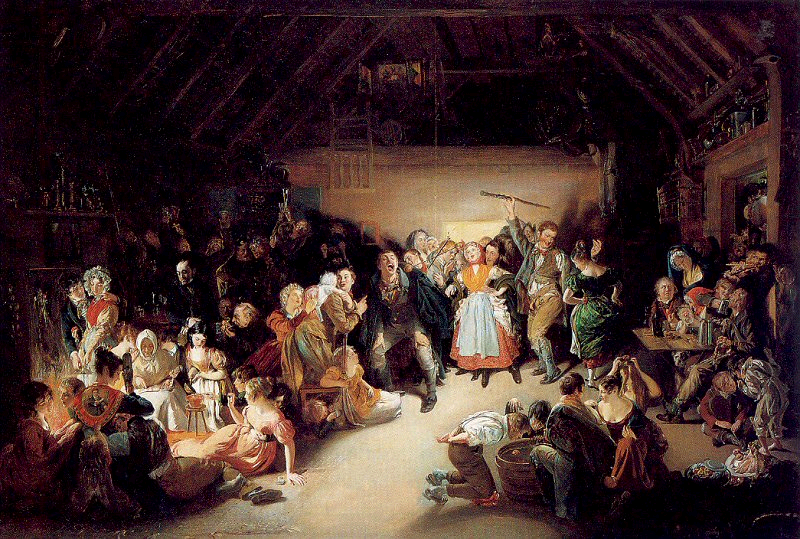 🇮🇪 Ireland and 1 moreSamhain
A Gaelic festival marking the end of harvest and the start of winter, observed on November 1st.Tradition · Protection · Speaking with spirits and the dead Living
🇮🇪 Ireland and 1 moreSamhain
A Gaelic festival marking the end of harvest and the start of winter, observed on November 1st.Tradition · Protection · Speaking with spirits and the dead Living
 🇮🇪 Ireland and 5 moreHalloween
A Christian vigil on 31 October for the dead, now marked by costumes and carved vegetablesRite · Speaking with spirits and the dead · Protection Living
🇮🇪 Ireland and 5 moreHalloween
A Christian vigil on 31 October for the dead, now marked by costumes and carved vegetablesRite · Speaking with spirits and the dead · Protection Living
 🇪🇬 Egypt and 5 moreSacred dance
Movement used in worship to honour deities, heal communities, or connect with the spirit world.Tradition · Protection · Healing Living
🇪🇬 Egypt and 5 moreSacred dance
Movement used in worship to honour deities, heal communities, or connect with the spirit world.Tradition · Protection · Healing Living
 🇨🇭 SwitzerlandMagic circle
A ritual boundary drawn or visualised to create sacred space and protectionTradition · Protection · Speaking with spirits and the dead Living
🇨🇭 SwitzerlandMagic circle
A ritual boundary drawn or visualised to create sacred space and protectionTradition · Protection · Speaking with spirits and the dead Living
 🇺🇸 United States and 3 moreSandpainting
A ritual art of pouring colored sand to create temporary images for healing or spiritual teachingTradition · Healing · Speaking with spirits and the dead Living
🇺🇸 United States and 3 moreSandpainting
A ritual art of pouring colored sand to create temporary images for healing or spiritual teachingTradition · Healing · Speaking with spirits and the dead Living
 🇧🇷 Brazil and 2 moreCandomblé
An Afro-Brazilian religion blending West African spirits with Catholic imageryTradition · Speaking with spirits and the dead · Healing Living
🇧🇷 Brazil and 2 moreCandomblé
An Afro-Brazilian religion blending West African spirits with Catholic imageryTradition · Speaking with spirits and the dead · Healing Living
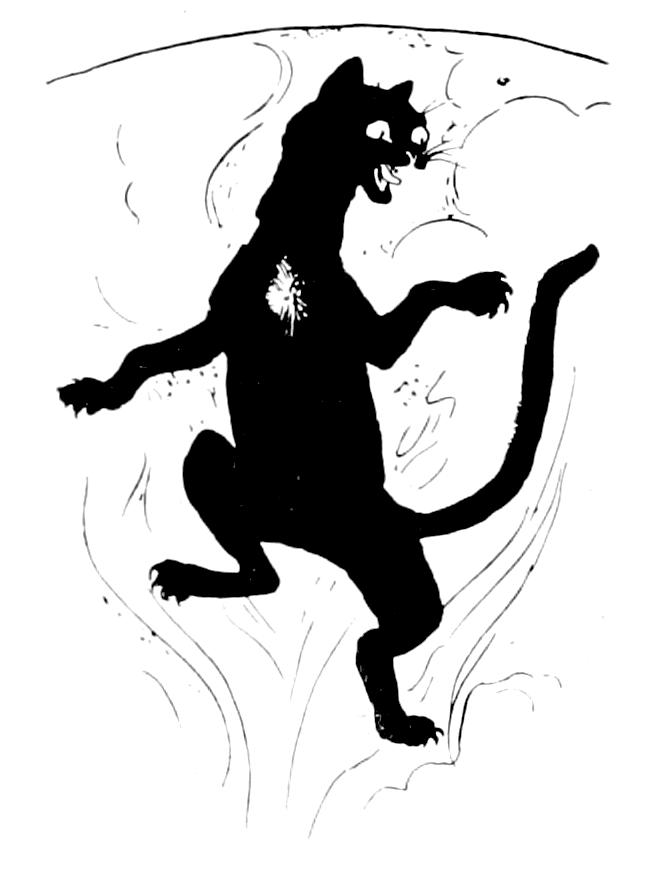 🇬🇧 United KingdomCat-sìth
A spectral feline from Celtic lore that haunts the Scottish Highlands and guards the dead.Being · Cursing and harm · Luck and prosperity Legendary
🇬🇧 United KingdomCat-sìth
A spectral feline from Celtic lore that haunts the Scottish Highlands and guards the dead.Being · Cursing and harm · Luck and prosperity Legendary
 🇵🇪 Peru and 5 morePachamama
The Andean mother goddess of space-time and the earthBeing · Protection · Healing Living
🇵🇪 Peru and 5 morePachamama
The Andean mother goddess of space-time and the earthBeing · Protection · Healing Living
Photo credits on this page
The small pictures above come from Wikimedia Commons under free licences. Some are cropped to fit.
- Rachel's Tomb: Lane-Poole, Stanley, Public domain, source
- Orunmila: unknown Yoruba artist, CC0, source
- Calavera: Unknown author, CC BY-SA 3.0, source
- Serer religion: Unknown author, Public domain, source
- Medicine wheel: U.S. Forest Service Photo, Public domain, source
- Animal sacrifice: Wilfredor, CC0, source
- Well dressing: User:WhaleyTim, CC BY-SA 3.0, source
- Lectisternium: Classical Numismatic Group (CNG), Inc., www.cngcoins.com, CC BY-SA 3.0, source
- Mantra: Markrosenrosen, CC BY-SA 3.0, source
- Libation: Arkady Zarubin ( Аркадий Зарубин ), CC BY-SA 3.0, source
- Preta: Temple, Richard Carnac, Sir, Public domain, source
- Incense: nakimusi, CC BY 2.0, source
- Theyyam: Shagil Kannur, CC BY-SA 4.0, source
- Abakuá: M. Puente, Public domain, source
- Kavu: Ashwin.appus, CC BY-SA 4.0, source
- Matsyendranath: Unknown author, Public domain, source
- Reliquary: Attributed to Jean de Toul, also written Jehan de Touyl in one source, CC0, source
- Ghost Festival: Chong Fat, CC BY-SA 3.0, source
- Joss paper: Vmenkov, CC BY-SA 3.0, source
- Bhuta Kola: Unknown author, Public domain, source
- Rangoli: SreeramKalyan, CC0, source
- Child sacrifice: Julius Schnorr von Carolsfeld, Public domain, source
- Shinto shrine: No machine-readable author provided. Fg2 assumed (based on copyright c, Public domain, source
- Ovoo: Bouette ., CC BY-SA 3.0, source
- Korean shamanism: Hyewon Shin Yun-bok (申潤福: 1758-early 19th century) (혜원 신윤복 (申潤福: 1758-, Public domain, source
- Kumkum: Thamizhpparithi Maari, CC BY-SA 3.0, source
- Sarnaism: বুদ্ধি, CC BY-SA 4.0, source
- Chaharshanbe Suri: Philippe Giabbanelli, CC BY 3.0, source
- Zār: Emad Nemati, CC BY-SA 4.0, source
- Gnawa music: Lucyin, CC BY-SA 4.0, source
- Frankincense: No machine-readable author provided. Gaius Cornelius assumed (based on, Public domain, source
- Witch doctor: Lucjan Wędrychowski, Public domain, source
- Ancestor worship: Lyn Gateley, CC BY 2.0, source
- Midsummer: Kora27, CC BY-SA 4.0, source
- Bonfire: S Marshall, CC BY 3.0, source
- Walpurgis Night: Luis Ricardo Falero, Public domain, source
- Samhain: Daniel Maclise, Public domain, source
- Halloween: Toby Ord, CC BY-SA 2.5, source
- Sacred dance: Jorge Barrios, CC BY-SA 3.0, source
- Magic circle: John William Waterhouse, Public domain, source
- Sandpainting: Mnolf, CC BY-SA 3.0, source
- Candomblé: André Koehne, CC BY-SA 3.0, source
- Cat-sìth: John D. Batten, Public domain, source
- Pachamama: Penarc, CC BY-SA 3.0, source
- Apu: Cecilia Sacsa, CC BY-SA 4.0, source
- Lwa: Hector Hyppolite, Public domain, source