
Theyyam
A ritual dance from Kerala where performers embody deities through elaborate costume and song
Theyyam is a living folk religion of northern Kerala, India. It involves hours of preparation and performance to invite a spirit or god into a human body for blessings.
- Over 400 distinct types of Theyyam are documented.
- Performers wear elaborate mudi headgear during possession.
- The ritual spans eight to ten hours of preparation.
- Main season runs from October to May in Kerala.
- Performers include men from Thiyyar, Malayar, and Vannan castes.
What it is
Theyyam is a ritual tradition found in the North Malabar region of Kerala, India. It serves as a bridge between humans and the divine. Participants believe that during the ceremony, a deity enters the body of a human performer. This allows the community to receive direct blessings and guidance. The practice includes many types of dances and songs, each representing a specific spirit or god. It remains an active part of local culture and religious life today.
Where it comes from
Scholars suggest the roots of Theyyam stretch back to ancient Neolithic and Chalcolithic periods. The tradition likely evolved from ancestor worship and tribal rituals. Over time, it absorbed elements of Hinduism, including Shaivism and Shaktism. Some deities may have originated from local heroes or ancestors who were later deified. The fusion of these older beliefs with mainstream Hindu practices created the complex system seen now.
How it is done
Performers spend eight to ten hours preparing. This includes singing ritual songs and applying intricate makeup. A key moment is the placement of the mudi, a sacred headpiece, which signals the deity's arrival. The dancer then performs movements accompanied by drums and wind instruments. The act takes place in open spaces before village shrines or temples. No stage or curtain is used, keeping the event accessible to all attendees.
Tools and materials
The ritual uses specific items to mark the transformation. The mudi headgear is central to the possession moment. Performers wear costumes painted with bright colors like orange and red. Musical instruments such as the chenda drum and kuzhal pipe provide rhythm. Some rituals involve blood offerings, though these are kept separate from main shrine areas. Face paint patterns vary by deity, helping to stylize the dancer's appearance.
Theyyam, drawn and placed
- Living
- Revived
- Fading
- Historical
- Legendary
- Performed
- Lineage
- North Malabar folk religion
- Timing
- October to May
What it is for
People seek Theyyam to connect with gods, ancestors, or spirits. The ritual provides a way to ask for protection, healing, or advice. Communities view the performer as a channel for divine power. Blessings are received directly from the embodied deity. The practice also preserves local history and myths through song and dance, reinforcing cultural identity and social bonds within the region.
Who does it
Most performers come from specific castes and tribes, such as the Thiyyar, Malayar, and Vannan communities. Men typically perform the main roles, while women participate in specific variants like Devakkoothu. Thiyyars often manage ceremonial submissions and hold rights to cancel performances if necessary. Training involves learning songs, dances, and makeup techniques passed down through generations. Spiritual readiness is considered essential for the role.
Peoples and places
The tradition is strongest in Kerala's North Malabar districts, including Kasargod and Kannur. Similar practices exist in neighboring Karnataka, known as Bhuta Kola. Different groups contribute to the ritual: some prepare offerings, others perform the dance. Local legends tie specific deities to particular clans or villages. The diversity of participants reflects the region's complex social and religious history.
At a glance: who, where and when
Who does it
Belief worlds
Occasions


What people believe
The underlying belief is that divine entities can inhabit human bodies. This concept aligns with certain Hindu philosophical texts describing divine entry. Spirits, ancestors, heroes, and even animals are honored as deities. The ritual acknowledges a world where the spiritual and physical realms intersect. Offerings and prayers are made to maintain harmony with these forces. The practice respects both indigenous animism and broader Hindu traditions.
When it is done
The main season begins in October and lasts until May. Specific dates follow the Malayalam calendar, starting on the tenth day of Thulam. Performances occur throughout this period at various temples and shrines. Some deities, like Muthappan, are celebrated year-round. Annual festivals at family shrines mark important points in the ritual cycle. The timing coincides with agricultural and seasonal changes in the region.
How scholars and sceptics see it
Researchers view Theyyam as a survival of ancient folk religions. Anthropologists note its blend of tribal worship and Hindu theology. Historians trace its evolution through political and religious shifts in South India. Some scholars highlight its role in maintaining social structures and caste dynamics. Others focus on its function as a form of cultural resistance and identity preservation. The ritual is studied as a unique example of religious syncretism.
Cautions and what is closed
Certain rituals involve blood sacrifices, which are restricted to specific outer areas of shrines. These acts are forbidden in other major Indian religions but remain part of local tradition. Access to sacred spaces may be regulated by caste rules. Women from some high-status castes are directed to use rear entrances. Outsiders must respect these boundaries and protocols. The intensity of the possession state requires careful management by experienced practitioners.
Compare and confuse
Theyyam shares features with other possession traditions in South Asia. Bhuta Kola in Karnataka is a closely related practice. Both involve deity embodiment and communal worship. Unlike temple-centric Hindu rituals, Theyyam emphasizes direct interaction with spirits. It differs from classical dance forms by its improvisational and participatory nature. The term Kaliyattam highlights its connection to dramatic performance and myth reenactment.
Rites that involve Theyyam
Questions people ask about Theyyam
What is Theyyam?
It is a ritual dance tradition from North Malabar, Kerala, where performers embody deities to receive blessings.
Where does it come from?
It originates in the tribal and folk traditions of Kerala, blending with Hindu beliefs over centuries.
Who performs Theyyam?
Men from specific communities like Thiyyar, Malayar, and Vannan typically perform the main roles.
When is it done?
The main season starts in October and ends in May, following the local Malayalam calendar.
Good reading and sources
- Theyyam: The Indian trance where men become godsBBC, Article
- Mappila Theyyam of Kerala: Celebrating the Oneness of HumanityThe Hindu, Article
- Theyyam on WikipediaEncyclopedia
- More photos on Wikimedia CommonsPhotos and video
- Wikidata recordOpen data
The facts on this page come from the Wikipedia article "Theyyam", written by its contributors and used under the CC BY-SA 4.0 licence, and from its Wikidata record (CC0). EveryJaadu rewrote the text in its own words, with AI assistance, and compares every page with the article to make sure no passage is copied. It may be reused under the same CC BY-SA 4.0 licence with a link back.
It may contain mistakes. Names and customs differ from one community to the next, and some knowledge is closed to outsiders and left out here. This page describes belief and practice. It does not say that any of it works, it is not a how-to, and it is not medical advice. If something is wrong, tell us. Last refreshed 2026-10-05.
More from India
All the entries from India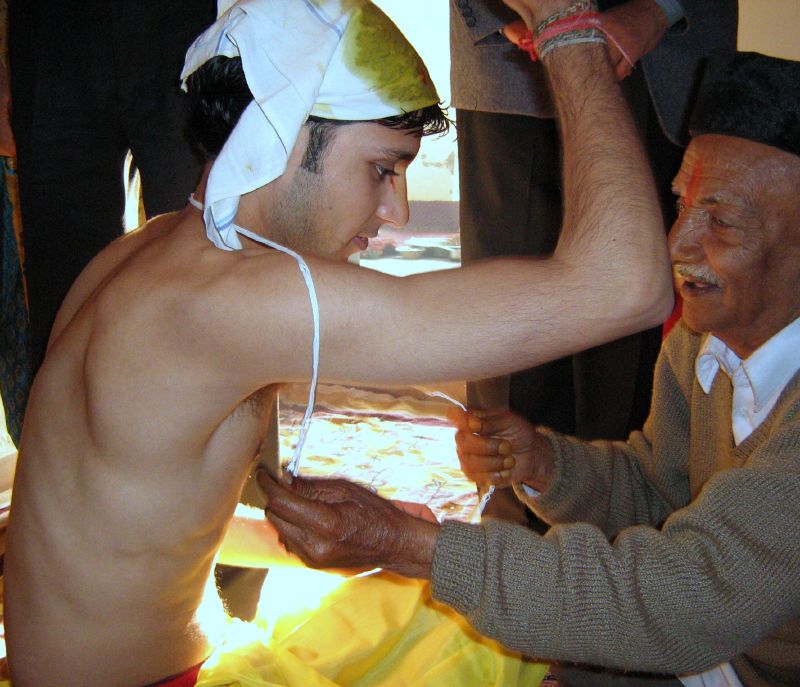 🇮🇳 India and 1 moreUpanayanaउपनयन
A Hindu rite of passage marking a student's initiation into formal education and spiritual discipline.Rite · Speaking with spirits and the dead · Power and authority Living
🇮🇳 India and 1 moreUpanayanaउपनयन
A Hindu rite of passage marking a student's initiation into formal education and spiritual discipline.Rite · Speaking with spirits and the dead · Power and authority Living
 🇮🇳 IndiaBhuta KolaBhūta Kōla
A Tulu folk dance and ritual where spirits are channelled into human performersTradition · Protection · Speaking with spirits and the dead Living
🇮🇳 IndiaBhuta KolaBhūta Kōla
A Tulu folk dance and ritual where spirits are channelled into human performersTradition · Protection · Speaking with spirits and the dead Living
 🇮🇳 India and 2 moreHomaहोम
A fire ritual found across Asian religions where offerings are burned as a votive exchange with the divine.Rite · Protection · Speaking with spirits and the dead Living
🇮🇳 India and 2 moreHomaहोम
A fire ritual found across Asian religions where offerings are burned as a votive exchange with the divine.Rite · Protection · Speaking with spirits and the dead Living
 🇮🇳 India and 5 moreAncestor worship
Rites of respect for the dead that maintain family bonds and seek spiritual guidanceTradition · Protection · Speaking with spirits and the dead Living
🇮🇳 India and 5 moreAncestor worship
Rites of respect for the dead that maintain family bonds and seek spiritual guidanceTradition · Protection · Speaking with spirits and the dead Living
Related elsewhere
All rite 🇨🇳 China and 1 moreAncestor veneration in China中國傳統宗法性宗教
Rites for dead kin who are thought to watch over the familyTradition · Protection · Speaking with spirits and the dead Living
🇨🇳 China and 1 moreAncestor veneration in China中國傳統宗法性宗教
Rites for dead kin who are thought to watch over the familyTradition · Protection · Speaking with spirits and the dead Living
 🇲🇦 Morocco and 5 moreWild rueاسپند
A desert plant whose seeds hold psychoactive alkaloids and serve as incense in the Middle East.Substance · Protection · Speaking with spirits and the dead Living
🇲🇦 Morocco and 5 moreWild rueاسپند
A desert plant whose seeds hold psychoactive alkaloids and serve as incense in the Middle East.Substance · Protection · Speaking with spirits and the dead Living
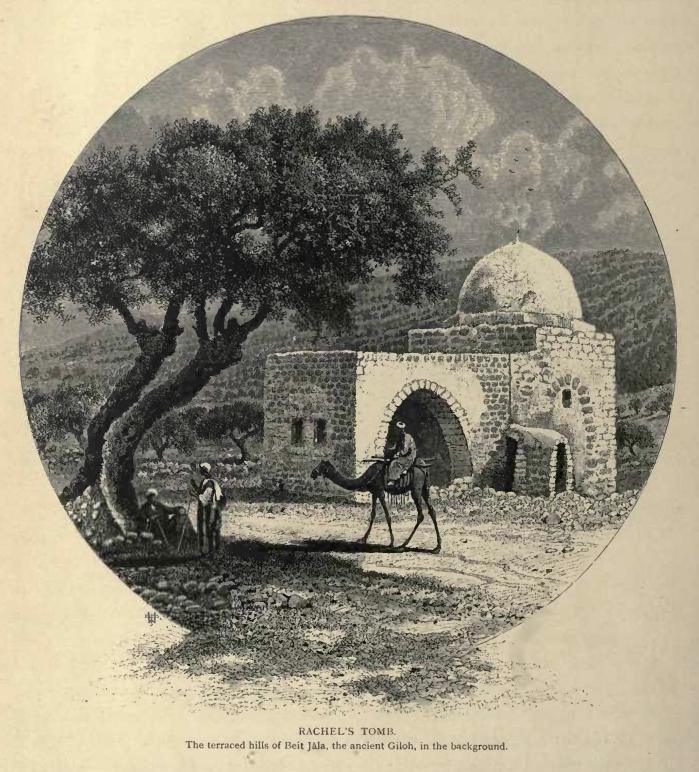 🇵🇸 Palestine and 1 moreRachel's TombQever Raḥel; Qabr Rāḥīl
A shared holy site near Bethlehem revered by Jews, Christians, and MuslimsTradition · Speaking with spirits and the dead · Protection Living
🇵🇸 Palestine and 1 moreRachel's TombQever Raḥel; Qabr Rāḥīl
A shared holy site near Bethlehem revered by Jews, Christians, and MuslimsTradition · Speaking with spirits and the dead · Protection Living
 🇪🇸 Spain and 5 moreSt John's Eve
A Christian vigil marked by bonfires and plant gathering on the summer solstice eveRite · Protection · Speaking with spirits and the dead Living
🇪🇸 Spain and 5 moreSt John's Eve
A Christian vigil marked by bonfires and plant gathering on the summer solstice eveRite · Protection · Speaking with spirits and the dead Living