
Sacred dance
Movement used in worship to honour deities, heal communities, or connect with the spirit world.
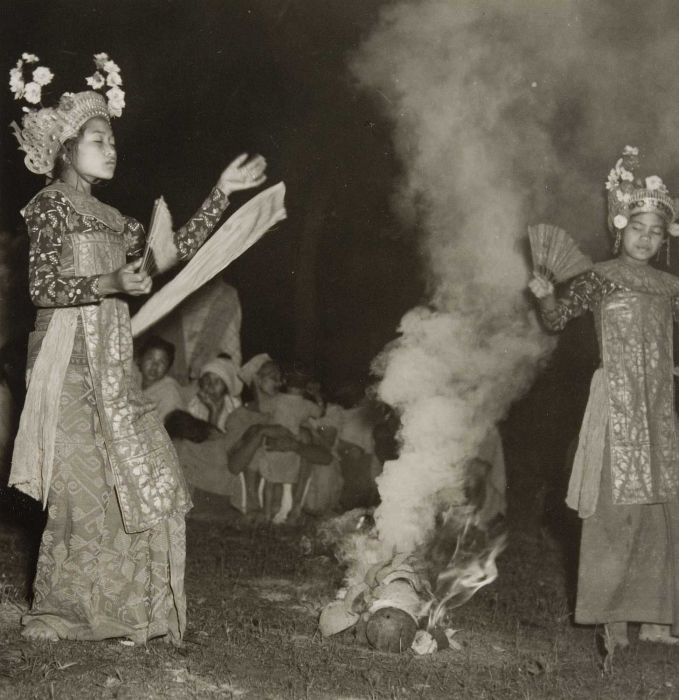
Sacred dance is movement performed within religious ceremonies across many cultures and eras. It serves to honour supernatural powers, facilitate healing, or unite participants with divine forces. Practices range from formal temple styles in Hinduism to ecstatic whirling in Sufism and circle dances in modern spiritual groups.
- Hittite rock carvings show processional dances from 1200 BC.
- Sufi whirling serves as active meditation in Sama ceremonies.
- Hindu temple dance follows strict rules from the Natya Shastra.
- Miriam led Hebrew women in dance after crossing the Red Sea.
- Findhorn Foundation revived circle dance for community healing.
What it is
Sacred dance encompasses any rhythmic movement integrated into religious practice. It appears in nearly all historical faiths as a method of worship. Participants use their bodies to express devotion, seek healing, or invite divine presence. The act bridges the physical and spiritual realms, allowing humans to interact with gods, ancestors, or cosmic forces through structured motion.
Where it comes from
Ancient rituals preserved in indigenous cultures likely reflect widespread prehistoric practices. Early examples include Egyptian dancers impersonating deities like Hathor and Hebrew worship involving Miriam’s leadership after crossing the Red Sea. Hittite inscriptions from 1200 BC depict processional dances at Yazılıkaya. Greek worship included dances for Apollo and Dionysus. These early forms established patterns that persist in modern ceremonial traditions worldwide.
How it is done
Dancers may move in circles, processions, or specific stylized steps depending on the tradition. In Hindu temples, performers execute formalized techniques like Bharatanatyam to tell mythic stories. Sufi devotees whirl continuously to achieve meditative states. Some rituals involve fire-walking or ecstatic movements leading to altered consciousness. Modern groups often use simple circle formations to foster community connection and mutual support.
Tools and materials
Musical instruments accompany most sacred dances. Ancient Israelite rites used tambourines, flutes, and lyres. Temple performances rely on skilled musicians to maintain rhythm. Costumes may mimic deity attributes, such as conical hats in Hittite depictions. Dancers sometimes wear specific garments to signify their role or to facilitate trance states. No special props are required beyond the body and sound.
Sacred dance, drawn and placed
- Living
- Revived
- Fading
- Historical
- Legendary
- Performed
- Timing
- during festivals, weddings, funerals, and daily worship
What it is for
Practitioners believe dance honours supernatural powers and unites the dancer with them. It aims to heal illness, ensure crop growth, or protect against evil spirits. Weddings and funerals use dance to mark life transitions. Warriors danced for victory, while initiates paid homage to deities. Modern practitioners seek inclusivity, earth connection, and personal wholeness through shared movement.
Who does it
Trained specialists perform in temples, such as Hindu dancers mastering classical styles. Priests and shamans lead ritual movements in various faiths. Whirling dervishes undergo rigorous training in Sufi orders. Modern teachers guide circle dances for community building. Gender roles vary; some traditions restrict participation, while others encourage inclusive group involvement regardless of sex.
Peoples and places
Hinduism employs classical dance as religious drama. Judaism includes movement in festivals like Simchat Torah and Hasidic celebrations. Christianity shows divided views, with some liturgies incorporating dance while others prohibit it. Sufism uses whirling for meditation. Candomblé in Brazil features ecstatic possession dances. Indigenous groups preserve ancient forms globally, maintaining continuity with past rituals.
At a glance: who, where and when



What people believe
Dance is seen as a conduit for divine energy. Ecstatic movement can make the body a vessel for deities. Spirits are invited through rhythmic repetition. The universe participates in sacred motion, as described in early Christian texts. Movement aligns human psychology with environmental stimuli, creating a universal religious response. Deities are believed to dance, setting an example for worshippers to follow.
When it is done
Rituals occur during festivals, weddings, funerals, and initiations. Simchat Torah involves synagogue dancing. Winter solstice prompts commemorative moves. Annual celebrations in Greece and Bulgaria feature fire-walking climaxes. Daily worship may include liturgical steps. Seasonal changes and agricultural cycles often trigger specific ceremonial dances to ensure harvests or appease spirits.
How scholars and sceptics see it
Anthropologists note uniformity in indigenous dance forms, suggesting shared psychological responses to nature. Theologians debate its role, with some supporting orderly worship and others opposing it. Historians trace bans on dance in certain Christian branches to medieval tracts. Scholars classify dances by function: imitation, healing, commemoration, or spiritual connection. Research highlights dance as a key element of religious expression across cultures.
Cautions and what is closed
Some religious branches have prohibited dance, viewing it as inappropriate or pagan. Historical conflicts arose between proponents and opponents within Christianity. Ecstatic practices may lead to physical exhaustion or altered mental states. Modern commercialization risks appropriating sacred traditions. Outsiders must respect closed knowledge and avoid participating in restricted rituals without proper initiation or invitation.
Compare and confuse
Sacred dance differs from secular performance by its religious intent. It shares elements with folk dance but retains ritual significance. Circle dances appear in both spiritual and social contexts. Whirling resembles other trance-inducing movements globally. Classical Indian dance parallels theatrical storytelling, while Sufi whirling focuses on inner meditation rather than external spectacle.
Questions people ask about Sacred dance
What is sacred dance?
It is rhythmic movement performed within religious ceremonies to honour deities, seek healing, or connect with the spirit world. It appears in nearly all faiths as a form of worship.
Where does it come from?
It originates in ancient rituals preserved by indigenous cultures, Egyptian temple practices, Hebrew worship, and Greek religious festivals. These early forms established patterns still used today.
Why do people dance in religion?
Believers hold that movement honours supernatural powers, invites divine presence, heals illness, or protects against evil. It unites participants with spiritual forces and marks important life events.
Is it found in Islam?
Yes, though unusual. Sufi orders practice ecstatic whirling in Sama ceremonies. Circle dances appear in Haḍra rituals. Some Islamic branches view dance cautiously, while others embrace it as meditation.
Good reading and sources
- Encyclopaedia BritannicaArticle
- Music & Dance in Ancient EgyptWorld History Encyclopedia, Article
- BBC - ReligionsBBC, Article
- Sacred dance on WikipediaEncyclopedia
- More photos on Wikimedia CommonsPhotos and video
- Wikidata recordOpen data
The facts on this page come from the Wikipedia article "Sacred dance", written by its contributors and used under the CC BY-SA 4.0 licence, and from its Wikidata record (CC0). EveryJaadu rewrote the text in its own words, with AI assistance, and compares every page with the article to make sure no passage is copied. It may be reused under the same CC BY-SA 4.0 licence with a link back.
It may contain mistakes. Names and customs differ from one community to the next, and some knowledge is closed to outsiders and left out here. This page describes belief and practice. It does not say that any of it works, it is not a how-to, and it is not medical advice. If something is wrong, tell us. Last refreshed 2026-10-05.
More from Egypt
All the entries from Egypt 🇮🇳 India and 5 moreAstrology
A divinatory practice that reads human fate through the positions of celestial bodies.Belief · Seeing and foretelling · Luck and prosperity Living
🇮🇳 India and 5 moreAstrology
A divinatory practice that reads human fate through the positions of celestial bodies.Belief · Seeing and foretelling · Luck and prosperity Living
 🇪🇸 Spain and 5 moreIbn Arabiمحيي الدين أبو عبد الله محمد بن علي بن عربي الحاتمي الطائي
A medieval Andalusian mystic and philosopher whose teachings shaped Sufi metaphysics across the Islamic world.Text · Speaking with spirits and the dead · Change and initiation Living
🇪🇸 Spain and 5 moreIbn Arabiمحيي الدين أبو عبد الله محمد بن علي بن عربي الحاتمي الطائي
A medieval Andalusian mystic and philosopher whose teachings shaped Sufi metaphysics across the Islamic world.Text · Speaking with spirits and the dead · Change and initiation Living
 🇮🇷 Iran and 5 moreMagi
Priests of Zoroastrianism and the figures who inspired the word for magicTradition · Seeing and foretelling · Power and authority Living
🇮🇷 Iran and 5 moreMagi
Priests of Zoroastrianism and the figures who inspired the word for magicTradition · Seeing and foretelling · Power and authority Living
 🇮🇶 Iraq and 5 moreLove magic
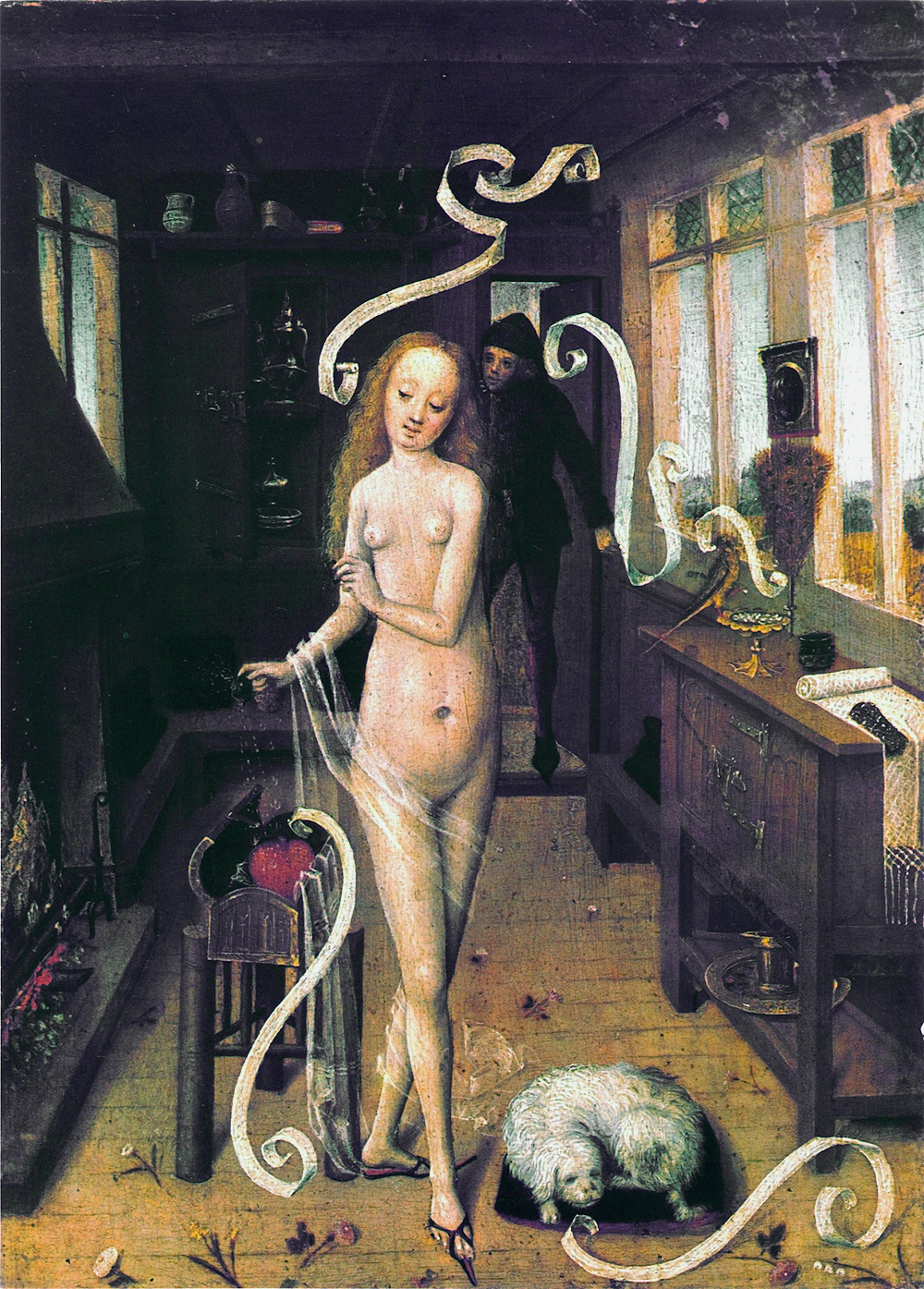
Rituals and spells used to attract, preserve, or end romantic relationships across many cultures.Tradition · Love and attraction · Cursing and harm Historical
🇮🇶 Iraq and 5 moreLove magic
Rituals and spells used to attract, preserve, or end romantic relationships across many cultures.Tradition · Love and attraction · Cursing and harm Historical
Related elsewhere
All tradition 🇮🇳 India and 5 moreSnake worship
Veneration of serpents as divine or ancestral beings across global culturesTradition · Protection · Healing Living
🇮🇳 India and 5 moreSnake worship
Veneration of serpents as divine or ancestral beings across global culturesTradition · Protection · Healing Living
 🇯🇵 JapanShugendō修験道
A Japanese mountain ascetic path blending Esoteric Buddhism, Shinto, and folk ritualsTradition · Protection · Healing Living
🇯🇵 JapanShugendō修験道
A Japanese mountain ascetic path blending Esoteric Buddhism, Shinto, and folk ritualsTradition · Protection · Healing Living
 🇮🇶 Iraq and 5 moreGrimoire
A textbook containing instructions for spells, rituals, and the creation of magical objects.Text · Protection · Healing Historical
🇮🇶 Iraq and 5 moreGrimoire
A textbook containing instructions for spells, rituals, and the creation of magical objects.Text · Protection · Healing Historical
 🇻🇳 Vietnam and 1 moreVietnamese folk religiontín ngưỡng dân gian Việt Nam
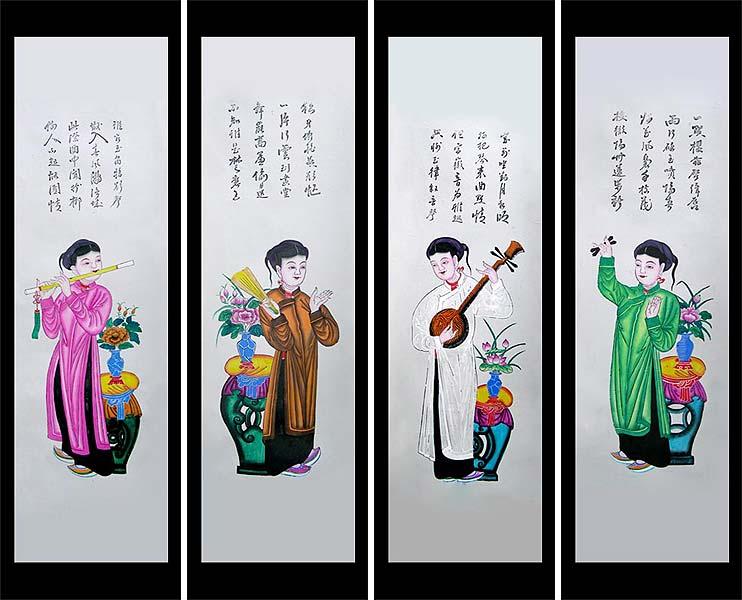
A collection of local spirit worship and ancestral veneration in VietnamTradition · Protection · Healing Living
🇻🇳 Vietnam and 1 moreVietnamese folk religiontín ngưỡng dân gian Việt Nam
A collection of local spirit worship and ancestral veneration in VietnamTradition · Protection · Healing Living