Healing
Folk and spiritual healing, said as tradition and never as medical advice.
Traditional healing joins remedy, ritual and relationship. Healers of many kinds are said to treat the body, the family and the spirit together: the curandero in Mexico and the Andes, the sangoma in southern Africa, the hakim in the Islamic world, the Ayurvedic vaidya, the Korean mudang and the Siberian shaman. This page describes these as traditions, not as medical advice. Illness needs real medical care. Healing is also the intent most often exploited, so the page states its limits plainly.
How tradition frames illness
Many traditions treat illness as a matter of balance, relationship or disturbance, not only of the body. A sickness may be linked to an offended ancestor, a broken taboo, soul loss, envy, or a spirit. Treatment therefore includes consultation, confession, offerings, cleansing and a family gathering. Healers describe the aim as restoring a person's place in the community. Examples include the sweating, singing and plant rites of the Americas, the chanting and massage of Southeast Asia, and the Ayurvedic and Unani systems of South Asia, each with its own theory and texts.
Healers and training
Healers are called, apprenticed or hereditary. A sangoma is described as called by ancestors, often after an illness, and trained under a senior. In many places, healers are women, midwives and elders, whose standing does not come from a licensed degree. Governments have set up registers: South Africa recognised traditional health practitioners by law in 2007, and India supports Ayurveda through its AYUSH ministry. The ritual side is often described as being as important as the remedy, since attention, ceremony and support from family are part of the experience.
Working with medicine
Many people use traditional and clinical care side by side. Some healers refer patients to clinics and some campaigns in Africa have trained them to do so. Problems arise when ritual replaces treatment: delayed care for serious illness, harmful substances, and bans on medicine have cost lives. The World Health Organization supports research on traditional medicine while insisting on evidence for safety and effect. Patients also say the healer sat with them for hours, gave time and attention, and spoke the local language, which busy clinics may not manage.
Fraud and abuse
Fake healers exist everywhere: sellers of miracle cures, practitioners who charge to remove a curse, and exorcists who beat or starve people with mental illness. In several countries the courts have prosecuted deaths during exorcism. Scholars separate what communities value in healing, such as attention and meaning, from claims about cure, which should be tested. None of this removes the need to see a doctor for serious or lasting symptoms, and people should not stop prescribed treatment because of a ritual or a remedy.
Healing on EveryJaadu
The entries written up so far, best known first.
 🇺🇸 United States and 1 moreOjibwe religion
The traditional spiritual practices of the Ojibwe people of North AmericaTradition · Healing · Luck and prosperity Living
 🇭🇹 HaitiBaron Samedi
A Haitian Vodou spirit of the dead who also controls healing and resurrection.Being · Healing · Cursing and harm Living
 🇧🇴 Bolivia and 2 moreYatiri
A lightning-struck healer in Aymara communities who restores balance with nature and ancestorsTradition · Healing · Speaking with spirits and the dead Living
 🇰🇪 Kenya and 1 moreMaasai religion
The spiritual beliefs of the semi-nomadic Maasai people of East AfricaTradition · Protection · Healing Living
 🇪🇬 Egypt and 5 moreSacred dance
Movement used in worship to honour deities, heal communities, or connect with the spirit world.Tradition · Protection · Healing Living
 🇨🇺 Cuba and 5 morePalo
An Afro-Cuban religion centered on spirit vessels and ancestral powerTradition · Healing · Cursing and harm Living
🇯🇵 JapanYutaユタ
Okinawan folk shamans who guide families through spirits and fortune-tellingTradition · Protection · Healing Living
 🇸🇷 SurinameWinti
An Afro-Surinamese tradition of spirit veneration and ancestral worshipTradition · Protection · Healing Living
 🇺🇸 United States and 3 moreSandpainting
A ritual art of pouring colored sand to create temporary images for healing or spiritual teachingTradition · Healing · Speaking with spirits and the dead Living
 🇿🇦 South AfricaSympathetic magic
A magical principle based on imitation or contact between objectsTradition · Protection · Healing Historical
 🇲🇦 Morocco and 5 moreGnawa musicڭْناوة or كْناوة
A Moroccan ritual music tradition rooted in West African heritage and Islamic practiceTradition · Healing · Speaking with spirits and the dead Living
 🇮🇳 India and 1 moreAghoriअघोर
An ascetic monastic order of Shaivite sadhus known for antinomian rituals in cremation groundsTradition · Healing · Change and initiation Living
 🇫🇷 France and 1 moreLaying on of handsסמיכה
A physical gesture used across religions to convey authority, healing, or spiritual presence.Rite · Healing · Power and authority Living
 🇿🇦 South Africa and 5 moreTraditional healers of Southern Africa
Practitioners who blend herbal medicine with ancestral divination in Southern AfricaTradition · Healing · Protection Living
 🇮🇳 IndiaKamakhya Templekamakhya mondir
A Hindu temple in Assam known for its yoni shrine and the Ambubachi Mela festivalTradition · Protection · Healing Living
 🇵🇪 Peru and 5 morePachamama
The Andean mother goddess of space-time and the earthBeing · Protection · Healing Living
 🇳🇬 Nigeria and 4 moreJuju
A West African spiritual belief system involving charms and ritualsTradition · Healing · Luck and prosperity Living
 🇷🇺 Russia and 5 moreSlavic religion
The pre-Christian beliefs of the Slavic peoples before their conversion to Christianity.Tradition · Protection · Healing Revived
 🇮🇳 India and 5 moreSpirit possession
A state where a human body is controlled by an external spirit or deityBelief · Healing · Seeing and foretelling Living
 🇬🇹 Guatemala and 3 moreMaya religion
The living spiritual practices of the Maya peoples, shaped by centuries of contact with Catholicism.Tradition · Protection · Healing Living
 🇺🇸 United StatesHawaiian religion
The traditional spiritual practices of the Indigenous people of Hawaiʻi, centered on deities and ancestral guardians.Tradition · Protection · Speaking with spirits and the dead Living
🇿🇼 Zimbabwe and 2 moreMwari
The supreme creator deity of Shona and Venda traditional religionBeing · Protection · Healing Living
 🇰🇷 South KoreaGut굿
Rites performed by Korean shamans to commune with spirits and ensure community welfare.Rite · Protection · Speaking with spirits and the dead Living
 🇵🇪 Peru and 1 moreQuyllurit'iQoyllur Rit'i
A syncretic Andean pilgrimage celebrating the Pleiades and the Lord of Star SnowTradition · Protection · Healing Living
 🇵🇭 PhilippinesWitchcraft in the Philippinespangkukulam
Indigenous beliefs about sorcery and malevolent magic in the PhilippinesTradition · Cursing and harm · Healing Living
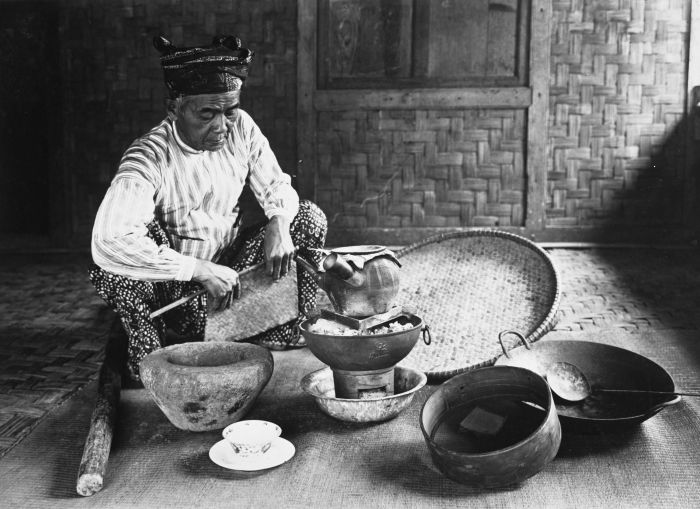 🇮🇩 Indonesia and 2 moreDukun
A traditional healer and spirit medium in Indonesian folk practiceTradition · Healing · Seeing and foretelling Living
 🇨🇳 China and 3 moreHmong folk religionKev Dab Qhuas
The ethnic religion of the Miao and Hmong peoples, centered on spirit worship and shamanic healing.Tradition · Healing · Protection Living
 🇿🇦 South Africa and 4 moreWitch doctor
A traditional healer who identifies supernatural causes of illness and performs rituals to restore balance.Tradition · Healing · Protection Living
 🇸🇪 Sweden and 1 moreNoaidi
A Sámi spiritual leader who mediated between the living and the spirit world using a drum.Being · Healing · Protection Historical
 🇵🇪 Peru and 1 moreApu
Sacred mountain spirits in Andean tradition that protect communities and control natural resourcesBeing · Protection · Healing Living
 🇹🇬 TogoAkodessawa Fetish MarketMarché des Féticheurs
A market in Togo selling ritual objects for Vodún practiceTradition · Power and authority · Healing Living
 🇨🇱 Chile and 1 moreMachi
Mapuche spiritual authorities and healers who bridge herbal knowledge and spirit realmsTradition · Healing · Speaking with spirits and the dead Living
 🇨🇱 Chile and 1 moreMapuche religion
The traditional spiritual practice of the Mapuche people of Chile and ArgentinaTradition · Protection · Healing Living
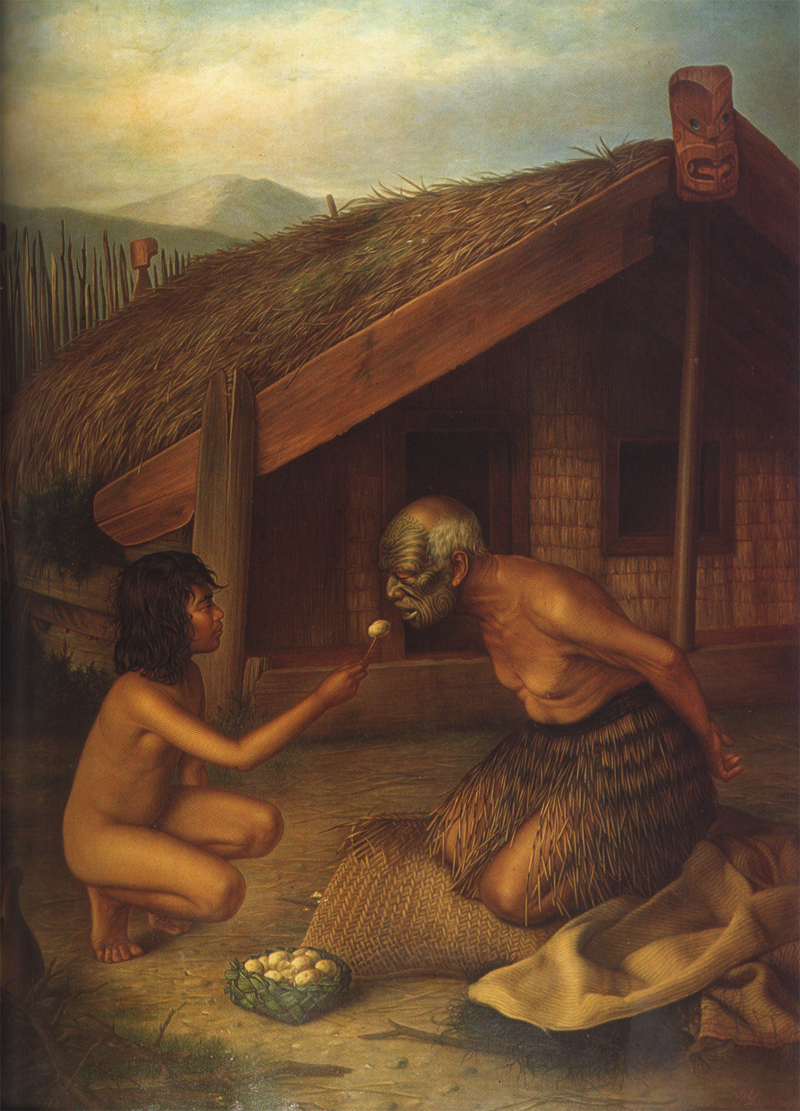 🇳🇿 New ZealandTohunga
A Māori expert practitioner of sacred or secular arts, from priests to carvers.Tradition · Healing · Seeing and foretelling Living
 🇺🇸 United States and 3 moreHoodoo
A spiritual tradition of the African diaspora in the American South using herbs and charms for protection and justice.Tradition · Protection · Healing Living
🇸🇪 Sweden and 3 moreRunic magic
The use of ancient Germanic letters for spells, divination, and protectionTradition · Protection · Seeing and foretelling Living
 🇦🇷 Argentina and 2 moreSan La Muerte
A skeletal folk saint venerated in South America for protection and favorsTradition · Protection · Healing Living
 🇷🇺 Russia and 2 moreSiberian Shamanism
Spirit journey and healing rituals of North Asian ethnic groupsTradition · Healing · Speaking with spirits and the dead Fading
🇵🇪 PeruVegetalismo
A Peruvian Amazon healing tradition rooted in plant spirits and ayahuasca ceremoniesTradition · Healing · Protection Living
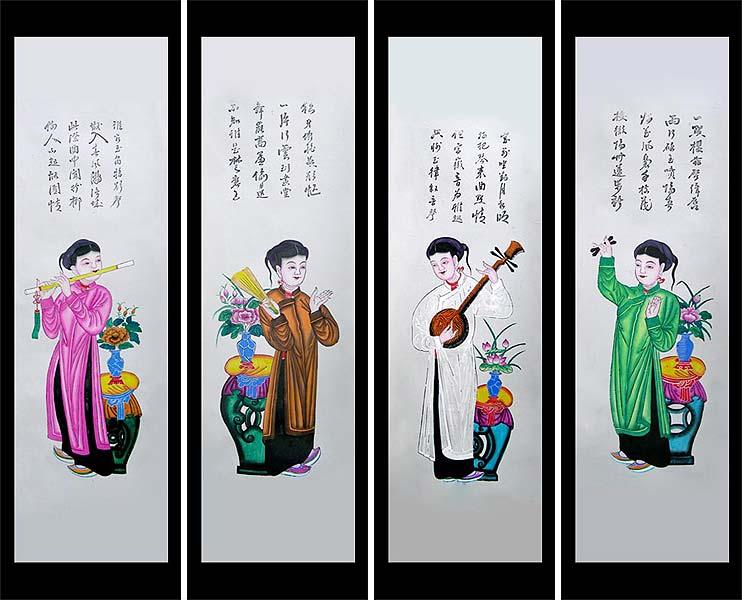 🇻🇳 Vietnam and 1 moreVietnamese folk religiontín ngưỡng dân gian Việt Nam
A collection of local spirit worship and ancestral veneration in VietnamTradition · Protection · Healing Living
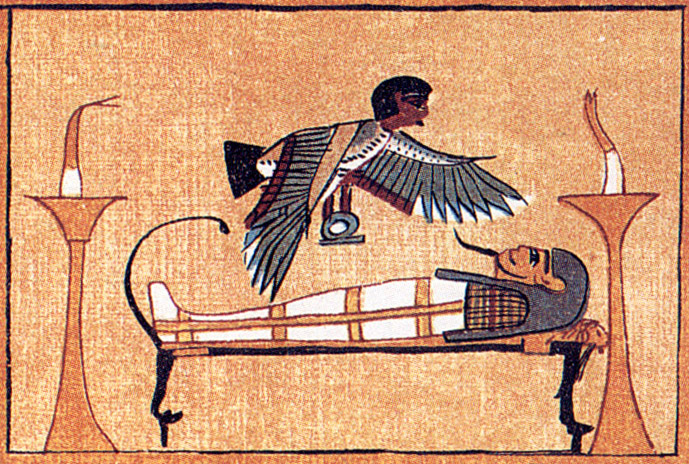 🇪🇬 Egypt and 1 moreSoul flight
A shamanic trance journey in which the soul is said to leave the bodyRite · Healing · Seeing and foretelling Living
🇲🇾 Malaysia and 1 moreBomohبوموه
A Malay traditional healer and spirit worker found in Malaysia and Indonesia.Tradition · Healing · Protection Living
 🇯🇵 JapanShugendō修験道
A Japanese mountain ascetic path blending Esoteric Buddhism, Shinto, and folk ritualsTradition · Protection · Healing Living
 🇺🇸 United StatesNavajo medicine
Traditional healing practices of the Navajo people focused on restoring harmonyTradition · Healing · Protection Living
 🇬🇹 GuatemalaMaximónRi Laj Mam
A Maya folk saint and trickster deity venerated in the Guatemalan HighlandsBeing · Protection · Healing Living
 🇪🇪 Estonia and 5 moreSoul dualism
A belief that a person possesses two or more distinct kinds of souls.Belief · Healing · Speaking with spirits and the dead Historical
 🇺🇸 United StatesKahuna
A Hawaiian expert or priest, keeper of hidden knowledge in craft and spiritTradition · Healing · Seeing and foretelling Living
 🇵🇭 PhilippinesBabaylan
Spiritual leaders of pre-colonial Philippines who mediated with the unseen world.Tradition · Healing · Seeing and foretelling Historical
Photo credits on this page
The small pictures above come from Wikimedia Commons under free licences. Some are cropped to fit.
- Sacred dance: Jorge Barrios, CC BY-SA 3.0, source
- Folk saint: Sergio Serrano, CC BY-SA 2.0, source
- Baron Samedi: markbenecke, CC BY-SA 4.0, source
- Xtabay: Unknown author, Public domain, source
- Maximón: Sapfan (Jan Pesula), Public domain, source
- Soul dualism: 尹真人, Public domain, source
- Kahuna: Unknown author, Public domain, source
- Babaylan: Hptina24, CC BY-SA 4.0, source
- Yatiri: EEJCC, CC BY-SA 4.0, source
- Philippine mythology: The original uploader was Rodsan18 at English Wikipedia . ( Original t, CC BY 2.5, source
- Maasai religion: Dr. Ondřej Havelka (cestovatel), CC BY 4.0, source
- Ojibwe religion: Ryan Hodnett, CC BY-SA 4.0, source
- Palo: Burkhard Mücke, CC BY-SA 4.0, source
- Winti: G. Glaser (Fotograaf/photographer)., CC BY-SA 3.0, source
- Sandpainting: Mnolf, CC BY-SA 3.0, source
- Sympathetic magic: Marie-Lan Nguyen, CC BY 2.5, source
- Gnawa music: Lucyin, CC BY-SA 4.0, source
- Aghori: Retratistadelsur, CC BY-SA 4.0, source
- Laying on of hands: User:Lipsio, CC BY 3.0, source
- Traditional healers of Southern Africa: Wizzy, CC BY-SA 3.0, source
- Kamakhya Temple: JyotiPN, CC BY-SA 4.0, source
- Pachamama: Penarc, CC BY-SA 3.0, source
- Juju: ILN Staff, after special artist correspondent Mr Harries F.R.G.S., Public domain, source
- Slavic religion: Alphonse Mucha, Public domain, source
- Spirit possession: Unknown author, CC BY 4.0, source
- Hawaiian religion: Jacques Arago, Public domain, source
- Gut: ReSearcher at English Wikipedia, CC BY-SA 3.0, source
- Quyllurit'i: AgainErick, CC BY-SA 3.0, source
- Dukun: Unknown author, CC BY-SA 3.0, source
- Hmong folk religion: Thomas Riccio, CC BY 4.0, source
- Witch doctor: Lucjan Wędrychowski, Public domain, source
- Noaidi: O. H. von Lode, Public domain, source
- Apu: Cecilia Sacsa, CC BY-SA 4.0, source
- Akodessawa Fetish Market: Alexander Sarlay, CC BY-SA 4.0, source
- Machi: Unknown author, Public domain, source
- Mapuche religion: Gary Todd, CC0, source
- Tohunga: Gottfried Lindauer, Public domain, source
- Hoodoo: Hoodoowoman, CC BY-SA 4.0, source
- Siberian Shamanism: Аркадий Зарубин, CC BY-SA 3.0, source
- Vietnamese folk religion: Unknown (traditional painting dated back to the 17th century), Public domain, source
- Soul flight: Published by James Wasserman; facsimile made by E. A. Wallis Budge; or, Public domain, source
- Shugendō: 唐山健志郎 (Kenshiro Karayama), CC BY-SA 3.0, source
- Navajo medicine: Edward S. Curtis, Public domain, source