
Noaidi
A Sámi spiritual leader who mediated between the living and the spirit world using a drum.
The noaidi served as a traditional healer and protector within Sámi communities across the Nordic countries. They acted as intermediaries to spirits, using ritual drums to seek balance for health and hunting success before practices largely vanished during Christianization efforts in the seventeenth century.
- Noaidis used drums to mediate between humans and spirits.
- Practices declined due to resistance against Christianization.
- Lars Nilsson was executed for sorcery in 1693.
- Women like Rijkuo-Maja also served as noaidis.
- Joik chants preserved shamanistic musical traditions.
What it is
The noaidi functioned as a spiritual mediator within Sámi society, bridging the gap between human beings and the spirit realm. These individuals were regarded as healers and guardians who could communicate with benevolent entities to restore harmony. Their work involved negotiating sacrifices to rebalance the mortal and immortal spheres, ensuring community well-being and successful hunts. The role required deep wisdom and often involved financial compensation for services rendered, including protecting vital resources like reindeer herds.
Where it comes from
These practices emerged from indigenous Sámi traditions but faced severe suppression during the seventeenth century. Resistance to Christianization and royal authority led to their decline. Legal records and missionary accounts document how these figures were prosecuted for sorcery. In some instances, executions occurred, such as the case of Lars Nilsson in 1693, reflecting state efforts to eliminate opposition rather than purely religious concerns. Prior to legal reforms in 1858, Lutheran doctrine strictly prohibited other religious expressions.
How it is done
Practitioners utilized a sacred drum as their primary instrument to invoke spiritual assistance. They engaged in out-of-body travel, guided by the 'free soul' while assisted by community members. This journey allowed them to access the netherworld, distinct from the mundane 'body soul.' Rituals included chanting and specific musical forms known as joiks, which mimicked natural sounds or resembled magic spells. These performances facilitated communication with spirits to determine necessary offerings for healing or protection.
Tools and materials
The central artifact was the traditional drum, serving as both symbol and functional tool for divination and spirit invocation. Additional items included belts and other excavated materials found in historical sites. The drum enabled the practitioner to navigate spiritual boundaries. Chanting techniques, particularly the 'mumbling' style of joik, complemented the physical instruments. These auditory methods helped mimic environmental sounds or achieve altered states of consciousness necessary for spiritual travel.
Noaidi, drawn and placed
- Living
- Revived
- Fading
- Historical
- Legendary
- Performed
- Lineage
- Sámi religious practices
- Timing
- during illness or hunting crises
What it is for
Communities sought noaidis for healing illnesses, aiding children, and making critical decisions. They also protected reindeer, which provided essential food and tribute payments. The core objective was reestablishing balance between the physical and spiritual worlds. By identifying required sacrifices, the noaidi aimed to secure good health and hunting prosperity. Their interventions addressed crises where ordinary measures failed, relying on spiritual negotiation rather than direct action.
Who does it
Historically, men were believed to exclusively hold this role, though records confirm women like Rijkuo-Maja and Anna Greta Matsdotter also practiced. Training involved acquiring wisdom and mastering drum usage and chant styles. Practitioners operated as respected mediators, often receiving payment for their specialized knowledge. Their status allowed them to influence community decisions and manage relationships with unseen forces. Gender restrictions appear to have been challenged by notable female practitioners in later centuries.
Peoples and places
The tradition belongs primarily to the Sámi people across Nordic regions. Similar shamanistic elements appear in certain Siberian cultures, suggesting broader regional connections. Court protocols, folk tales, and archaeological finds provide evidence of these practices. Swedish authorities and priests actively suppressed these customs, labeling them sorcery. Despite persecution, remnants survived in musical traditions, preserving aspects of the original spiritual framework through song and performance.
At a glance: who, where and when
What people believe
Sámi cosmology distinguished between the 'free soul' and the 'body soul,' with only the former capable of traversing spiritual realms. Spirits governed health and fortune, requiring appeasement through proper rituals. Balance between mortal and immortal spheres was essential for survival. The noaidi interpreted spiritual needs and prescribed sacrifices to maintain this equilibrium. Beliefs emphasized interconnectedness between humans, animals, and supernatural entities, with the drummer acting as the crucial link.
When it is done
Activities occurred during crises such as illness or hunting failures rather than fixed calendar dates. Joiking and drumming formed part of shamanistic rites performed when spiritual intervention was needed. Some chants resembled magic spells used in specific contexts. Musical traditions preserved these rhythms even after formal practices declined, adapting into styles sung by younger generations or resembling ancient incantations.
Questions people ask about Noaidi
What was the main role of a noaidi?
They acted as healers and mediators between humans and spirits, using drums to restore balance for health and hunting success.
Where did noaidi practices originate?
They originated among the Sámi people in the Nordic countries, with similarities to Siberian shamanic traditions.
Why did noaidi practices disappear?
Most died out in the seventeenth century due to resistance against Christianization and royal authority, leading to persecution.
Good reading and sources
The facts on this page come from the Wikipedia article "Noaidi", written by its contributors and used under the CC BY-SA 4.0 licence, and from its Wikidata record (CC0). EveryJaadu rewrote the text in its own words, with AI assistance, and compares every page with the article to make sure no passage is copied. It may be reused under the same CC BY-SA 4.0 licence with a link back.
It may contain mistakes. Names and customs differ from one community to the next, and some knowledge is closed to outsiders and left out here. This page describes belief and practice. It does not say that any of it works, it is not a how-to, and it is not medical advice. If something is wrong, tell us. Last refreshed 2026-10-06.
More from Sweden
All the entries from Sweden 🇸🇪 Sweden and 2 moreMjölnirMjǫllnir
The hammer of the Norse thunder god Thor, used as a weapon and for blessingsBeing · Cursing and harm · Protection Historical
🇸🇪 Sweden and 2 moreMjölnirMjǫllnir
The hammer of the Norse thunder god Thor, used as a weapon and for blessingsBeing · Cursing and harm · Protection Historical
 🇮🇸 Iceland and 3 moreDraugr
A malevolent undead revenant from Nordic folklore, often guarding buried treasure.Being · Cursing and harm · Luck and prosperity Legendary
🇮🇸 Iceland and 3 moreDraugr
A malevolent undead revenant from Nordic folklore, often guarding buried treasure.Being · Cursing and harm · Luck and prosperity Legendary
 🇳🇴 Norway and 1 moreHuldra
A seductive forest spirit of Scandinavian folklore with a hidden animal tail.Being · Protection Legendary
🇳🇴 Norway and 1 moreHuldra
A seductive forest spirit of Scandinavian folklore with a hidden animal tail.Being · Protection Legendary
 🇩🇪 Germany and 3 moreMare
A spirit that sits on sleepers to cause nightmares and physical distressBeing · Cursing and harm Historical
🇩🇪 Germany and 3 moreMare
A spirit that sits on sleepers to cause nightmares and physical distressBeing · Cursing and harm Historical
Related elsewhere
All being 🇸🇳 Senegal and 1 moreSerer religionA ƭat Roog
The traditional faith of the Serer people, centred on the supreme deity Roog and ancestral veneration.Tradition · Protection · Speaking with spirits and the dead Living
🇸🇳 Senegal and 1 moreSerer religionA ƭat Roog
The traditional faith of the Serer people, centred on the supreme deity Roog and ancestral veneration.Tradition · Protection · Speaking with spirits and the dead Living
 🇰🇪 Kenya and 1 moreMaasai religion
The spiritual beliefs of the semi-nomadic Maasai people of East AfricaTradition · Protection · Healing Living
🇰🇪 Kenya and 1 moreMaasai religion
The spiritual beliefs of the semi-nomadic Maasai people of East AfricaTradition · Protection · Healing Living
 🇹🇭 Thailand and 3 moreThai Buddha amuletsพระเครื่อง (phrakhrueang)
Sacred Buddhist images and relics worn for protection, merit, and fortune in Thailand.Charm · Protection · Luck and prosperity Living
🇹🇭 Thailand and 3 moreThai Buddha amuletsพระเครื่อง (phrakhrueang)
Sacred Buddhist images and relics worn for protection, merit, and fortune in Thailand.Charm · Protection · Luck and prosperity Living
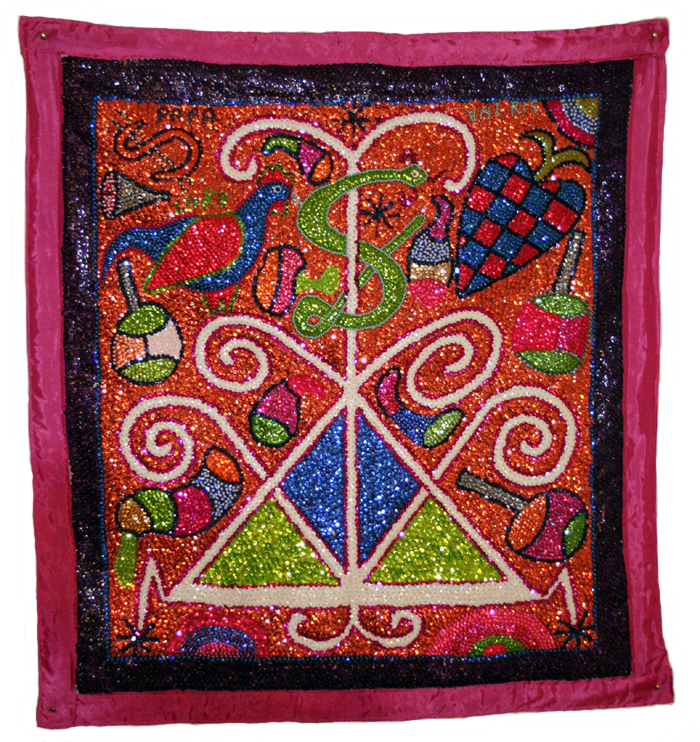 🇭🇹 Haiti and 2 moreHaitian VodouVodou
An Afro-Haitian religion blending West African traditions with Catholicism and FreemasonryTradition · Protection · Healing Living
🇭🇹 Haiti and 2 moreHaitian VodouVodou
An Afro-Haitian religion blending West African traditions with Catholicism and FreemasonryTradition · Protection · Healing Living