
Baron Samedi
from French Baron Samedi meaning Saturday Baron
A Haitian Vodou spirit of the dead who also controls healing and resurrection.
Baron Samedi is a loa in Haitian Vodou. He leads the Gede family and guards the boundary between life and death. Believers hold that he decides when souls enter the afterlife and can grant healing or curses.
- Head of the Gede family of spirits in Haitian Vodou.
- Controls the boundary between life and the afterlife.
- Offerings include rum, cigars, and black top hats.
- Believed to grant healing or prevent death by refusing graves.
- Observed on November 2 alongside All Souls' traditions.
What it is
Baron Samedi is a powerful spirit in Haitian Vodou. He serves as the head of the Gede family of lwa. These spirits manage death, burial, and resurrection. The Baron stands at the crossroads between the living world and the underworld. He greets new souls and guides them to their final rest. His presence marks the transition from life to death. He is often seen with his brothers, Baron Cimetière and Baron La Croix. Together they oversee the passage of the deceased.
Where it comes from
The name comes from the French phrase for Saturday Baron. This links him to the day of the week associated with burial rites. He emerged within the Vodou tradition of Haiti. The practice blends African spiritual beliefs with Catholic influences. The Baron represents the authority over the grave. His role solidified as communities sought guidance on matters of mortality and ancestral connection.
How it is done
Practitioners call upon the Baron during rituals involving the Gede. Offerings typically include rum and tobacco. Dancers may dress as skeletons or wear black tail coats. They mimic his nasal voice and crude behavior. This performance honors his chaotic nature. The ritual acknowledges his power over both disease and death. Participants seek his favor for protection or healing.
Tools and materials
Rum and cigars are central offerings. A black top hat and dark glasses represent his attire. Cotton plugs in the nostrils suggest a corpse prepared for burial. A cross placed at a cemetery crossroads marks his domain. This kwa Bawon symbolizes the meeting point of worlds. The longest standing male grave often claims his title.
Baron Samedi, drawn and placed
- Living
- Revived
- Fading
- Historical
- Legendary
- Performed
- Lineage
- Gede family of Lwa
What it is for
Believers ask the Baron for healing near death. He is believed to cure wounds if he deems it worthy. He holds the power to refuse digging a grave, thus preventing death. Conversely, he can enforce curses and black magic. People seek his aid in matters of ancestor worship. They rely on him to navigate the spiritual realm safely.
Who does it
Vodou priests and priestesses serve the Baron. They undergo training to channel the Gede spirits. Dancers embody the Baron's charismatic and vulgar persona. This requires deep knowledge of ritual movements. The practitioners act as intermediaries for the community. They maintain the balance between life and the afterlife through their service.
Peoples and places
The tradition is rooted in Haiti. It spread through the African diaspora. Communities in Louisiana and other regions recognize similar figures. The Gede family remains central to Haitian spiritual life. Their influence extends into popular culture globally. Yet the core practice stays within Vodou communities.
At a glance: who, where and when

What people believe
Vodou views death not as an end but a transition. The Baron controls this threshold. He is married to Maman Brigitte. Together they rule the spirit world. The belief holds that he possesses immense magical power. He can heal or harm based on his whims. His charisma makes him approachable despite his grim duties.
When it is done
November 2 is observed in connection with the Baron. This date aligns with All Souls' Day traditions. Rituals occur during funerals and memorial services. The Gede spirits are invoked whenever death enters the community. Seasonal festivals may also feature their presence.
Questions people ask about Baron Samedi
Who is Baron Samedi?
He is a leading spirit in Haitian Vodou. He heads the Gede family and manages death and resurrection. Believers see him as the gatekeeper to the underworld.
Where does this tradition come from?
It originates in Haiti. The practice combines West African spiritual beliefs with Catholic elements. The Baron reflects the community's view on mortality.
What does he do for people?
He is asked for healing near death. He can also curse enemies. Believers think he decides if a soul enters the grave or returns.
How is he honored?
Followers offer rum and tobacco. Dancers dress as skeletons to honor him. Rituals take place at cemeteries and during funerals.
Good reading and sources
- Baron Samedi on WikipediaEncyclopedia
- More photos on Wikimedia CommonsPhotos and video
- Wikidata recordOpen data
The facts on this page come from the Wikipedia article "Baron Samedi", written by its contributors and used under the CC BY-SA 4.0 licence, and from its Wikidata record (CC0). EveryJaadu rewrote the text in its own words, with AI assistance, and compares every page with the article to make sure no passage is copied. It may be reused under the same CC BY-SA 4.0 licence with a link back.
It may contain mistakes. Names and customs differ from one community to the next, and some knowledge is closed to outsiders and left out here. This page describes belief and practice. It does not say that any of it works, it is not a how-to, and it is not medical advice. If something is wrong, tell us. Last refreshed 2026-10-06.
More from Haiti
All the entries from Haiti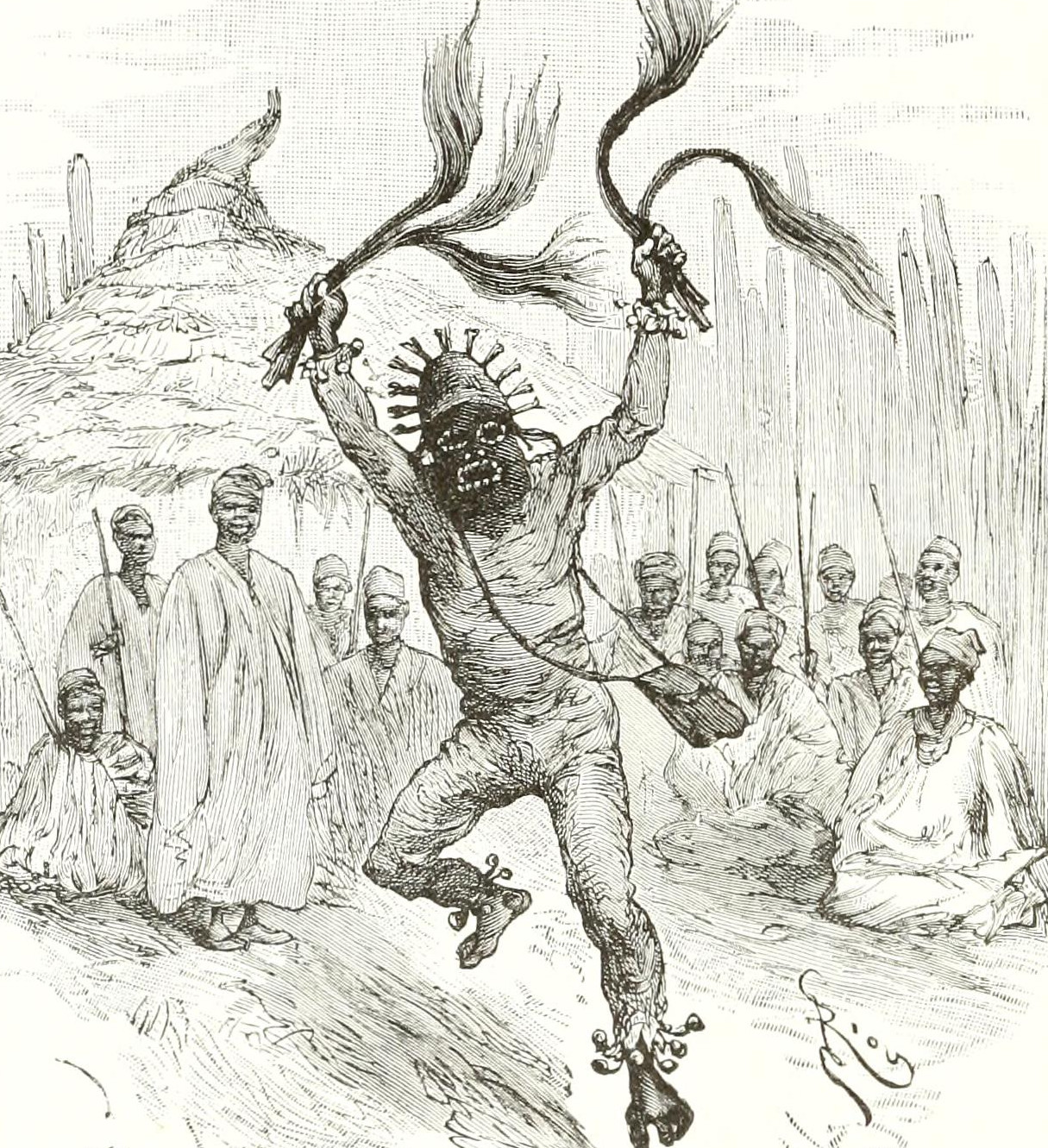 🇺🇸 United States and 2 moreLouisiana Voodoo
An African diasporic religion practiced in Louisiana from the 18th to early 20th centuriesTradition · Healing · Protection Historical
🇺🇸 United States and 2 moreLouisiana Voodoo
An African diasporic religion practiced in Louisiana from the 18th to early 20th centuriesTradition · Healing · Protection Historical
 🇺🇸 United States and 1 moreMarie Laveau
A New Orleans priestess and herbalist who led Louisiana Voodoo in the nineteenth centuryTradition · Healing · Protection Historical
🇺🇸 United States and 1 moreMarie Laveau
A New Orleans priestess and herbalist who led Louisiana Voodoo in the nineteenth centuryTradition · Healing · Protection Historical
 🇭🇹 Haiti and 1 moreEzili DantorÈzili Dantò
A fierce mother spirit in Haitian Vodou who protects the marginalized and demands loyalty.Being · Protection · Love and attraction Living
🇧🇯 Benin and 2 morePapa Legba
A loa who stands at the crossroads and opens the gate between people and spiritsBeing · Speaking with spirits and the dead · Power and authority Living
🇭🇹 Haiti and 1 moreEzili DantorÈzili Dantò
A fierce mother spirit in Haitian Vodou who protects the marginalized and demands loyalty.Being · Protection · Love and attraction Living
🇧🇯 Benin and 2 morePapa Legba
A loa who stands at the crossroads and opens the gate between people and spiritsBeing · Speaking with spirits and the dead · Power and authority Living
Related elsewhere
All being 🇨🇺 Cuba and 5 morePalo
An Afro-Cuban religion centered on spirit vessels and ancestral powerTradition · Healing · Cursing and harm Living
🇨🇺 Cuba and 5 morePalo
An Afro-Cuban religion centered on spirit vessels and ancestral powerTradition · Healing · Cursing and harm Living
 🇭🇷 Croatia and 5 moreVilavila (Serbian: вила), víla (Bulgarian: ви́ла)
Slavic nature spirits known for healing, storms, and deadly dancesBeing · Protection · Cursing and harm Legendary
🇭🇷 Croatia and 5 moreVilavila (Serbian: вила), víla (Bulgarian: ви́ла)
Slavic nature spirits known for healing, storms, and deadly dancesBeing · Protection · Cursing and harm Legendary
 🇸🇳 Senegal and 1 moreSerer religionA ƭat Roog
The traditional faith of the Serer people, centred on the supreme deity Roog and ancestral veneration.Tradition · Protection · Speaking with spirits and the dead Living
🇸🇳 Senegal and 1 moreSerer religionA ƭat Roog
The traditional faith of the Serer people, centred on the supreme deity Roog and ancestral veneration.Tradition · Protection · Speaking with spirits and the dead Living
 🇹🇭 Thailand and 3 moreThai Buddha amuletsพระเครื่อง (phrakhrueang)
Sacred Buddhist images and relics worn for protection, merit, and fortune in Thailand.Charm · Protection · Luck and prosperity Living
🇹🇭 Thailand and 3 moreThai Buddha amuletsพระเครื่อง (phrakhrueang)
Sacred Buddhist images and relics worn for protection, merit, and fortune in Thailand.Charm · Protection · Luck and prosperity Living