
Hoodoo
Likely from Ewe Hudu meaning spirit work or an alteration of Voodoo.
A spiritual tradition of the African diaspora in the American South using herbs and charms for protection and justice.
Hoodoo is a set of magical and ritual practices developed by enslaved Africans in the Southern United States. It blends West African beliefs with Native American plant knowledge and Christian elements to seek healing, protection, and fairness.
- Developed by enslaved Africans in the US South.
- Uses mojo bags and graveyard dirt.
- Called rootwork or conjure in some regions.
- Blends African, Native American, and Christian elements.
- Used for protection and resistance against slavery.
What it is
Hoodoo is a complex system of spiritual observances and magical practices found primarily in the Southern United States. It draws from traditional African religions and Native American ethnobotany. Practitioners use rituals to heal, protect, and seek justice. The tradition often mixes with Christianity, Islam, or Spiritualism. It is not a single organized church but a flexible set of customs. People call those who practice it rootworkers or conjure doctors. They use plants and objects to influence events.
Where it comes from
The tradition emerged during slavery in the United States. Enslaved people from West and Central Africa brought their beliefs. They combined these with local American plants and European grimoires. The Bakongo people contributed significantly to its structure. Many enslaved individuals came from regions now known as Congo and Angola. They adapted their old ways to survive in a new land. The term Hoodoo appeared in English records around 1870. Its exact roots remain unclear to historians.
How it is done
Practitioners perform specific actions to achieve results. They might bury items or burn herbs. Mojo bags containing special ingredients are common tools. Some use graveyard dirt for power or protection. Rituals often involve praying or chanting. People may anoint themselves with oils or water. Actions are taken to calm angry masters or stop whippings. Others use magic to harm enemies or bring bad luck to oppressors. The methods rely on intent and the right materials.
Tools and materials
Roots and plants form the core of the toolkit. Graveyard dirt is used to connect with ancestors. Candles provide light and focus for spells. Bags hold charms and protective items. These objects are called mojo bags or gris-gris. Practitioners select materials based on their properties. Some items come from the wild. Others are bought from stores. The combination of items creates the desired effect.
Hoodoo, drawn and placed
- Living
- Revived
- Fading
- Historical
- Legendary
- Performed
- Lineage
- Afro-Diasporic religion
- Timing
- during crises and daily life
What it is for
People seek Hoodoo for protection against harm. They ask for healing from illness or injury. Justice is a major goal for many practitioners. Victims of abuse use it to fight back. Some seek love or good fortune. Others want to confuse pursuers or dogs. The tradition helps people cope with danger. It offers a way to control fate when other options fail. It provides comfort and strength in difficult times.
Who does it
Rootworkers guide people through spiritual challenges. They learn through experience or family teaching. Some are seen as having natural gifts. Conjure men and women serve their communities. They advise on what to do in hard situations. Their status comes from their ability to help. People visit them for advice and remedies. Training is often informal and practical. Knowledge passes between trusted individuals.
Peoples and places
The tradition belongs to African Americans in the South. It is strong in the Carolinas and Georgia. Gullah communities preserve many older customs. Enslaved people created it as a form of resistance. They hid their practices to avoid punishment. Different groups mixed African and American beliefs. The Bakongo influence is visible in cosmograms. West African Vodun also left its mark. The tradition spread through migration and trade.
At a glance: who, where and when
Who does it
Occasions




What people believe
Hoodoo believes in unseen forces that affect life. Spirits and ancestors can help or hinder. Nature holds power in plants and stones. Actions in the physical world change spiritual reality. Respect for the dead is central to the practice. Justice balances the scales of suffering. The tradition acknowledges both good and evil powers. Practitioners navigate these forces carefully. Wrong actions can bring bad luck.
When it is done
Rituals happen whenever needed. There are no fixed holy days for all. People act during crises or emergencies. Protection is sought before travel. Healing happens when sickness strikes. Some practices follow lunar cycles. Daily routines include small acts of care. The timing depends on the specific goal. Urgency often drives the timing of spells.
How scholars and sceptics see it
Researchers view Hoodoo as a survival strategy. It helped enslaved people maintain identity. Scholars note its syncretic nature. It blends many different religious sources. Historians study slave narratives for evidence. Anthropologists look at community structures. Some see it as a distinct religion. Others see it as folk magic. The debate continues among experts.
Cautions and what is closed
The tradition was dangerous under slavery. Practitioners faced severe punishment if caught. White enslavers feared the power of conjurers. Some accused rootworkers of causing harm. Violence against suspected practitioners occurred. Today, fraudsters sometimes exploit the name. Fake healers take money without providing service. Authentic practitioners warn against such scams. Misunderstanding can lead to conflict.
Compare and confuse
Hoodoo is often confused with Voodoo. Voodoo is an organized religion with priests. Hoodoo is more personal and flexible. They share some terms and ideas. Conjure is a synonym used in some areas. Rootwork refers to the herbal aspect. Both traditions have African roots. They differ in organization and belief structure.
Rites that involve Hoodoo
Questions people ask about Hoodoo
What is Hoodoo?
It is a spiritual tradition of the African diaspora in the American South. It uses magic and rituals for healing and protection. Practitioners blend African beliefs with local knowledge.
Where did it originate?
It arose from enslaved people in the Southern United States. They combined West African spirituality with Native American plants. The tradition evolved over centuries of struggle.
Who practices it?
African Americans, especially in the South, practice it. Rootworkers and conjure doctors guide others. It is often part of daily life rather than a church.
Is it the same as Voodoo?
No, they are different. Voodoo is an organized religion. Hoodoo is a set of magical practices. They share some history but differ in structure.
Good reading and sources
- Hoodoo (spirituality) on WikipediaEncyclopedia
- More photos on Wikimedia CommonsPhotos and video
- Wikidata recordOpen data
The facts on this page come from the Wikipedia article "Hoodoo (spirituality)", written by its contributors and used under the CC BY-SA 4.0 licence, and from its Wikidata record (CC0). EveryJaadu rewrote the text in its own words, with AI assistance, and compares every page with the article to make sure no passage is copied. It may be reused under the same CC BY-SA 4.0 licence with a link back.
It may contain mistakes. Names and customs differ from one community to the next, and some knowledge is closed to outsiders and left out here. This page describes belief and practice. It does not say that any of it works, it is not a how-to, and it is not medical advice. If something is wrong, tell us. Last refreshed 2026-10-05.
More from the United States
All the entries from the United States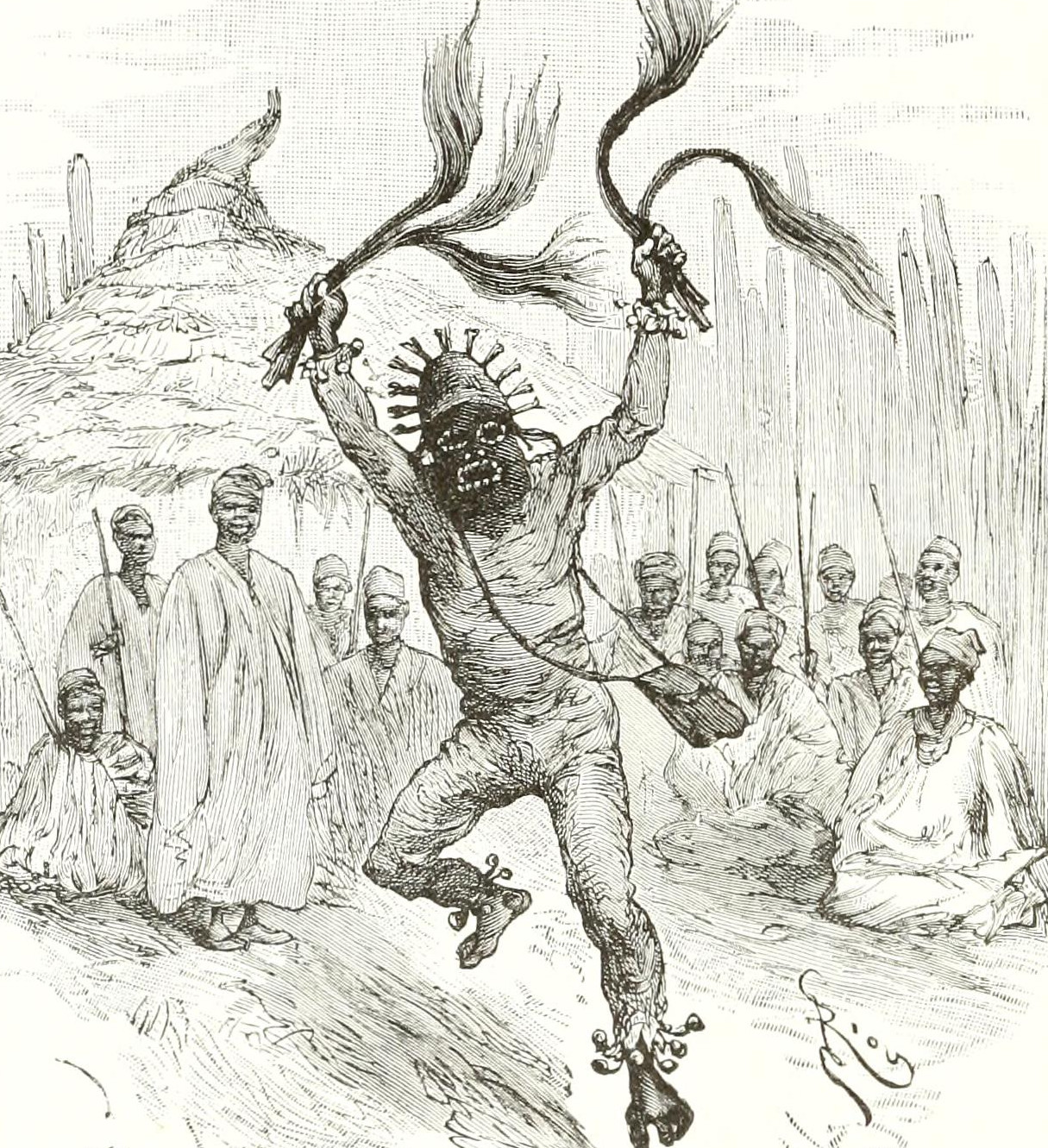 🇺🇸 United States and 2 moreLouisiana Voodoo
An African diasporic religion practiced in Louisiana from the 18th to early 20th centuriesTradition · Healing · Protection Historical
🇺🇸 United States and 2 moreLouisiana Voodoo
An African diasporic religion practiced in Louisiana from the 18th to early 20th centuriesTradition · Healing · Protection Historical
 🇺🇸 United StatesFolk healer
An unlicensed community member who provides healing care using local plants and traditional knowledge.Tradition · Healing · Protection Historical
🇺🇸 United StatesFolk healer
An unlicensed community member who provides healing care using local plants and traditional knowledge.Tradition · Healing · Protection Historical
 🇺🇸 United States and 1 moreMedicine wheel
Circular stone formations built by Indigenous peoples of North America for ceremony and astronomy.Tradition · Speaking with spirits and the dead · Power and authority Living
🇺🇸 United States and 1 moreMedicine wheel
Circular stone formations built by Indigenous peoples of North America for ceremony and astronomy.Tradition · Speaking with spirits and the dead · Power and authority Living
 🇺🇸 United States and 1 moreGroundhog DayGrund'sau dåk
A North American custom using a burrowing rodent to forecast the end of winterTradition · Seeing and foretelling · Luck and prosperity Living
🇺🇸 United States and 1 moreGroundhog DayGrund'sau dåk
A North American custom using a burrowing rodent to forecast the end of winterTradition · Seeing and foretelling · Luck and prosperity Living
Related elsewhere
All tradition 🇿🇦 South AfricaSympathetic magic
A magical principle based on imitation and contact to influence the worldTradition · Protection · Healing Historical
🇨🇬 Republic of the CongoNkisi
Spirit containers and power figures from the Congo Basin used for justice and healingCharm · Protection · Healing Living
🇿🇦 South AfricaSympathetic magic
A magical principle based on imitation and contact to influence the worldTradition · Protection · Healing Historical
🇨🇬 Republic of the CongoNkisi
Spirit containers and power figures from the Congo Basin used for justice and healingCharm · Protection · Healing Living
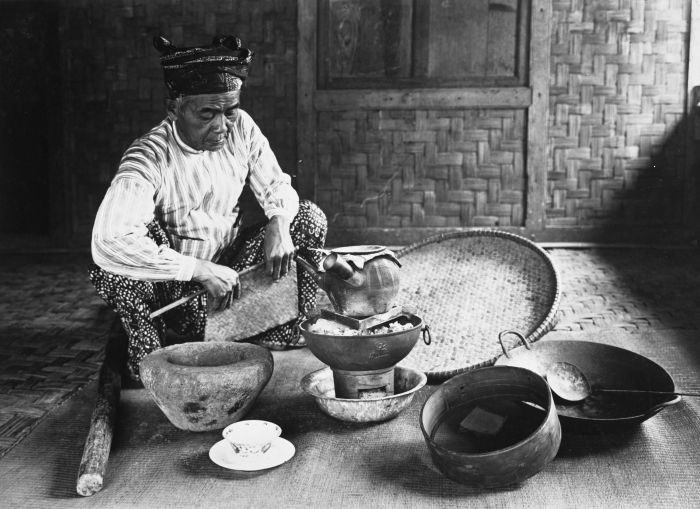 🇮🇩 Indonesia and 2 moreDukun
A traditional healer and spirit medium in Indonesian folk practiceTradition · Healing · Seeing and foretelling Living
🇮🇩 Indonesia and 2 moreDukun
A traditional healer and spirit medium in Indonesian folk practiceTradition · Healing · Seeing and foretelling Living
 🇯🇲 Jamaica and 5 moreObeah
A Caribbean tradition of ritual healing and spell-casting with African rootsTradition · Protection · Healing Living
🇯🇲 Jamaica and 5 moreObeah
A Caribbean tradition of ritual healing and spell-casting with African rootsTradition · Protection · Healing Living