
Gnawa music
In its own language: ڭْناوة or كْناوة
from Berber terms meaning 'black person', linked to historical regions of West Africa
Moroccan ritual music blending West African heritage with Islamic practice for healing and trance
Gnawa music is a body of religious songs and rhythms from Morocco that emerged in the 16th and 17th centuries. It preserves the cultural memory of enslaved West Africans through ritual poetry, dance, and instruments used to induce trance states during communal ceremonies.
- UNESCO recognized Gnawa as Intangible Cultural Heritage in 2019
- Music uses iron castanets and a three-string lute called guembri
- Lila ceremonies last all night to induce trance states
- Origins trace to enslaved West Africans in 16th-17th century Morocco
- Festival in Essaouira draws over 200,000 visitors annually
What it is
Gnawa music is a distinct musical tradition from Morocco that combines religious song, rhythm, and dance. It serves as a vessel for spiritual practice and cultural preservation. The music is characterized by repetitive chants and complex polyrhythms designed to facilitate altered states of consciousness. Practitioners view these performances not merely as entertainment but as sacred acts of communion with spiritual entities. The tradition maintains a strong identity rooted in the history of West African diaspora communities within North Africa.
Where it comes from
The tradition emerged between the 16th and 17th centuries through the fusion of West African cultures brought to Morocco via the trans-Saharan slave trade. Communities from the Hausa, Fulani, and Bambara peoples established a distinct diasporic identity. Their music preserved memories of slavery, including themes of abduction and suffering. Over time, conversion to Islam allowed for integration into Moroccan society while retaining specific ritual forms. The origins are also linked to the royal Black Guard of Morocco, reflecting a deep historical connection to the state.
How it is done
The core performance occurs during the lila, an all-night ceremony dedicated to prayer and healing. A master musician leads the group, using rhythmic patterns on iron castanets and a bass lute to call upon spirits. Participants engage in ecstatic dancing, often entering trance states known as jedba. The ritual involves burning specific incenses and wearing colored veils corresponding to different spiritual entities. The structure follows a strict sequence of musical suites, guiding participants through a symbolic journey toward balance and reintegration.
Tools and materials
Central instruments include the qraqab, heavy iron castanets played in continuous rhythmic patterns, and the hajhuj, a three-string lute with a drone-like sound. The guembri technique involves drop-thumb frailing to create percussive textures. Ritual tools also include various types of incense burned to represent different spiritual presences. Colored veils are used to signify the arrival of specific entities. These materials create the sonic and visual environment necessary for the trance-inducing aspects of the ceremony.
Gnawa music, drawn and placed
- Living
- Revived
- Fading
- Historical
- Legendary
- Performed
- Lineage
- Moroccan Islamic tradition with West African roots
- Timing
- all-night ceremonies from late evening until sunrise
What it is for
The primary intent is healing and spiritual balance. Participants seek to negotiate relationships with mluk, spiritual entities derived from Islamic saints and jinn. The rituals aim to appease offended spirits or strengthen existing bonds. By inducing trance, practitioners believe they can reintegrate fragmented parts of the self and restore harmony. The music also serves to reinforce community identity and preserve the historical memory of ancestors who were displaced through slavery.
Who does it
The maalem, or master musician, leads the ritual and holds significant authority within the community. They are accompanied by musicians playing castanets and dancers. A moqadma or shuwafa may assist with ritual accessories and clothing. Training involves initiation into specific brotherhoods or groups called zriba. Practitioners identify primarily as Moroccan Muslims, viewing their West African heritage as a secondary layer of identity. The role requires deep knowledge of the repertoire and spiritual protocols.
Peoples and places
The Gnawa people are concentrated in Morocco, with origins tracing back to regions from Senegal to Chad and Mali to Nigeria. While influenced by West African kingdoms, the tradition has evolved distinctly within Moroccan Islamic culture. The community maintains its identity through artistic expression rather than seeking return to ancestral homelands. Diaspora communities have also spread the music to other countries, including France, where it continues to be practiced and adapted.
At a glance: who, where and when
Who does it
Belief worlds
Occasions


What people believe
The worldview centers on the evocation of seven main manifestations of divine activity, represented by seven saints and mluk. Each entity is associated with specific colors, rhythms, and incenses. Spirits are treated as presences that interact with human consciousness during ecstatic states. The ritual recreates the genesis of the universe and the first sacrifice. Balance is achieved by addressing mental complexes and behaviors linked to these spiritual forces, restoring the energy that supports perceptible phenomena.
When it is done
Ceremonies typically occur at night, lasting from late evening until sunrise. The lila is a communal event that can happen frequently depending on individual needs or community gatherings. The Gnaoua World Music Festival in Essaouira takes place annually in June, providing a public platform for performance. This modern festival contrasts with private, sacred lilas that conserve the traditional spiritual status of the music.
How scholars and sceptics see it
Anthropologists and historians note the tradition's role in preserving the memory of slavery and diasporic identity. Scholars observe how Islamic conversion facilitated integration while maintaining distinct ritual forms. The music is analyzed for its complex rhythmic structures and melodic languages that emphasize tonic and fifth intervals. Researchers highlight the transition from sacred ritual to profane performance in contemporary contexts, noting the tension between spiritual authenticity and commercial adaptation.
Cautions and what is closed
The tradition involves animal sacrifice as part of some rituals, which assures the presence of spirits. Private ceremonies maintain strict protocols regarding spiritual engagement. Misunderstandings can arise when sacred practices are performed in secular festival contexts. There is a risk of cultural appropriation when elements are extracted from their ritual framework. Practitioners emphasize the importance of respecting the spiritual depth of the music beyond its musical qualities.
Compare and confuse
Gnawa shares similarities with other North African brotherhoods like the Issawa and Hamadsha, which also use music for spiritual purposes. However, Gnawa distinguishes itself through its West African instrumental heritage and specific focus on slave ancestry. Unlike purely secular genres, it retains liturgical elements. The fusion with jazz and blues in modern contexts creates new forms that differ significantly from traditional ritual performances.
Law and persecution
UNESCO inscribed Gnawa on the Representative List of the Intangible Cultural Heritage of Humanity in 2019. This recognition highlights its role in fostering social links and community identity. The nomination emphasized the tradition's effective transmission across generations. Legal protection helps preserve the cultural significance of the practice. Morocco supports the tradition as part of its national heritage, balancing preservation with modernization efforts.
Today
Gnawa music has modernized significantly, with many performances becoming profane and commercial. The Gnaoua World Music Festival attracts hundreds of thousands of visitors, showcasing fusion with jazz, blues, reggae, and hip-hop. Young musicians form bands that blend traditional sounds with contemporary genres. Despite this shift, private lilas continue to preserve the sacred aspects. The tradition faces challenges in maintaining spiritual integrity while engaging with global audiences and market demands.
Rites that involve Gnawa music
Questions people ask about Gnawa music
What is Gnawa music?
Gnawa music is a Moroccan tradition combining West African rhythms with Islamic ritual. It uses instruments like iron castanets and a bass lute to facilitate trance states during all-night ceremonies called lilas. The practice serves healing and spiritual communion purposes.
Where does Gnawa music come from?
It originated in Morocco between the 16th and 17th centuries. The tradition emerged from West African communities brought through the trans-Saharan slave trade. Groups like the Hausa, Fulani, and Bambara influenced its development while integrating into Moroccan Islamic culture.
What is the purpose of a Gnawa lila?
A lila is an all-night ceremony aimed at healing and spiritual balance. Participants enter trance states to commune with mluk, spiritual entities. The ritual seeks to appease spirits and restore harmony within the community and individuals through music and dance.
How has Gnawa music changed today?
Modern Gnawa often appears in secular festivals like the one in Essaouira. Musicians fuse traditional sounds with jazz, blues, and hip-hop. While private rituals preserve sacred elements, public performances have become more profane and commercially oriented.
Good reading and sources
The facts on this page come from the Wikipedia article "Gnawa music", written by its contributors and used under the CC BY-SA 4.0 licence, and from its Wikidata record (CC0). EveryJaadu rewrote the text in its own words, with AI assistance, and compares every page with the article to make sure no passage is copied. It may be reused under the same CC BY-SA 4.0 licence with a link back.
It may contain mistakes. Names and customs differ from one community to the next, and some knowledge is closed to outsiders and left out here. This page describes belief and practice. It does not say that any of it works, it is not a how-to, and it is not medical advice. If something is wrong, tell us. Last refreshed 2026-10-05.
More from Morocco
All the entries from Morocco 🇱🇾 Libya and 4 moreTraditional Berber religionAmazigh religion
Ancient beliefs of Northwest Africa centered on celestial bodies, caves, and ancestors.Tradition · Speaking with spirits and the dead · Luck and prosperity Historical
🇱🇾 Libya and 4 moreTraditional Berber religionAmazigh religion
Ancient beliefs of Northwest Africa centered on celestial bodies, caves, and ancestors.Tradition · Speaking with spirits and the dead · Luck and prosperity Historical
 🇬🇷 Greece and 5 moreBay Laurelδάφνη
An aromatic Mediterranean plant used in cooking and as a symbol of victory and purification.Substance · Protection · Cleansing and purification Living
🇬🇷 Greece and 5 moreBay Laurelδάφνη
An aromatic Mediterranean plant used in cooking and as a symbol of victory and purification.Substance · Protection · Cleansing and purification Living
 🇲🇦 Morocco and 5 moreWild rueاسپند
A desert plant whose seeds hold psychoactive alkaloids and serve as incense in the Middle East.Substance · Protection · Speaking with spirits and the dead Living
🇲🇦 Morocco and 5 moreWild rueاسپند
A desert plant whose seeds hold psychoactive alkaloids and serve as incense in the Middle East.Substance · Protection · Speaking with spirits and the dead Living
 🇸🇦 Saudi Arabia and 5 moreIslamic exorcismرقية
A rite to expel spirits through Quranic recitation and negotiationRite · Healing · Cleansing and purification Living
🇸🇦 Saudi Arabia and 5 moreIslamic exorcismرقية
A rite to expel spirits through Quranic recitation and negotiationRite · Healing · Cleansing and purification Living
Related elsewhere
All tradition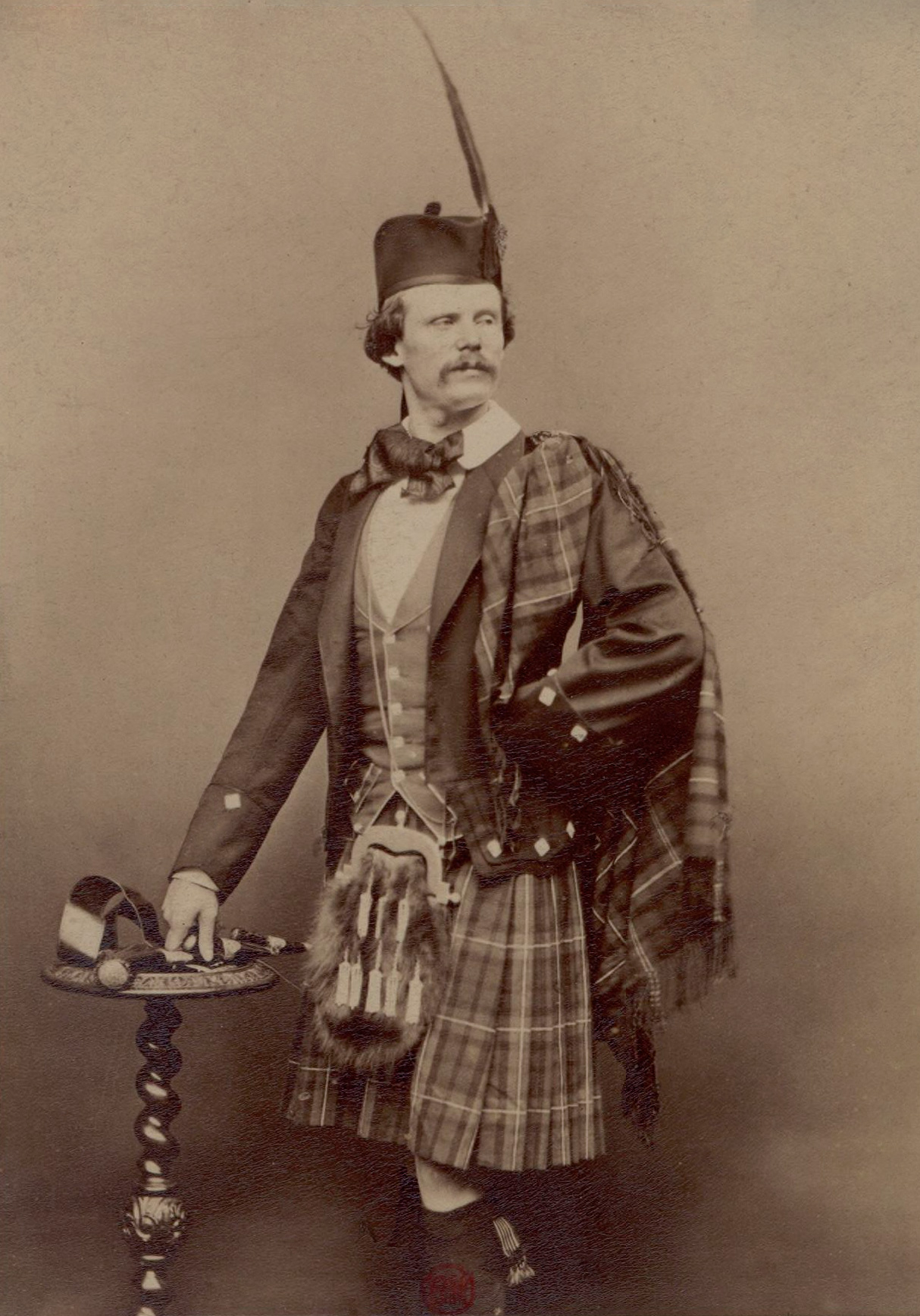 🇬🇧 United Kingdom and 2 moreDaniel Dunglas Home
A Scottish physical medium known for levitation and spirit communication during the Victorian era.Belief · Speaking with spirits and the dead · Wonder and entertainment Historical
🇬🇧 United Kingdom and 2 moreDaniel Dunglas Home
A Scottish physical medium known for levitation and spirit communication during the Victorian era.Belief · Speaking with spirits and the dead · Wonder and entertainment Historical
 🇪🇪 Estonia and 5 moreSoul dualism
A belief that a person contains two or more distinct kinds of soulsBelief · Healing · Speaking with spirits and the dead Historical
🇪🇪 Estonia and 5 moreSoul dualism
A belief that a person contains two or more distinct kinds of soulsBelief · Healing · Speaking with spirits and the dead Historical
 🇪🇸 Spain and 5 moreSt John's Eve
A Christian vigil marked by bonfires and plant gathering on the summer solstice eveRite · Protection · Speaking with spirits and the dead Living
🇪🇸 Spain and 5 moreSt John's Eve
A Christian vigil marked by bonfires and plant gathering on the summer solstice eveRite · Protection · Speaking with spirits and the dead Living
 🇮🇳 India and 1 moreMantraमन्त्रम्
A sacred sound or phrase repeated to focus the mind and invoke spiritual powerText · Speaking with spirits and the dead · Power and authority Living
🇮🇳 India and 1 moreMantraमन्त्रम्
A sacred sound or phrase repeated to focus the mind and invoke spiritual powerText · Speaking with spirits and the dead · Power and authority Living