
Gut
In its own language: 굿
from the native Korean word gud or kut
Rites performed by Korean shamans to commune with spirits and ensure community welfare.
Gut are rituals in Korean shamanism where a mudang (shaman) performs offerings, songs, and dances to gods and ancestors. The rites aim to create welfare and promote commitment between the spiritual and human worlds through purification and possession.
- Gut are Korean shamanic rites led by a mudang.
- White symbolises purity and is used in purification.
- Shamans change costumes multiple times during the rite.
- Naerim-gut initiates new shamans through possession.
- Ssitgim-gut cleanses the impurity of the deceased.
What it is
Gut are traditional rites in Korean shamanism, also known as Muism. A mudang, or shaman, leads these ceremonies to interact with gods, spirits, and ancestors. The practice involves rhythmic movements, songs, and prayers to establish welfare and strengthen the bond between the human and spirit worlds. It is a living tradition within Korea that blends performance with spiritual duty.
Where it comes from
The gut belongs to the indigenous religious system of Korea. Regional variations exist, such as the bon-puri myth recitations on Jeju Island, which parallel narratives found in mainland shamanism.
How it is done
The ritual begins with purification using fire and water to cleanse the altar and participants. The mudang wears colourful costumes, changing them multiple times throughout the phases called gori. Through song and dance, the shaman enters an ecstatic state, often becoming possessed by spirits. The rite includes offerings and sacrifices to invite divine intervention for human fortune.
Tools and materials
White is the primary colour, symbolising purity. White paper is burned for bodily purification. The altar is cleansed with fire and water. The shaman uses elaborate, multi-coloured costumes that serve as icons for the spirits being invoked, sometimes requiring cross-dressing to represent male authority figures.
Gut, drawn and placed
- Living
- Revived
- Fading
- Historical
- Legendary
- Performed
- Lineage
- Korean shamanism
- Timing
- around new year, spring, autumn, or at death
What it is for
Gut serves several functions: initiating new shamans, wishing prosperity for villages, cleansing the spirits of the deceased, and rescuing souls who died unjustly. Practitioners believe the rites remove spiritual impurity, allow the dead to enter the afterlife, and secure well-being and protection for the living community.
Who does it
A mudang performs the gut. They are chosen or initiated through spirit possession, often following a period of mental distress called sinbyeong. The role involves deep knowledge of myths and the ability to enter trance states. In some rites, female shamans wear male costumes to access patriarchal authority and parody social norms.
Peoples and places
The tradition is central to Korean shamanism. Major types include naerim-gut for initiation, dodang-gut for village prosperity in central provinces, and ssitgim-gut for the dead in the southwest. Regional differences shape the rituals, with Jeju Island featuring distinct myth recitations.
At a glance: who, where and when
Who does it
Peoples
Belief worlds

What people believe
Korean shamanism holds that spirits and gods influence human fortune. Purity is essential for communion; impurity blocks interaction. The dead cannot enter the spirit world without cleansing. Spirits can possess the shaman, who then acts as a medium. The ritual restores balance and resolves grievances between the living and the dead.
When it is done
Rites are linked to the lunar calendar or specific life events rather than the Gregorian calendar. Dodang-gut occur annually or every few years, typically around the New Year, spring, or autumn. Other gut are performed during crises, deaths, or initiations as needed.
Questions people ask about Gut
What is a gut?
A gut is a ritual in Korean shamanism performed by a mudang to commune with spirits and ensure welfare. It involves songs, dances, and offerings to connect the human and spirit worlds.
Who performs a gut?
A mudang, or Korean shaman, performs the gut. They are often initiated through spirit possession and act as intermediaries between humans and deities.
Why is white important in gut?
White represents purity in Korean shamanism. It is used extensively in rituals, including burning white paper to purify the body and clothing for the shaman.
What is the purpose of ssitgim-gut?
Ssitgim-gut is a rite to cleanse the impurity of a deceased person's spirit, allowing it to enter the world of the dead. It is common in southwestern South Korea.
Good reading and sources
The facts on this page come from the Wikipedia article "Gut (ritual)", written by its contributors and used under the CC BY-SA 4.0 licence, and from its Wikidata record (CC0). EveryJaadu rewrote the text in its own words, with AI assistance, and compares every page with the article to make sure no passage is copied. It may be reused under the same CC BY-SA 4.0 licence with a link back.
It may contain mistakes. Names and customs differ from one community to the next, and some knowledge is closed to outsiders and left out here. This page describes belief and practice. It does not say that any of it works, it is not a how-to, and it is not medical advice. If something is wrong, tell us. Last refreshed 2026-10-06.
More from South Korea
All the entries from South Korea 🇰🇷 South Korea and 3 moreKorean shamanism무속
A Korean folk religion centered on ritual specialists who mediate between humans and spiritsTradition · Protection · Healing Living
🇰🇷 South Korea and 3 moreKorean shamanism무속
A Korean folk religion centered on ritual specialists who mediate between humans and spiritsTradition · Protection · Healing Living
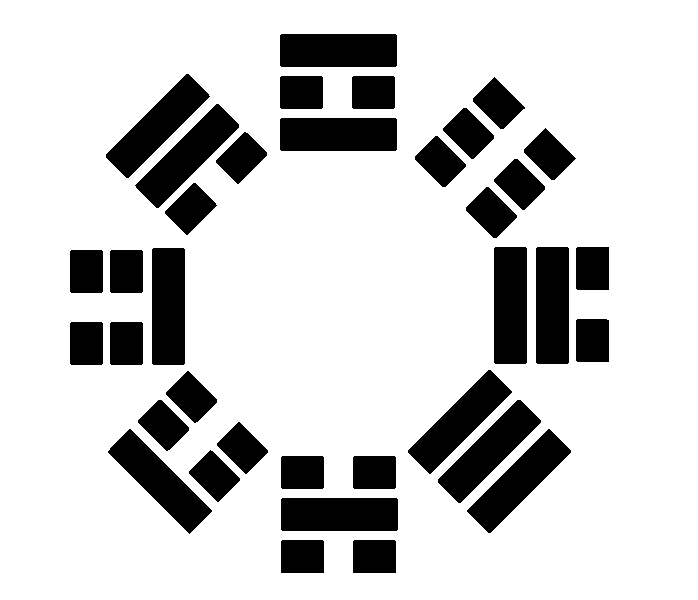 🇨🇳 China and 1 moreBagua八卦
A set of eight trigram symbols from China used in divination, cosmology, and feng shui.Tradition · Seeing and foretelling · Protection Living
🇰🇷 South Korea and 1 moreKorean shamanismKorean shamanism (Korean: Korean shamanism)
A traditional practice of ritual specialists who mediate between the human and spirit worlds.Tradition · Healing · Protection Living
🇨🇳 China and 1 moreBagua八卦
A set of eight trigram symbols from China used in divination, cosmology, and feng shui.Tradition · Seeing and foretelling · Protection Living
🇰🇷 South Korea and 1 moreKorean shamanismKorean shamanism (Korean: Korean shamanism)
A traditional practice of ritual specialists who mediate between the human and spirit worlds.Tradition · Healing · Protection Living
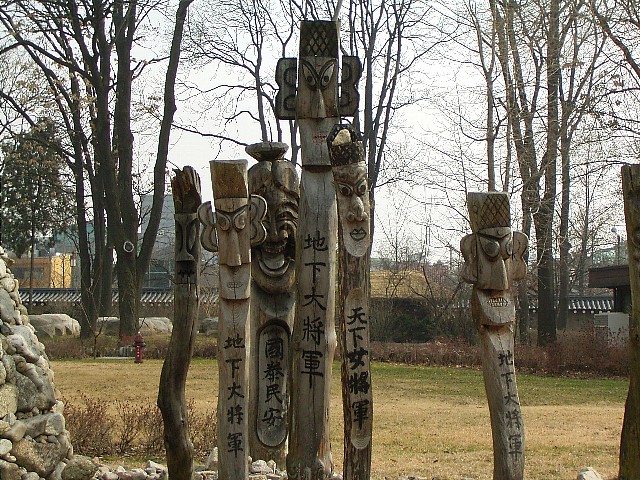 🇰🇷 South Korea and 1 moreJangseung장승
Wooden or stone poles that guard Korean villages and temples from evil spiritsTradition · Protection · Speaking with spirits and the dead Living
🇰🇷 South Korea and 1 moreJangseung장승
Wooden or stone poles that guard Korean villages and temples from evil spiritsTradition · Protection · Speaking with spirits and the dead Living
Related elsewhere
All rite 🇵🇪 Peru and 1 moreApu
Sacred mountain spirits in Andean tradition that protect communities and control natural resourcesBeing · Protection · Healing Living
🇵🇪 Peru and 1 moreApu
Sacred mountain spirits in Andean tradition that protect communities and control natural resourcesBeing · Protection · Healing Living
 🇵🇪 Peru and 5 morePachamama
The Andean mother goddess of space-time and the earthBeing · Protection · Healing Living
🇵🇪 Peru and 5 morePachamama
The Andean mother goddess of space-time and the earthBeing · Protection · Healing Living
 🇹🇭 Thailand and 3 moreThai Buddha amuletsพระเครื่อง (phrakhrueang)
Sacred Buddhist images and relics worn for protection, merit, and fortune in Thailand.Charm · Protection · Luck and prosperity Living
🇹🇭 Thailand and 3 moreThai Buddha amuletsพระเครื่อง (phrakhrueang)
Sacred Buddhist images and relics worn for protection, merit, and fortune in Thailand.Charm · Protection · Luck and prosperity Living
 🇷🇺 Russia and 5 moreSlavic religion
The pre-Christian beliefs of the Slavic peoples before their conversion to Christianity.Tradition · Protection · Healing Revived
🇷🇺 Russia and 5 moreSlavic religion
The pre-Christian beliefs of the Slavic peoples before their conversion to Christianity.Tradition · Protection · Healing Revived